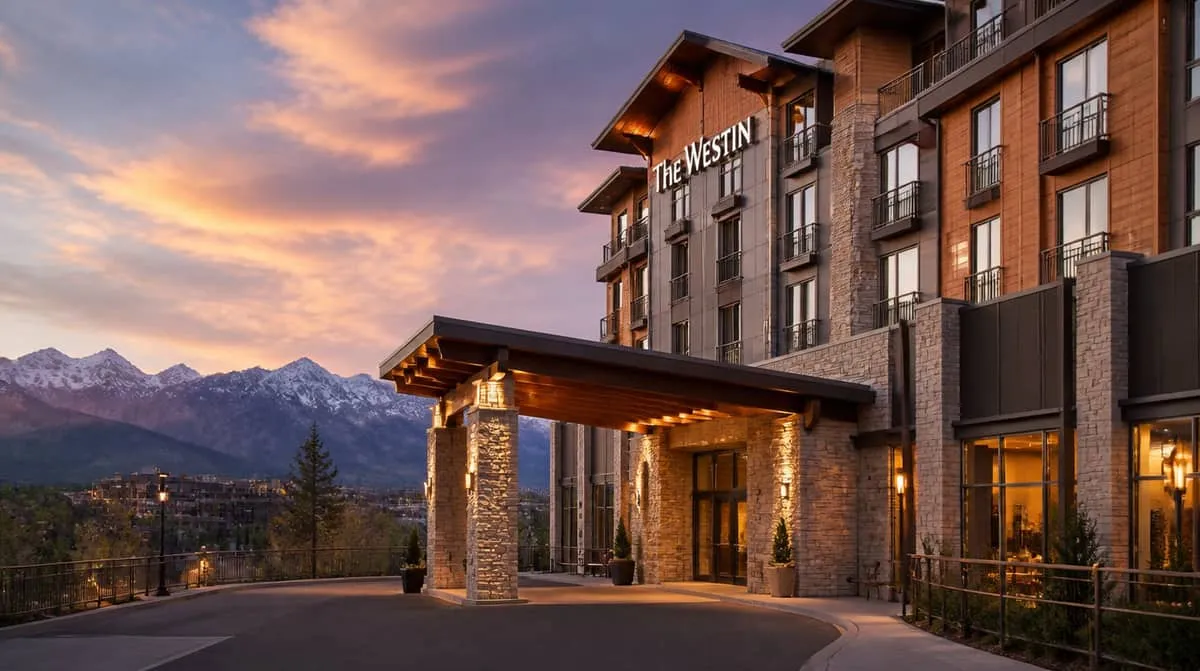
Denver's hotel renovation market has been in sustained motion for several years, driven by a combination of forces that are specific to this market. Older branded properties along the I-25 and I-70 corridors are working through brand PIP requirements as their flags update design standards. Independent and boutique properties in LoDo, Cap Hill, and the Colfax Avenue corridor are repositioning to capture the growing boutique travel segment that Denver's tourism growth has produced. Full-service convention-adjacent hotels downtown are renovating to compete for the Colorado Convention Center business that has expanded as the city has grown. The common thread across all of these renovation scenarios is that furniture procurement is on the critical path, and getting it wrong has consequences measured in missed opening dates and guest satisfaction scores.
The Denver-specific complication that many renovation procurement processes don't adequately account for is the aesthetic shift the market has undergone. The mountain-modern design vocabulary that now defines Denver's competitive hospitality standard is a genuine departure from the dated traditional or transitional aesthetics that characterize the hotel stock that most needs renovation. A renovation that updates the physical condition of a property without updating the design language won't move the needle on competitive positioning in the way that an owner is typically expecting when they commit to renovation capital.
Guestroom Renovation: Where the Investment Concentrates
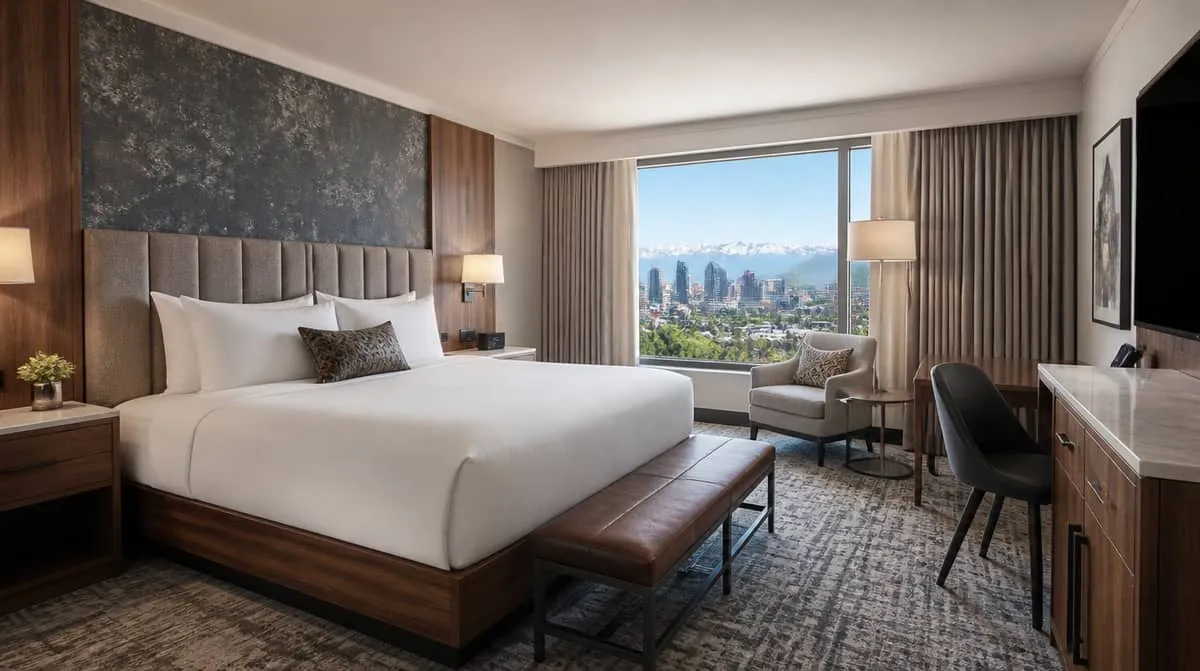
Guestroom renovation furniture is where most Denver hotel renovation budgets concentrate, because the guestroom is where guests form their opinions about the property and where condition degradation is most visible. Case goods, specifically the dresser, nightstand, desk or work surface, and occasional seating, represent the biggest line item in a guestroom renovation furniture budget and the pieces that most directly determine whether the renovation delivers the intended quality upgrade.
Headboards are the renovation element with the highest visual impact per dollar in a Denver hotel guestroom. A properly specified upholstered headboard in performance leather or textured performance linen, in the warm neutral tones that mountain-modern requires, transforms the visual quality of a renovated room in a way that is immediately apparent to guests comparing before and after photos or to competitive guests comparing rooms across properties. The construction quality, appropriate internal frame, correctly specified foam density, and quality upholstery application, determines whether that transformation holds up for seven years or starts showing wear within two.
Dressers and case goods in a Denver hotel renovation benefit from the current manufacturing availability of warm wood-tone case goods in natural and lightly fumed finishes at contract specification. The market has responded to the mountain-modern aesthetic demand, and there are now more contract-grade options in the warm wood palette than existed five years ago. The specification details to verify are construction quality: drawer joinery, drawer box material, edge banding consistency, and hardware quality. Contract-grade case goods with proper dovetail or dowel joinery and commercial-grade laminate will hold up through a decade of daily housekeeping and guest use; retail crossover products that look similar at purchase will fail on a much shorter timeline.
Managing Phased Renovation While Maintaining Occupancy
Most Denver hotel renovations are phased, because taking an entire property off-line for a full renovation is economically impractical for anything but the most distressed assets. A rolling renovation across 150 or 200 rooms, releasing completed rooms back to occupancy while the next set of rooms is under renovation, is the standard approach, and it creates furniture procurement and delivery requirements that are more complicated than a single-event opening.
The furniture supplier for a phased Denver hotel renovation needs to be able to hold inventory, coordinate deliveries with the room release schedule, and work within the coordination constraints of a job site that's simultaneously operating as a hotel. Delivery windows, service elevator access, temporary storage on the property, and the noise and traffic management of renovation work happening adjacent to occupied rooms are all part of the operational context that a renovation furniture supplier needs to navigate.
Nightstands and guestroom soft goods, including the occasional chair or bench that completes the room program, need to arrive in phase with the rest of the guestroom furniture rather than in a consolidated delivery that floods the property with product it can't stage or install efficiently. A supplier who has experience with phased renovation delivery in active hotel properties is meaningfully different from a supplier who can deliver furniture, and that difference matters for a renovation project's success.
Brand PIP and Independent Repositioning: Different Drivers, Same Discipline
Denver branded hotel renovations driven by brand PIP requirements have a defined specification framework from the flag, but PIP compliance doesn't eliminate the procurement work, it shapes it. The brand's design standards define the aesthetic parameters, but the supplier selection, the specific product sourcing within those parameters, the lead time management, and the delivery coordination are all the owner's responsibility. Working with a supplier who understands how to source to a PIP specification, while making the best product selections available within that framework, is a meaningful advantage.
Independent Denver hotels renovating to reposition are making the aesthetic decisions themselves, which requires more design discipline but also more flexibility. The mountain-modern design direction that the market has converged on is an aesthetic framework rather than a specification, and there's significant latitude within it for a property to develop a design identity that's specific and memorable. The furniture procurement process for an independent repositioning should involve the designer and the supplier in conversation before the specification is finalized, because product knowledge and manufacturer relationships affect what's achievable within the budget.
Commercial Furniture Depot has worked with Denver hotels across the full range of renovation scenarios, from brand PIP projects at full-service properties to boutique independent repositioning in LoDo and RiNo. The combination of product depth in the mountain-modern palette and renovation-specific procurement experience makes for outcomes that serve both the design ambition and the operational realities of the Denver market.
Pricing for hotel renovation furniture in Denver depends on quantities, finishes, and your delivery window, so a project-specific quote beats any list figure. Request a quote to get yours.