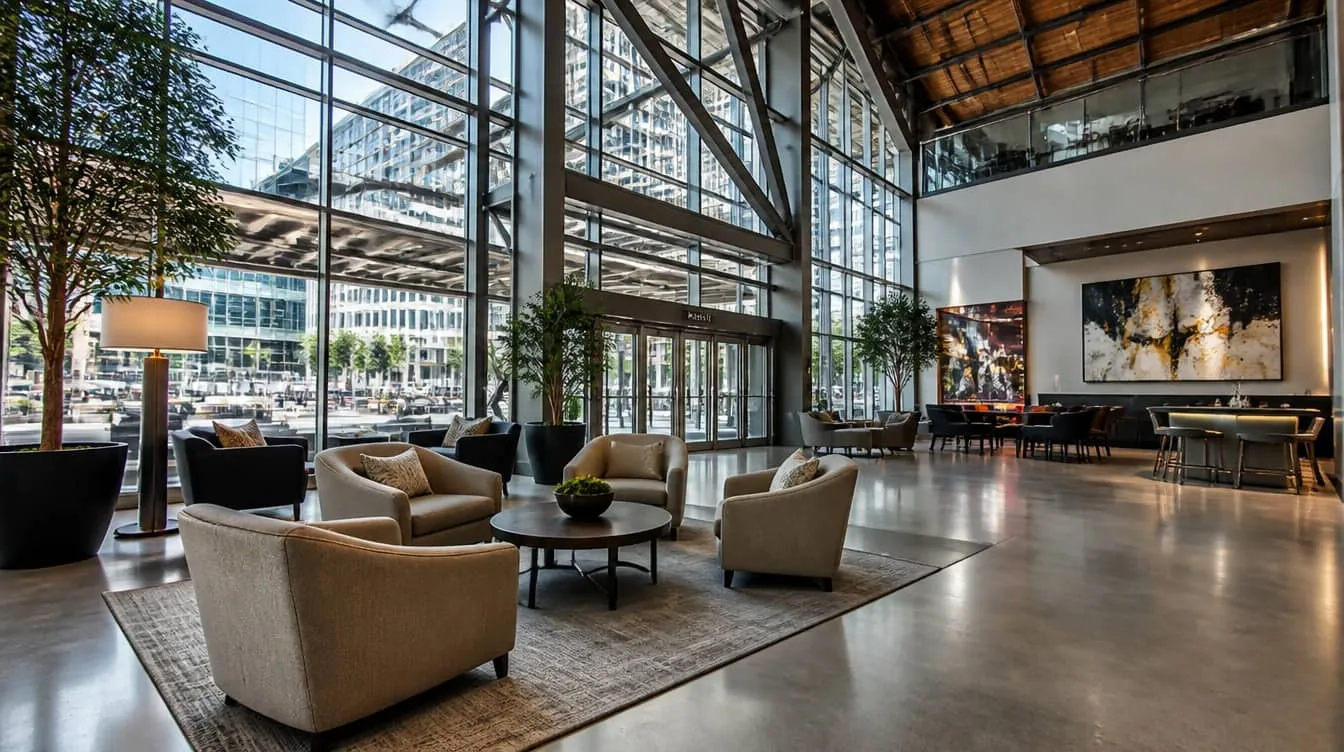
Dallas's hotel renovation market is active for reasons that are specific to the city's development cycle. Properties that opened during the boom periods of the late 1990s, mid-2000s, and early 2010s are now approaching their second or third major renovation, and the design and guest experience expectations they need to meet in those renovations are substantially higher than what was appropriate when the property originally opened. The competitive set has shifted too, with new construction in Legacy West, the Design District, and the convention corridor raising the baseline for guest experience across all segments. An Uptown hotel that was considered well-positioned five years ago may need to renovate to maintain that positioning against properties that have opened more recently with higher design and amenity standards.
Hotel renovation in Dallas also has a specific urgency for properties affiliated with major brands that are pushing property improvement plans. PIP compliance, a property improvement plan requirement from brand standards, can create mandatory renovation timelines that compress the planning and procurement process in ways that create risk for properties that haven't started early enough. Understanding your brand's PIP timeline and building the FF&E procurement plan around it is one of the most important early steps in any Dallas branded hotel renovation.
Renovation Scope and Furniture Strategy
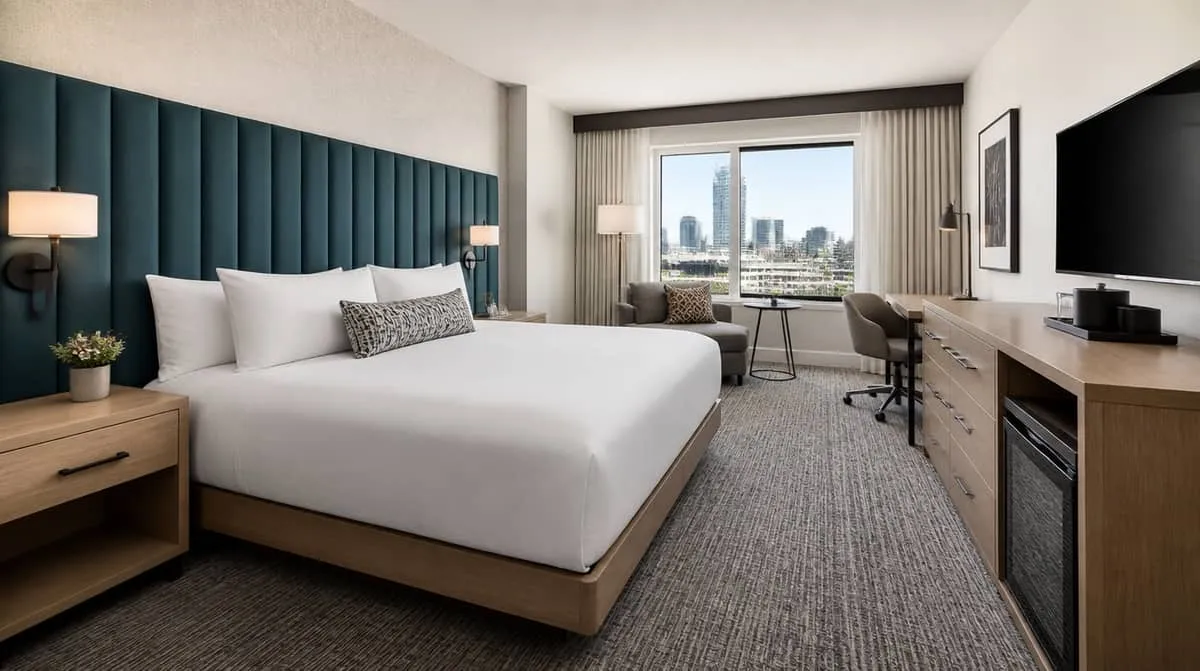
A hotel renovation furniture strategy starts with a clear scope definition: which areas are being renovated, on what timeline, and to what standard. In Dallas, the typical renovation scope for a mid-scale to upper-midscale property covers guestroom casegoods and soft goods, public corridor furniture and finishes, lobby and lounge furniture, and food and beverage outlet furniture. Full-service properties may also be renovating meeting room and banquet furniture, fitness equipment, and pool area furniture. Each category has different lead time and procurement complexity, and the overall project schedule needs to account for all of them.
For Dallas properties doing guestroom renovations in a phased approach, the furniture procurement plan needs to align with the renovation phase schedule, not just with the completion date. If Phase 1 covers floors three through six and is scheduled to complete in week 16, the furniture for those floors needs to be ordered, received, and staged for installation by that date. That means the order for Phase 1 furniture needs to go in no later than week minus-four if lead times are running 16 to 20 weeks, which in Dallas's current market they frequently are. Getting this math wrong, placing orders too late and waiting for furniture on completed floors while the renovation team sits idle, is one of the most common and most expensive mistakes in Dallas hotel renovation projects.
Design continuity across renovation phases is a furniture specification challenge that's easy to underestimate. If a 300-room Dallas hotel renovates in three phases over 18 months, the furniture ordered in months one through three needs to match the furniture ordered in months seven through nine and in months thirteen through fifteen. Manufacturers revise finishes, discontinue fabric options, and occasionally change product specifications between order cycles. Documenting the exact specification of the Phase 1 order, confirming with your supplier that the product will be available in identical specification for later phases, and ordering any long-lead specialty items for the full program upfront if possible are all practices that protect design continuity.
Value Engineering Without Compromising the Guest Experience
Dallas hotel renovation projects frequently encounter a gap between the furniture budget the owner set and the furniture cost that the design specification produces. Value engineering conversations in this context require honesty about which trade-offs affect guest experience and which do not. The wrong approach to value engineering, cutting costs on the guestroom case goods that guests interact with most directly, the bed platform, the dresser, the nightstands, the desk, compromises the renovation's central purpose.
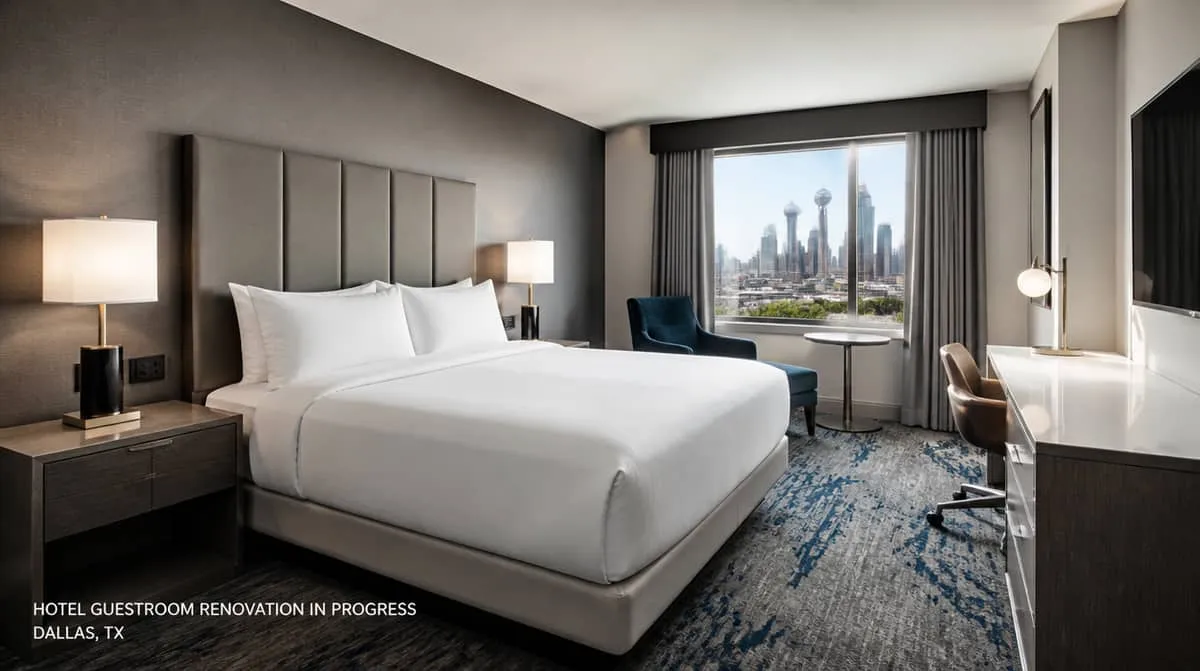
The right places to look for value in a Dallas hotel renovation furniture budget are in back-of-house and service areas, where commercial-grade but less design-intensive product is appropriate. Storage furniture in corridors, luggage carts, fitness equipment in fitness centers, and some office furniture can often be sourced at lower cost without affecting the guest experience. Public area accent pieces that are in lower-traffic positions can sometimes be selected from less expensive lines without visible quality degradation. The guest-facing surfaces, the guestroom and suite furniture, the lobby seating and tables, the restaurant and bar furniture, are not where you find the savings.
A second approach to value engineering that produces better outcomes than product downgrade is specification refinement. A Dallas hotel renovation that eliminates an unnecessary furniture category, simplifies the custom element of a case piece program, or reduces the number of distinct finish specifications across the program can achieve meaningful cost savings without downgrading the product quality in any category. These savings require more design work upfront to achieve, but they produce a better final result than the same savings achieved by cutting per-unit specification.
Contractor and Supplier Coordination in Dallas Renovations
Dallas hotel renovation projects run in a construction ecosystem where general contractor schedules are tight and coordination between the furniture installation and the finish trades is critical. Furniture arriving on a floor before the painting and flooring are complete will be damaged. Furniture arriving after the GC has demobilized creates a re-mobilization cost and schedule extension. Coordinating the furniture delivery and installation window precisely within the construction schedule, with clear communication between the furniture supplier, the installation crew, and the GC, is a logistics function that requires active management throughout the project.

A commercial furniture supplier who has experience with Dallas hotel renovation logistics is worth selecting partly for that experience. They know the parking and access constraints at Dallas hotels that are operating during renovation, they know the elevator and corridor access limitations that are typical of Dallas's hotel building types, and they know how to coordinate with Dallas-area installation crews whose work quality and availability they have direct experience with.
Tell us about your Dallas hotel renovation furniture needs and we will turn your quantities, finishes, and timeline into a firm quote. Request a quote whenever you are ready to compare.