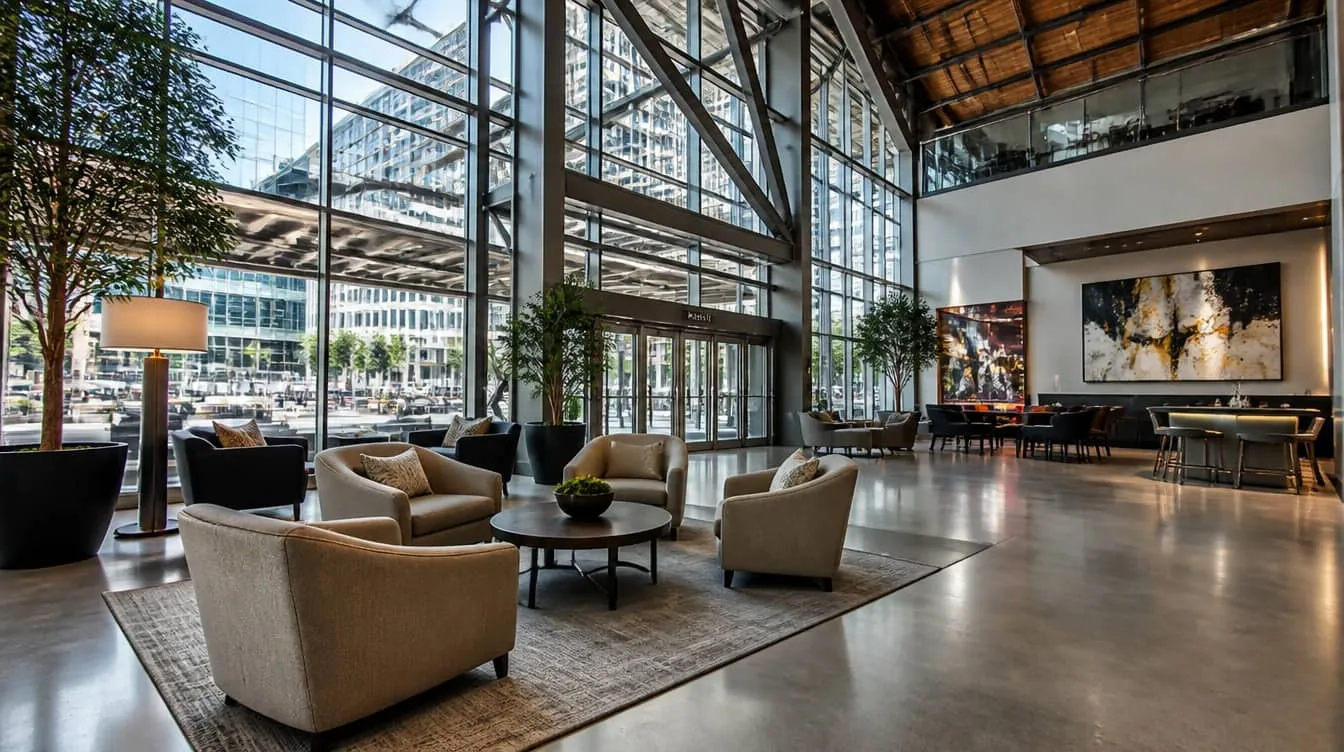
Dallas has one of the most visually sophisticated restaurant markets in the country, and that creates specific demands for commercial restaurant furniture that other markets don't impose to the same degree. The city's steakhouse culture, which runs from the white-tablecloth institutions near Turtle Creek to the contemporary steakhouses in Uptown, has established an aesthetic baseline for serious dining rooms that involves substantial seating, quality materials, and a room presence that conveys investment. At the same time, Dallas's growing contemporary dining scene in Deep Ellum, the Design District, and Knox-Henderson has created a market for restaurant furniture that's more expressive, more industrial, and more design-forward than the traditional Texas dining aesthetic. Serving both markets well, with furniture that is genuinely commercial grade in both cases, is the challenge.
The design expectations in Dallas dining extend to the way guests photograph and share their restaurant experiences. Dallas has a strong food media culture, with influencers, food writers, and an engaged dining public who document their meals in ways that extend a restaurant's design choices into wide circulation. A dining room that photographs well, with furniture that contributes to the visual identity rather than undermining it, is a marketing asset that compound over time. This doesn't require exotic or expensive furniture; it requires that the furniture be considered, well-proportioned, and consistent with the design language of the room.
Hospitality Seating in Dallas
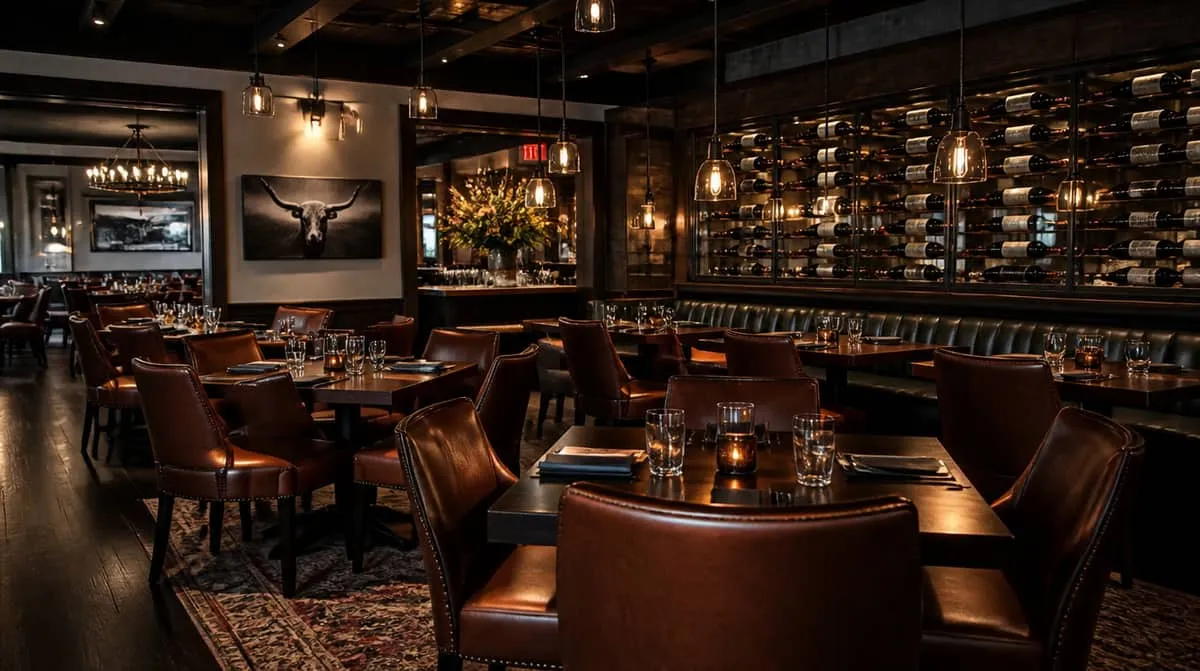
The seated dining experience in a Dallas restaurant is shaped significantly by chair height, seat depth, and the relationship between the chair and the table it's paired with. In Dallas's upscale steakhouse market, where diners are spending several hours at the table, the comfort profile of the seating is a direct factor in the perceived value of the experience. Heavy, well-upholstered chairs with proper lumbar support, seat depths that work for a range of body types, and seat heights that position guests comfortably at the table are the specification attributes that translate into guest satisfaction in this segment.
For the deep upholstered booth seating that anchors many Dallas steakhouses, the construction specifications matter in ways that are invisible to guests but critical to long-term performance. Commercial booth seating with solid wood or metal frames, high-density foam in the seat and back, and performance fabric upholstery will hold its shape and its appearance through five to seven years of daily restaurant use. Booth seating with lower-grade frame construction, standard foam, and residential-grade fabric will be visibly degraded within two years, with compressed seat foam, sagging backs, and worn fabric at the points of contact that guests' hands and clothing touch most.
For the contemporary restaurant market in Deep Ellum and the Design District, seating that contributes to the industrial, creative aesthetic these restaurants are building around requires a different approach. Metal-frame chairs in raw steel, matte black powder coat, or brushed finishes, with either wood or metal seats, are the commercial workhorse for this aesthetic. The key specification requirement is that the steel be of commercial gauge, with properly welded joints rather than bolted assemblies, and with a powder coat or finish that holds up to the cleaning and daily use of a busy restaurant environment. Design-forward commercial chairs at commercial spec are available across a wide price range, and you don't have to sacrifice build quality for aesthetic appropriateness.
Hospitality seating in Dallas ultimately spans two distinct programs under one commercial-grade standard: the upholstered, comfort-driven seating that steakhouse and white-tablecloth dining rooms need, and the metal-frame, design-forward seating that Deep Ellum and Design District concepts build around. A supplier who stocks and specs both programs well, rather than defaulting every project to one look, is worth more to a Dallas operator than a catalog with a single aesthetic lane.
Tables and Bar Seating in the Dallas Dining Context
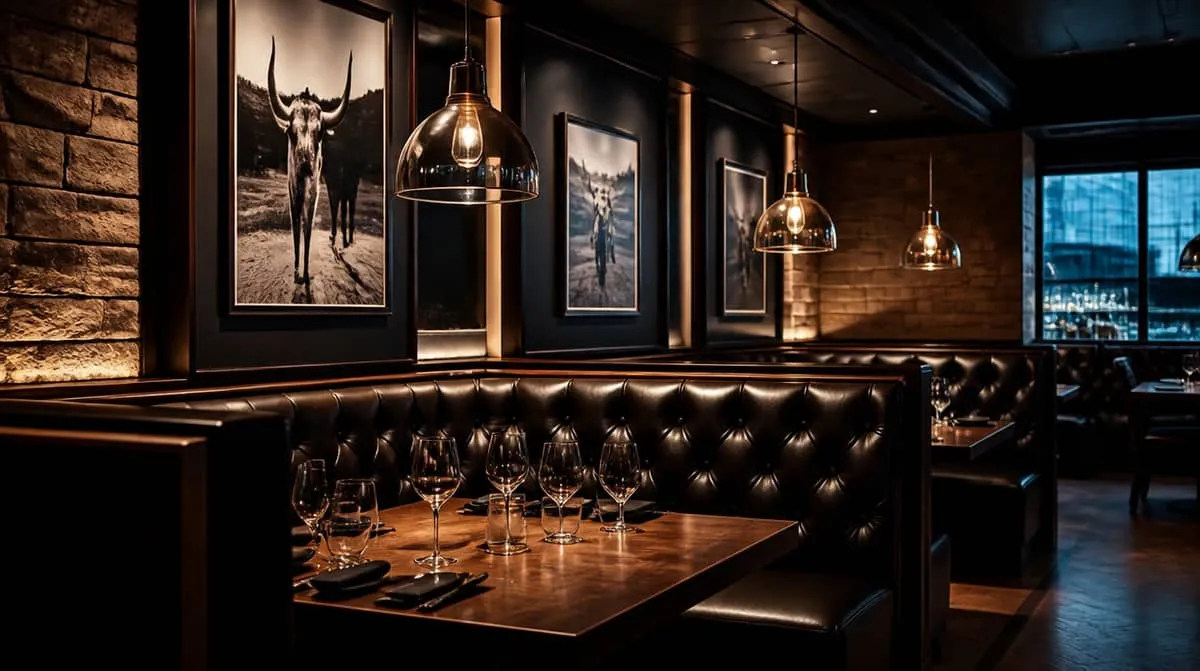
Dallas's restaurant table market has interesting dynamics because of how strongly the steakhouse culture drives the premium end. Round tables at upscale Dallas restaurants are typically larger than the national default, 60-inch four-tops rather than 48-inch, because the food culture and entertaining context often means more courses, more shared plates, and more tableside service elements. Table bases at this end of the market need to be genuinely heavy and stable; a table that rocks when a server is presenting a tableside preparation is a failure in a restaurant where that kind of service is part of the value proposition.
For the high-volume casual dining and bar-dining concepts that are significant in Uptown and West Village, table specifications lean toward durability and cover density. Commercial restaurant tables in these environments are being turned over multiple times per evening, cleaned between covers with chemical sanitizers, and subjected to the kind of daily use that exposes any quality shortcut within months. Commercial laminate table tops with proper edge banding, cast-iron or heavy steel bases, and leveling feet that hold their adjustment are the specification standard for this use case.
Bar seating throughout Dallas's restaurant market runs strongly toward commercial barstools in metal frames, because the aesthetic consensus in both traditional and contemporary Dallas restaurants has moved toward metal over wood for bar-height seating. Properly spec'd commercial barstools for Dallas restaurants need swivel mechanisms rated for commercial use, footrest construction that survives the constant standing-on-the-bottom-rung behavior that bar guests universally engage in, and seat surfaces that clean up easily after the spills and moisture that come with bar service.
Outdoor Dining and Dallas Weather
Dallas patio dining is a significant business driver in the spring and fall seasons, and the restaurant corridor along McKinney Avenue in Uptown and the patios along Henderson Avenue are among the most competitive outdoor dining environments in Texas. Commercial patio furniture for Dallas needs to handle both the summer heat and the occasional ice storm in winter, and the all-aluminum frame with powder coat finish is the standard that works across those conditions. Dallas's patio season is long enough to justify serious investment in quality outdoor furniture, and properties that have made that investment show the competitive returns in covers and revenue.
Ready to spec restaurant furniture for your Dallas project? Send us the details and we will price it around your requirements. Request a quote to start.