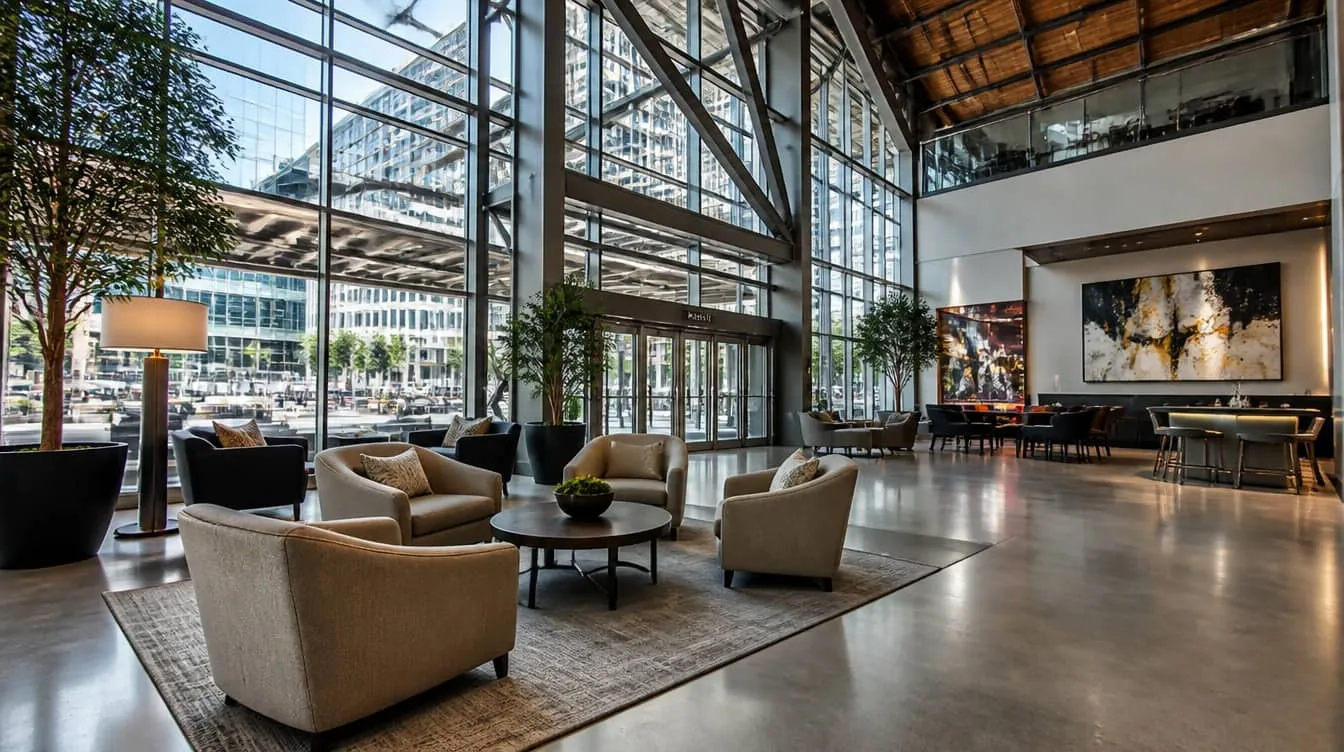
Dallas has a boutique hotel market that punches above the city's size in terms of design ambition. Properties like the Joule and the Adolphus in downtown, the boutique offerings in Uptown and the Design District, and the newer independent properties in Deep Ellum and Lower Greenville have established a standard of design quality that makes Dallas boutique hotels regularly cited in national hospitality media. That reputation creates both an opportunity and an obligation for anyone opening or renovating an independent hotel in this market: the design bar is high, and the Dallas guest base is sophisticated enough to notice when a property doesn't clear it.
Boutique hotel furniture procurement in Dallas is consequently more exacting than in markets where independent hotels are primarily differentiated by location and price. Dallas guests comparing boutique hotel options are making comparisons across properties with genuine design programs, and furniture that looks chosen rather than default is a prerequisite for competing effectively in this market. This doesn't require unlimited budget; it requires a clear design point of view, a supplier who can source across a range of manufacturers to serve that point of view, and the discipline to buy commercial-grade product rather than compromising on specification in pursuit of aesthetic goals.
Design Positioning and Furniture Strategy
The most effective boutique hotel furniture programs in Dallas start with a clear answer to a positioning question: what is this property's specific identity, and what guest is it for? The Uptown market serves a financially comfortable, design-aware demographic that responds to confident luxury, rich materials, bold color decisions, and a sense of scale. The Deep Ellum market serves a creative, culturally engaged demographic that responds to authenticity, industrial references, and design that feels earned rather than purchased. The Design District market sits in an interesting middle position, attracting both design-industry professionals and a broader creative class that values aesthetic sophistication without necessarily signaling traditional luxury.
Furniture procurement decisions should follow directly from this positioning work rather than preceding it. A boutique hotel in the Design District that starts by looking at supplier catalogs and picks things that look good in isolation will end up with a room that reads as assembled rather than designed. A property that starts from a clear identity, whether that's a reference to Dallas's mid-century architectural heritage, its oil-boom era swagger, or its position as a city that has always been self-consciously ambitious, and then selects furniture that expresses that identity in commercial-grade product, will end up with rooms that have a coherent story.
The technical requirement underneath all of this is that the furniture, regardless of how it's selected or what aesthetic it serves, must meet commercial contract specification. Dallas's boutique hotel market has enough examples of properties that opened with beautifully styled but inadequately specified furniture programs, and then spent their first two years dealing with the maintenance and replacement costs that created, to validate the argument that commercial grade is not optional even when budget is tight.
Guestroom Execution in Dallas Boutique Properties
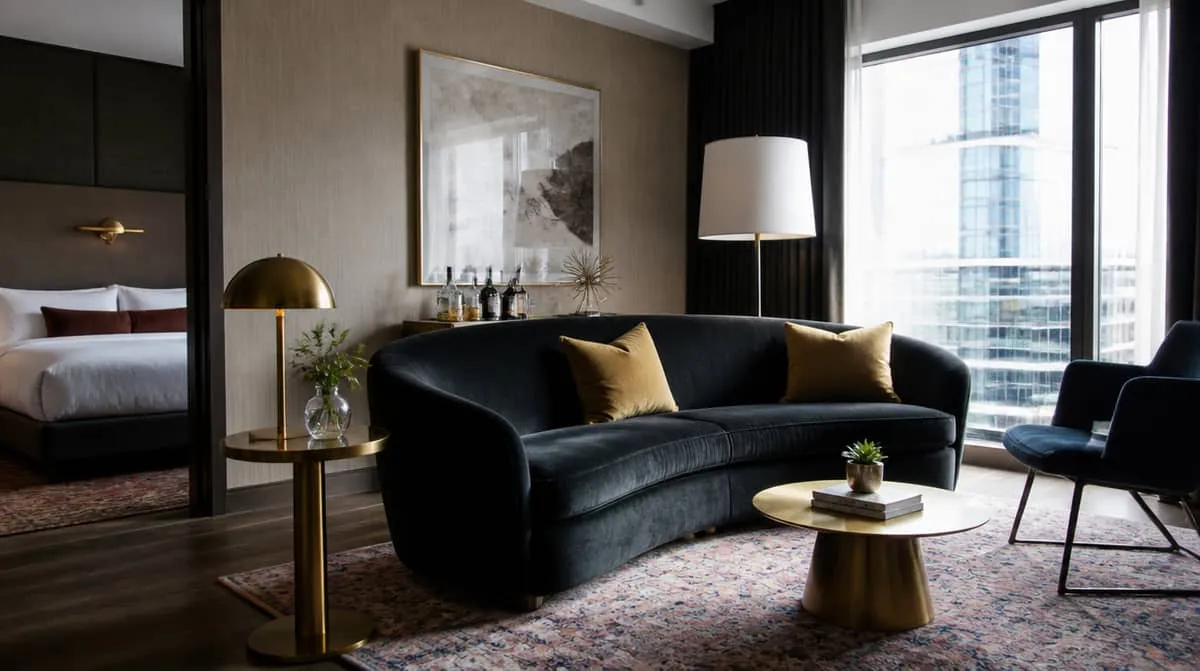
Dallas boutique guestrooms tend to be more spatially generous than boutique properties in coastal gateway markets, which creates both opportunity and responsibility. A 350-square-foot room in a downtown Dallas boutique hotel can be furnished to feel spacious and considered; the same room spec'd with oversized or poorly proportioned furniture feels cluttered and undermines the design program. Working with your supplier to think through the furniture footprint in the context of the actual room dimensions, not just the specification on paper, is part of what distinguishes a well-executed program.
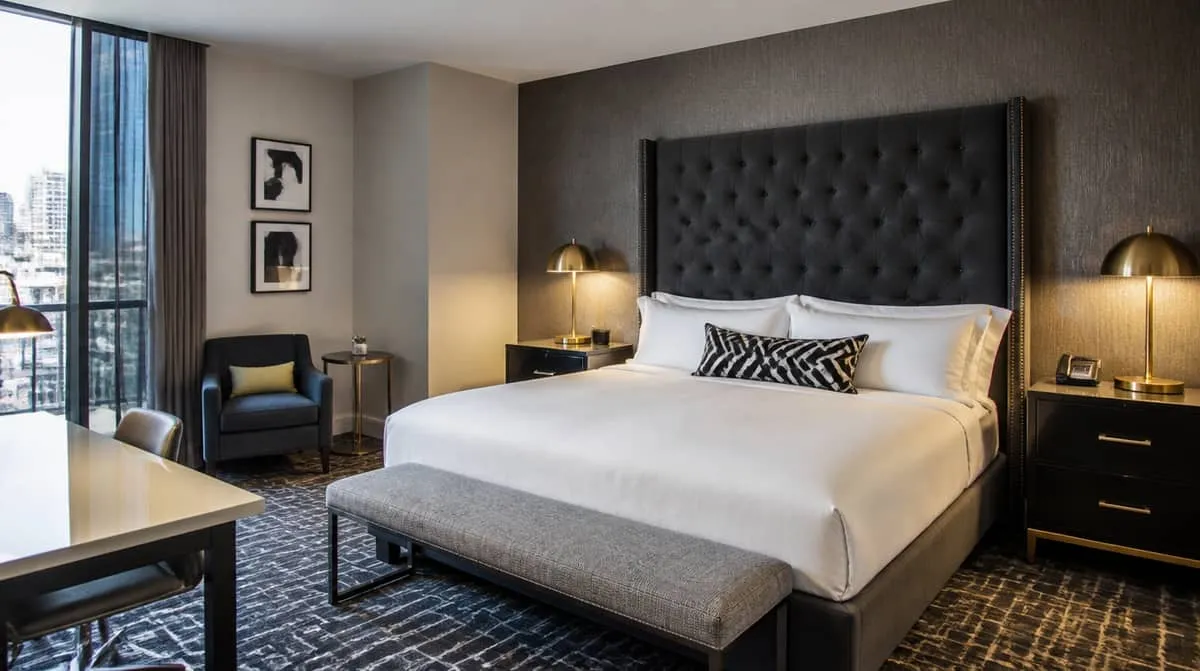
The upholstered platform bed is the room's anchor piece in most Dallas boutique hotel programs, and it deserves more specification attention than it often receives. Bed frame construction that doesn't hold its profile over time, fabric that shows wear or doesn't clean properly, or a scale and proportion that doesn't work with the specific room will undermine the room's design integrity for the life of the furniture program. Ask your supplier about their experience with the specific frame you're considering in commercial applications, not just in photographs.
Soft seating in Dallas boutique guestrooms has a specific character at the better properties: a single well-chosen lounge chair that feels like it belongs in the room rather than a default hospitality armchair that could be anywhere. This is a case where spending more on a single thoughtfully selected piece produces better results than buying less expensive pieces that fill space without adding identity.
Public Space Design and Local Guest Strategy
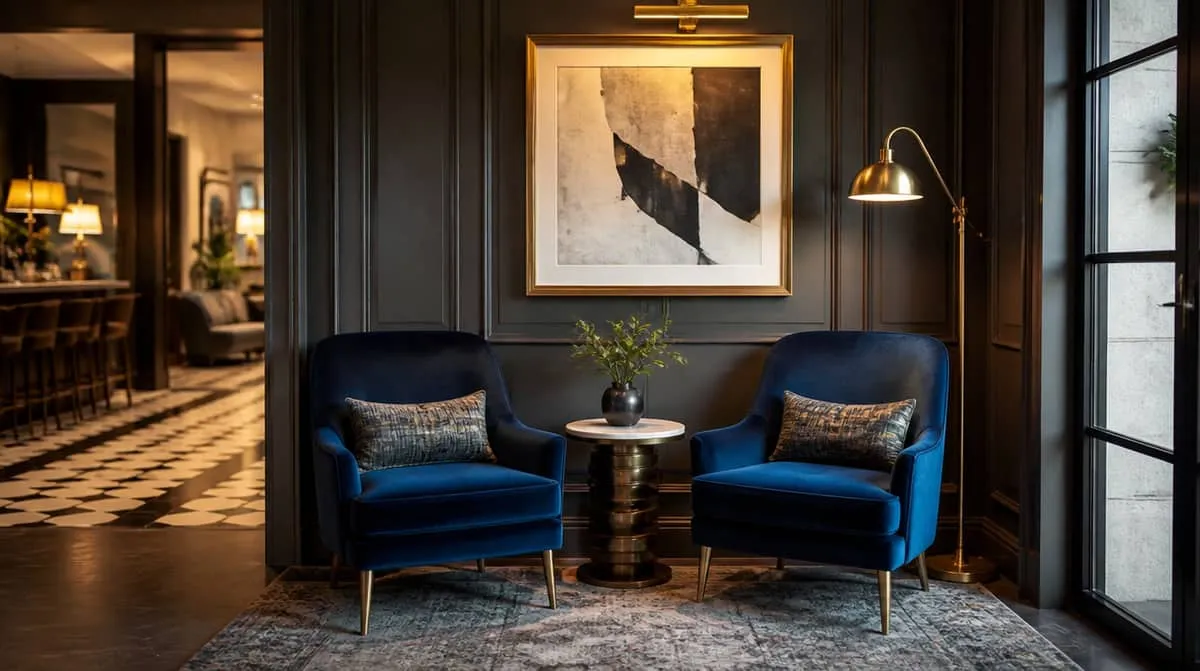
Dallas boutique hotels generate significant revenue from local clientele, including restaurant and bar guests, event bookings from local hosts, and the spillover from the local design and creative communities that use these properties as gathering places. This local business is dependent on the public space program delivering an experience that competes with the broader Dallas hospitality market, not just with other hotels. A lobby bar or lounge that looks and feels genuinely compelling, with furniture that is both visually strong and genuinely comfortable, attracts and retains local guests in ways that extend well beyond the room revenue.
We quote boutique hotel furniture for Dallas operators against their own layouts and order sizes rather than a generic sheet. Request a quote and we will put together pricing for your property.
Related reading
- Hospitality seating in Dallas restaurants
- What is contract furniture
- Commercial furniture vs retail
- Hospitality furniture supplier guide
- Commercial furniture in Texas
Our take
The local clientele point near the end of this post deserves to drive the specification, not just the styling. When a Dallas lobby bar earns a following among local restaurant guests and event hosts, its furniture stops living on a hotel duty cycle and starts living on a restaurant one: nightly turns, spills at several times guestroom frequency, and pieces rearranged for every hosted gathering. Two practical consequences follow. Public space seating should be specified a full durability tier above the guestrooms, heavier frames and higher rub counts, even when the visual program is shared across both. And anything an event host might move, side tables, lounge chairs, ottomans, should be chosen for repeated handling, with glides and finishes that tolerate being lifted, slid, and clustered week after week.
The bottom line: Sound positioning first advice for a design literate market. Operators should also specify public areas to restaurant duty rather than hotel duty, since the local traffic the post describes is what sets the wear rate in Dallas.