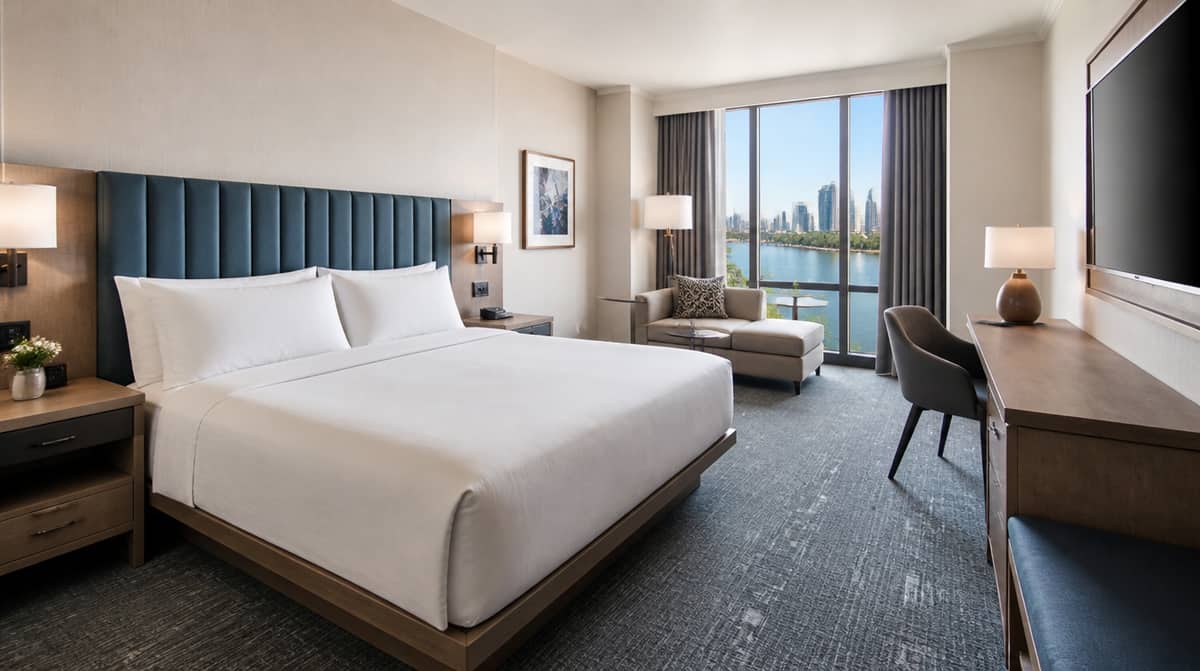
Charleston's hospitality market runs on a rhythm most cities don't have to manage. The historic district south of Calhoun Street holds some of the most tightly regulated hotel properties in the country, where exterior and often interior character features are protected by preservation ordinances long before a renovation permit gets approved. A few miles north, the Charleston Area Convention Center in North Charleston and the hotels along Meeting Street and the Ashley River pull in a steady stream of business travelers and event groups on a completely different calendar. Add a wedding and destination event market that fills King Street boutique properties nearly every weekend from March through November, and you get a city where a renovation delay doesn't just cost room nights, it costs the kind of reviews that follow a property for years. Getting hotel renovation furniture Charleston procurement right from the first planning conversation is not optional, it's the difference between a reopening that reads as a refresh and one that reads as an inconvenience.
Charleston's Preservation Rules Shape the Furniture Plan Before You Order Anything
Properties inside the historic district, from Meeting Street down through the French Quarter and along the Battery, often answer to the Board of Architectural Review before a single piece of furniture gets specified. That review can dictate window treatments, sightlines from the street, and in some cases the general character of furnishings visible from public rights of way. It rarely governs guestroom interiors directly, but it does mean your renovation timeline already has a review cycle built into it that a suburban or convention-district property never has to plan around. Any FF&E supplier you bring in needs to understand that the construction schedule may shift around approvals outside your control, and your furniture delivery windows need enough flexibility to absorb that without blowing up your reopening date.
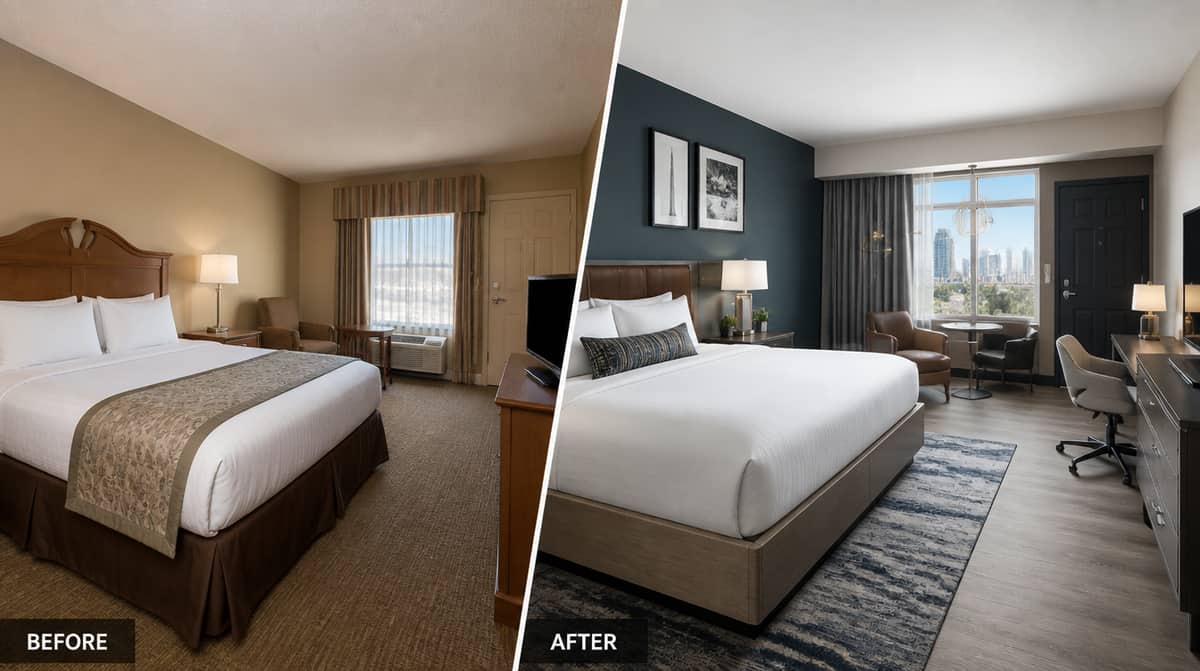
Outside the historic core, properties near the convention center, along Rivers Avenue, and out toward Mount Pleasant and West Ashley operate on a more conventional renovation calendar, but they're not immune to Charleston's own pressure points. A furniture delay that pushes your reopening into the fall convention season or into the spring wedding rush means dark rooms during exactly the weeks your revenue plan counted on the most. Build phased delivery milestones into your procurement agreement in writing, with a named logistics contact on the supplier side, not a verbal assurance that things will work out.
FF&E Lead Times: Plan Backward From Your Reopening Date
Custom and semi-custom contract furniture typically runs 12 to 18 weeks from order confirmation to delivery on your dock. That covers case goods, upholstered headboards and seating, bed frames, and anything requiring COM fabric or brand-matched finishes. Historic district properties working with tighter room footprints and custom millwork to fit period floor plans should add two to four weeks on top of that baseline, since standard casegoods dimensions rarely fit Charleston's older building envelopes without modification.
For a property targeting a reopening ahead of Charleston's spring event season or before a major convention booking fills the pipeline, those weeks matter down to the day. Want rooms ready for an April wedding calendar? Furniture orders need to be placed no later than December. Operators who wait until permits clear or construction actually starts to think seriously about FF&E procurement usually end up choosing between two bad outcomes: settle for off-the-shelf pieces that don't match the property's character, or push the opening back and absorb the lost revenue.
Outdoor and courtyard furniture deserves its own timeline. Charleston's Lowcountry humidity, salt air near the harbor and Isle of Palms corridor, and hurricane season exposure mean outdoor contract pieces need marine-grade materials and finishes that often run on a separate production queue from interior FF&E. Don't assume your courtyard or rooftop bar furniture arrives on the same truck as your guestroom order.
Brand Standards Meet Charleston's Design Expectations
Charleston's hospitality market spans flagged full-service properties near the convention center and Meeting Street corridor alongside a dense cluster of independent boutique hotels downtown that compete almost entirely on design and story. Flagged properties operate under brand standard manuals covering case good construction, fabric fire ratings, and minimum seating and mattress dimensions, and none of that is negotiable during a renovation. A piece that looks right but fails a fire rating review gets rejected on delivery, and your installation schedule is suddenly the least of your problems.
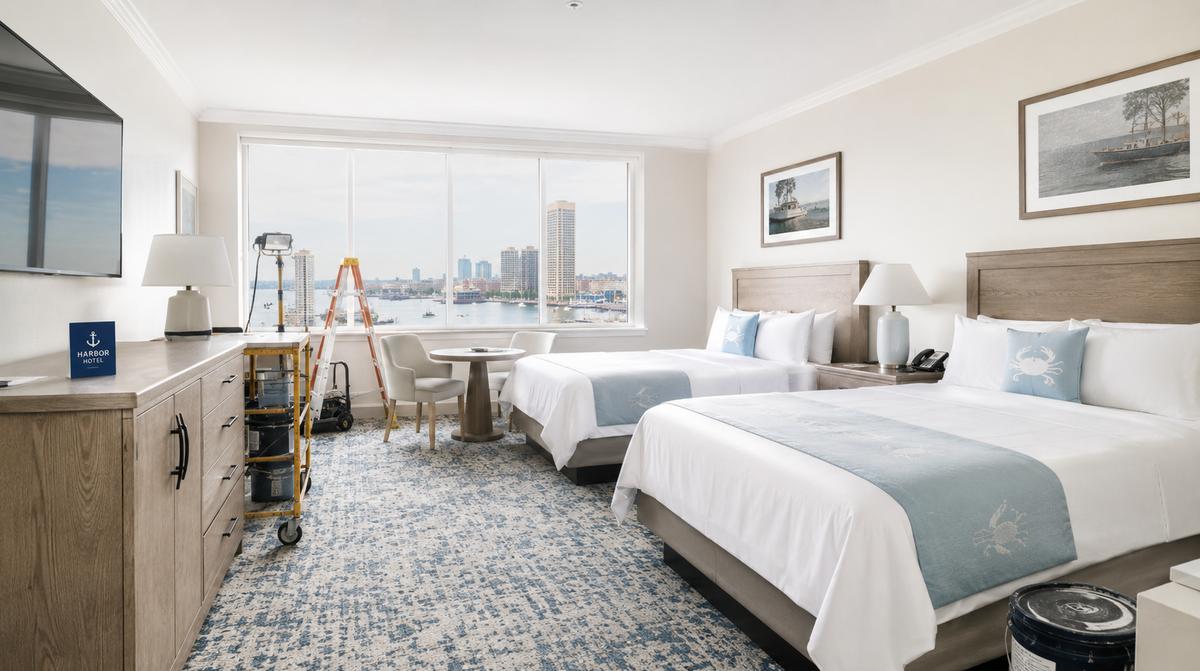
Independent boutique properties downtown, many occupying converted historic buildings, have more design freedom, but Charleston guests who choose those hotels are choosing them specifically for character and craftsmanship. Generic contract furniture reads as a mismatch immediately in a building with exposed brick, heart pine floors, or original millwork. Work with a supplier who asks real questions about your building's architecture and your guest profile rather than one who hands you a catalog and waits for a line-item order.
Delivery and Installation Without Disrupting an Occupied Property
Getting furniture into a working Charleston hotel without disrupting guests takes real logistical planning. Downtown properties on narrow historic streets deal with limited truck access, tight loading zones, and delivery windows that city ordinances and tourist foot traffic can restrict further than operators expect. Properties near the convention center and along the airport corridor have more conventional dock access but still need to coordinate around group move-ins and event traffic that can fill a property's public spaces on short notice.
A supplier with genuine experience delivering to occupied Charleston hotels already understands these constraints, including how to route a delivery truck around a Market Street closure or a Spoleto Festival crowd without missing an installation window. They coordinate directly with your front desk, engineering team, and general contractor so new furniture arrives staged in completed rooms, not blocking a service corridor during a busy check-in period.
Ask every supplier you're evaluating a direct question: have they delivered FF&E to occupied historic properties in Charleston specifically, and what is their protocol for white-glove installation in a building with narrow stairwells or a single freight elevator? A vague answer is a warning sign. You need a team that has actually solved these problems before, not one learning on your renovation.
The difference between a Charleston renovation that reopens on schedule and one that slips past every deadline almost always traces back to the procurement decisions made in the first month of planning. Treat FF&E as a core operational workstream from day one, and your property has a real shot at reopening the way it was designed to.