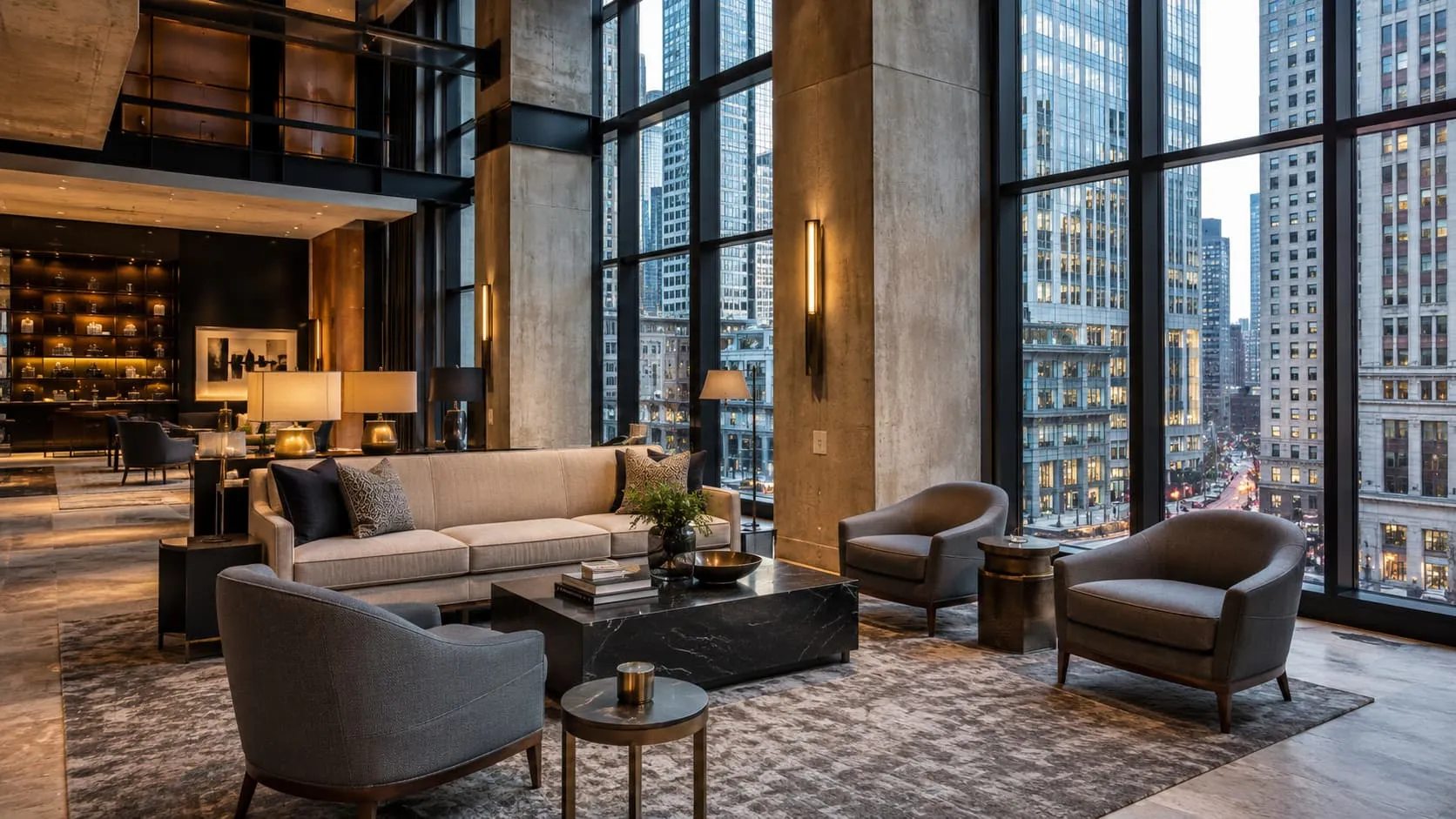
New York hotels do not get a slow season. A Times Square property cycles thousands of guests through its lobby every weekend. A 30-room boutique in the West Village has regulars who notice every detail. Either way, your common areas are working constantly through Fashion Week, the marathon, the holiday crush, and every ordinary Tuesday in between. The lobby is where guests form their first impression, where locals grab a coffee before a meeting, where luggage gets staged during checkout rush. In a city where real estate costs what it does and guests have a hundred alternatives within walking distance, every square foot needs to pull its weight. That pressure is exactly why the conversation around hotel lobby furniture New York operators choose has shifted away from aesthetics alone and toward durability, brand alignment, and long-term cost of ownership.
Why the Lobby Sets the Tone in New York
New York guests are experienced travelers. They have stayed in a lot of hotels. They notice when lobby seating feels tired, when upholstery is pilling, when a chair rocks slightly because its glides are worn down. That detail registers within the first thirty seconds, and it colors the rest of the stay before they have even reached the elevator.
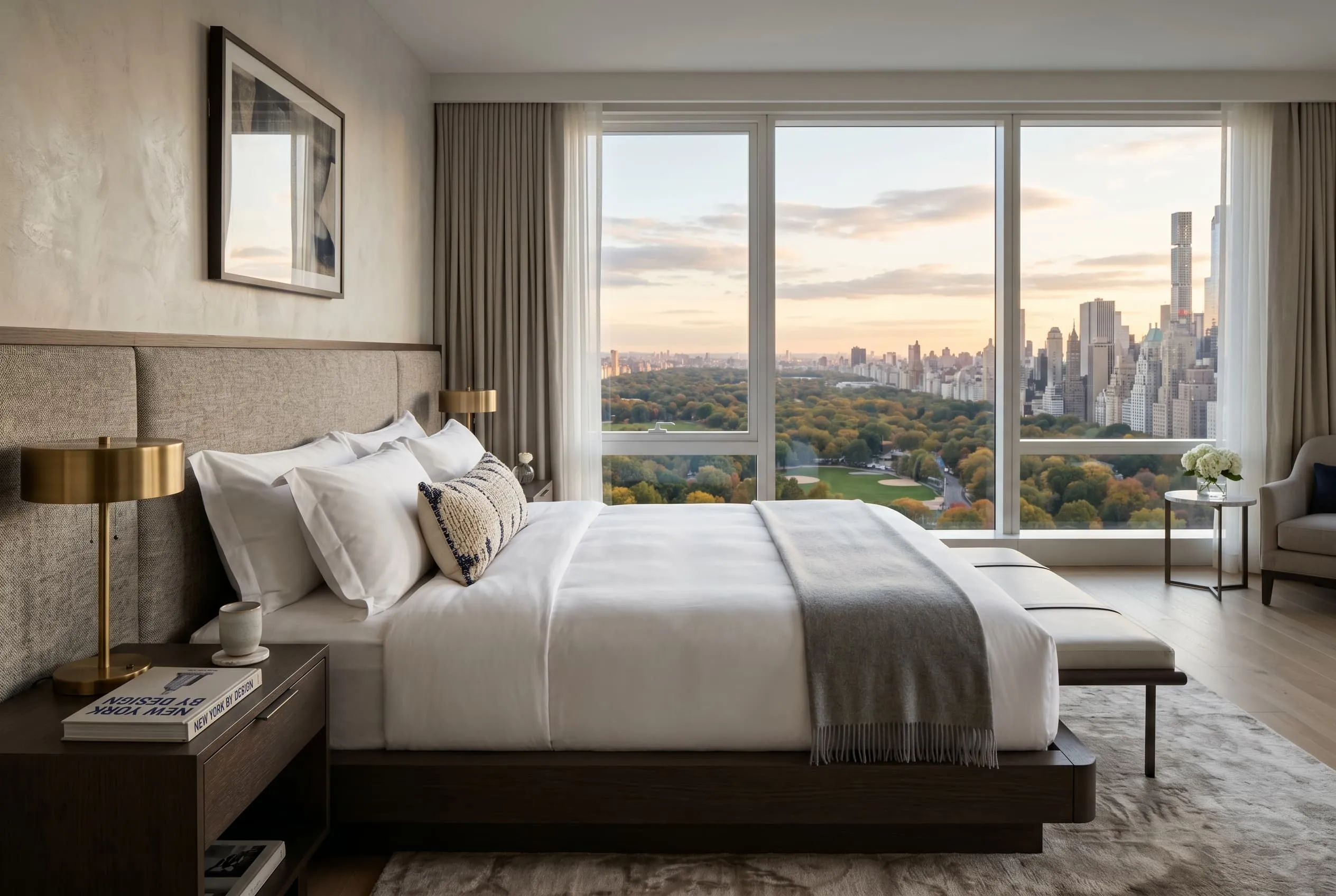
In Midtown Manhattan and the Financial District, business travelers dominate and brand loyalty programs drive repeat bookings. Here, the lobby communicates what kind of operation you are running. A thoughtfully arranged seating cluster with clean lines and quality upholstery sends the same signal as a quiet check-in process and good lighting: this property is run well. Guests on corporate accounts are making mental notes.
Boutique properties in Williamsburg, Nolita, or the Lower East Side are playing a different game but the stakes are just as high. In those neighborhoods, guests chose you specifically because you are not a chain. The lobby furniture has to carry that identity. It needs to feel considered, not just filled. A mismatched mix of afterthought pieces reads immediately to the kind of guest who booked you because of your aesthetic.
Durability Requirements for Constant Traffic
Contract-grade furniture is not a luxury at this volume. It is a baseline requirement. Hotel lobby furniture New York properties put into service faces daily wear that most residential or standard commercial furniture is not designed to handle. Guest traffic, luggage rolling across floors and clipping chair legs, staff rearranging configurations for events, the ongoing friction of a public space that never fully closes these conditions break down residential-grade pieces within a year or two, sometimes less.
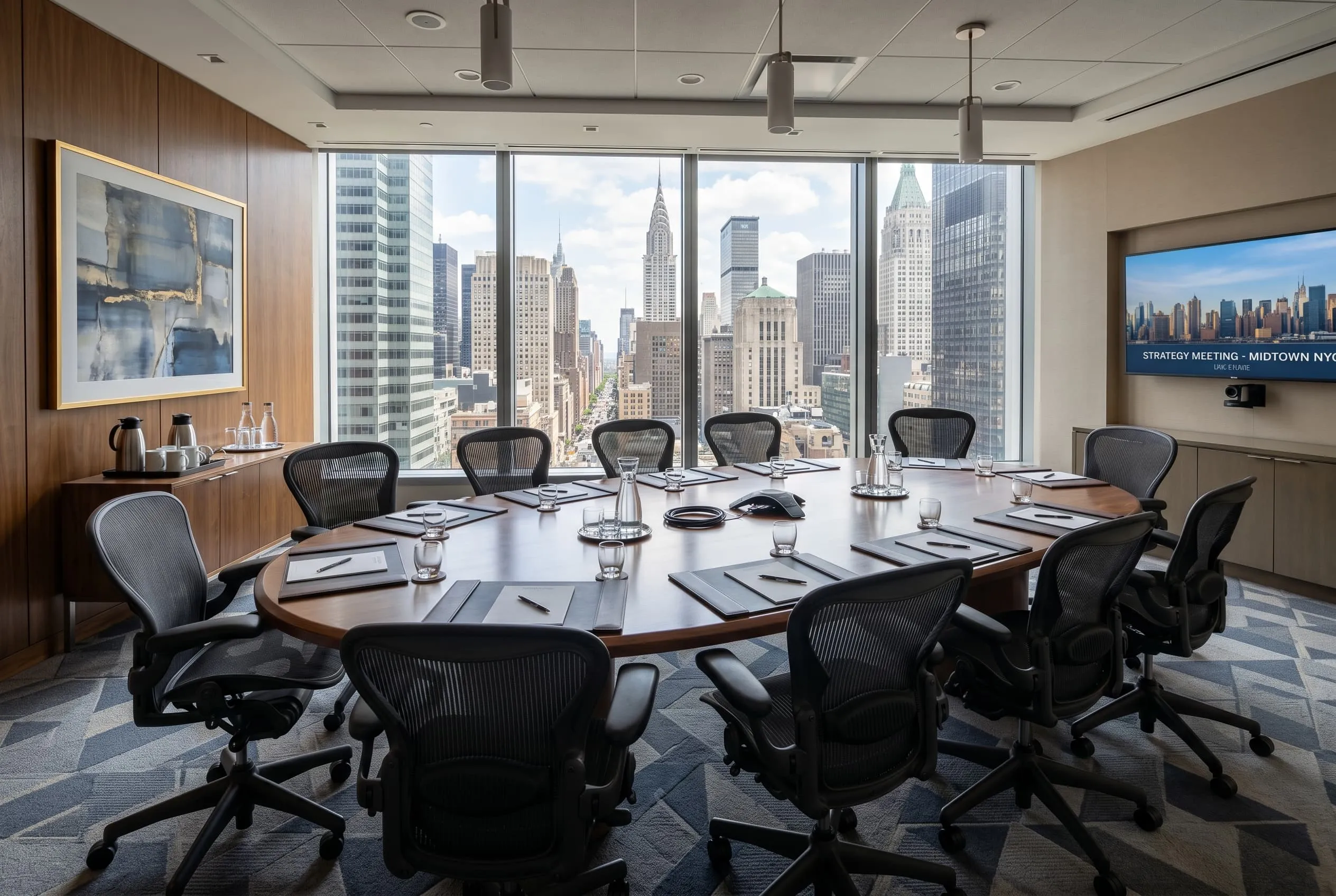
Here is what separates contract furniture from retail alternatives: frame construction in kiln-dried hardwood or welded steel, high-resiliency foam rated for commercial use, COM fabrics or manufacturer-specified performance textiles with rub counts above 50,000 double rubs, and hardware engineered to be retightened rather than replaced. For lobby seating specifically, ease of cleaning is non-negotiable. Stain-resistant and moisture-resistant fabrics matter in a New York lobby where guests come in wet from November rain, slushing through February snow, and carrying the general grime of a city that never stops moving.
Glides and casters are a detail that disappears in spec sheets but shows up in maintenance calls. If your lobby has polished concrete common in converted properties in DUMBO or the Meatpacking District or hardwood floors, the wrong glide material will leave marks and scratch patterns that are expensive to refinish. Get specific about floor surface when you are ordering.
Seating Layouts That Work for New York Lobbies
The geometry of New York hotel lobbies varies more than in almost any other market. Midtown towers can have double-height grand lobbies with serious square footage to fill. Boutique properties in Cobble Hill, Astoria, or Harlem are often working with converted brownstones or former commercial buildings where the lobby footprint is tight, irregular, and full of architectural constraints.
In larger lobbies, let me walk you through how zoning the seating into distinct clusters serves guests better than rows or a single oversized arrangement. A waiting zone near the front desk, a casual lounge cluster toward the center or window line, and a transitional zone near the elevator bank give different types of guests a natural place to land without crowding any one area. Armchairs and two-seat settees outperform full sofas in most hotel lobby configurations because they offer flexibility and reset more easily after heavy use important when your housekeeping team is managing turnover across a busy check-out morning.
In smaller boutique lobbies, the challenge is fitting seating that reads as intentional rather than cramped. A pair of well-chosen armchairs and a narrow console table can do more for a compact space than trying to accommodate too many pieces. The goal is always to make the guest feel like they are in a real place with a real point of view not a furniture floor sample.
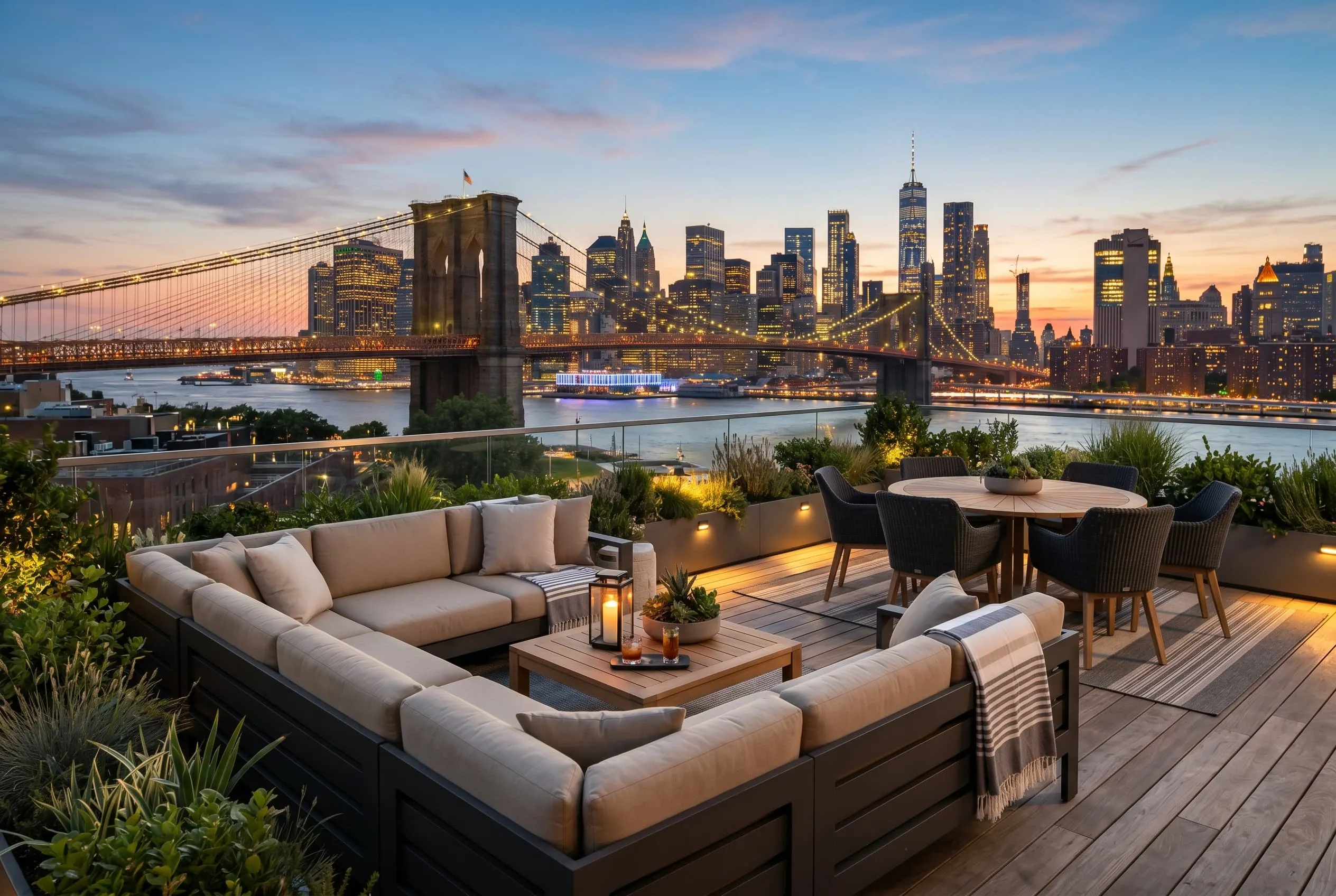
Reception area chairs the seating on the guest side of the check-in desk deserve specific attention. They take more punishment than lounge pieces because guests sit in them while managing luggage, kids, and the distraction of the check-in process itself. Armless or low-arm configurations tend to work better in that position, and seat height should coordinate with your desk height to keep the interaction comfortable and unhurried.
Renovation Cycles and Supplier Relationships
New York hotels renovate on compressed cycles compared to most markets. High occupancy rates, demanding guests, and the competitive pressure of a market where new properties open every quarter push operators to refresh common areas more frequently than the national average. That cycle makes the supplier relationship as important as the initial product selection.
Here is what you need to know about sourcing at this pace: working with a contract furniture supplier who understands lead times, can hold inventory for phased projects, and offers reupholstery or COM programs is worth more than a lower unit price from a supplier who treats hospitality orders like a retail transaction. Budget-driven decisions that ignore lead times and service capacity surface as problems during renovation crunch periods and in New York, those crunch periods are real. Missing a window because furniture is back-ordered can mean losing revenue across peak season bookings.
Lead time transparency is a specific thing to push on when you are evaluating suppliers. A supplier who gives you a hard number and holds to it is worth more than one with competitive pricing and vague delivery windows.
The right supplier will also help you spec for the renovation cycle you are actually running. If your property refreshes common areas every five to seven years, that is a different durability and budget conversation than a property that needs furniture to hold up for a decade of continuous use in a high-traffic Midtown lobby.
If you are planning a lobby refresh or building out a new property and want to work through what contract-grade furniture actually means in practice, the resources below are a useful starting point.
We quote hotel lobby furniture for New York operators against their own layouts and order sizes rather than a generic sheet. Request a quote and we will put together pricing for your property.