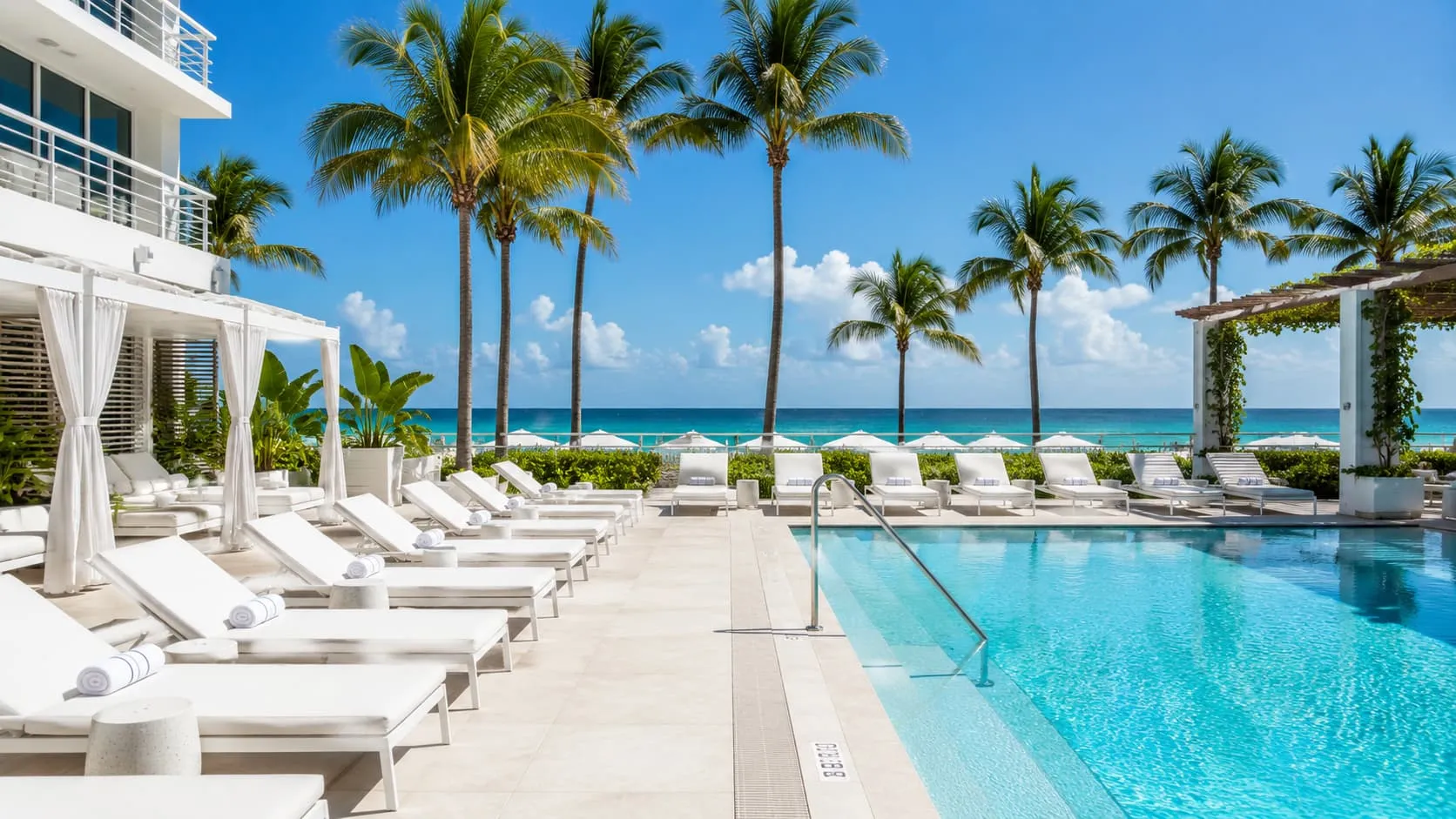
Miami hotels do not get a slow season. South Beach properties run near capacity through summer. Boutique hotels in Wynwood fill up around Art Basel and never fully empty out afterward. Brickell and the Design District see waterfront demand all twelve months. That means your lobby furniture takes a sustained beating that properties in seasonal markets simply do not deal with. Every purchasing decision you make frame materials, fabric grades, joint construction is shaped by that reality.
First Impressions in a Market Built on Visual Identity
In Miami, the lobby is not just a transitional space. It is a signal. Guests arriving at an Art Deco property on Collins Avenue expect the interior to match the promise of the building's facade. A boutique hotel in the Design District attracting international buyers during Art Basel needs seating that reads as intentional and current, not as furniture that got ordered from a catalog and placed against a wall.
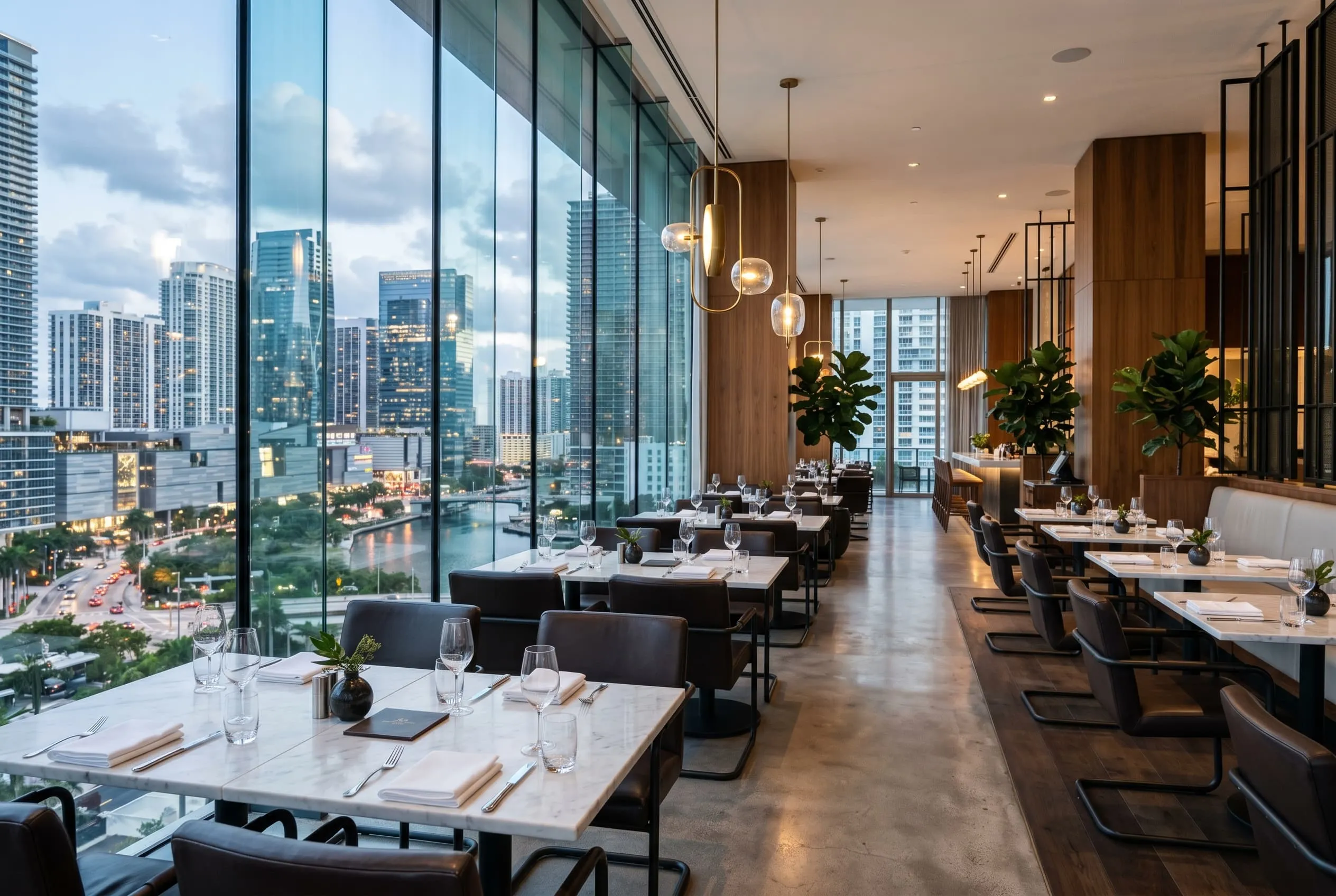
Hotel lobby furniture Miami properties tend to gravitate toward clean silhouettes, warm neutrals, and materials that photograph well and that last point matters more than most buyers initially expect. Social media visibility drives bookings in this market. A well-composed lobby corner with the right chair and side table will show up in guest photos thousands of times a year. The furniture you select becomes part of your marketing whether you budget for it that way or not.
That means brand alignment is not a soft consideration. It is a specification requirement. The weight, proportion, and upholstery of your lounge seating should reflect the same design language as your signage, your pool deck, and your restaurant. If those things feel disconnected from each other, guests notice even if they cannot articulate exactly what is off.
Durability Requirements Specific to Miami Hospitality
The climate here adds pressure that standard contract furniture specs do not account for by default. Humidity accelerates wear on fabrics that perform perfectly well in drier cities. Salt air from the waterfront corrodes metal components over time. Guests moving through your lobby after pool time or a walk on the beach are bringing moisture, sunscreen, and sand directly into contact with your upholstery and frames. That happens every single day.
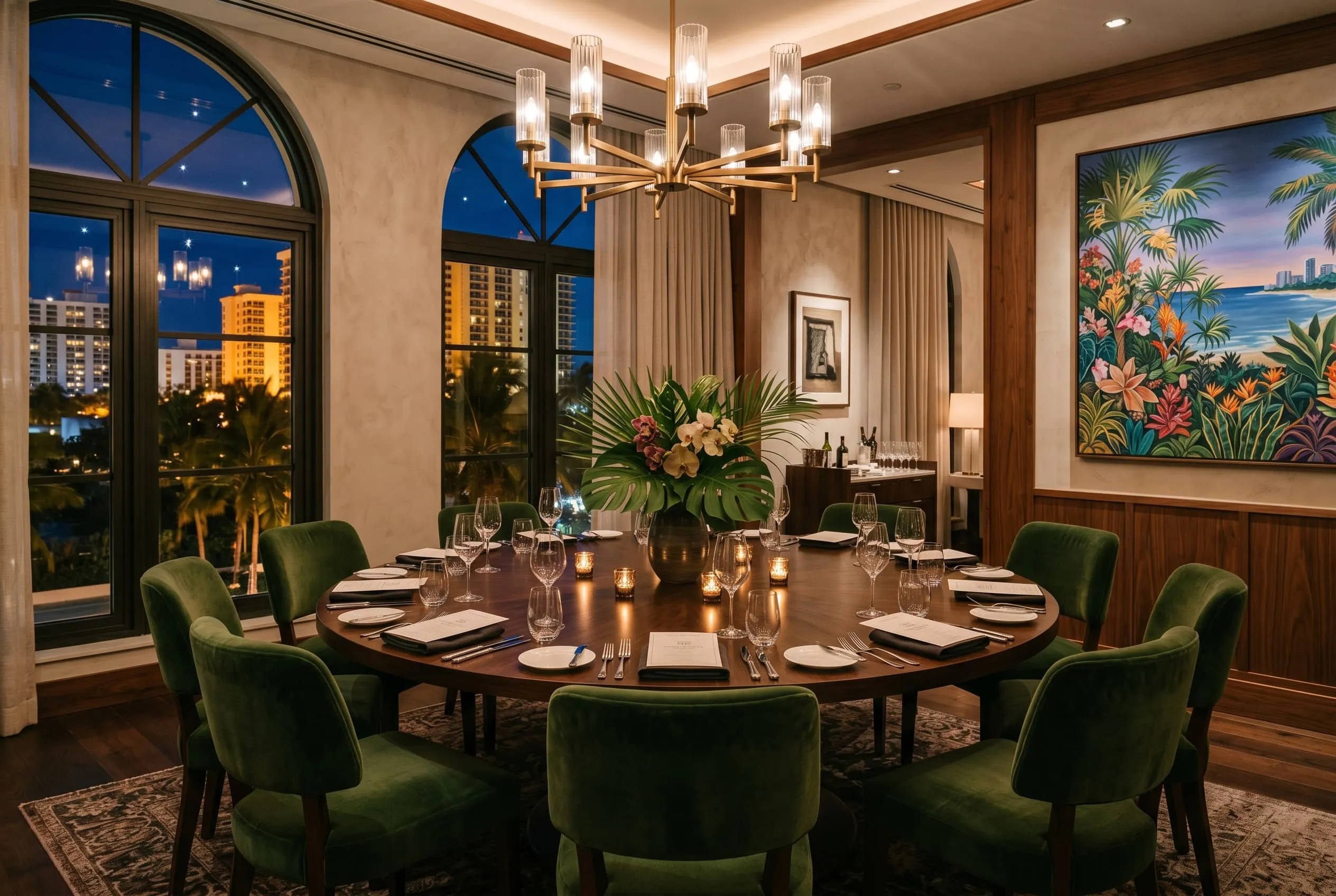
For hotel lobby furniture, Miami buyers should be specifying performance fabrics rated at 100,000 double rubs or above for main seating areas. Solution-dyed fabrics hold color significantly longer in UV-heavy environments this matters when your lobby gets direct or indirect sun year-round. For frames, powder-coated steel or solid hardwood with a sealed finish will outlast untreated alternatives by years in this climate, not just months.
Reception area chairs and occasional seating near the entrance take the hardest hits. These pieces cycle through more contact per day than anything else in the space. Specifying contract-grade construction here eight-way hand-tied springs or high-density foam cores is not a premium upgrade. It is what keeps your lobby looking like it was designed rather than neglected when guests start arriving in year three.
Lounge Seating Layout and Guest Flow
How you arrange seating in a Miami hotel lobby should reflect how guests actually use it not how lobby layouts typically look in a furniture catalog. In a warm-weather city with year-round outdoor hospitality, the lobby functions as a genuine social hub. Guests meet here before heading to dinner in Little Havana or Coral Gables. Groups gather before hitting the pool deck or a waterfront restaurant. Someone is always waiting for someone else.
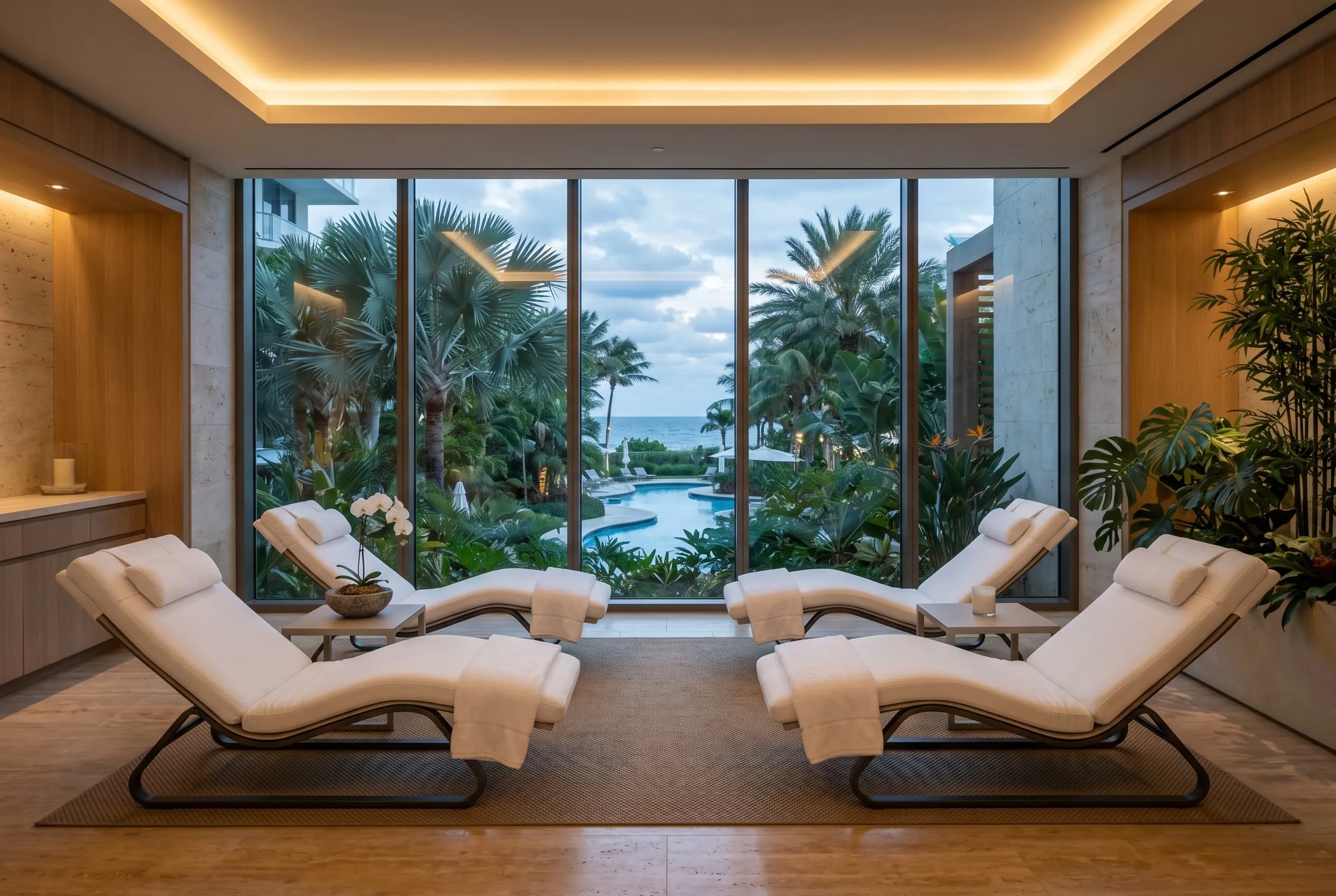
That means the layout needs real flexibility. A mix of low lounge chairs, small-scale sofas, and occasional tables at useful heights lets the space work for a solo traveler with a laptop just as well as a group of five figuring out where to go for the night. Rows of identical seating pushed against the walls do not serve any of those use cases well. It reads as institutional, and it is not what Miami hotel guests are accustomed to.
Side tables get underspecified constantly, and it is a mistake. A lounge chair without an adjacent surface is functionally incomplete and guests will move things around until the layout makes sense to them, which means your original arrangement disappears within a week. Specify tables at a height that works with both standard and low seating, and choose materials that can handle condensation from drinks without staining, swelling, or leaving watermarks.
Working with Suppliers on Contract-Grade Specifications
When sourcing hotel lobby furniture for Miami projects, going directly through a commercial furniture supplier rather than retail channels is a practical necessity, not just a preference. Contract suppliers offer COM (customer's own material) options, which lets you match upholstery across different seating types for visual consistency across the space. They also carry the documentation, warranties, and fire certifications required for commercial occupancy permits in Florida paperwork that retail purchases simply do not come with.
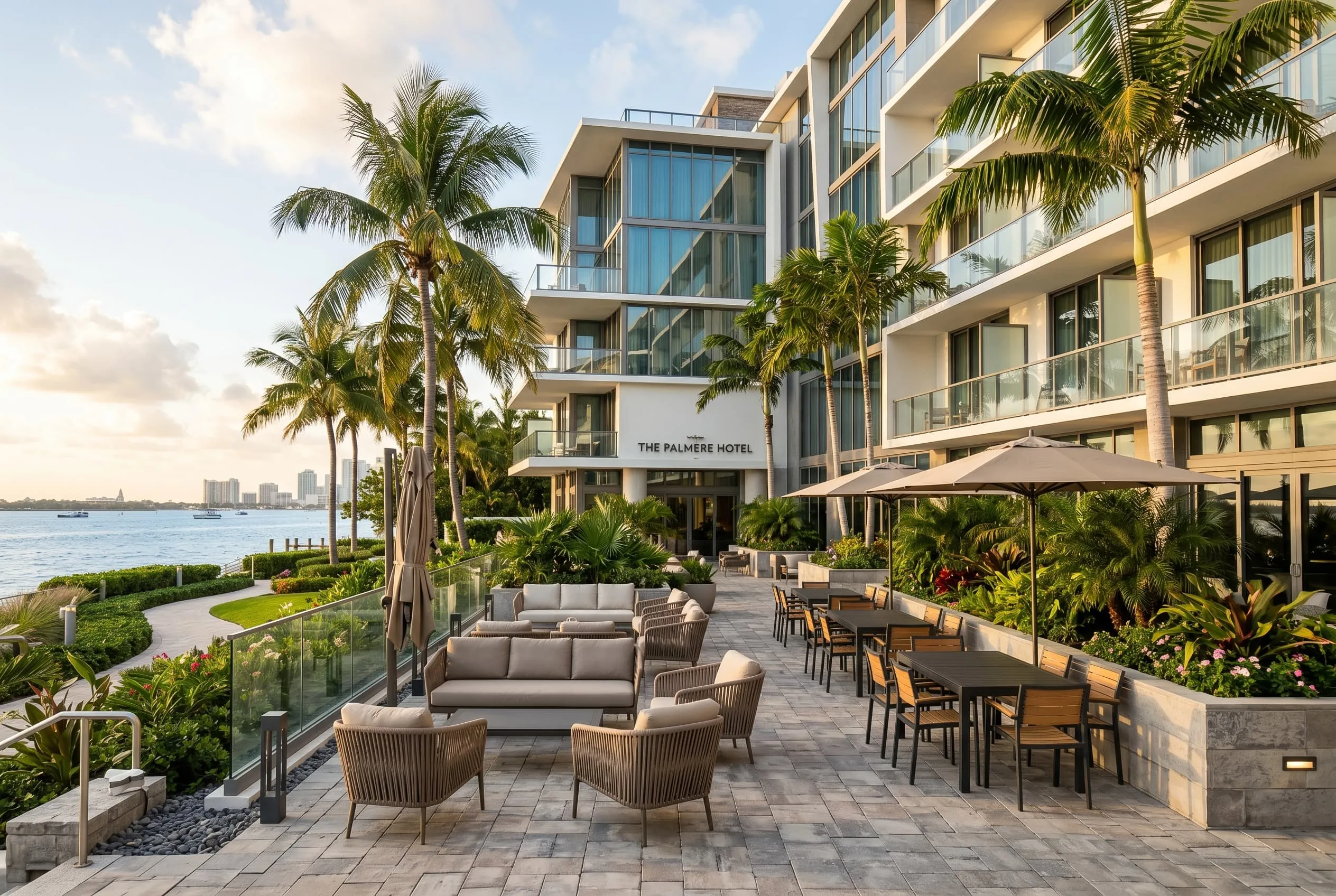
Lead times matter in a market where hotel openings and renovation timelines are tied directly to booking seasons. A supplier worth working with will give you clear production windows upfront and flag potential delays before they affect your schedule not after you have already committed to an opening date. Ask specifically about lead times for custom finishes or non-standard dimensions, since both come up frequently in Miami renovation projects where historic buildings have unconventional room proportions.
For Art Deco restoration work specifically, it is worth finding suppliers who have actual experience with period-influenced design details curved frames, pastel upholstery, brass and chrome hardware. The back-and-forth during the specification phase goes much faster when the supplier already understands what you are trying to achieve rather than working from your descriptions alone.
Selecting Furniture That Works for the Long Term
Miami hotels that hold strong guest ratings year over year tend to share one consistent approach to their common areas: they make the investment at the specification stage rather than replacing worn-out pieces every two or three years. Properly specified contract-grade hotel lobby furniture holds its appearance through heavy use, which means the first impression your property makes stays intact across thousands of guest arrivals not just the first few hundred.
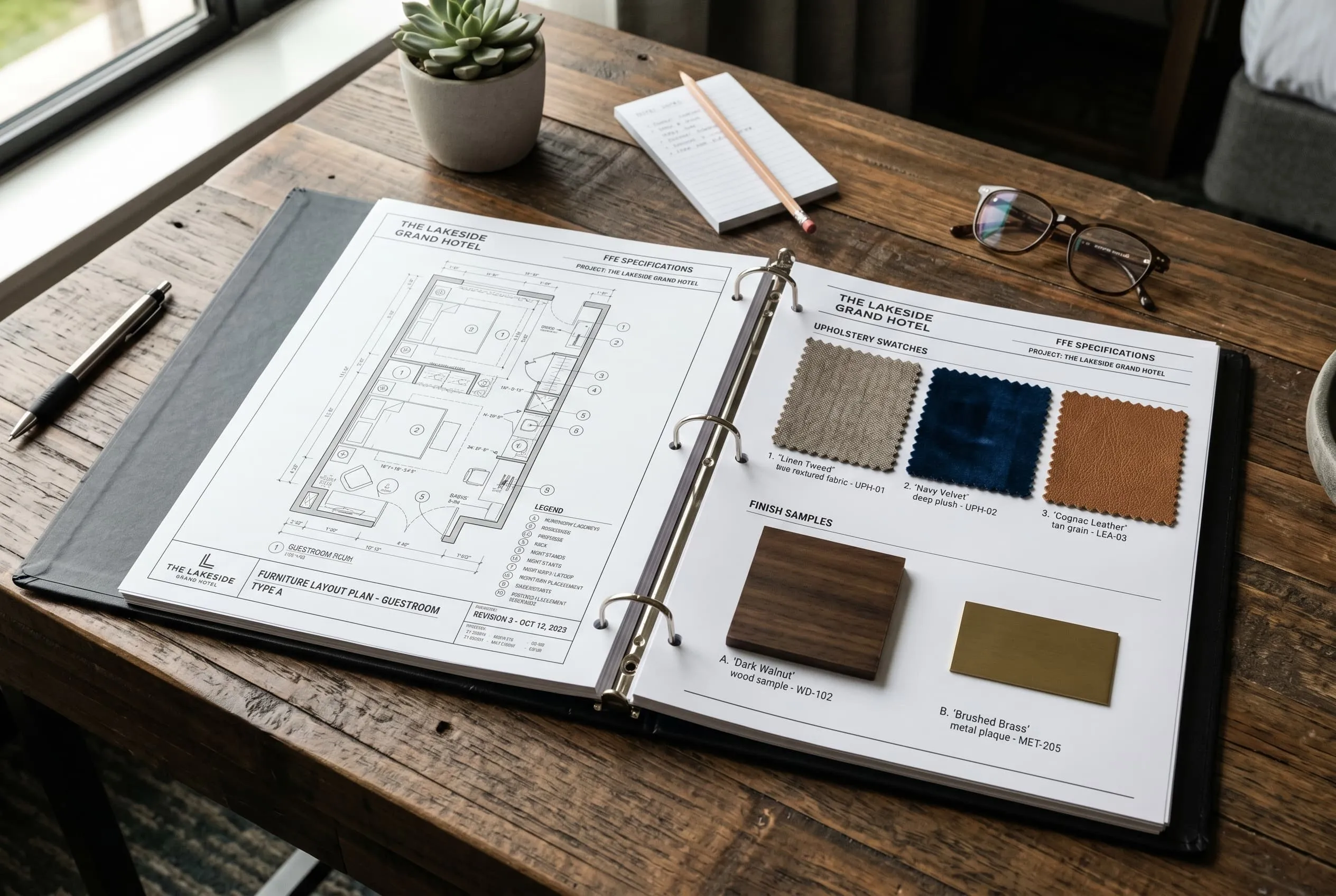
If you are planning a lobby renovation or outfitting a new property, start with durability requirements and brand positioning before you get into aesthetics. The right piece is one that performs in this specific climate, fits your actual guest profile, and still looks like a deliberate design choice three years after installation. That is what separates a lobby that earns repeat bookings from one that quietly erodes your reputation every time someone walks through the door.
Reach out to discuss specifications for your Miami property.
Ready to spec hotel lobby furniture for your Miami project? Send us the details and we will price it around your requirements. Request a quote to start.