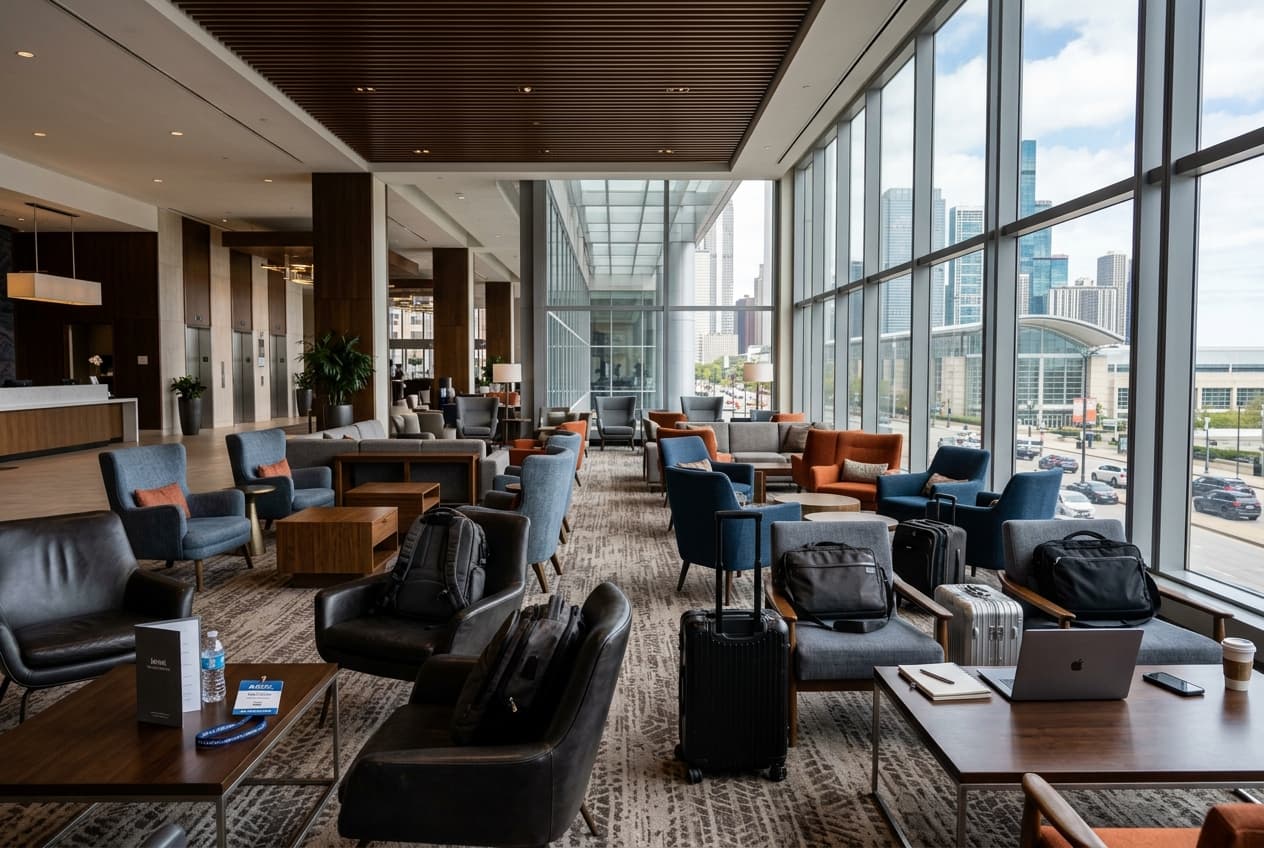
The hotel lobby is the first physical space a guest experiences after check-in, and in a market like Huntington, where guest expectations vary sharply between a Marshall game-day family, a medical travel guest staying for an extended treatment window, and a tri-state business traveler passing through, that space has to work for very different people without feeling generic to any of them. Lobby furniture in this market carries more functional weight than in a market with a single, consistent guest profile.
Why Lobby Furniture Wears Differently Than Guestroom Furniture
Guestroom furniture serves one guest or one traveling party per stay. Lobby furniture serves every guest who passes through the property, plus visitors, event attendees, and local guests using the lobby as a meeting space, sometimes dozens of times in a single day. That volume difference means lobby seating needs a higher durability standard than guestroom furniture even within the same contract-grade tier, and it is one of the most common places operators under-spec a hotel furniture program.
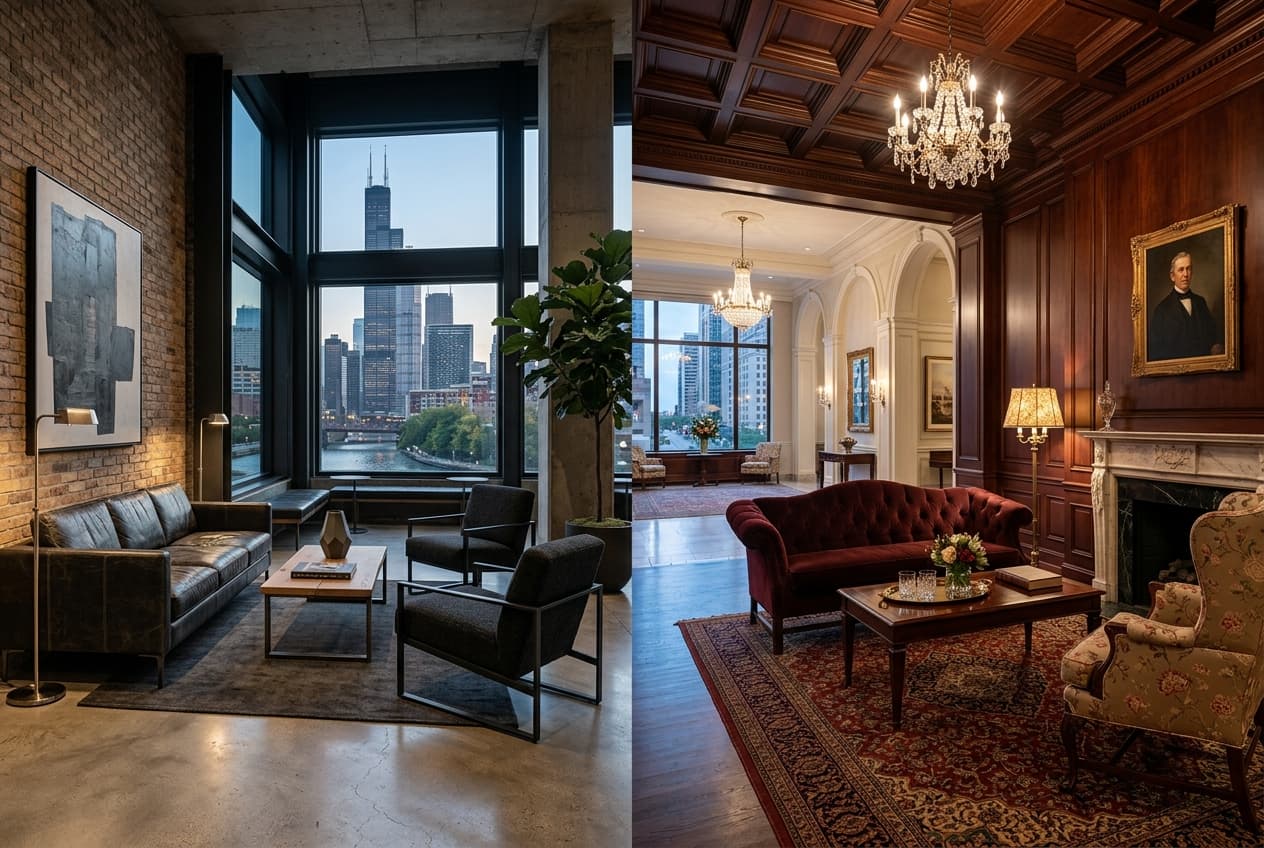
Contract-grade lobby seating uses frame constructions rated for continuous public use, upholstery fabrics with high Martindale rub counts suited to heavy daily contact, and finishes that hold up to the more aggressive cleaning protocols a public space requires compared to a guestroom. On a Marshall home-game weekend, a Huntington hotel lobby might see traffic levels several times its ordinary daily volume, and furniture specified for average use rather than peak use is the furniture that looks worn out within a year.
Designing Lobby Furniture for Huntington's Guest Mix
A hotel serving campus visitors, medical travel guests, and business travelers at the same time needs a lobby that reads as welcoming to all three without feeling like it is trying too hard to be everything. That usually means a core of durable, comfortable lounge seating in a neutral but not sterile palette, supplemented by smaller functional zones, a business-friendly seating area with better lighting and surface access for a traveler working between meetings, and a more relaxed grouping suited to families waiting between check-in and a game-day shuttle.
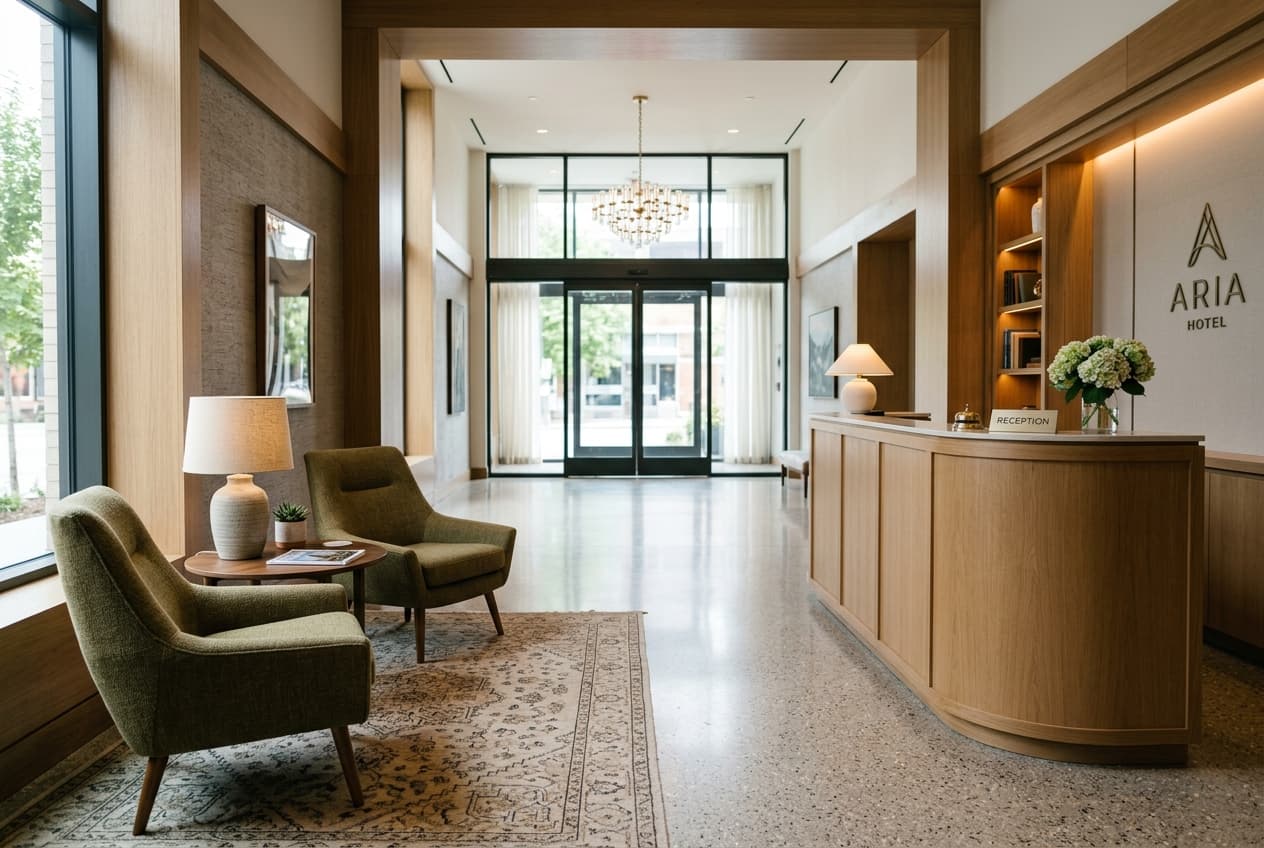
Ottomans and modular seating pieces give a Huntington hotel lobby the flexibility to reconfigure quickly around an unusual event, a small reception, an overflow check-in line during a busy weekend, without requiring a full furniture swap. That flexibility is worth prioritizing in the initial spec rather than treating it as a nice-to-have, since a lobby that can only serve one configuration well is going to feel wrong on the property's busiest days, which are exactly the days that matter most.
Working with a supplier who gives clear lead time commitments, understands hospitality projects at your property's scale, and can support a COM program when your design team has a specific material story in mind is worth more than chasing the lowest unit price from a vendor treating a hotel lobby order like a retail transaction. In a market where Huntington hotels are competing for the same limited pool of campus, medical, and tri-state business travelers, lobby furniture that confirms a guest's booking decision instead of introducing doubt is a revenue variable as much as a design one.