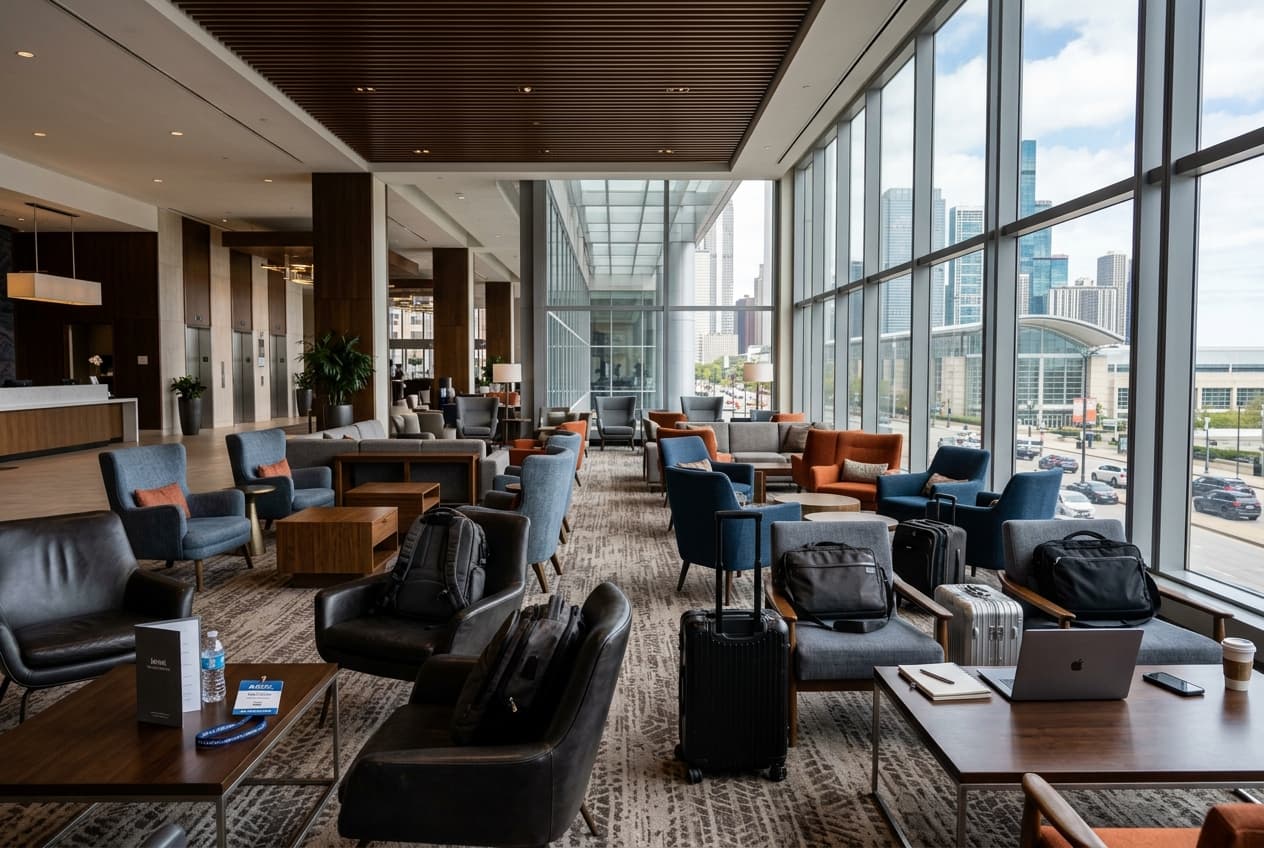
A lobbyist walks out of a committee hearing at the Capitol, drives fifteen minutes down Kanawha Boulevard, and checks into a hotel a few blocks from the Charleston Coliseum and Convention Center. It is legislative session, the calendar is packed with hearings and receptions, and by the time this guest reaches your lobby they have already spent the day in rooms full of formal furniture that was chosen for institutional durability, not for comfort. What they notice first in your lobby is not the front desk. It is whether the seating looks like it can hold up to a week of use and still feel like somewhere worth sitting down.
That distinction matters in Charleston's hotel market more than it might in a larger metro. This is a compact, relationship-driven market: state government traffic during session, a steady convention and meetings calendar at the Coliseum and Convention Center downtown, university and hospital-related travel tied to the Kanawha Valley's institutions, and a growing number of leisure visitors exploring the Capitol complex, the Clay Center for the Arts and Sciences, and the riverfront along the Kanawha. Your lobby furniture is one of the few physical signals a guest gets before check-in, and in a market this size, word about a tired lobby travels fast among the repeat business travelers who make up a large share of occupancy.
Charleston's Market Segments Demand Different Things From the Same Room
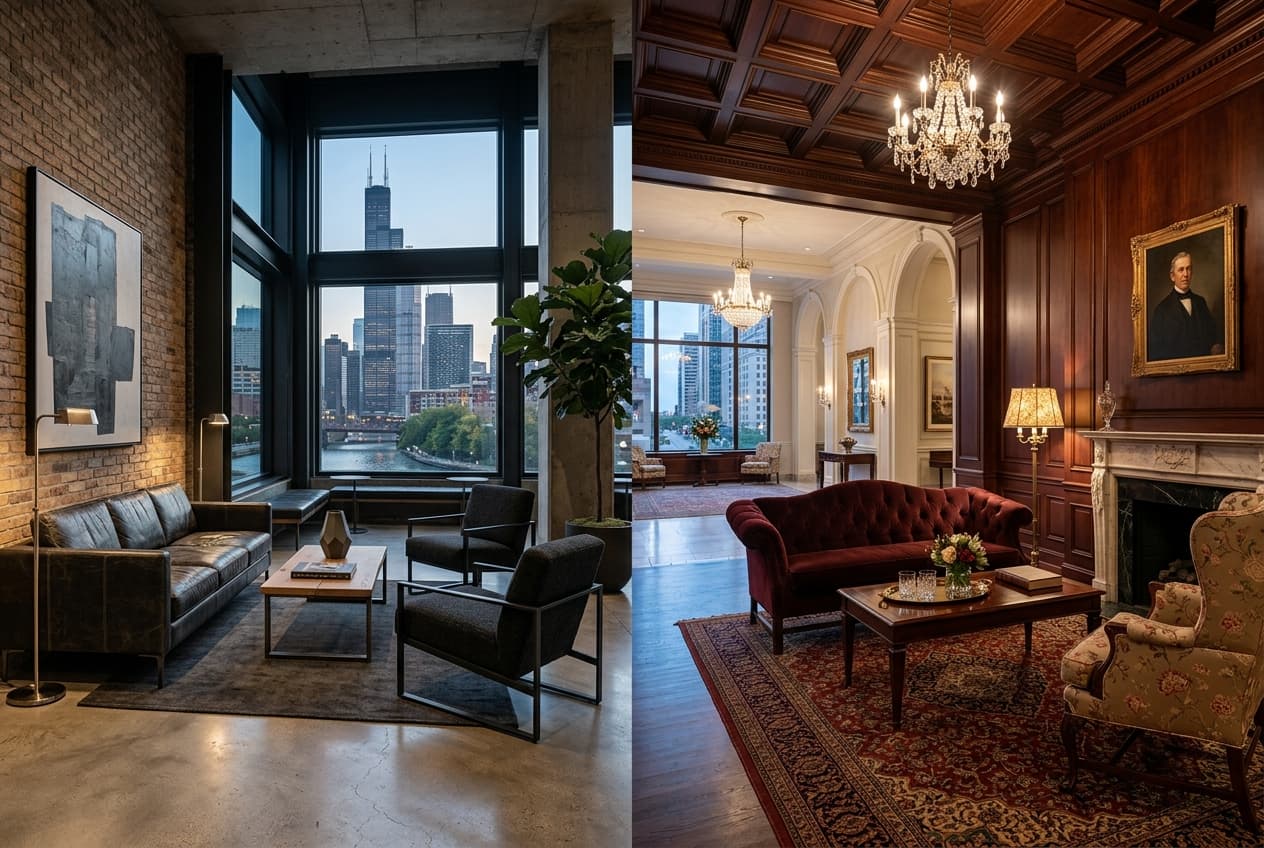
Charleston's hospitality market is smaller than a major convention city, but it is genuinely segmented, and that segmentation should drive furniture specification rather than a one-size approach. The properties clustered downtown near the Convention Center and the Capitol complex face a different use pattern than the boutique and business-focused hotels serving the South Hills and Kanawha City corridors, and both are different again from the highway-adjacent properties near the interstate interchanges that pick up transient and regional travel.
Downtown and Convention Center-adjacent properties manage lobby traffic in concentrated bursts tied to the legislative calendar and to the meetings, association conferences, and civic events that route through the Coliseum and Convention Center. A hotel near that facility can see its entire guest count move through the lobby in a tight window before a morning session or an evening reception, and that kind of concentrated, repeated use is exactly what separates contract-grade furniture from residential-style pieces bought to fill a room. Kiln-dried hardwood or steel frames, high-resilience foam built for commercial cycling, and performance textiles rated well above standard retail double-rub counts are not upgrades in this segment. They are what keeps a lobby looking presentable through an entire legislative session rather than showing wear by the second month.
The boutique and independent properties downtown and around the Elk River and Kanawha Boulevard corridor are working a different brief. A traveler choosing a smaller, design-forward property in Charleston has usually done so deliberately, often because the alternative is a predictable chain box near the interstate. The furniture in that lobby is part of the argument for why the property is worth the choice, and pieces that read as generic contract stock undermine that argument even when the construction quality is identical to what a convention hotel needs. Here the durability floor stays the same, but the design judgment, scale, silhouette, and material choice matters as much as the specification sheet.
What the Kanawha Valley's Climate Actually Does to Lobby Furniture
West Virginia's climate is a real durability variable, and it works on lobby furniture differently across the year rather than in one predictable season. Charleston sits in a river valley that runs humid through the summer, with the kind of heavy, sticky air that follows guests in from parking lots and the riverfront, and it runs damp and gray for long stretches of fall and winter, with rain, occasional snow, and the general moisture load that comes with a valley climate hemmed in by hills. Guests are tracking moisture into the lobby nearly year-round, just through different mechanisms depending on the month.
Upholstery that is not treated for moisture and stain resistance shows it first in the seat cushion and on chair arms, the two contact points that take the most direct hit from wet clothing, dripped umbrellas, and condensation from drink cups. A fabric that looks fine on a sample card can degrade fast under that kind of repeated exposure if it was not specified with a commercial performance rating in mind. Frame construction carries the same risk from a different direction. Particleboard components absorb ambient humidity over the valley's damp months and swell, which loosens joinery over time. Solid hardwood and steel frames with reinforced corner blocking and mechanically fastened joints that can be retightened hold up to that cycle, and to the repositioning that happens whenever a hotel clears its lobby for a private reception tied to a session-week event or a Convention Center overflow.
Designing for the Arrival Experience in Charleston's Key Corridors
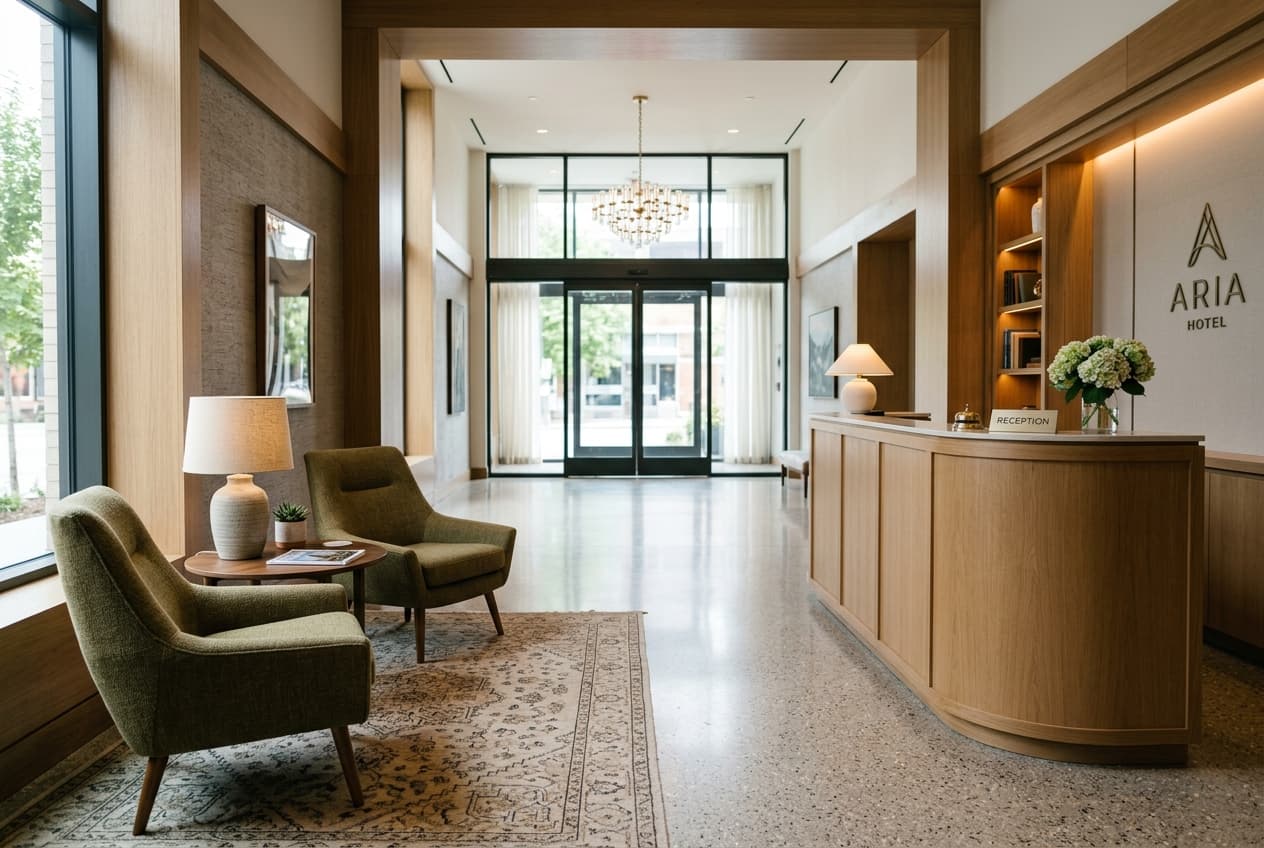
Guests process a lobby in sequence, whether a designer planned that sequence or not: the main seating cluster first, then the desk, then the path toward elevators. For properties downtown near the Capitol and the Convention Center, that sequence is often moving people who are tired from a full day of formal meetings and want a room that reads as calm and competent rather than showy. A well-scaled lounge chair in a durable, textured neutral, paired with a side table that reads as solid rather than disposable, communicates the same thing a quiet, efficient check-in does: this property is run with attention.
Properties along Kanawha Boulevard and in the boutique cluster downtown, where the guest is often choosing the hotel specifically for its character, need furniture that supports a more curated story. Low-profile lounge seating, warmer material choices, and side tables that reference wood or stone rather than laminate read as intentional in a way that standard chain-package furniture does not, and that distinction is legible to guests even when they cannot name why one lobby feels considered and another feels generic. For properties nearer the interstate corridor picking up regional and overnight transient traffic, the priority shifts toward efficient movement: seating that does not create a bottleneck between the entrance and the desk, and pieces that are easy to exit cleanly with a rolling bag in hand.
Procurement Timing for Charleston Renovations and Openings
Charleston's hotel stock is a mix of long-standing properties working through common-area renovations and a smaller number of newer or converted properties entering the downtown and Convention Center-adjacent market. Either path runs into the same procurement math. Contract-grade lobby furniture is built to order, and standard commercial pieces typically run eight to twelve weeks from confirmed specification to delivery. Custom or semi-custom work, including COM fabric programs, frame modifications, or non-catalog finishes, adds real time on top of that baseline.
Projects tied to a fixed date, whether that is a legislative session opening, a booked convention block at the Coliseum and Convention Center, or a fall tourism push around the Capitol and riverfront attractions, need those lead times built into the schedule from the start, not treated as a detail to solve once construction wraps. A property that opens with placeholder seating and replaces it within the first year absorbs that cost twice, once in the original purchase and again in the replacement, on top of the guest experience and review impact of an underbuilt lobby in the meantime. Working with a supplier who understands hospitality-scale lead times and offers COM programs for properties with a specific material story to tell is worth more than a marginally lower unit price from a vendor treating the order like a retail transaction.