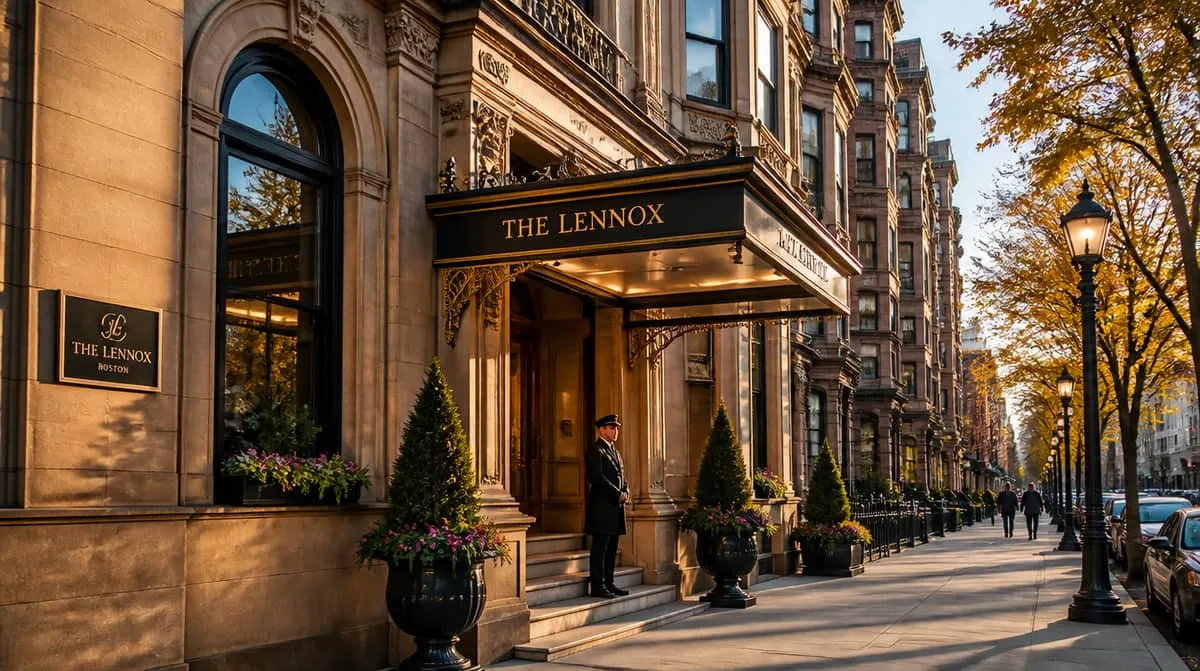
You have a renovation window, a hard open date before the fall academic conference season hits, and a furniture quote with a sixteen-week lead time. That is the Boston problem in three sentences. The BCEC in the Seaport draws the largest convention crowds in New England, and when a major biotech or medical conference lands as they do repeatedly throughout the year thanks to Kendall Square's concentration of Moderna, Biogen, and Mass General affiliates Back Bay, Downtown, and Seaport hotels go to capacity simultaneously. A supplier who misses your lead time conversation does not just cost you money. It costs you the entire window.
Boston's Hospitality Market and What It Demands From Suppliers
The demand dynamics driving Boston's hotel market are unlike most American cities. Academic conference cycles at Harvard and MIT create a predictable two-peak annual pattern: September move-in and spring graduation push occupancy to near-capacity across Cambridge, Kendall Square, and Back Bay. Layer BCEC convention traffic on top of that operating year-round in the Seaport Innovation District and you have a market where properties rarely catch a quiet month. Back Bay hotels along Copley Square compete directly with Seaport new-build properties for the same high-spend corporate traveler, while Beacon Hill boutiques and Cambridge properties serve the university and pharmaceutical research corridor.
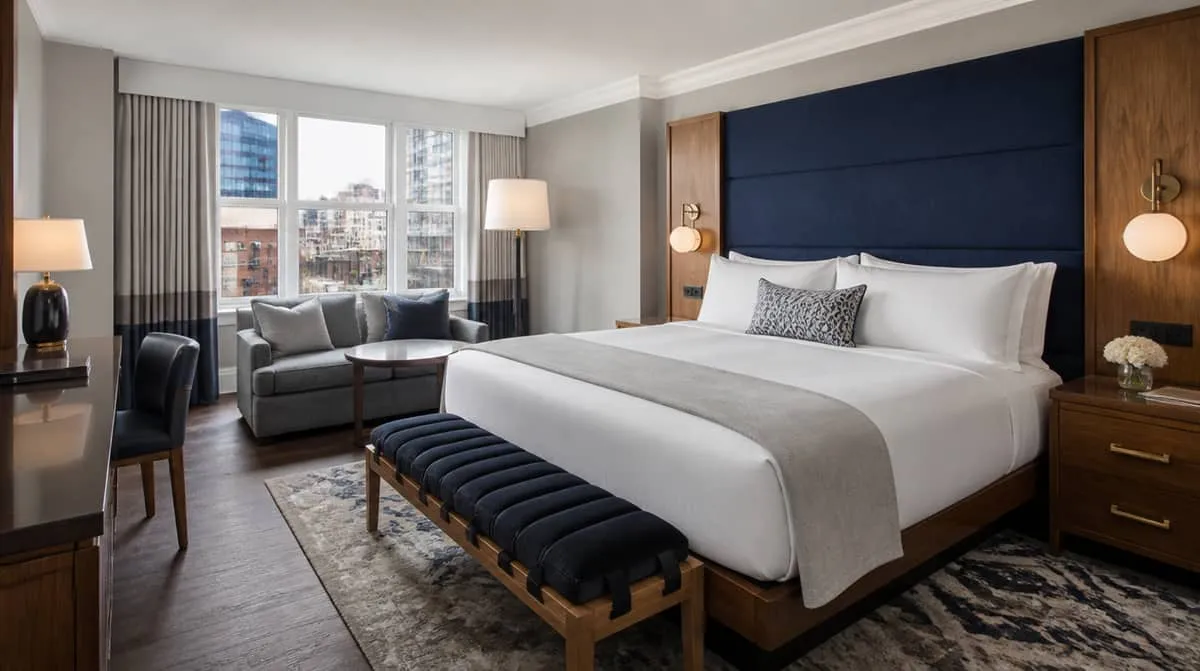
That volume has real consequences for furniture durability. A hotel lounge chair in a 180-key Back Bay property will absorb use from hundreds of different guests across its service life business travelers hauling biotech conference bags, academic visitors with laptop setups, leisure guests in from Logan on a fall weekend. Retail furniture does not survive that kind of cycling. Contract-grade pieces built to ANSI/BIFMA standards and ASTM testing protocols are the baseline, not the premium option, for any property serious about holding up through Boston's compressed, high-occupancy calendar.
New England Contemporary: What the Aesthetic Demands
Boston's design identity for hospitality is specific enough that generic furniture programs read as out of place almost immediately. The New England contemporary aesthetic that defines the best properties here warm wood tones referencing craftsman tradition, navy and cream palettes, dark wood accents with leather in cognac and navy is not just a visual preference. It is a market signal. Guests choosing a Back Bay boutique over a Seaport tower expect rooms that feel rooted in the city's architectural character: Federal-style proportions, quality materials, honest construction.
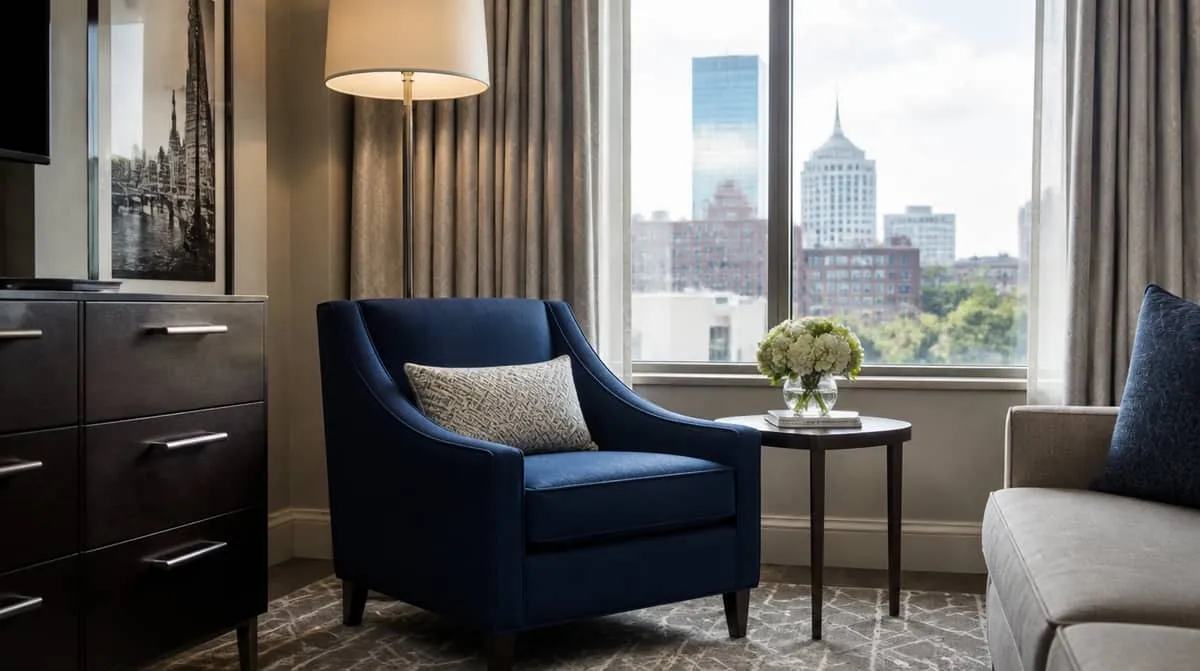
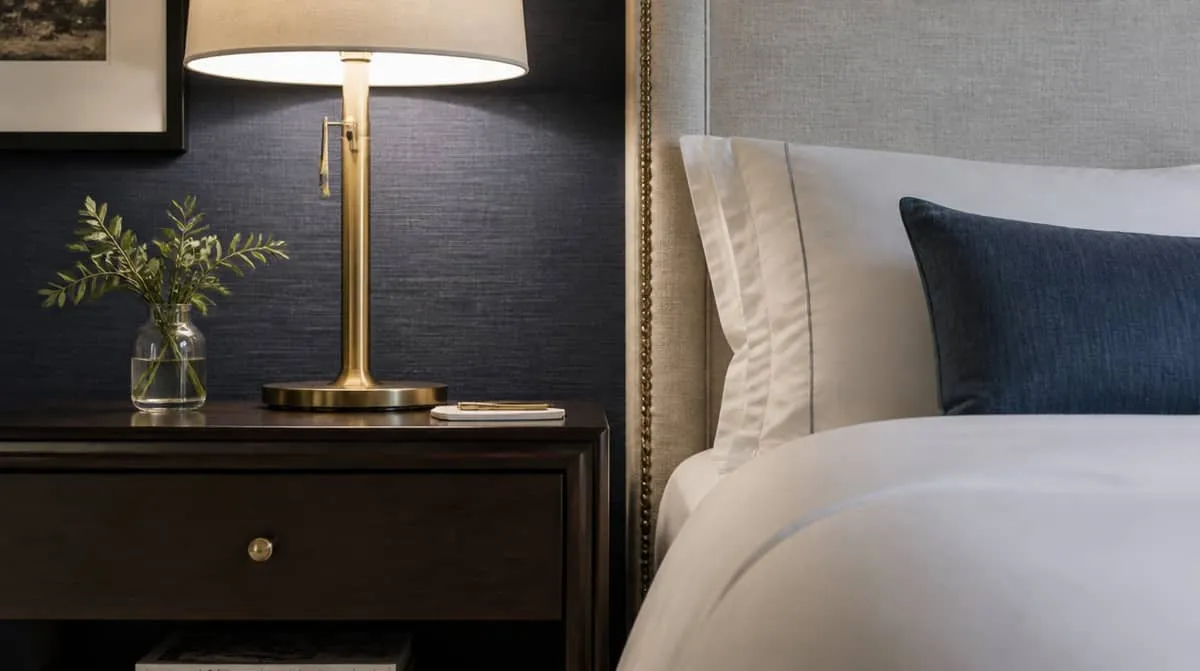
For guestroom casegoods, that translates into dark walnut or espresso finishes over lighter Scandinavian-influenced tones. For seating, it means hotel headboards with traditional profiles softened by clean-lined execution, and upholstery that pulls from navy, cognac, and warm cream rather than the greige palettes that read as airport-hotel generic. Leather or high-grade vinyl in cognac adds warmth to a guestroom that might otherwise feel cold against Boston's gray winter light. A Beacon Hill property converting brownstone floors into boutique rooms needs furniture that honors the building's Federal bones not case goods that look imported from a Las Vegas spec sheet.
Lead Times and Delivery in a Historic Building Market
Boston's building stock creates logistical realities that out-of-market suppliers underestimate. Historic brownstones and Federal-style buildings throughout Back Bay, Beacon Hill, and Cambridge often have narrow corridors, tight stairwells, and elevator dimensions that preclude the standard freight access a newer Seaport tower might offer. A supplier with no experience delivering into renovated historic properties will surface those constraints after your purchase order is signed which is the worst possible time to discover them.
For hotel renovation furniture Boston projects, engage your supplier twelve to sixteen weeks ahead of your installation date for any custom upholstery or casegoods. Factor in that phased delivery is often mandatory for properties staying partially operational during a renovation. A Back Bay property cannot vacant all 120 rooms simultaneously floors have to be done in rotation, which means your supplier needs to sequence deliveries against your operational calendar, not just palletize everything and ship it at once. Suppliers who have worked in Boston's historic building environment understand this. Those who have not will promise a single delivery and leave your operations team improvising.
Planning hotel furniture for your Boston project? Share your specs and quantities and we will build pricing around your actual program. Request a quote to get numbers for your space.
Related reading
- Commercial hotel furniture: a sourcing guide for every space
- Boutique hotel furniture: specifying a distinctive, durable look
- What is contract furniture
- Hotel furniture supplier guide
- Hospitality furniture supplier guide
- Hotel lounge chairs
- Hotel headboards
- Browse full catalog
- Commercial furniture in Massachusetts