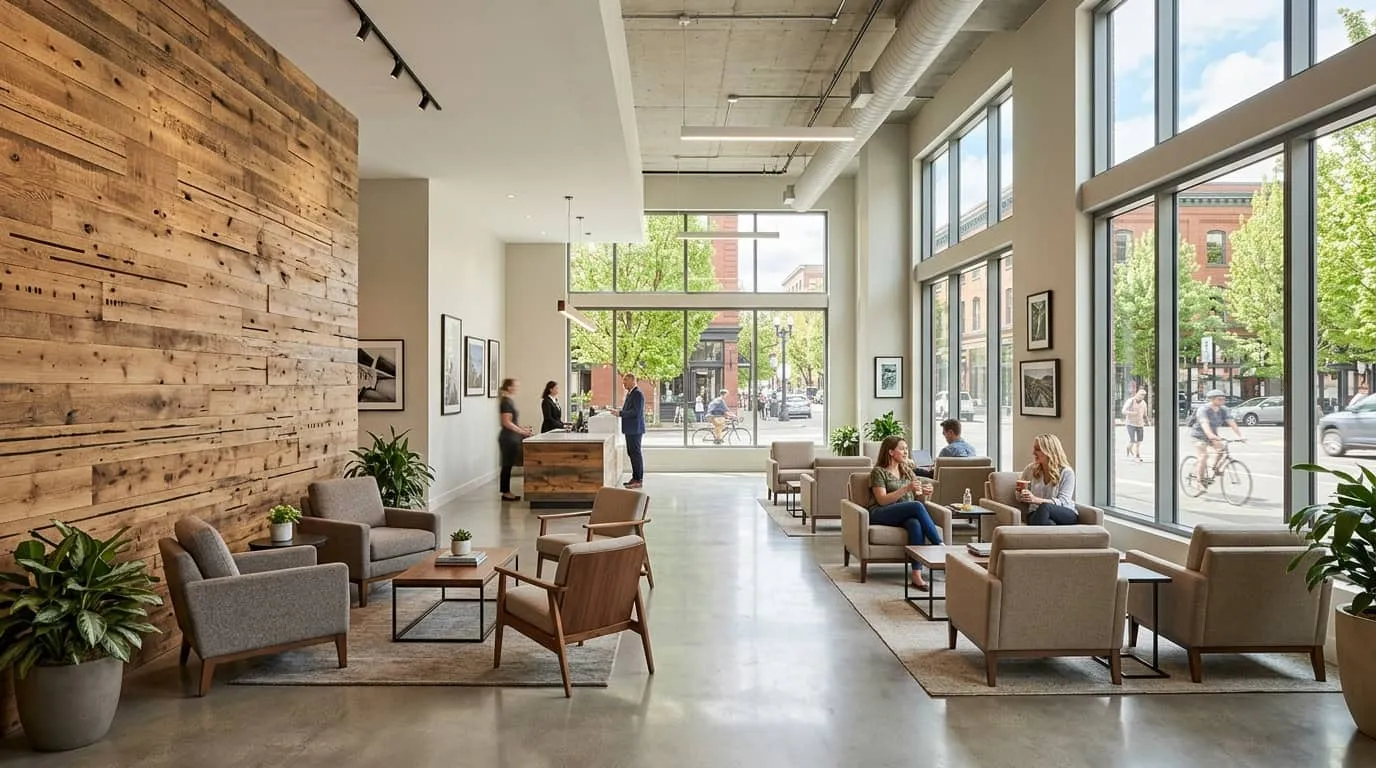
What FF&E Procurement Means for Portland Hospitality Projects
FF&E furniture, fixtures, and equipment represents one of the largest line items in any hospitality development or renovation budget. For a mid-scale Portland hotel, FF&E can account for 20 to 30 percent of total project cost. For a boutique property in the Pearl District where design specificity drives the investment thesis, the percentage runs higher. Getting FF&E procurement right isn't just an operational task it's a financial management discipline with direct impact on project viability and return on investment.
Portland's hospitality market has several characteristics that shape FF&E procurement strategy. The boutique segment's design expectations require procurement processes that can execute on specific aesthetic intent, not just deliver product from a catalog. The convention segment's volume and durability requirements demand suppliers who can perform at scale with consistent quality. The Pacific Northwest's logistics environment strong freight infrastructure but real distance from major manufacturing centers creates lead time realities that need to be factored into project planning from the earliest stages.
Operators who approach FF&E procurement as a late-stage project task something to handle after design is finalized and construction is underway consistently run into timeline compression and budget overruns. The operators who run Oregon Convention Center-adjacent hotel projects and Pearl District boutique renovations most efficiently engage their FF&E procurement process in parallel with design development, not after it completes.
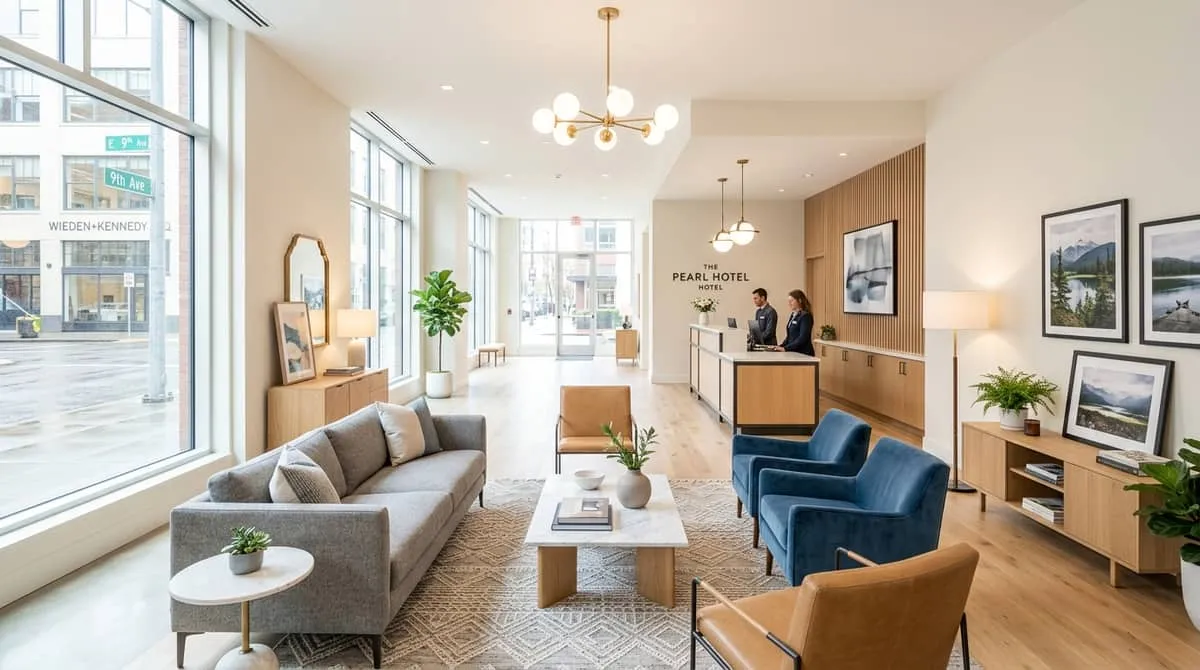
Building the FF&E Specification
An FF&E specification is a procurement document, not just a design document. It needs to be specific enough that multiple suppliers can bid on it accurately and that the selected supplier can execute on it without ongoing interpretation.
A complete FF&E specification for a Portland hotel project covers product categories, construction and performance standards, finish and material specifications, quantities by room type, and dimensional requirements by location. Vague specifications "lounge chair, upholstered, walnut frame" without construction standards, fabric specs, or performance requirements produce quotes that vary by 40 percent between suppliers without any of that variation reflecting real product quality differences. You can't evaluate those quotes intelligently.
Performance standards in the FF&E specification should reference industry testing protocols where available. ANSI/BIFMA standards for commercial seating, ASTM standards for surface hardness and finish durability, and HHMA standards for case furniture give you a common language with suppliers and a verification mechanism when you're evaluating samples and prototypes. Suppliers who push back on providing performance test data for products in a commercial hospitality specification are telling you something important about their product.
For Portland boutique hotel projects with design-specific briefs, the FF&E specification benefits from close collaboration between the design team and the procurement team. Design decisions that can't be executed at contract grade within the project budget need to be surfaced and resolved during specification development, not after furniture is ordered.
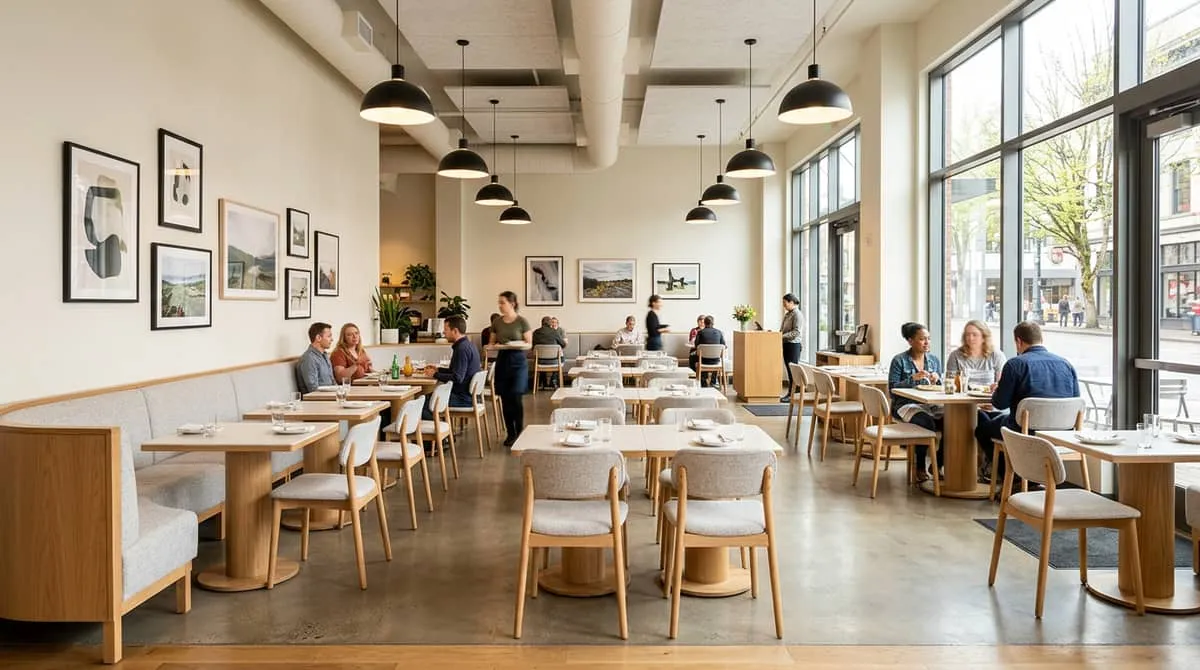
Supplier Selection and the Bid Process
FF&E supplier selection for Portland hospitality projects should involve a structured bid process, not a single-source procurement decision made on relationship or catalog preference alone. Even when you have a preferred supplier relationship, a competitive bid process validates pricing, surfaces alternatives you may not have considered, and gives you market data for budget discussions with ownership.
The bid package should include your FF&E specification, project timeline requirements, delivery and installation logistics, warranty expectations, and reference requirements. Ask specifically for references from comparable Portland or Pacific Northwest hospitality projects hotel properties within a comparable tier and market segment. A supplier who can't provide those references has not demonstrated the regional experience that matters in this market.
Evaluate bids on total cost of ownership, not unit price. A lower unit price with shorter warranty coverage, higher freight costs, longer lead times, or weaker replacement part commitments may be a more expensive option over the full project lifecycle. Build a comparison framework that captures all of these dimensions before making a selection recommendation.
For large FF&E packages, consider splitting procurement across two or three suppliers by product category rather than single-sourcing the full package. Casegoods, seating, and soft goods have different manufacturing sources and different supplier strengths. Single-source procurement simplifies project management but concentrates risk; split-category procurement adds coordination complexity but reduces the impact of any single supplier performance problem.
Portland's proximity to Pacific Northwest manufacturing, Southern California distribution, and Pacific port infrastructure gives operators access to a broad supplier base. Use that geographic range when building your bidder list the locally-familiar regional supplier and the national supplier with strong Pacific Coast logistics aren't mutually exclusive options.
Budget Management and Value Engineering
FF&E budgets in Portland hospitality projects face pressure from two directions: ownership groups pushing for cost reduction and design teams protecting the aesthetic intent that justifies the investment. The procurement function navigates between those pressures, and doing it well requires knowing where value engineering can reduce cost without compromising the guest experience and where cost reduction undermines the project's competitive positioning.
Value engineering in FF&E typically works best in the following areas: reducing custom specifications in favor of in-stock contract alternatives that meet the same performance standard at lower cost; shifting from premium to standard tier in product categories that are low-visibility from the guest perspective (back-of-house storage, service areas, accessible rooms that see lower occupancy); and adjusting quantities in amenity categories (lounge chairs per room, accent furniture in corridors) without reducing the primary guestroom furniture specification.
Value engineering typically creates more risk than cost savings in: guestroom casegoods finish and construction quality in a design-forward boutique property; seating durability in high-traffic lobby and food-and-beverage spaces; and outdoor furniture material quality in Portland's Pacific Northwest climate. Compromising in these areas creates guest-visible quality problems that show up in reviews and occupancy data before the procurement savings are recovered.
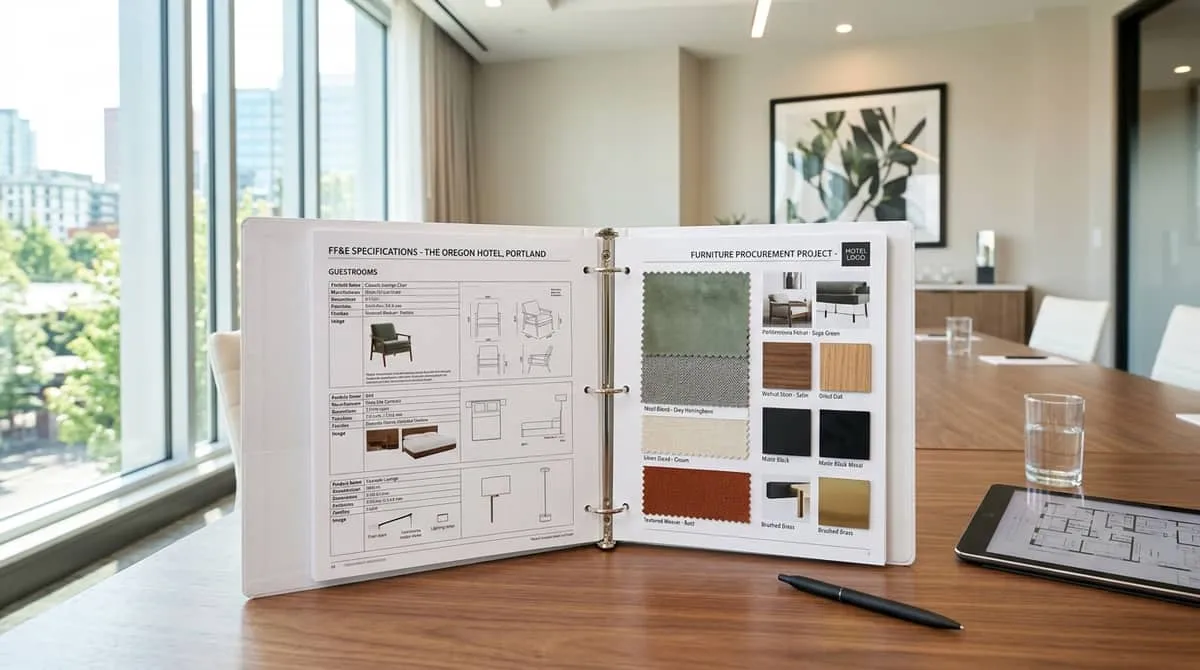
For Portland boutique properties specifically, the investment case for design-forward furniture often rests on differentiation from national branded competitors. Value engineering that narrows that differentiation gap undermines the investment thesis, not just the design brief.
Installation Coordination and Project Closeout
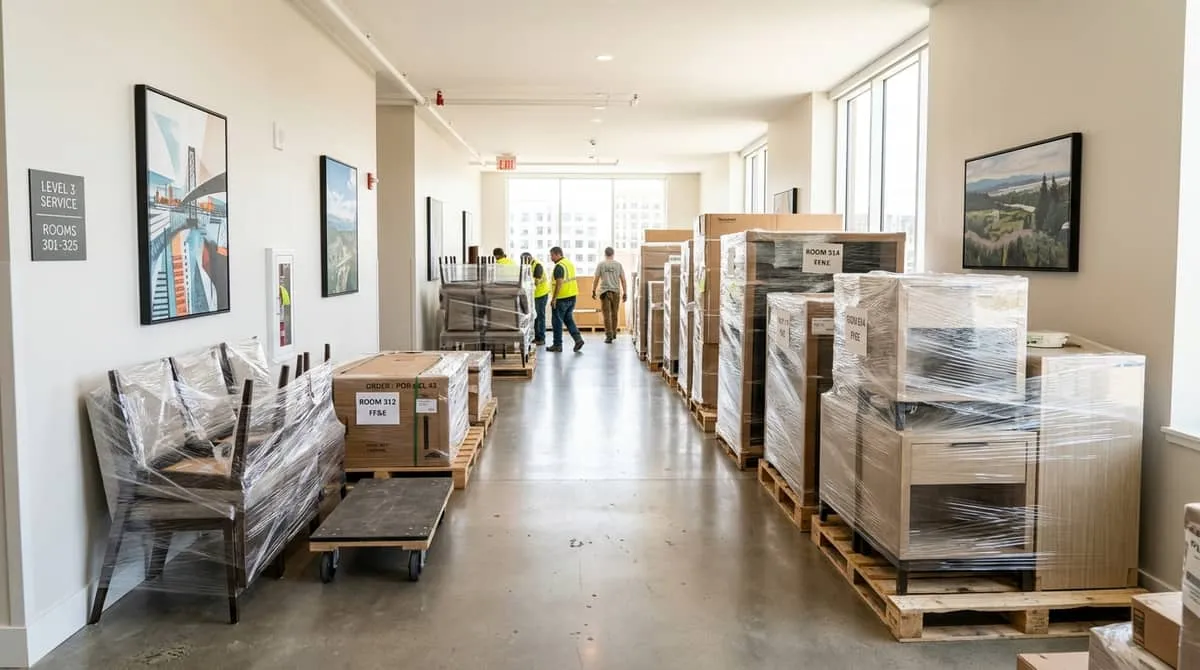
FF&E installation in Portland hospitality projects requires coordination with construction, design, and operations teams that is more complex than the procurement process itself. Furniture arrives before rooms are complete and has to be staged. Staging areas in Portland's urban hotel sites particularly in the Pearl District and along the Willamette River where site access is constrained need to be planned in advance, not improvised on delivery day.
Establish a clear installation sequence that maps furniture categories to room completion stages. Case goods and fixed millwork typically install first, before soft goods and loose furniture. Beds install after headboards are mounted. Outdoor furniture and lobby pieces install last to protect from construction traffic damage.
Conduct a pre-installation inspection of every room before furniture installation begins. Walls should be painted, floors finished, and mechanical work complete. Furniture installed over unfinished construction creates damage claims and liability questions that are difficult to resolve after the fact.
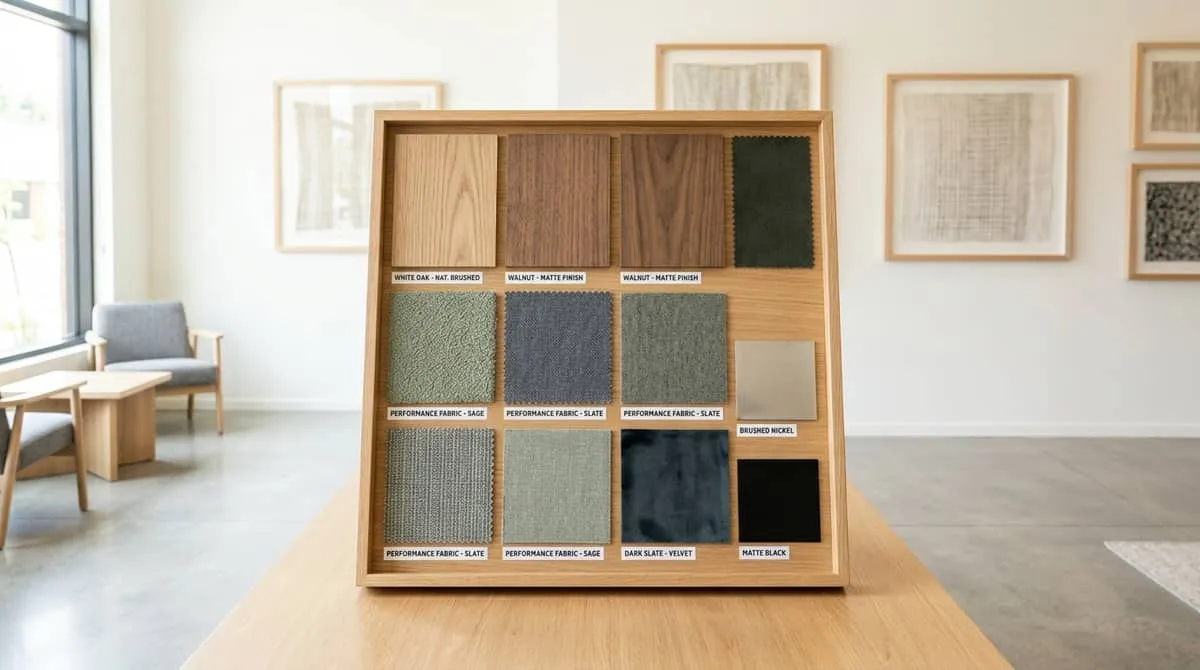
Project closeout for the FF&E package includes documentation: delivery receipts, final quantity verification against the purchase order, warranty registration for applicable products, and care and maintenance instructions organized for the housekeeping and facilities teams. This documentation becomes operationally important when you're sourcing replacement parts or making warranty claims two years after installation. Build it during the project, when the information is current and accessible.
We quote FF&E for Portland operators against their own layouts and order sizes rather than a generic sheet. Request a quote and we will put together pricing for your property.