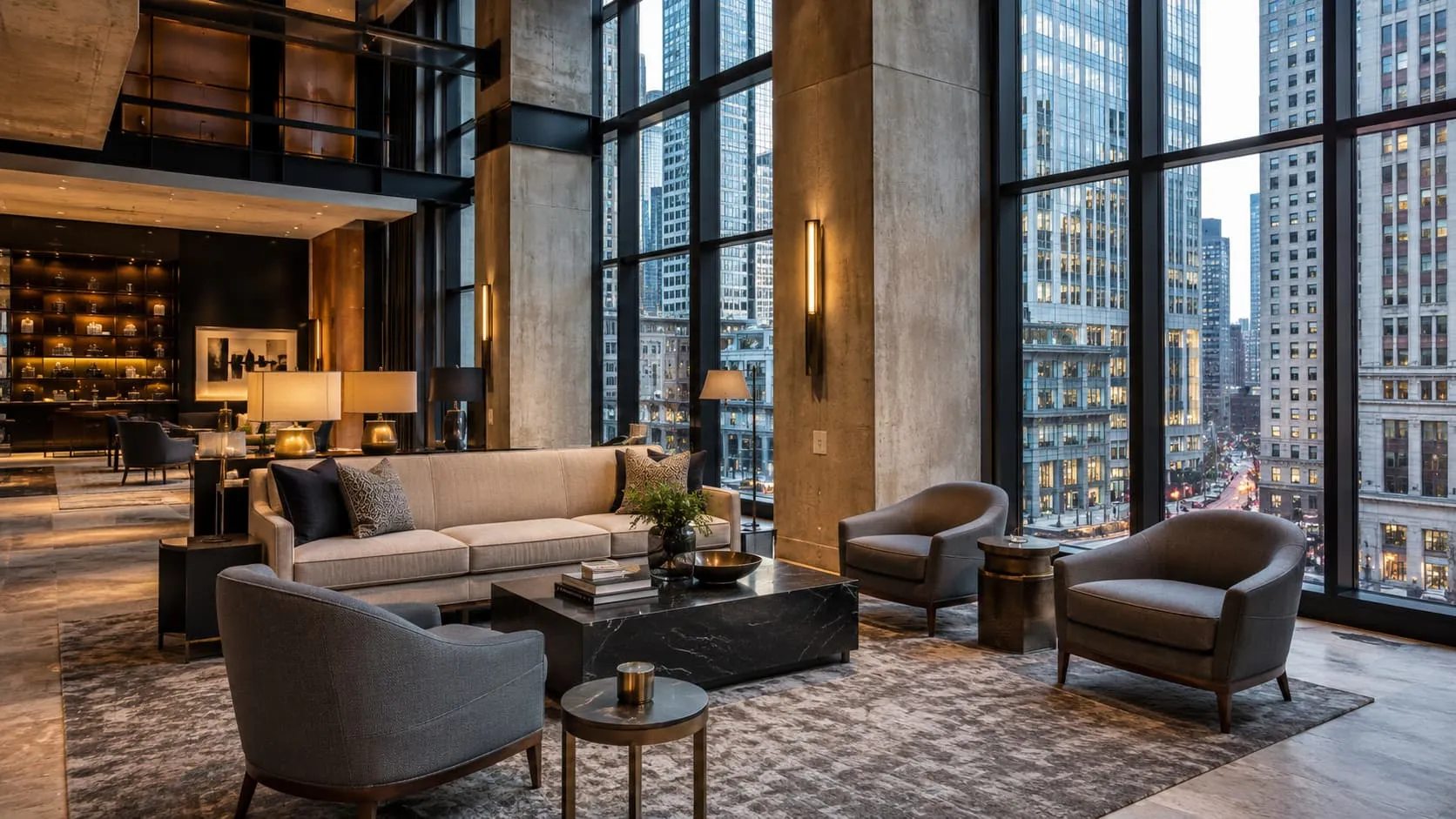
New York opens hundreds of new hotel rooms and restaurant seats every year, and almost none of them get furnished the way an outsider would expect. There are no casual trips to a showroom. No ordering online and waiting for a truck. In a city where a boutique hotel in Williamsburg might occupy three floors above a working brewery, and a rooftop bar in Midtown needs seating that survives both July humidity and January wind, the procurement process has to be deliberate, documented, and built around lead times that routinely stretch six months or longer. Let me walk you through how this actually works because if you are planning a hospitality project in New York, understanding the process before you start will save you money, time, and a serious amount of stress.
What FF&E and OS&E Actually Cover
FF&E stands for furniture, fixtures, and equipment. In a hotel or restaurant context, this means everything not physically attached to the building: guestroom beds, lobby seating, restaurant tables, bar stools, mirrors, lighting fixtures, artwork. OS&E, or operating supplies and equipment, covers the operational layer sitting on top of that linens, glassware, cutlery, cleaning supplies, anything a guest touches during a stay or a meal.
The distinction matters enormously for budgeting and scheduling. FF&E items carry longer lead times and higher capital requirements. A custom banquette for a TriBeCa restaurant might take 14 weeks to fabricate from the moment you sign off on the fabric sample. OS&E items are sourced much closer to opening and replenished on a rolling basis. On larger New York projects, FF&E and OS&E are managed through completely separate procurement tracks different vendors, different approval chains, different timelines. Conflating the two early in your planning process is one of the fastest ways a budget goes sideways.
How FF&E Procurement New York Projects Get Organized
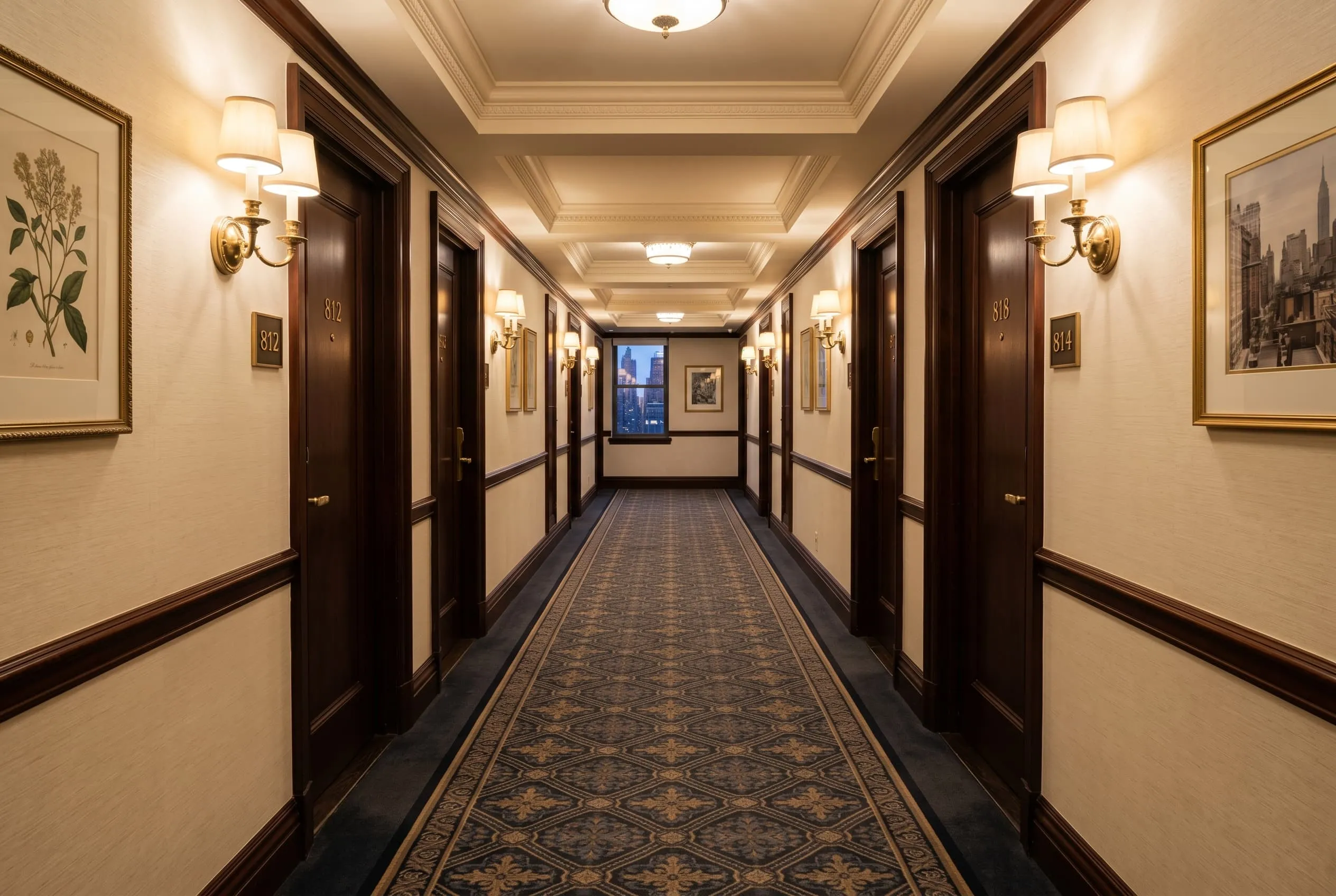
FF&E procurement New York projects typically run with three parties working in close coordination: the interior designer or design firm, the procurement agent or purchasing company, and the hotel or restaurant operator. On smaller boutique projects, one person might wear two of those hats. On a full-scale hotel renovation in Midtown or a flagship restaurant opening in the Meatpacking District, each role belongs to a separate company.
Here is what each party actually does. The designer specifies what the space needs dimensions, finishes, quantities, aesthetic direction. The procurement agent translates those specs into purchase orders, manages vendor relationships, tracks lead times obsessively, and coordinates delivery and installation. The operator signs off on budgets and makes the final call when trade-offs arise, because they always do.
In New York, where real estate costs are among the highest in the world, operators push hard for durable, commercial-grade product. A chair that performs fine in a suburban hotel will not survive two years of constant turnover at a Times Square property. That pressure filters directly into the procurement process: vendors get vetted more carefully, warranties carry more weight, and cost-per-year-of-use replaces sticker price as the number everyone actually cares about.
Procurement Timelines and What Drives Them
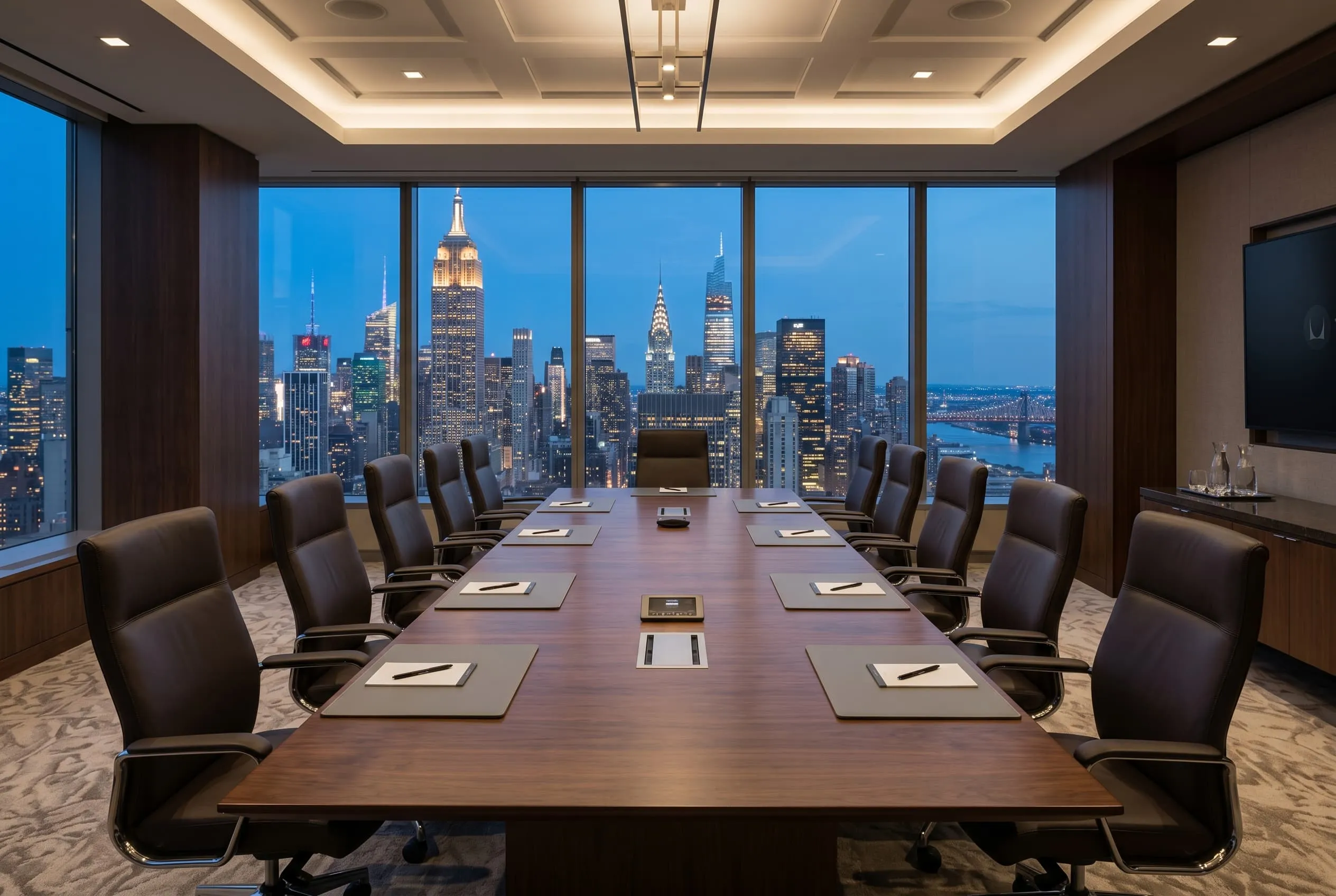
Timing is where FF&E procurement New York projects get genuinely complicated. A typical full-property hotel procurement timeline runs 18 to 24 months from initial design brief to final punch list. Restaurant projects can move faster sometimes 9 to 12 months but custom millwork and upholstered pieces still need 10 to 16 weeks of lead time after final approval, and that clock does not start until you have signed off on every finish and fabric.
What extends timelines specifically in New York: building access restrictions, freight elevator scheduling in older Manhattan buildings, union labor requirements for certain installation work, and the simple reality that most deliveries have to happen inside narrow windows that do not disrupt guests or neighboring tenants. A renovation at a functioning Upper West Side hotel cannot shut down the lobby for a week. Everything gets staged, sequenced, and worked around the operational calendar. That coordination takes time and expertise you cannot improvise.
For restaurants, opening dates are typically locked to licensing approvals, lease commencement, and investor commitments. That pressure means experienced procurement agents in New York run parallel tracks: custom pieces ordered early, in-stock alternatives identified as backups, and clear decision gates built into the schedule so that no single supplier delay cascades into a missed opening. If your procurement partner is not building those contingencies in from week one, that is a problem.
What the Budget Typically Covers
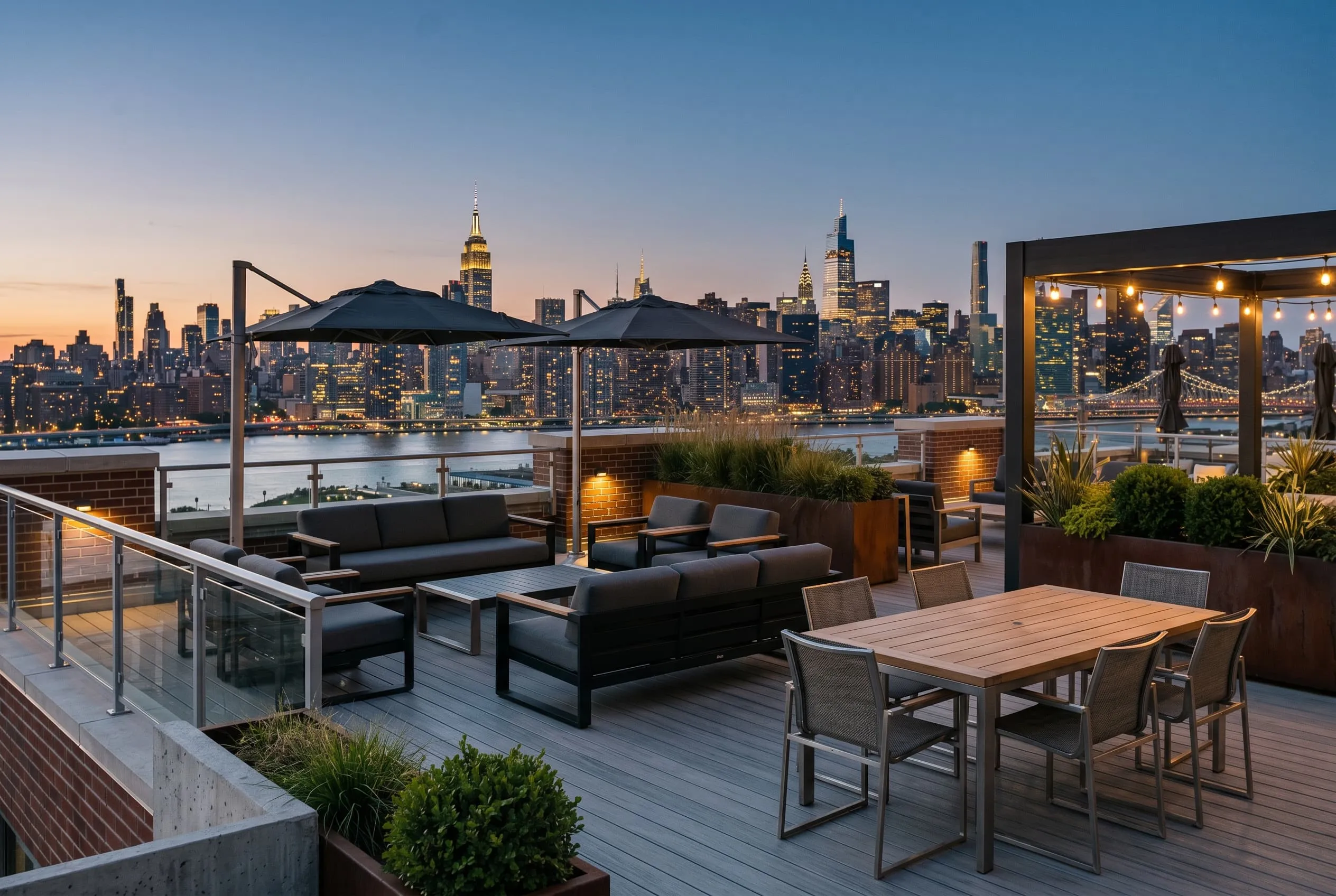
FF&E procurement New York budgets vary significantly by property type. A budget limited-service hotel might allocate $10,000 to $15,000 per key for FF&E. A luxury boutique property in SoHo or the West Village can run $40,000 to $80,000 per key or higher especially if the design program includes custom art installations, bespoke case goods, or the kind of statement lighting that defines a neighborhood hotel's identity.
Restaurant FF&E budgets are typically quoted per seat. A fast-casual concept might run $500 to $1,200 per seat. A white-tablecloth Michelin-level dining room in Manhattan can exceed $5,000 per seat when you factor in custom upholstery, handmade tables, and decorative lighting that requires 20 weeks to fabricate and another two weeks to install correctly.
Here is what these budgets cover: all furniture, fixtures, artwork, mirrors, window treatments, and decorative lighting. Here is what they do not cover: built-in millwork (that lives in the construction budget), kitchen equipment (separate equipment package), and technology AV systems and POS infrastructure run through an entirely different line. Getting clear on those boundaries at the very start of a project is one of the most valuable things a good procurement agent delivers. The confusion about what belongs where costs New York operators real money every year.
If you are sourcing contract furniture for a New York hospitality project, working with a supplier who understands commercial-grade specifications, extended lead times, and the logistics realities of this market is not optional it is what determines whether your opening goes smoothly or becomes a very expensive lesson.
If you are sourcing FF&E for your New York property, the fastest way to real numbers is to tell us what you need. Request a quote with your quantities and timeline.