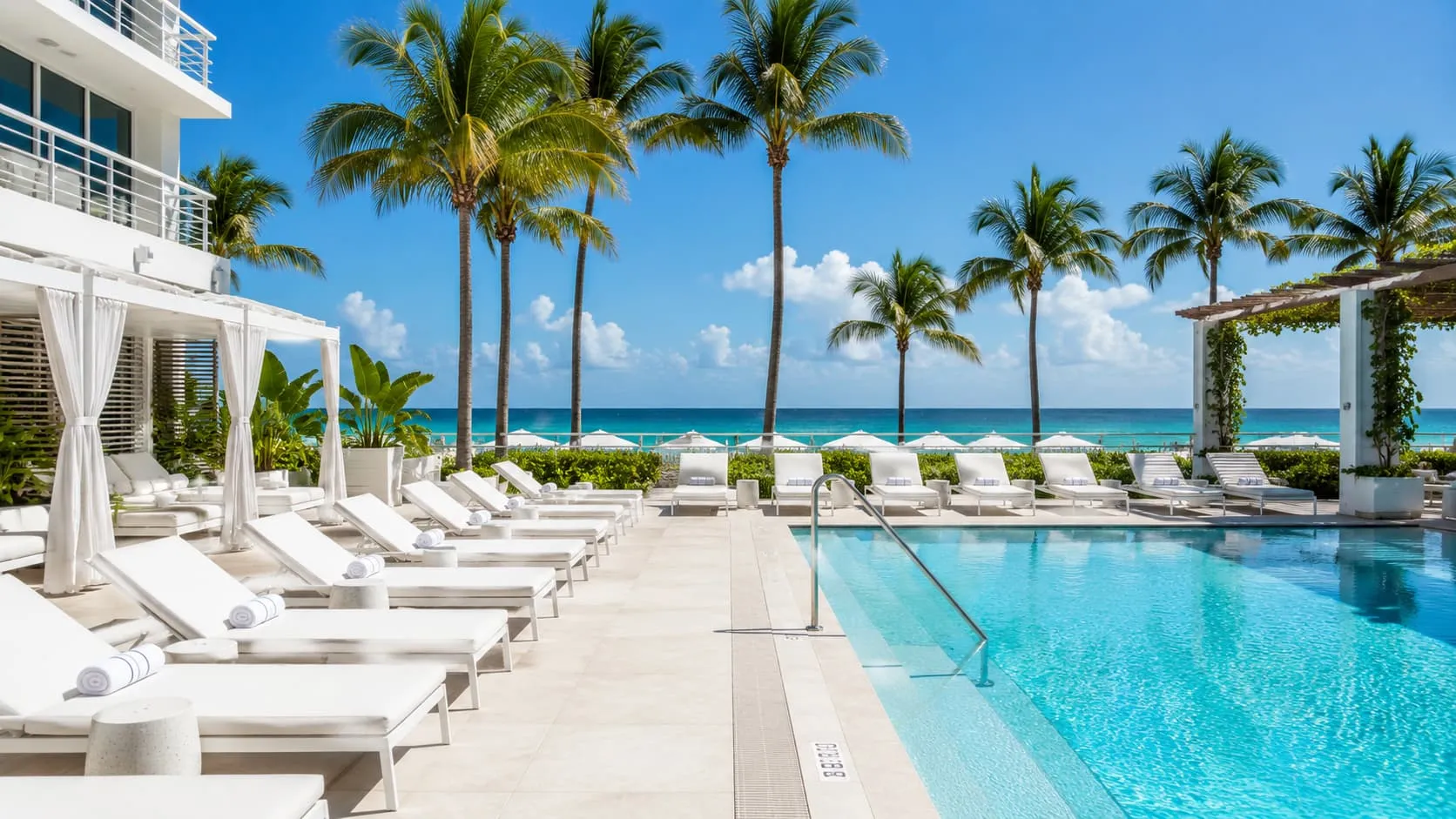
Miami hospitality does not move at a relaxed pace. If you're opening a boutique hotel on Collins Avenue for Art Basel week, your furniture needs to be spec'd, ordered, and sitting in a warehouse well before a single guest walks through the door. That supply chain is longer and more complicated than most first-time owners realize. Whether you're restoring an Art Deco property in South Beach or building out a waterfront restaurant in Wynwood, FF&E procurement in Miami is shaped by the city's climate, design culture, and compressed seasonal windows and if you treat it like a generic purchasing exercise, you will get burned.
What FF&E and OS&E Actually Cover
FF&E is furniture, fixtures, and equipment everything from lobby seating and guest room beds to pool deck lounge chairs and bar stools along a beachfront counter. OS&E, operating supplies and equipment, is the layer underneath: linens, tableware, cleaning supplies, and the dozens of small items that make a room or dining room actually function.
These two categories are budgeted, procured, and managed separately, and for good reason. FF&E procurement typically involves a designer or purchasing agent working directly with contract furniture manufacturers, negotiating lead times, and coordinating delivery with the GC. OS&E procurement happens closer to opening and involves a completely different vendor set. The projects that blur the line between the two or assign ownership of both to the same person without a clear plan are the ones that run over budget and miss opening dates.
How the Procurement Timeline Works
For a mid-size hotel or restaurant in Miami, you need to start FF&E procurement six to nine months before your target opening date. That's a minimum, not a suggestion. Custom upholstered pieces typically run 16 to 20 weeks from order confirmation. Once you factor in freight, delivery coordination with the GC, punch list corrections, and final installation, the math gets tight fast and there's no recovering lost time at the back end of a construction schedule.
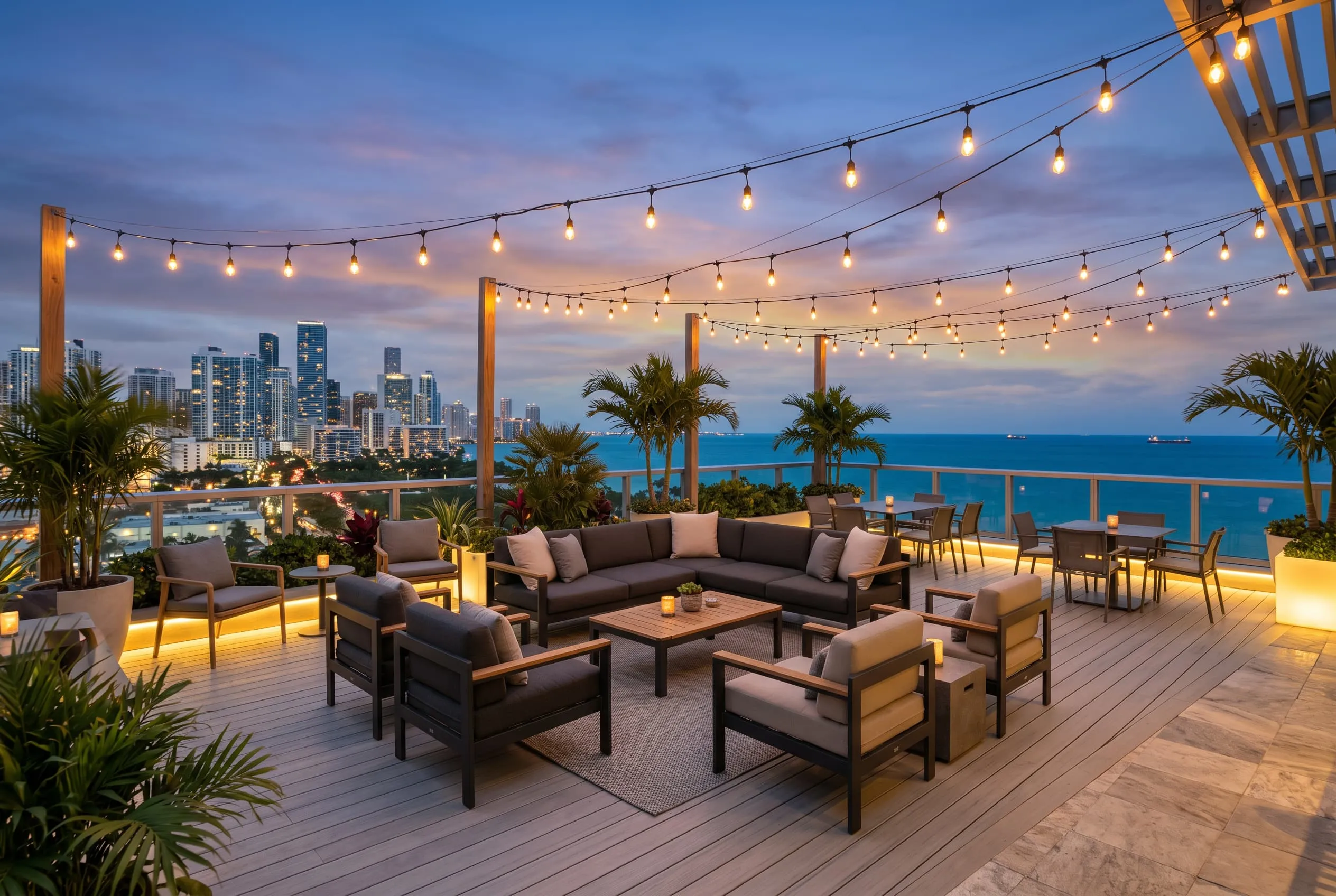
Miami's outdoor hospitality culture adds complexity you won't face in northern markets. Pool deck furniture, outdoor dining chairs, and waterfront lounge pieces need to hold up against UV exposure, salt air, and the kind of daily use that comes with a year-round season. Vendors who can actually spec and supply that category tend to carry longer lead times than indoor-only suppliers. If you're opening a rooftop bar in Brickell or a beachside dining room in Surfside, you need to be in active procurement conversations before your GC has broken ground.
Art Basel creates a pressure point that's unique to this market. Hotels and restaurants targeting a December opening face a compressed procurement window that pushes ordering into summer, when demand from the rest of the market is already high. The experienced FF&E teams in Miami build that seasonal crunch into the schedule from the first planning meeting. If yours doesn't, that's a red flag.
Working With Designers and Purchasing Agents
Most hospitality owners in Miami don't manage FF&E procurement themselves, and they shouldn't. You'll typically work through an interior designer who has purchasing relationships baked into their service, or a dedicated purchasing agent whose sole job is sourcing, negotiating, and managing vendors on your behalf.
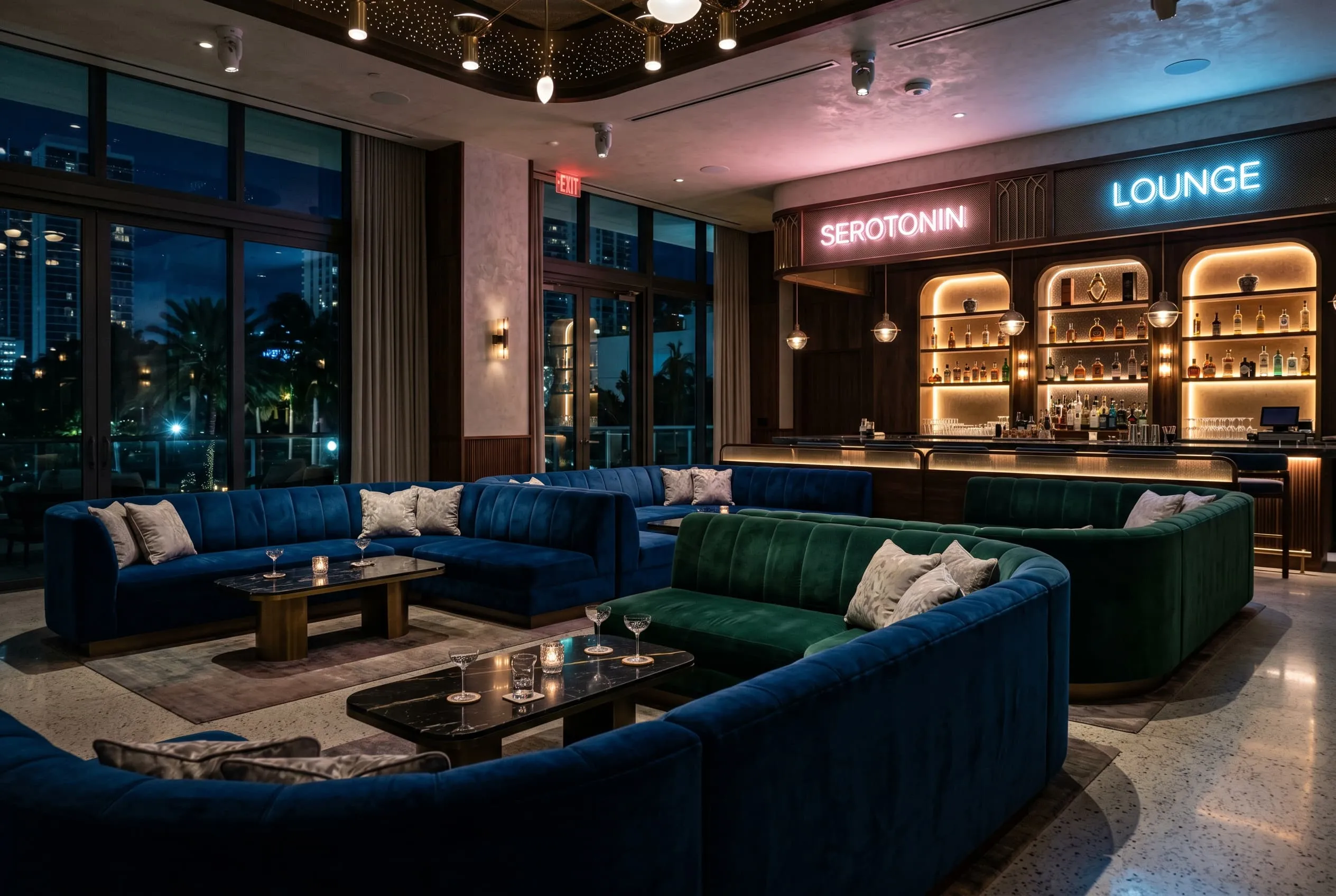
The designer-led model makes sense on smaller projects where the creative vision and the procurement process are inseparable an Art Deco restoration in the Historic District, for example, where the furniture selection has to track closely with preservation standards and a specific aesthetic. The purchasing agent model tends to win out on larger hotel projects where budget control and vendor coordination become the primary challenge and the design direction is already locked before procurement begins.
Either way, understand what you're paying. Purchasing agents typically charge 8 to 15 percent of the total FF&E budget. Designers who handle procurement in-house may charge a similar markup on top of their design fees. On a 100-room hotel, those percentages are real money. Get the fee structure in writing before you start, not after you've already handed over the vendor relationships.
What the Budget Actually Covers
FF&E budgets in Miami hospitality vary by segment, and they vary a lot. A limited-service hotel in the Design District might run $8,000 to $12,000 per key. A luxury South Beach property with custom pieces, imported materials, and Latin-influenced design details can push $25,000 to $50,000 per key or well beyond.
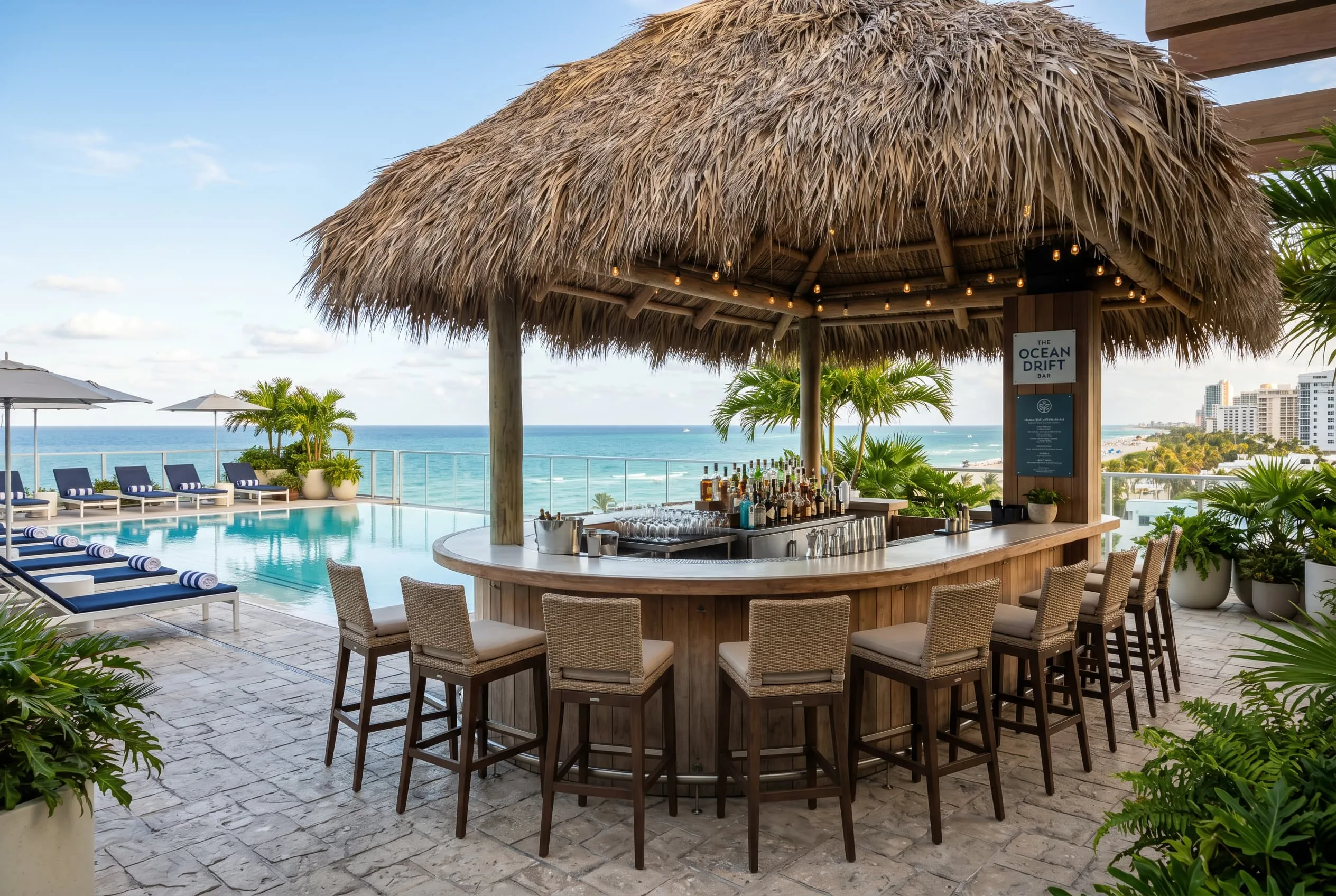
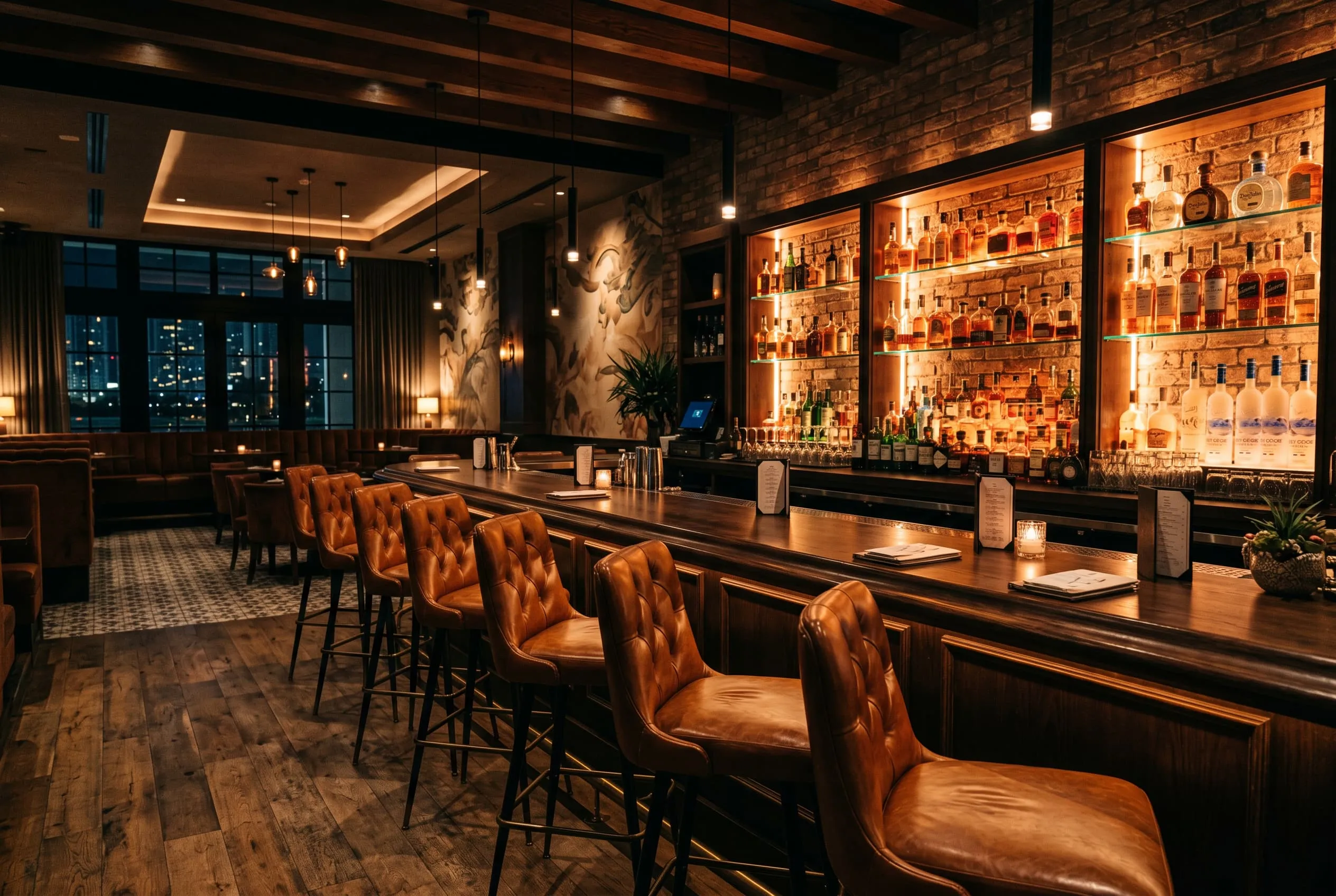
Restaurant budgets work differently usually calculated per square foot or per seat rather than per key. A 100-seat waterfront restaurant in Coconut Grove might have an FF&E budget covering indoor banquette seating, custom bar stools, outdoor dining chairs rated for the waterfront environment, and decorative lighting throughout. That outdoor component is where Miami diverges sharply from other markets: in northern cities it barely registers. Here, covered outdoor and semi-open dining often accounts for 20 to 30 percent of the total FF&E spend, because that space drives revenue nearly year-round.
Build contingency in from the beginning not as an afterthought when something slips. Freight delays, port congestion, and late spec changes on custom pieces are common enough in Miami FF&E projects that 10 to 15 percent contingency should be a line item from day one. The projects that treat contingency as optional are the ones that end up opening with folding chairs.
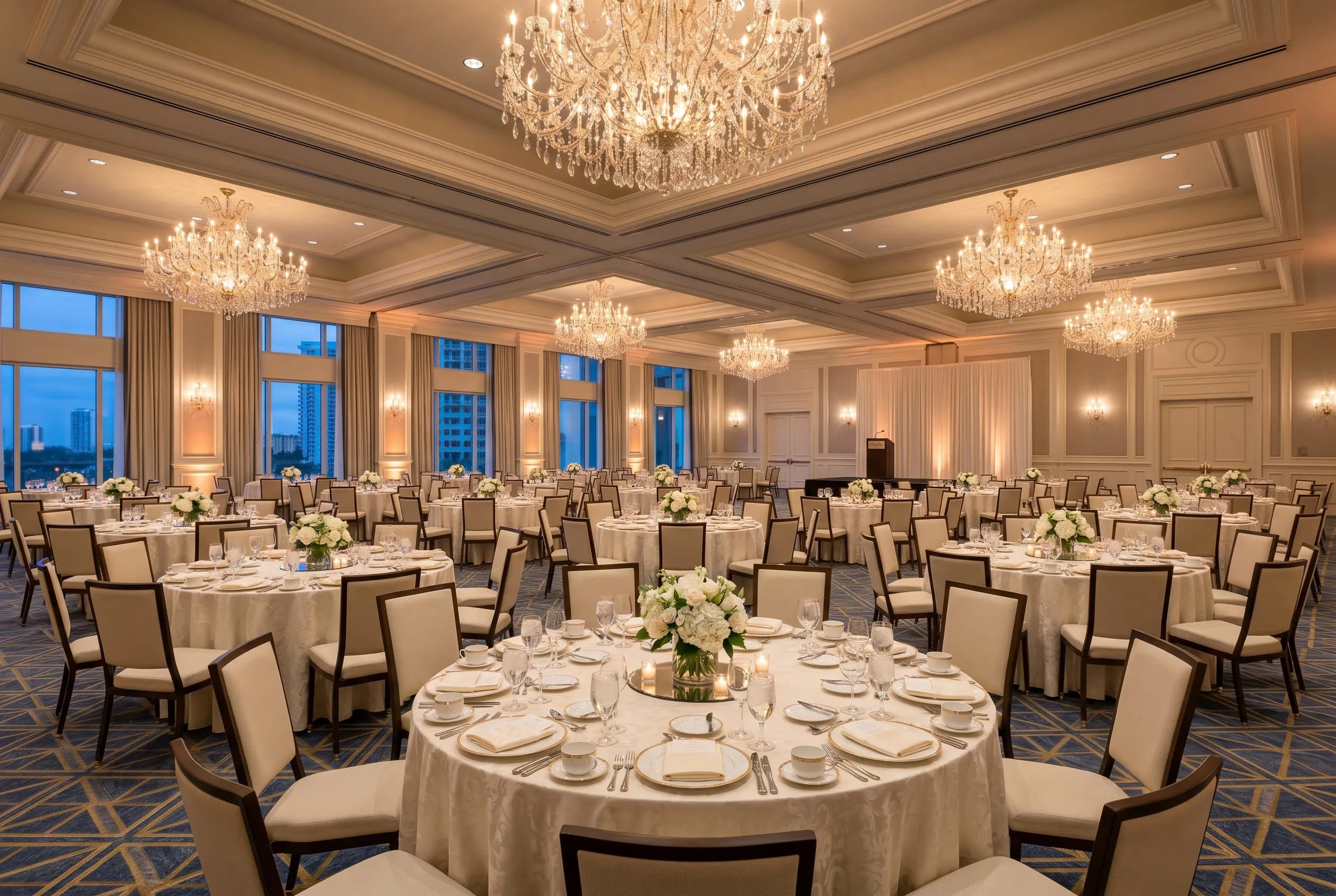
If you're planning a hospitality opening in Miami and haven't started your FF&E conversations, start them now. The vendors who specialize in contract-grade outdoor furniture, custom upholstery, and the durability demands of South Florida book out fast especially in the months leading into Art Basel season. Getting procurement right is what separates a smooth opening from one where your GM is making excuses to guests about missing furniture on day one.
Tell us about your Miami FF&E needs and we will turn your quantities, finishes, and timeline into a firm quote. Request a quote whenever you are ready to compare.