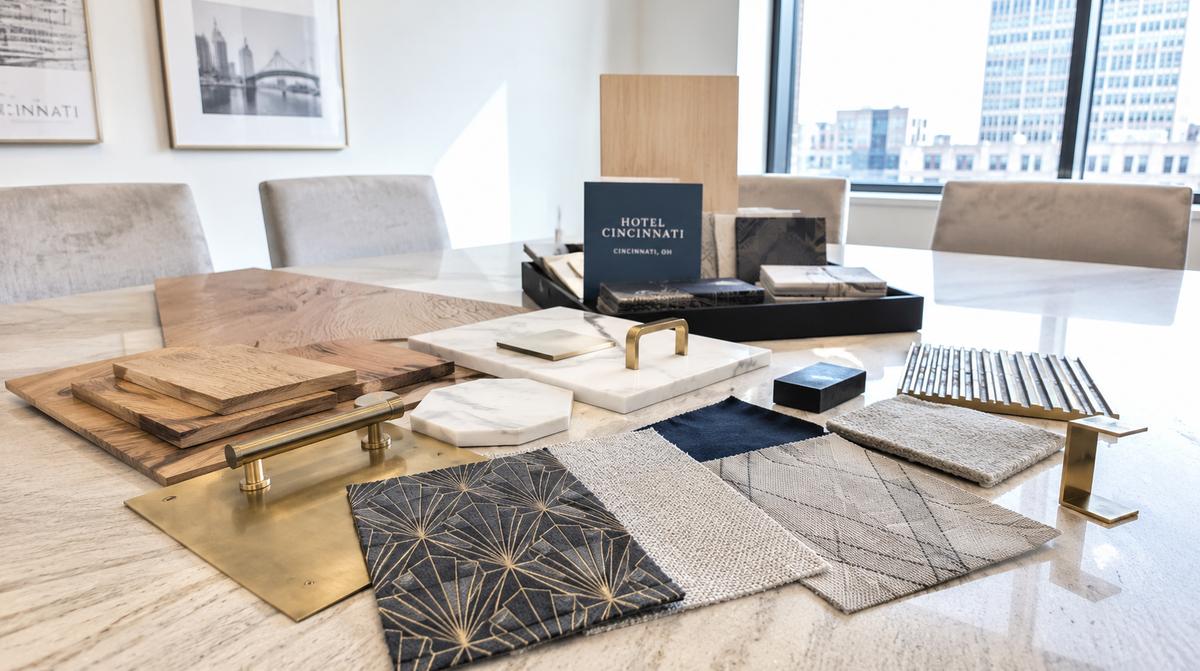
FF&E procurement, furniture, fixtures, and equipment, is the workstream that most often determines whether a Huntington hospitality project opens on schedule. Design and construction get the visible attention, but a procurement process that starts late or gets treated as an afterthought is the single most common reason hotel and restaurant openings slip in this market. Understanding how procurement actually works, and where it goes wrong, is the difference between a smooth opening and a scramble.
Why FF&E Procurement Needs to Start Early
The biggest procurement mistake in any market, and Huntington is no exception, is treating furniture ordering as a task that happens after construction is substantially complete. By the time a general contractor is closing in on substantial completion, a hotel or restaurant operator needs furniture already on a truck, not still being specified. Standard lead times for contract furniture run 10 to 16 weeks for domestic production and 20 weeks or more for imported goods once shipping and customs delays are factored in. In a region further from major manufacturing and distribution hubs, freight timelines can add real time on top of those baseline numbers.

The properties that hit their opening date in Huntington are the ones that lock furniture specifications at the same time interior design drawings are finalized, not after. That means engaging a furniture supplier during the design development phase, not waiting for construction documents to be complete. A supplier who is part of that early conversation can flag lead time risks, suggest in-stock alternatives where a custom spec would blow the timeline, and start production planning well before a purchase order is signed.
The Procurement Process, Step by Step
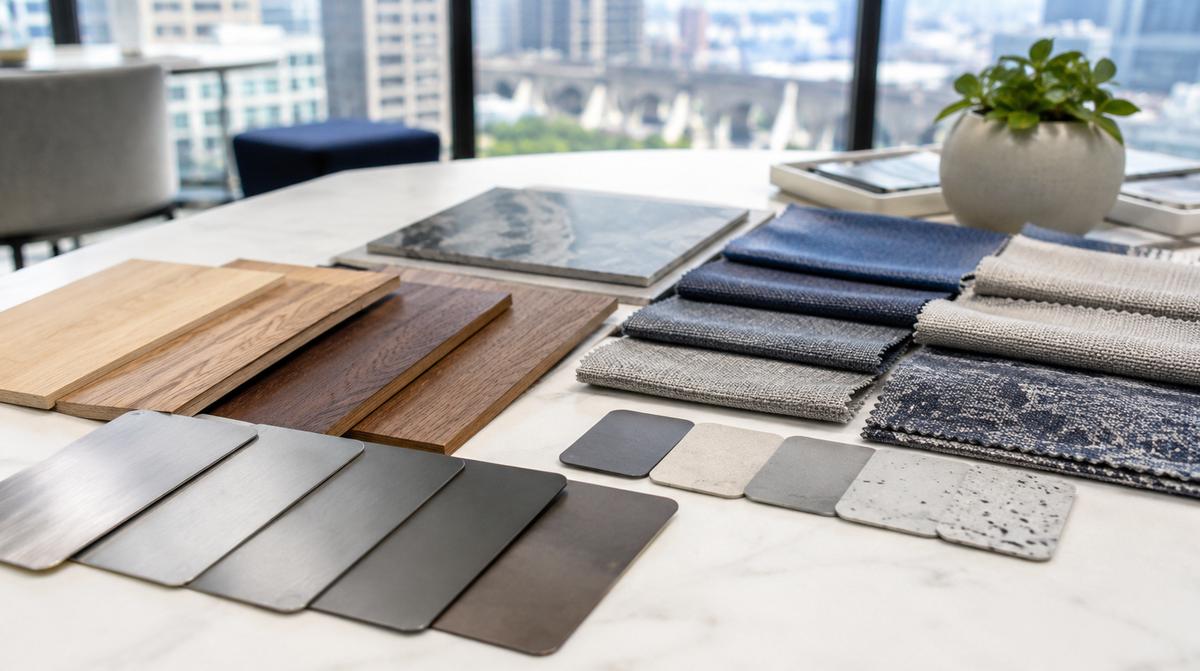
A well-run FF&E procurement process in Huntington follows a consistent sequence. Specification and budget development happens alongside interior design, establishing what is being purchased and at what price point before anything is ordered. Supplier selection and sample review follows, where physical samples of fabric, finish, and construction get approved in writing, not just over email. Purchase orders are placed with enough lead time built in to absorb a normal delay without threatening the opening date. Delivery and installation are scheduled to coordinate with construction completion and any interior design punch list, ideally with staged delivery for larger projects so furniture is not sitting in a warehouse or a crowded loading dock waiting for space to open up.
Freight and installation costs deserve their own line item in the budget from the start. Operators who price furniture at the unit cost alone and treat freight, white-glove delivery, and installation labor as a rounding error routinely find themselves over budget by the time the project closes out. In a market like Huntington's, where the metro sits at some distance from major freight lanes, that line item is larger than it would be in a bigger city and needs to be budgeted accordingly.
Coordinating Procurement With Your Project Team
FF&E procurement does not happen in isolation. It needs active coordination between the owner, the interior designer, the general contractor, and the furniture supplier, ideally through a dedicated FF&E project manager on larger projects. That person's job is to keep the procurement schedule aligned with construction milestones, catch spec conflicts before they become expensive change orders, and make sure delivery windows do not collide with a construction schedule that has already slipped.
For a smaller regional market like Huntington, those relationships matter even more than in a major metro, because there are fewer suppliers and project managers with deep local experience to fall back on if a first choice does not work out. A supplier who has run FF&E procurement for hospitality projects in this region, understanding the tri-state freight realities, the Marshall event calendar, and the medical travel base's influence on hotel demand, brings project-specific judgment that a national supplier without local experience cannot match.
The properties that open on time and on budget in Huntington are the ones that started procurement early, respected lead times that account for the region's distance from manufacturing centers, and kept the designer and procurement agent in constant communication throughout the process. Whether you are outfitting a hotel near Marshall's campus, a boutique property downtown near Pullman Square, or a new restaurant concept along the river, the fundamentals are the same: start earlier than you think you need to, specify clearly before you bid, and build freight and installation into your numbers from day one.
Related reading
- FF&E procurement: a practical guide for hotels and venues
- What is contract furniture
- Commercial furniture vs retail
- Hospitality furniture supplier guide
- Hotel renovation furniture Huntington, WV
- Commercial furniture supplier Huntington, WV
- Hotel seating catalog
- Guestroom casegoods
- Get a quote
- Browse full catalog
- Commercial furniture in West Virginia