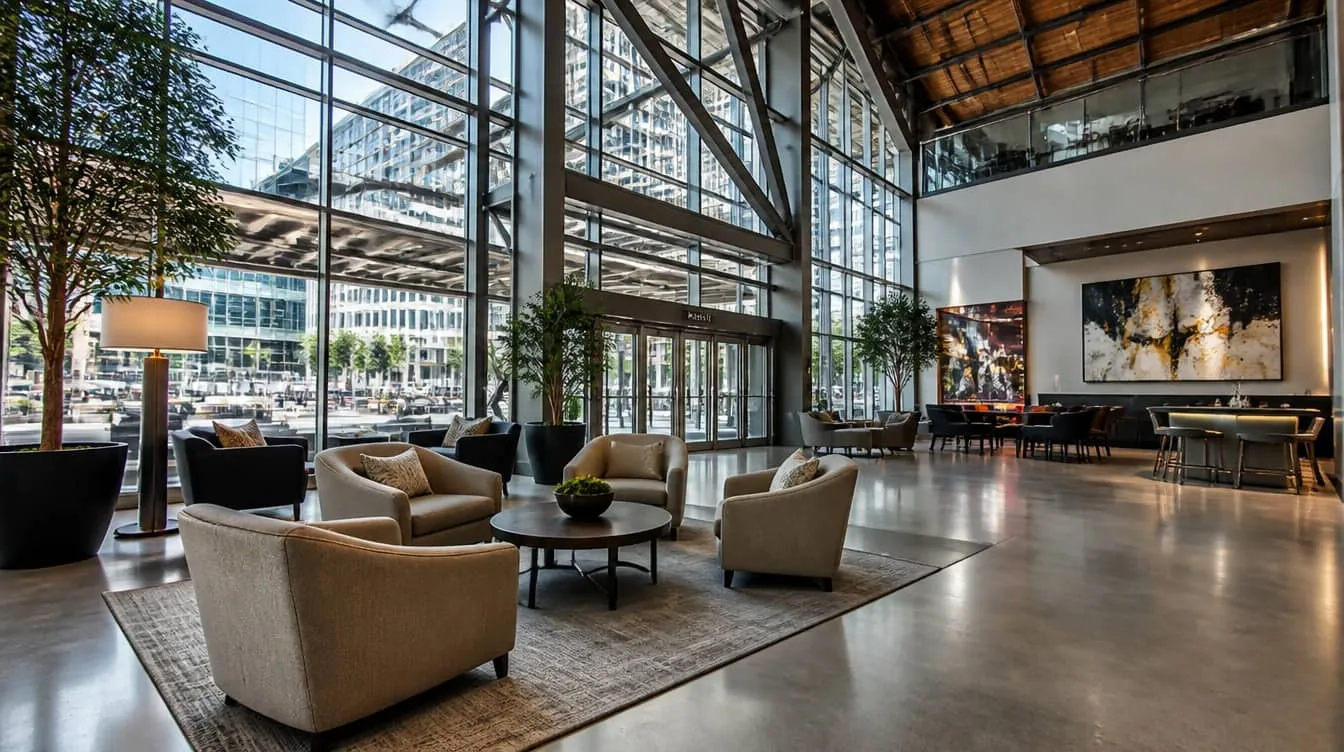
Dallas is in an active hotel development cycle, with new construction and significant renovation projects running simultaneously in Uptown, the convention corridor downtown, the Legacy West development in Frisco and Plano, and several mixed-use projects in Deep Ellum and the Design District. Each of these projects, regardless of size, faces the same FF&E procurement challenge: coordinating a complex multi-vendor purchase process across dozens of furniture categories, managing lead times and cash flow against a construction timeline that will not wait, and delivering a furniture program that matches the design intent and meets the brand standards that govern most flagged hotel projects. Doing this well requires process discipline and market knowledge that casual procurement does not provide.
The stakes in Dallas are high enough to justify that discipline. A 250-room full-service hotel opening in Uptown represents an FF&E budget in the range of $8 million to $15 million depending on tier, the scale of the public program, and the density of the guestroom package. At that scale, procurement decisions that look like small unit cost differences add up to six-figure budget variances, and timeline decisions that seem like minor schedule risks can translate into delayed openings that cost more per day than most furniture line items. Managing this process without a clear system is how projects get into trouble.
The FF&E Process Architecture for Dallas Projects
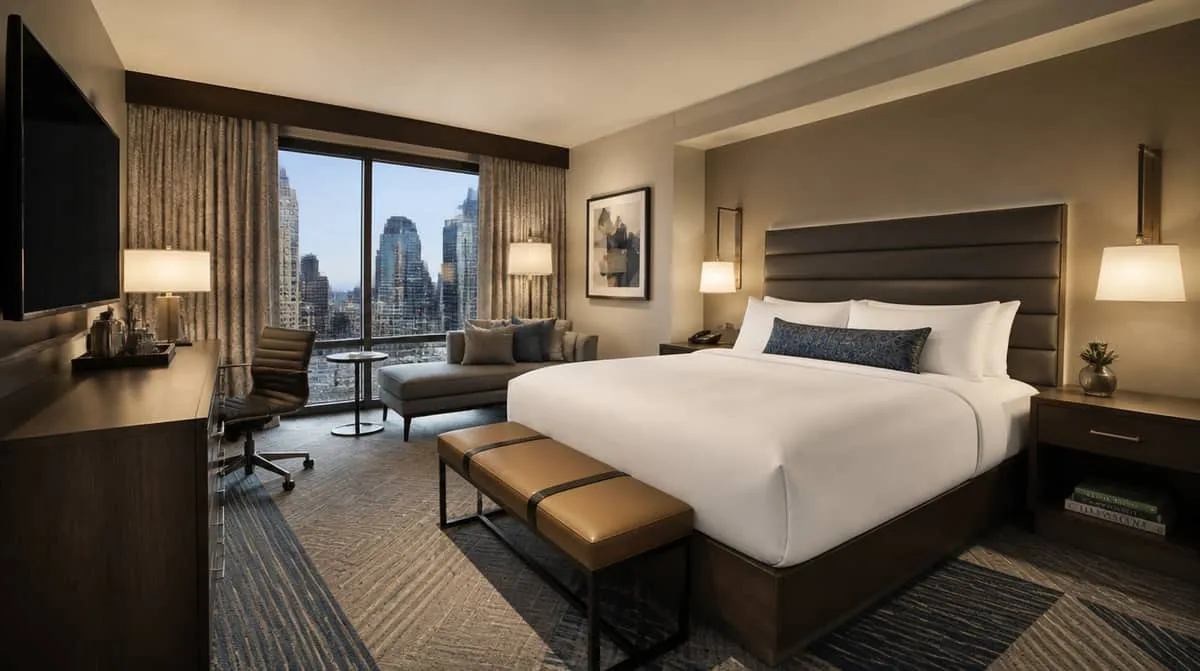
Well-run FF&E procurement for a Dallas hotel project follows a defined sequence that begins well before any furniture is ordered. The design intent documentation, which typically comes from the interior design firm, establishes the specification for every piece of furniture in the project: manufacturer, model, finish, fabric, COM selection, quantity, and placement. This documentation is the procurement specification, and it needs to be complete and accurate before procurement begins, because every revision after procurement starts is a cost and schedule risk.
Budget validation happens in parallel with design documentation, not after it. A Dallas hotel project where the design team has been specifying product in a price range that doesn't match the owner's budget is a common source of project stress, and it's most acute when the mismatch is discovered after months of design work rather than early in the process. The way to avoid this is to establish a furniture budget per category, per room type, and per public space area at the start of the design process, and to have the design firm select within those parameters rather than specifying freely and then value-engineering backward.
Vendor selection in Dallas's FF&E market should be driven by demonstrated competence in comparable projects, not by lowest unit cost. The suppliers who have done multiple large Dallas hotel openings know the city's logistics, they know the construction ecosystem, and they know what can go wrong in ways that a supplier without that track record does not. Request references from Dallas hotel projects of comparable scale, and call those references before you commit to a procurement relationship.
Managing Lead Times in Dallas's Construction Market
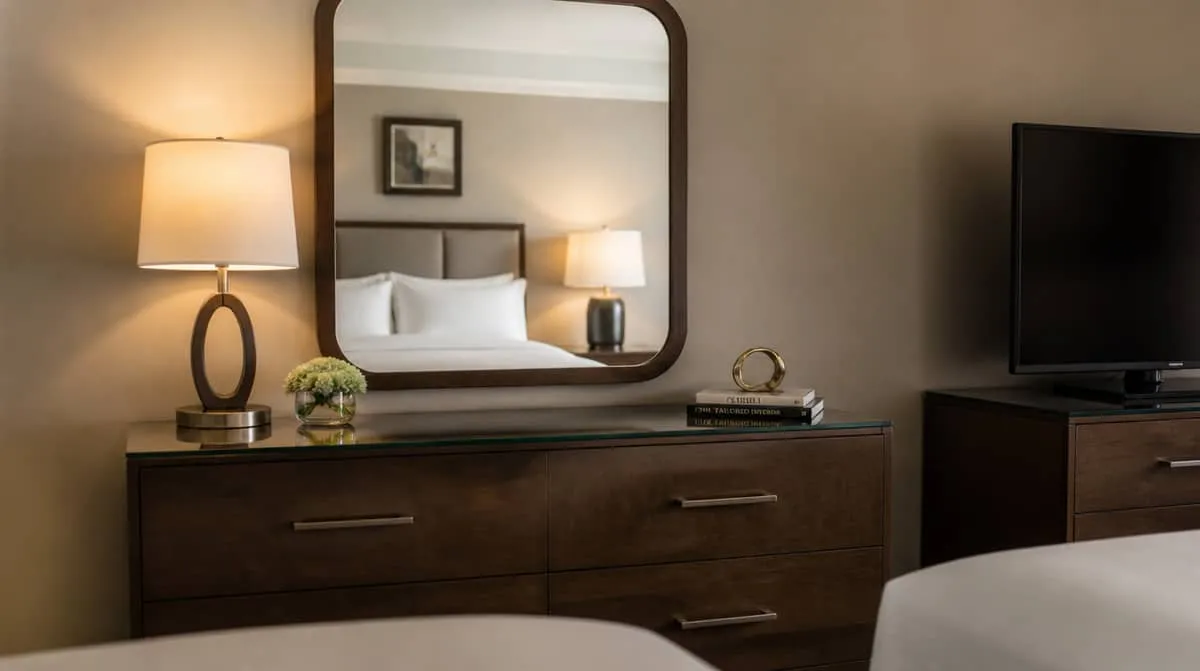
Dallas's active construction market means furniture manufacturer lead times are under pressure from multiple directions simultaneously. The factories that produce contract guestroom case goods, upholstered seating, and custom millwork are serving multiple large Texas hospitality projects at the same time, and factory lead times that were 10 to 12 weeks two years ago are regularly running 16 to 20 weeks in an active market cycle. If your opening date is fixed, your order windows need to be established from that date working backward, accounting for current lead times, not historical averages.
The categories where lead time management is most critical in Dallas projects are custom upholstery, which includes any seating with COM fabric selection or non-standard configuration; case goods with specific finish selections that require factory programming; and any imported furniture product, which adds shipping and customs variability to the lead time calculation. Standard commodity items in stocked configurations, including most banquet chairs, standard-format folding tables, and catalog lounge chairs in stocked fabrics, can often be sourced on shorter timelines if needed, but the custom or semi-custom items that define a hotel's design character need to be ordered early.
Purchase order management for a large Dallas hotel FF&E project involves tracking dozens of open orders across multiple vendors, each with its own lead time, delivery window, and quality verification requirement. Properties that manage this process with a shared tracking document or procurement management platform, with clear accountability for each line item, have far fewer surprises than those managing it through email threads and verbal commitments. The cost of a procurement coordinator to manage this process is small relative to the cost of a delayed opening or a furniture delivery that misses the installation window.
Brand Standard Navigation and Owner Relationships
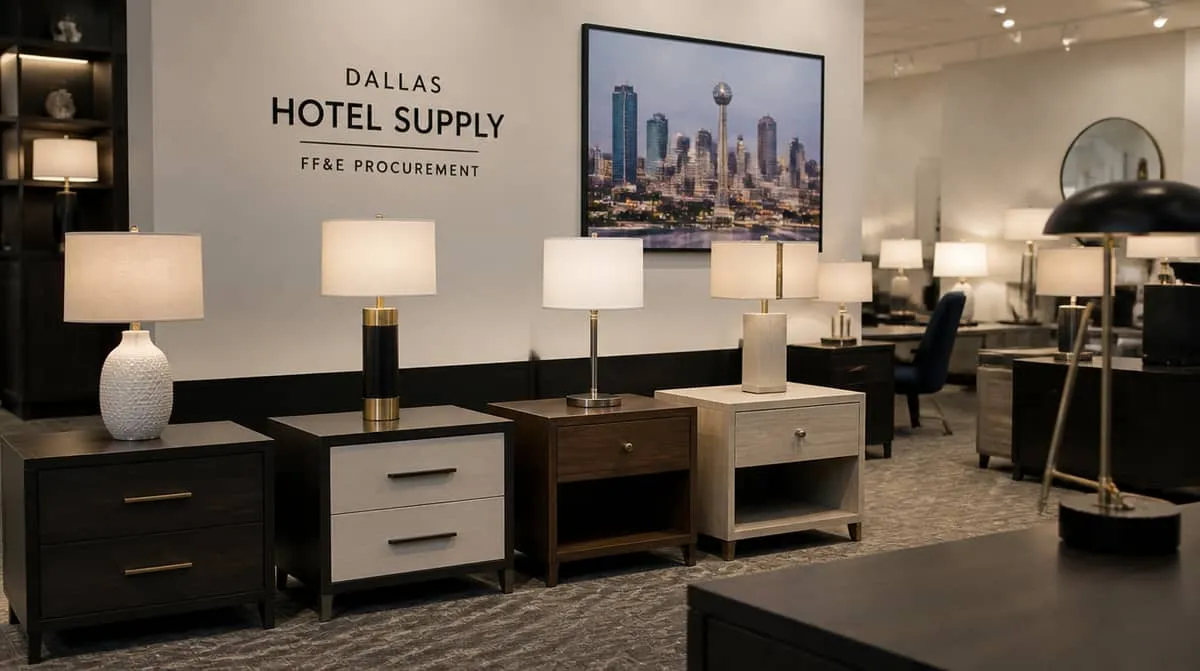
Most Dallas hotel projects involve a brand standard overlay that constrains the FF&E specification to some degree. The major flags operating in Dallas, including Marriott, Hilton, IHG, and Hyatt across their various tier brands, all have FF&E programs that specify allowable products, approved vendors, and required performance levels. Understanding exactly what the brand standard requires, versus what it recommends, and where it allows owner variation, is the first step in any brand-compliant Dallas hotel procurement program. The brand's project manager is the right source for this information, and engaging them early in the design process saves time compared to discovering compliance issues after the specification is complete.
For Dallas properties comparing FF&E options, project-specific pricing tells you more than any published range. Request a quote and we will scope it to your space and volume.