Worcester's downtown has been quietly transforming for years, with historic mill and commercial buildings converting into apartments, offices, and increasingly, boutique hospitality concepts. A boutique hotel here competes on character in a way a limited service chain property does not, and that puts real pressure on the furniture program. Guests choosing an independent property near Union Station or the Canal District expect a design point of view, but they also expect the room to function like a well run hotel, not a converted loft with borrowed furniture.
Design Identity Without Sacrificing Durability
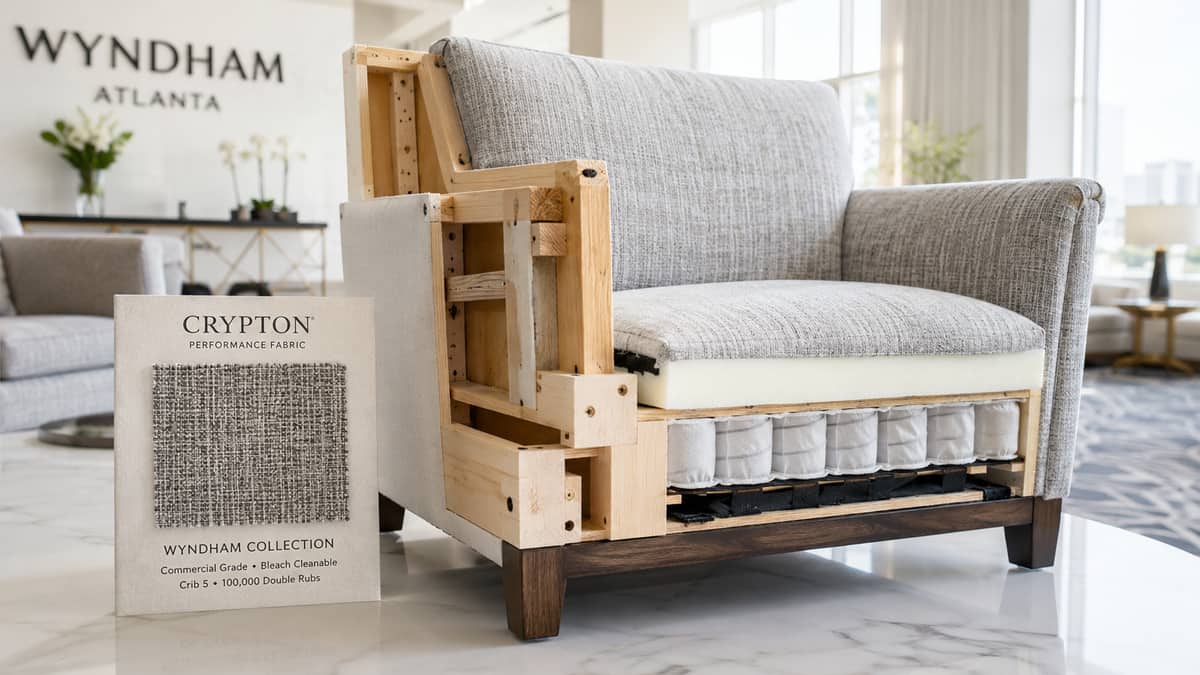
The temptation with a boutique property is to lean fully into aesthetics and treat durability as a secondary concern. That is a mistake that shows up fast in a hotel environment. A striking lounge chair that looks perfect in the mood board photos but uses residential-grade foam and frame construction will show wear within months of real guest traffic, and a worn out statement piece damages the brand experience faster than a plain but durable one ever would.
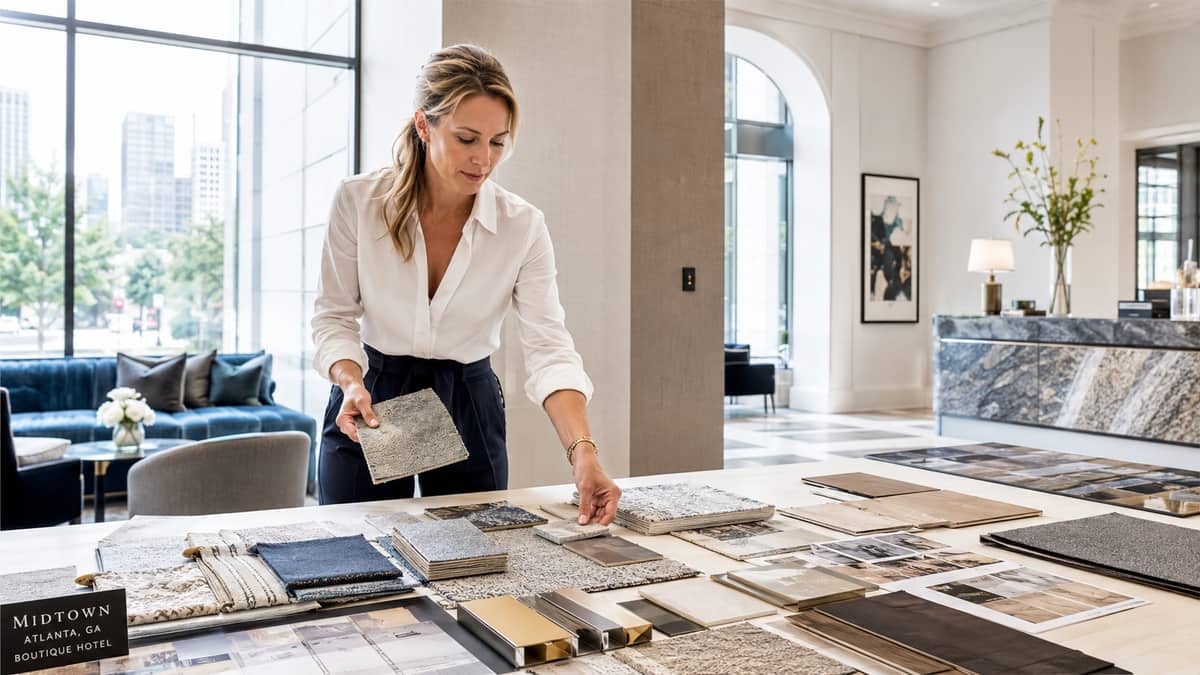
The better approach is sourcing custom or semi-custom pieces from suppliers who work in contract-grade materials from the start. High-resilience foam, hardwood or engineered hardwood frames, and commercial-rated fabric can absolutely deliver a distinctive look. The difference is durability testing and BIFMA-equivalent standards behind the design, not in front of it. A good supplier will show you the specification sheet alongside the finish sample, not just the finish sample.
Guest Rooms That Read as Intentional
Boutique guest rooms in Worcester's historic downtown buildings often work with unusual room dimensions, exposed structural elements, and ceiling heights that vary floor to floor in converted properties. That means casegoods and bed frames sometimes need semi-custom sizing rather than standard chain-hotel dimensions. A supplier experienced with boutique and independent hospitality work can accommodate that without pushing your timeline out to full custom lead times.
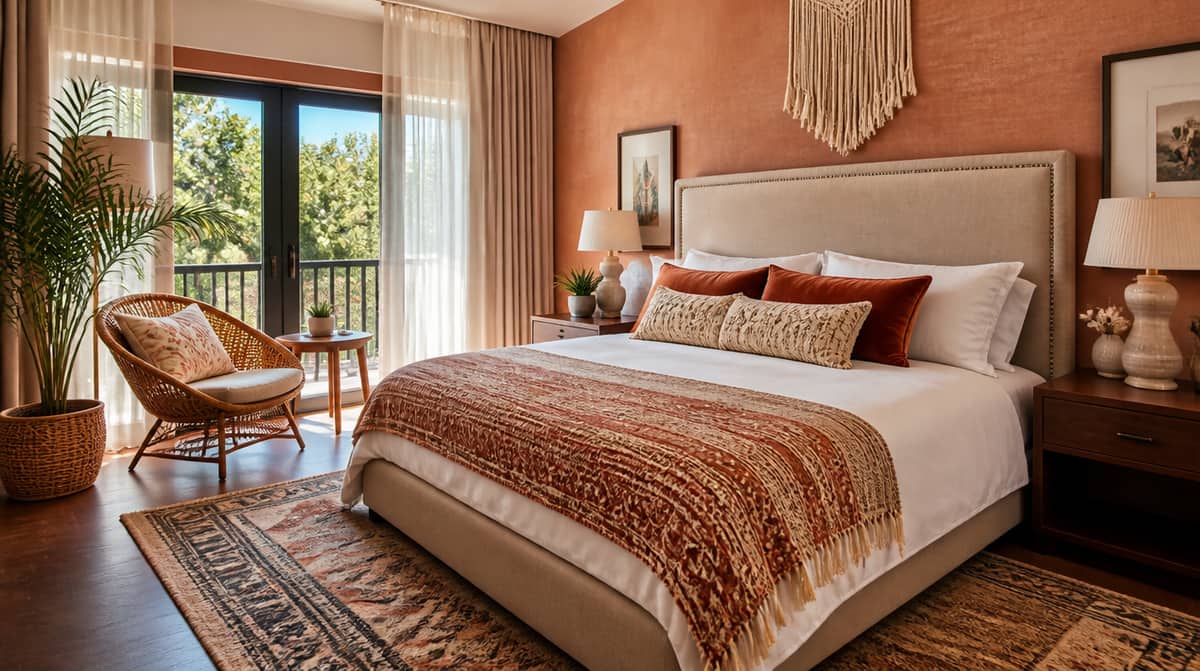
Tonal coordination across a guest room floor matters more in a boutique property than in a chain hotel, because the room itself is part of the sell. Headboards, nightstands, and desk pieces sourced from a single supplier working off one finish palette will read as intentional in a way that furniture pieced together from multiple vendors rarely does. That consistency is worth prioritizing even when it means a slightly longer lead time to get a matched program in place.
Lobby and Public Space Furniture as First Impression
For a boutique property, the lobby is doing more brand work than in a standard chain hotel. It is often the space guests photograph, and it sets the expectation for the rest of the stay before anyone reaches their room. Lounge seating, cocktail tables, and any bar or communal seating area need contract-grade construction that survives daily guest traffic while still delivering the design statement the property is built around.
Sourcing that furniture from a supplier who understands both the aesthetic goals and the durability requirements avoids the common boutique hotel mistake of buying one striking piece for photos and a separate durable line for everyday use. One coordinated program, built to contract standards from the start, serves both goals without the compromise.
Working With a Supplier on a Boutique Timeline
Boutique hotel projects in Worcester often move on compressed timelines, particularly when a historic building renovation is already underway and the furniture needs to land on a construction schedule set by other trades. Lock your furniture specs early, during interior design development rather than after, so your supplier has enough runway to produce semi-custom or fully custom pieces without rushing quality control. A supplier who has handled boutique projects before will flag lead time risk on custom finishes early, rather than letting you discover it two weeks before your opening date.