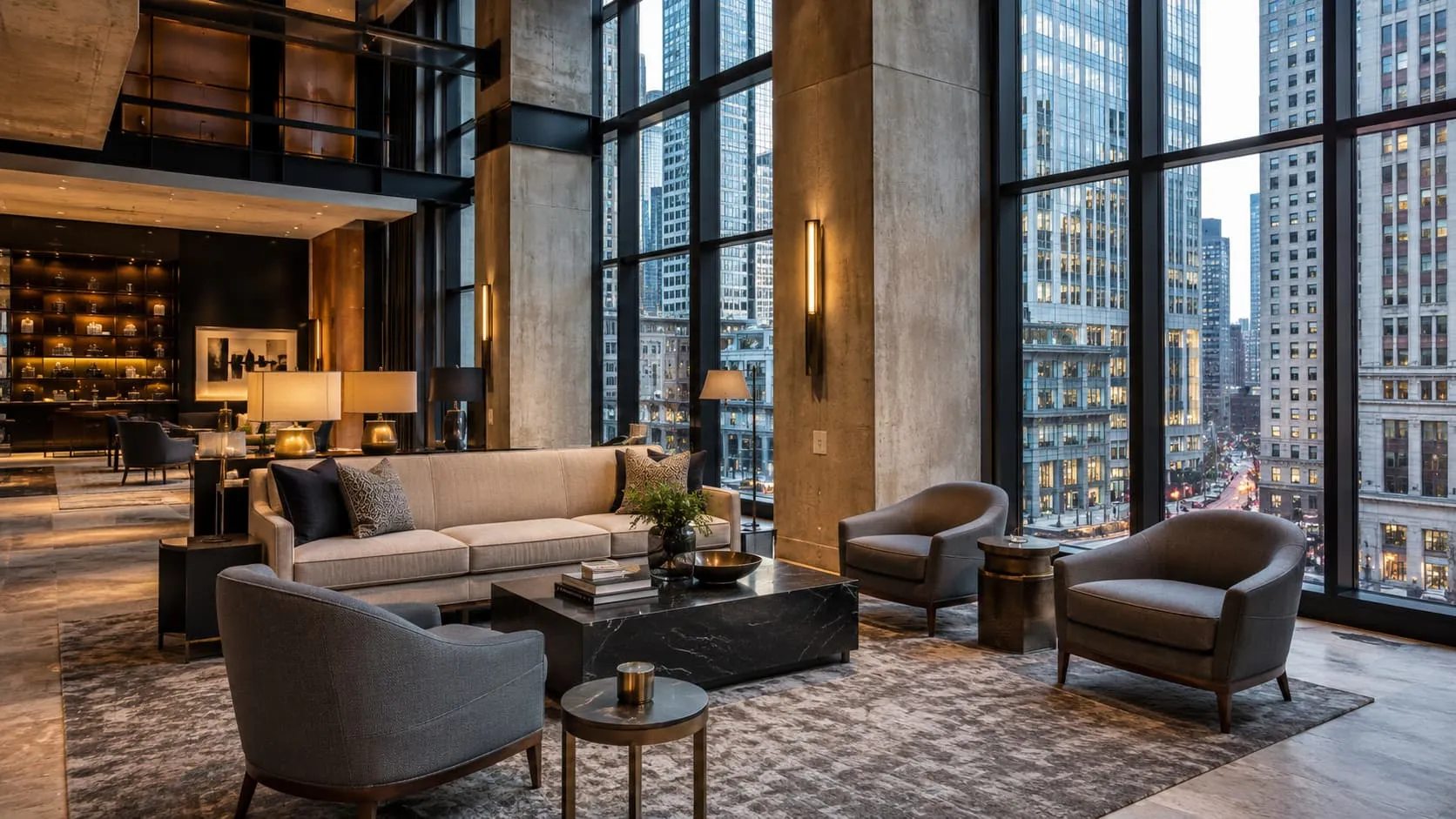
Let me walk you through what separates operators who get this right from those replacing furniture every two seasons. New York does not give you much margin for error. A single block in Midtown can hold three hotels, two Michelin-starred restaurants, and a rooftop bar turning 400 covers on a Saturday night. When every square foot of outdoor space is revenue and in this city, every square foot absolutely is you cannot afford to spec furniture that buckles under the pressure. That is the reality driving demand for serious commercial patio furniture New York buyers know how to source: frames engineered for freeze-thaw cycles, fabrics that take humidity and UV exposure without fading, and stacking profiles that actually fit in your back-of-house when January hits.
Why New York's Climate Demands Contract-Grade Materials
Here is what most operators underestimate when they are budgeting their first outdoor build-out: New York's weather is punishing in ways that are hard to fully anticipate until you have lived through a full cycle. Summers run hot and relentlessly humid. Winters drop well below freezing. The shoulder seasons bring sustained rain and salt air that consumer-grade aluminum cannot handle. Budget frames powder-coat with finishes that chip and oxidize within a year you see it constantly along the waterfront in Red Hook and the Hudson River properties running along the West Side.
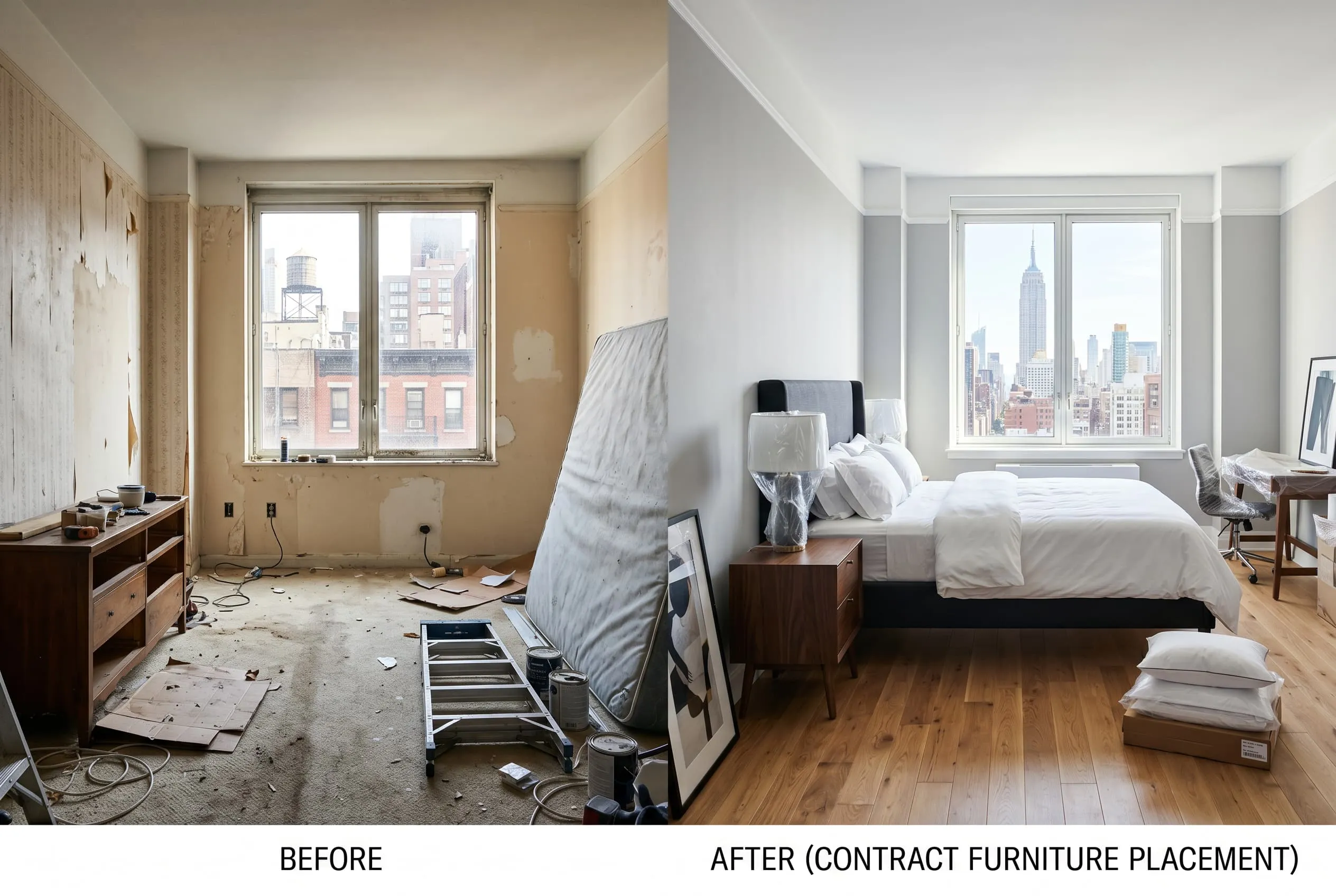
Contract-grade aluminum is built differently. Thicker extrusions. Marine-grade powder-coat finishes rated for high-use outdoor environments. When you are sourcing commercial patio furniture New York operators depend on through multiple renovation cycles, the frame specification matters as much as the look. Look for wall thickness of at least 1.8mm on aluminum extrusions and finishes rated for 1,000-hour salt spray testing. That number is not marketing language it is the actual threshold that separates frames that hold up from frames that do not.
For rooftop installations in Brooklyn Heights or the Financial District, wind load is a real operational variable, not a footnote. Weighted bases on pedestal tables and stacking chairs with interlocking systems make a measurable difference on a gusty afternoon. Your staff should not be chasing chairs across a rooftop terrace during a dinner rush.
Sunbrella and Performance Fabrics for High-Turnover Seating
Cushioned seating increases dwell time and average check size. That is not a theory it is why the rooftop bars in Williamsburg and the brasseries around the Upper West Side use it even in fully exposed outdoor settings. But the tradeoff is real. In a market where outdoor seasons run April through October and chairs may see 200 covers a day, fabric selection is a cost decision, not just an aesthetic one. Get this wrong and you are replacing cushions every season.
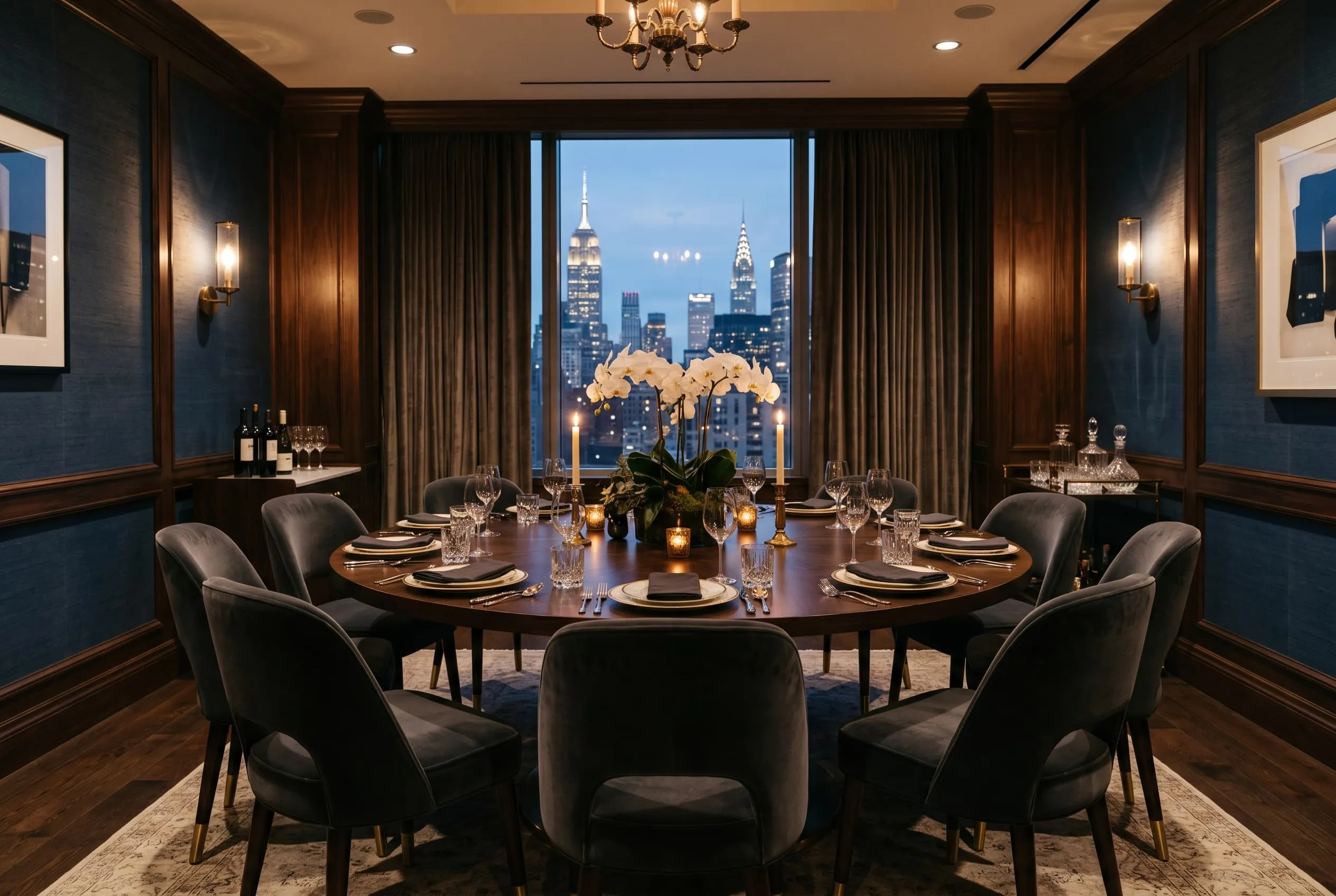
Sunbrella solution-dyed acrylic is the category standard for a reason. The pigment runs through the entire fiber, so UV fading is minimal even through a full New York summer of direct exposure. It resists mildew, which matters for properties near the water or in neighborhoods like Long Island City where humidity holds longer into the evening. For high-abuse venues, specify foam cores rated for outdoor use with drainage holes built in waterlogged cushions become a maintenance liability within one season and they are miserable for guests.
For fast-casual terraces that need faster cover turns, woven synthetic materials like Textilene and sling fabrics eliminate the cushion problem entirely. Many operators in the Flatiron District and Hell's Kitchen run sling seating for their sidewalk programs precisely because cleanup between covers takes seconds, not minutes. That speed matters when you are running a tight lunch service.
Storage and Space Efficiency: The New York Problem
Here is what makes New York different from every other major hospitality market: the storage problem is genuinely severe. A restaurant in SoHo or a hotel in the Garment District does not have a 2,000-square-foot warehouse behind the building. Off-season furniture storage often means a basement corridor, a shared loading dock, or a rented storage unit three blocks away that adds labor to every retrieval.
This is why stackability and folding profiles are non-negotiable when selecting commercial patio furniture New York properties use across full renovation cycles. Chairs that stack 10 to 12 high on a dolly cut winter storage requirements by 80 percent compared to non-stacking alternatives. Tables with removable or folding bases break down to flat profiles that slide under shelving or roll into a freight elevator without drama. If a supplier cannot tell you the stacked height of their chairs and the folded footprint of their tables, keep looking.

For rooftop venues staying open year-round with heat lamps, weighted furniture that withstands wind without anchoring to the deck structure has become the practical standard. Properties at 1 Hotel Brooklyn Bridge and similar waterfront venues set a visible benchmark for what year-round rooftop operations can look like, and the better suppliers have responded with product lines built specifically for those conditions.
Specifying for Different Venue Types Across the City
The right specification varies significantly by venue type, and New York's hospitality mix covers the full range. Let me walk you through how those differences actually play out.
A Times Square hotel rooftop prioritizes weather resistance, brand consistency with the interior design program, and crowd durability under volume conditions that most venues never approach. A boutique restaurant in the West Village needs pieces that read as deliberate design choices, not functional defaults guests in that neighborhood are paying attention to that distinction. A bar in Bushwick running a weekend garden program needs fast cleanup, low maintenance, and a price point that accounts for the reality of outdoor furniture absorbing harder use than the spec sheet anticipates.
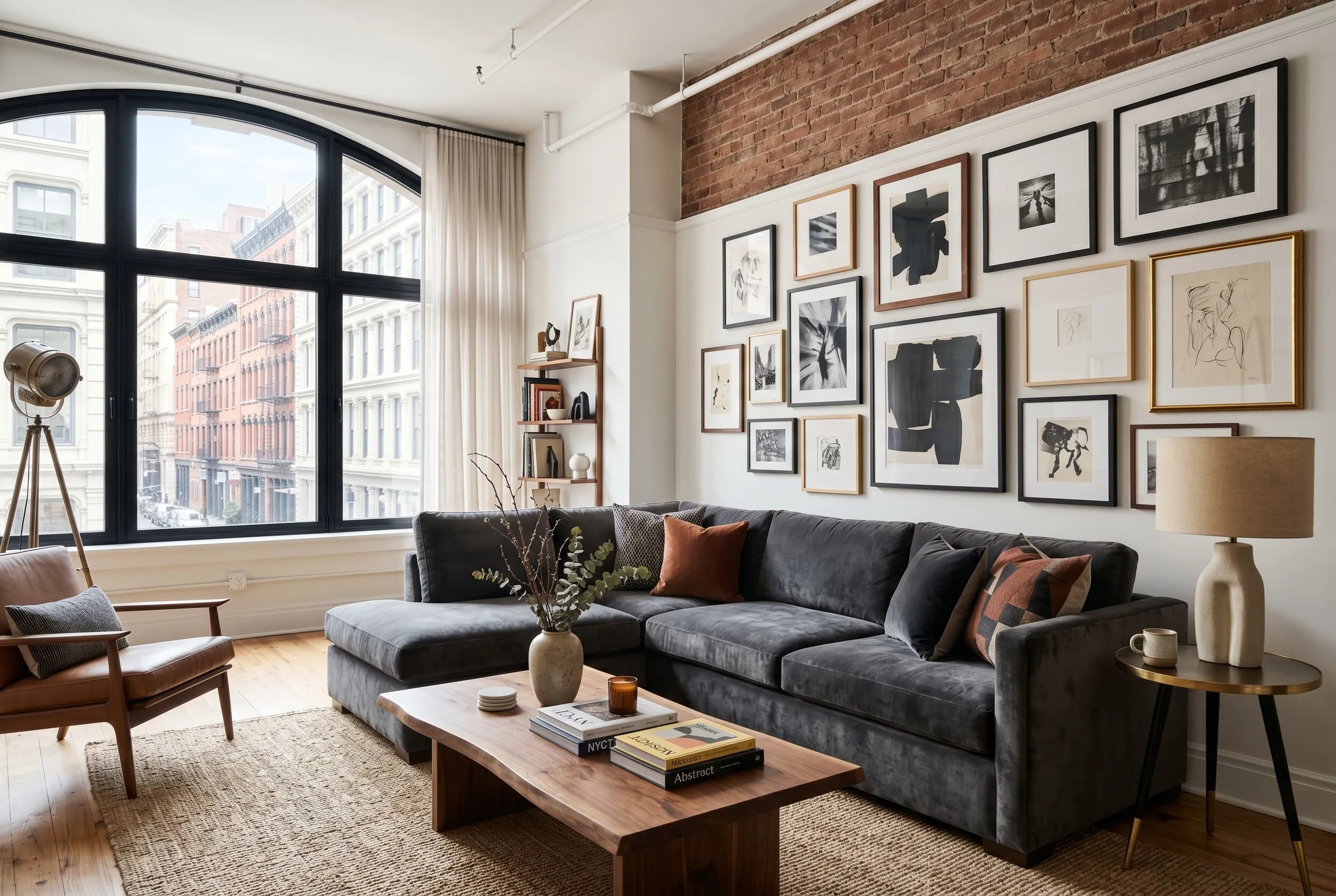
For hotel pools and terraces specifically, commercial chaise lounges and poolside seating need to meet the same contract-grade standards as indoor casegoods. Many procurement teams sourcing commercial patio furniture New York hotel projects specify the same supplier across both indoor and outdoor categories it maintains finish consistency and simplifies the purchase order process considerably.
When you are building out an outdoor program, start with use case, cover count, and storage constraints before you ever look at a product line. The right specification for a 20-seat sidewalk cafe in the East Village looks nothing like what works for a 150-seat rooftop bar in Hudson Yards. Those are genuinely different problems.
Sourcing commercial patio furniture New York operations depend on across seasons means partnering with a supplier who understands contract-grade specifications, can advise on climate-appropriate materials, and carries product lines that hold up to the real conditions of this city's hospitality environment. Lead time transparency matters here too New York operators running seasonal programs cannot afford a supplier who misses a May delivery window. The right partner makes the difference between furniture that lasts a decade and furniture you are replacing every two years.
If you are sourcing commercial patio furniture for your New York property, the fastest way to real numbers is to tell us what you need. Request a quote with your quantities and timeline.