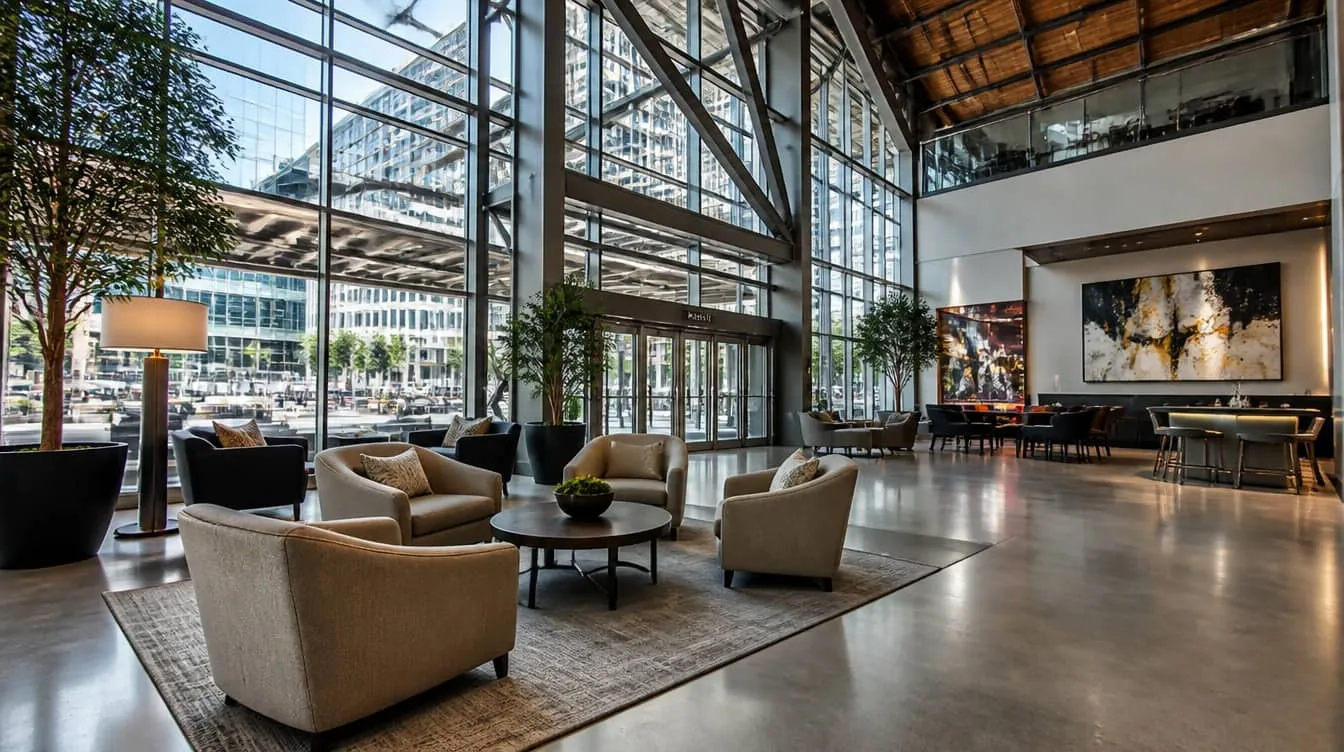
Dallas takes its outdoor dining seriously in a way that reflects both the climate reality and the culture. The spring and fall seasons in Dallas, which run from roughly March through May and September through November, are genuinely excellent for outdoor dining, with temperatures and conditions that make a well-designed patio one of the most competitive assets a Dallas restaurant can have. The McKinney Avenue corridor in Uptown has a concentration of patios that compete directly for the young professional outdoor dining dollar. Henderson Avenue has a strip of neighborhood restaurants with patios that are fixtures in the Oak Lawn and Lakewood dining circuit. West Village has street-facing retail and restaurant patios that anchor a walkable urban dining environment that's relatively rare in Dallas's car-oriented geography.
The revenue generated from these outdoor programs during the good seasons is significant enough to justify serious investment in commercial patio furniture. A well-specified outdoor seating program in a Dallas restaurant corridor, running 50 to 80 covers on a good spring evening, can represent a meaningful percentage of the property's total cover volume on the property's highest-revenue nights. The furniture that makes those covers possible needs to hold up through the conditions Dallas dishes out, including summer heat that bleaches and warps low-grade materials, the occasional ice storm in winter, UV exposure that's more intense than most northern markets, and the hard daily use of a busy restaurant environment.
Material Specification for Dallas's Climate
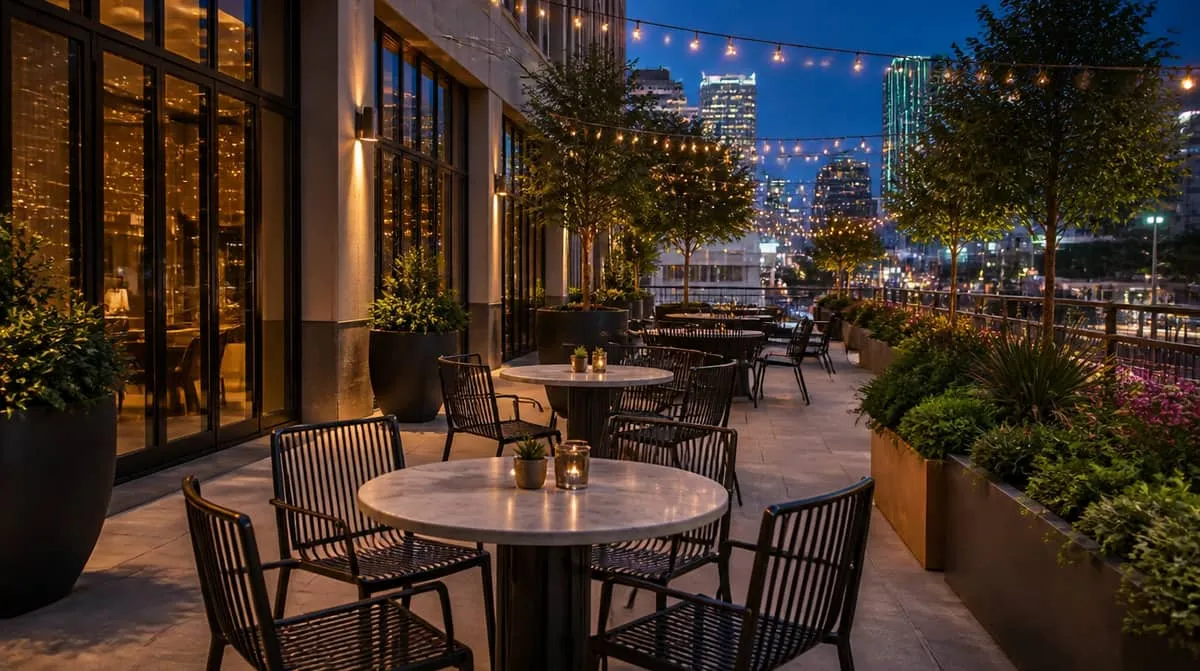
Texas heat is real, and the specific character of Dallas's summer, intensely sunny, with heat that builds through the day rather than breaking, creates UV exposure levels that degrade commercial patio furniture materials at a rate that operators from cooler markets underestimate. Solution-dyed acrylic fabric, the commercial outdoor fabric standard from suppliers like Sunbrella and equivalent, is the benchmark for Dallas patio seating because it resists UV fading at a level that PVC-coated and non-solution-dyed materials do not. The color saturation on a well-maintained solution-dyed acrylic chair will hold its original appearance after five years of Dallas sun exposure. The same chair in a lower-grade fabric will look noticeably faded within two to three seasons.
Frame material for Dallas patio furniture has a relatively clear hierarchy when you account for the full range of maintenance and replacement cost. Powder-coated aluminum is the dominant choice for good reasons: it doesn't rust, which matters because Dallas summer involves significant moisture from both rain and condensation; the powder coat maintains its finish quality through UV exposure better than liquid finishes; and the weight profile of aluminum makes it manageable for staff who need to move furniture to accommodate different covers or to store it when severe weather is approaching.
Cast iron and heavy steel frames have an aesthetic presence in some of Dallas's more traditional steakhouse and formal restaurant patios, where the visual weight and formality of iron furniture fits the positioning. The maintenance requirement, annual inspection and touch-up for rust, is manageable if the property has a facilities team and budget allocated for it. The decision to spec steel for aesthetic reasons is a legitimate one, but it should be made with clear-eyed awareness of the ongoing cost.
High-density polyethylene and commercial resin products have become genuinely competitive with aluminum and steel in the contemporary casual segment of Dallas's patio market. The product quality from commercial HDPE suppliers has improved significantly, and the best commercial resin furniture is virtually indistinguishable from cast aluminum in appearance while being significantly lighter and impervious to rust or UV degradation. For casual dining patios in Knox-Henderson or the Design District where a contemporary or industrial aesthetic is appropriate, commercial resin is worth evaluating alongside aluminum.
Layout, Cover Density, and Dallas Patio Operations
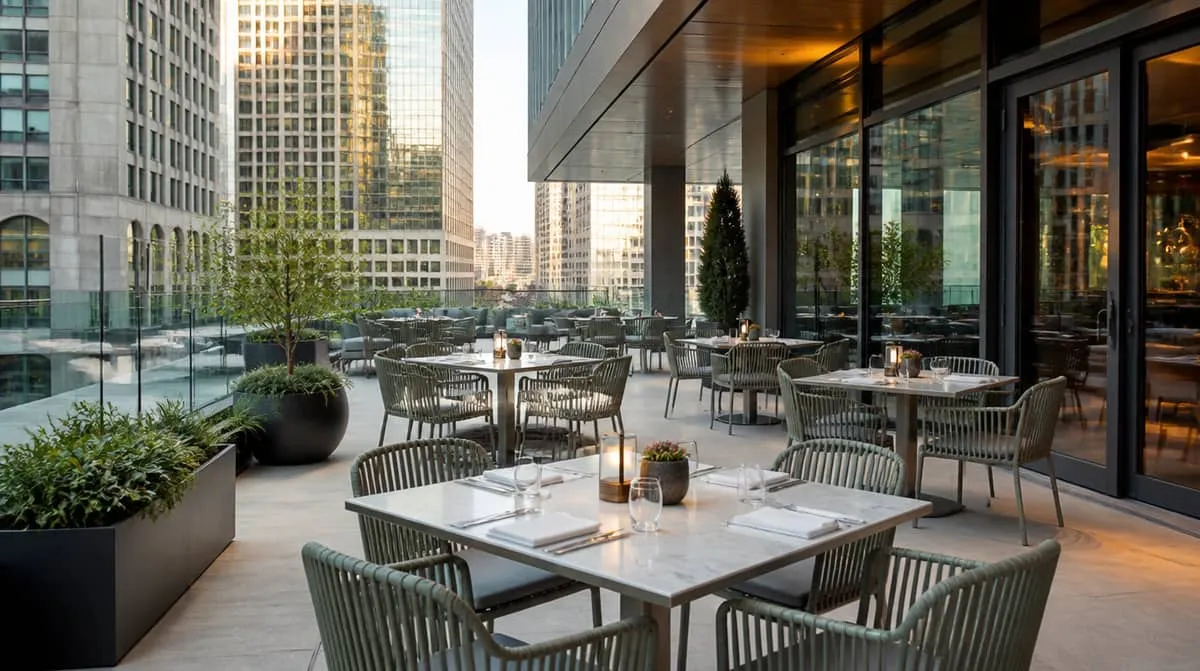
Dallas patio layout decisions have direct revenue implications. The McKinney Avenue restaurants that maximize their patio programs are running cover densities that require furniture with specific footprint characteristics: two-top tables that can be pushed together for larger parties, chairs that stack cleanly when the patio layout needs to shift, and a configuration that can adapt between lunch, happy hour, and dinner service without requiring a complete furniture reset.
Stackable patio chairs are worth the modest premium over non-stackable options in high-volume Dallas restaurant applications, because the operational flexibility they provide is real. Being able to pull 20 chairs from storage and add them to the patio during an unexpected beautiful evening, or to quickly reconfigure from a lunch layout to a family-style dinner setup, is a revenue capability that non-stackable furniture simply doesn't provide.
Table base selection for Dallas patios should account for the wind that comes with the spring and fall storm systems that move through. A table base that works fine in still conditions but tips over in a 20-mph gust is a safety issue and a damage liability. Commercial patio table bases with appropriate weight and a low center of gravity are the right specification for exposed Dallas patios; confirm the base weight with your supplier if the installation has any significant wind exposure.
Storage and Seasonal Management
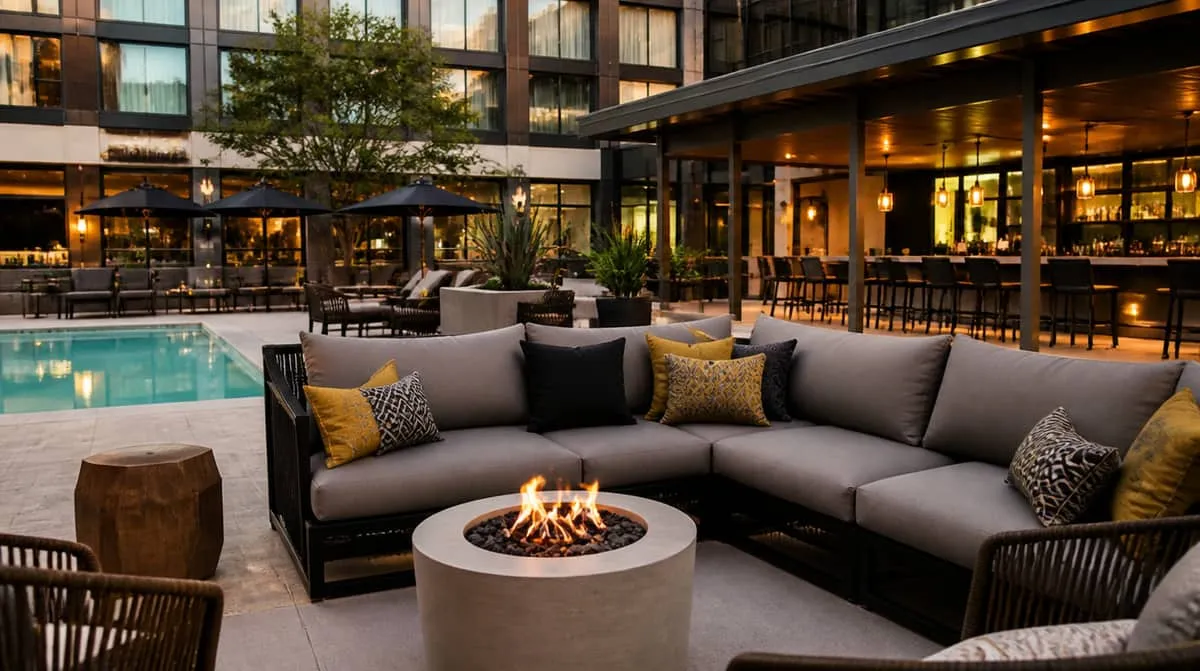
Dallas restaurants that use their patio programs hard during the good seasons need to have a storage strategy for the summer months, when heat makes outdoor dining less viable for most daytime service, and for the winter months when temperatures occasionally drop below freezing. Furniture that can't be stored compactly represents an ongoing operational drag. Stackable chairs and nesting tables reduce the storage footprint to a manageable level; confirm the stacked dimensions before you order so you know what storage space you'll need.
We quote commercial patio furniture for Dallas operators against their own layouts and order sizes rather than a generic sheet. Request a quote and we will put together pricing for your property.