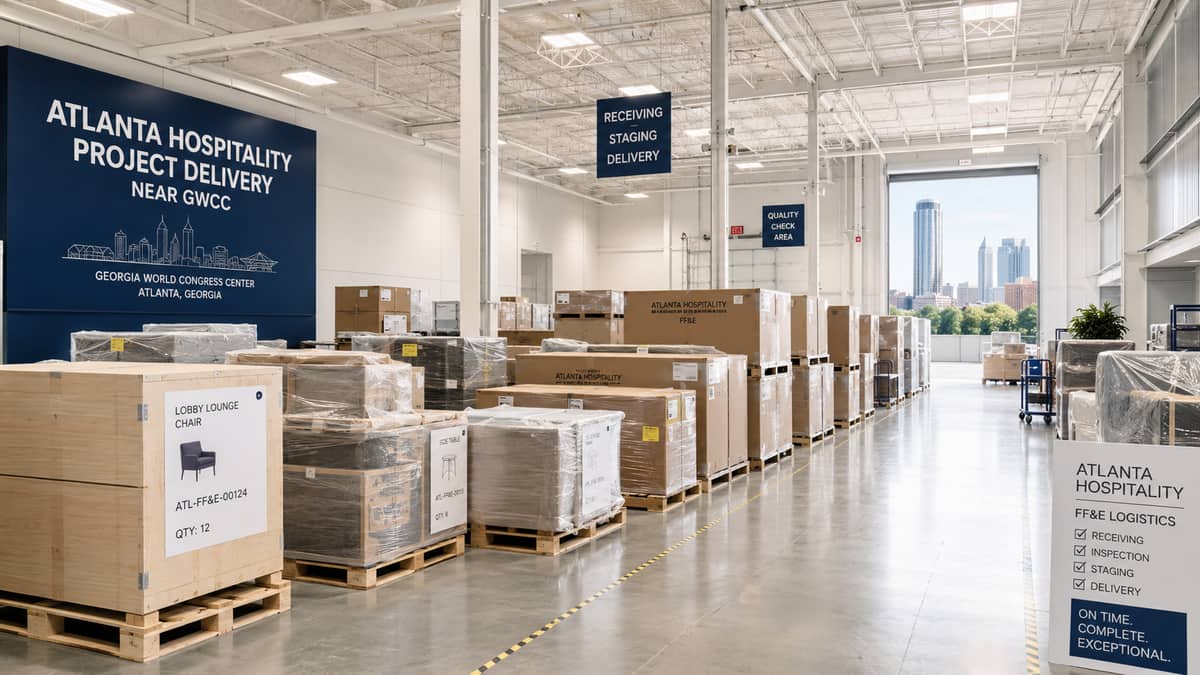
St. Louis carries the hospitality load for a region far bigger than its own city limits, functioning as the primary convention, medical travel, and corporate business hub for the greater metro and much of the surrounding Midwest and Mid-South. Convention traffic funnels through the America's Center downtown, Cardinals fans fill hotels near Busch Stadium and Ballpark Village all summer, medical travelers stream through the Central West End, and corporate business travel keeps Clayton's hotel inventory booked on weekdays. If you are sourcing from a commercial furniture supplier for a St. Louis property, the first question that matters is whether the product in front of you is genuinely contract-grade, not retail furniture repositioned with a commercial tag.
The Difference Between Contract Grade and Retail With a Commercial Label
This distinction matters more than most first-time buyers realize, and it costs real money when it gets missed. True contract-grade furniture is manufactured to BIFMA standards or equivalent hospitality certification benchmarks, with reinforced frame construction, high-cycle-rated fabrics, and finishes tested for institutional cleaning protocols. Retail furniture marketed with commercial-sounding language but without that underlying construction and testing will fail faster in a hospitality environment, often well before the end of a normal replacement cycle.
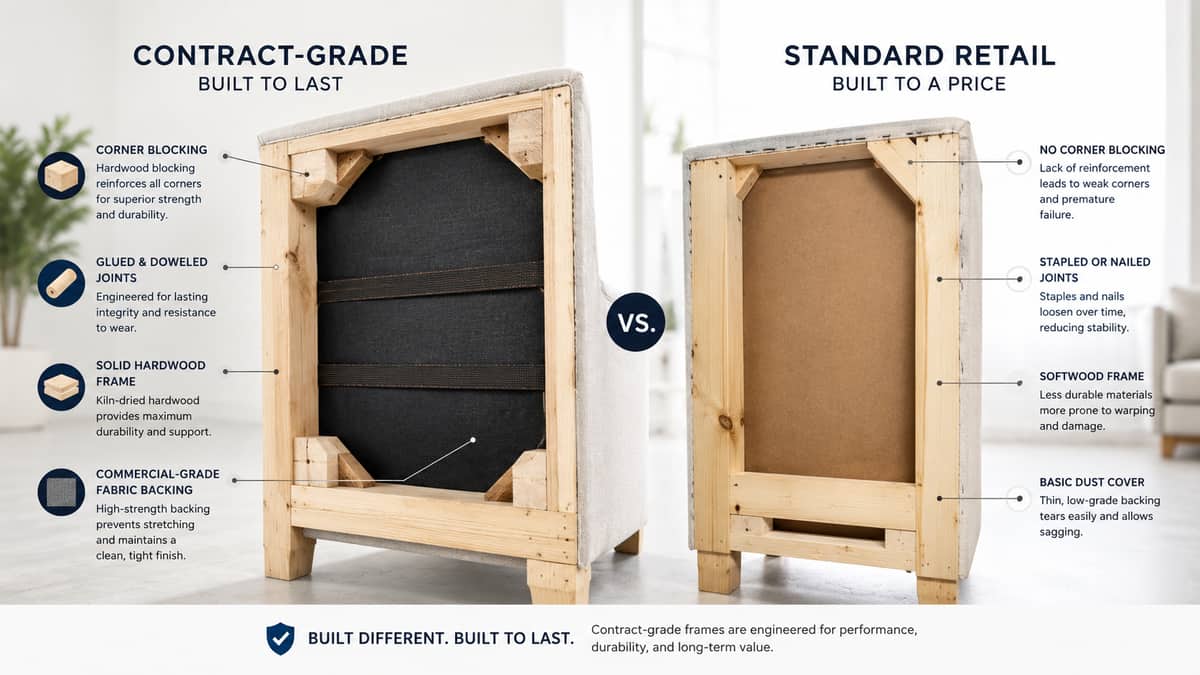
Ask any supplier for the actual documentation, BIFMA test results, fabric Martindale or Wyzenbeek rub counts, foam density specifications, frame warranty terms in writing. A supplier who cannot produce that documentation on request is not selling contract-grade product, regardless of what the marketing copy says.
Volume, Pricing, and Project Scale in St. Louis
Larger projects, a convention hotel near the America's Center or a multi-property renovation across the downtown and Clayton corridors, carry more negotiating leverage on pricing, since volume orders unlock manufacturer pricing tiers. A good supplier will walk you through where those thresholds sit and help structure your order to reach them when project scope allows.
Smaller independent properties and restaurants furnishing a single location should not assume they are locked out of contract-grade pricing entirely. Ask about stocked inventory programs that avoid the higher minimums attached to fully custom orders, a practical path to contract quality without a 200-room commitment.
Choosing a Partner, Not Just a Vendor
Work with a supplier who treats your project as a specification exercise, not a transaction. The right commercial furniture partner for your St. Louis property will ask about your event calendar, whether that means the America's Center convention schedule, Cardinals season, or a Central West End medical travel pattern, your cleaning protocols, and your timeline before quoting anything. That conversation is what separates a supplier who can actually serve a St. Louis hospitality operator from one who is simply moving boxes.