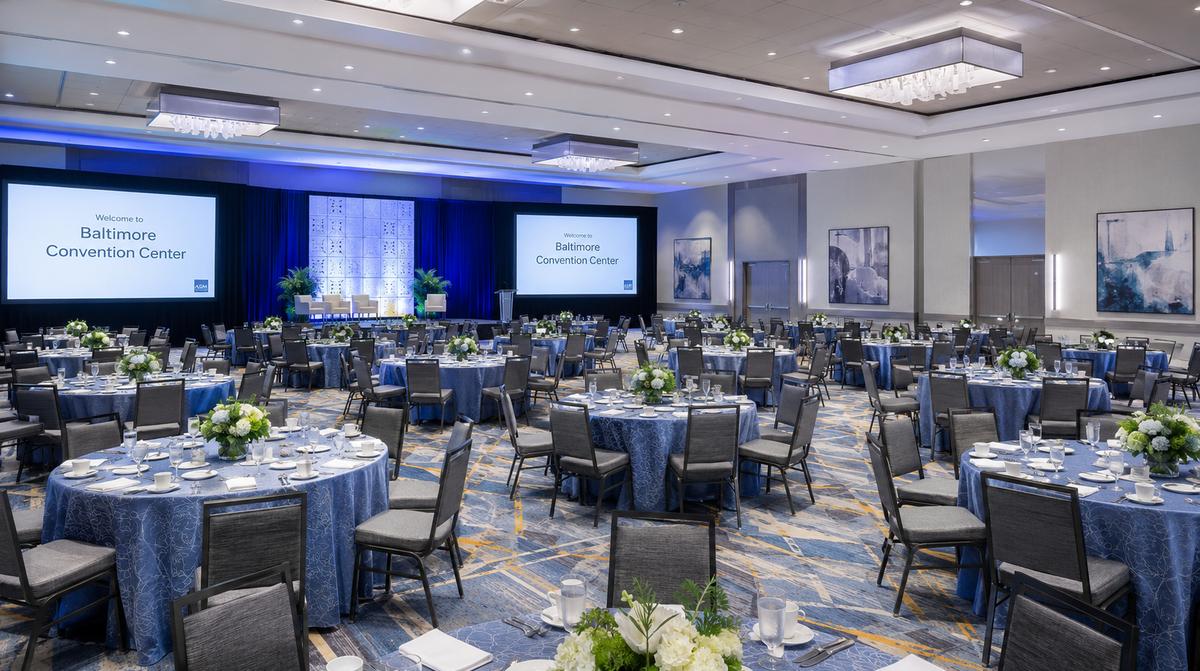
Honolulu hosts events at a scale most visitors never see behind the resort pool decks and lobby bars. The Hawaii Convention Center anchors a steady rotation of national association meetings and trade shows that fill Waikiki's hotel ballrooms for days at a stretch. Along Kalakaua Avenue and the Ala Moana corridor, oceanfront hotels run wedding programs nearly every weekend of the year, often with two or three ceremonies and receptions moving through the same lawn or ballroom in a single day. Kakaako's newer event spaces and the Ward Village development pull in corporate buyouts and product launches that want a more contemporary backdrop than a traditional hotel ballroom. If you manage a hotel banquet department, a standalone event venue, or a restaurant with a private dining program in Honolulu, your furniture inventory has to hold up to a pace and a climate that most mainland suppliers never design for and most properties don't think hard enough about it until a chair frame corrodes or a shipment doesn't arrive in time.
What Honolulu's Event Calendar Actually Requires
The volume question in Honolulu is compounded by geography. A 300-person oceanview ballroom in Waikiki might run a corporate general session Thursday, a wedding reception Friday, and a association luncheon Saturday, each with a different room configuration pulled from the same inventory. That rhythm means your banquet chairs and folding tables get moved, stacked, and reset far more often than a comparable venue in a slower market, and because Honolulu is an island, replacing a damaged piece isn't a next-day errand. It's a freight order with a lead time measured in weeks.
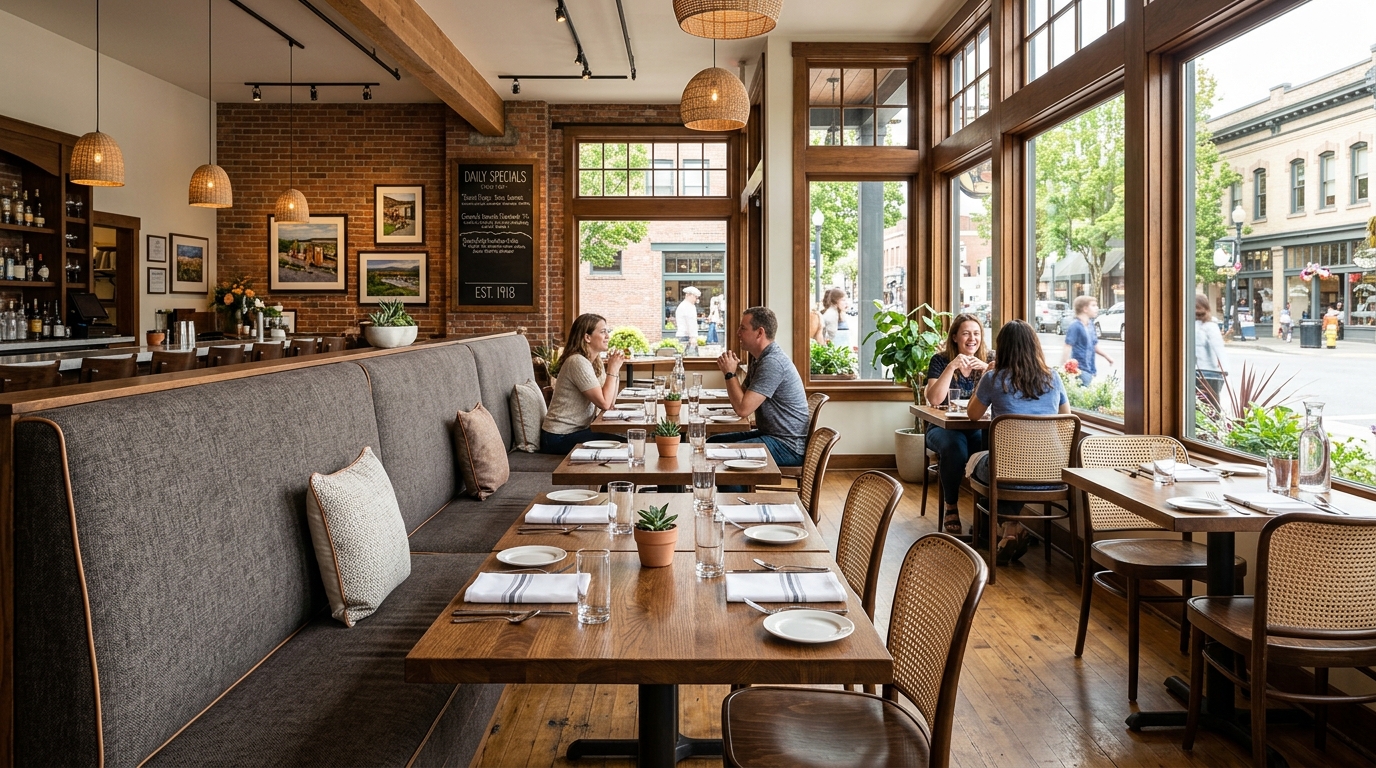
Stackable banquet chairs rated for eight to ten high are the baseline for any Honolulu property running serious volume, and the dolly system matters just as much as the stack rating on the spec sheet. If your banquet crew can't roll a full stack through a service corridor or across a marble lobby floor without scuffing it, the rating doesn't help you. Chair carts sized correctly for your specific chair, with rubber wheels that won't mark polished stone or teak flooring, need to be part of the same purchase order as the chairs, not an afterthought ordered separately after the first damaged floor tile.
Folding tables need to cover the full range of formats Honolulu venues actually book. Round tables at 60 inch or 72 inch are the standard for plated wedding receptions and the resort galas that make up a large share of the calendar. Rectangular 6-foot and 8-foot tables handle association breakout sessions, buffet lines for lu'au-style events, and cocktail configurations for oceanfront receptions. Most properties need a healthy stock of both, and the venues that turn rooms around quickly are the ones that never have to improvise a format on the fly because they didn't order enough of one style.
Chair Spec for Venues from Waikiki to Kakaako
The banquet chair is the piece of furniture a guest sits in for three or four hours at a stretch, and it's also the piece your staff handles hundreds of times a week during setup and breakdown. Those two demands don't always line up, and the commercial chairs worth buying are built with both in mind.
Frame material carries extra weight in Honolulu because of the climate. Coastal humidity and salt-laden air accelerate corrosion on any metal that isn't properly finished, which is a bigger factor here than in most mainland markets. Steel frames need a powder-coat or plated finish rated for coastal exposure, and aluminum frames, while lighter and easier on staff moving large quantities frequently, still need a marine-grade finish if they're going to hold up in a property with open-air lanai seating or oceanfront function space. In the resort wedding market along Waikiki and the North Shore, Chiavari chairs and tropical-finish wood chairs remain the dominant choice because they photograph well against an ocean backdrop and match the formality couples are paying for. For convention-heavy properties near the Hawaii Convention Center, reset speed and corrosion resistance usually outweigh aesthetics, and a padded aluminum or coated steel stacker is the more practical spec.
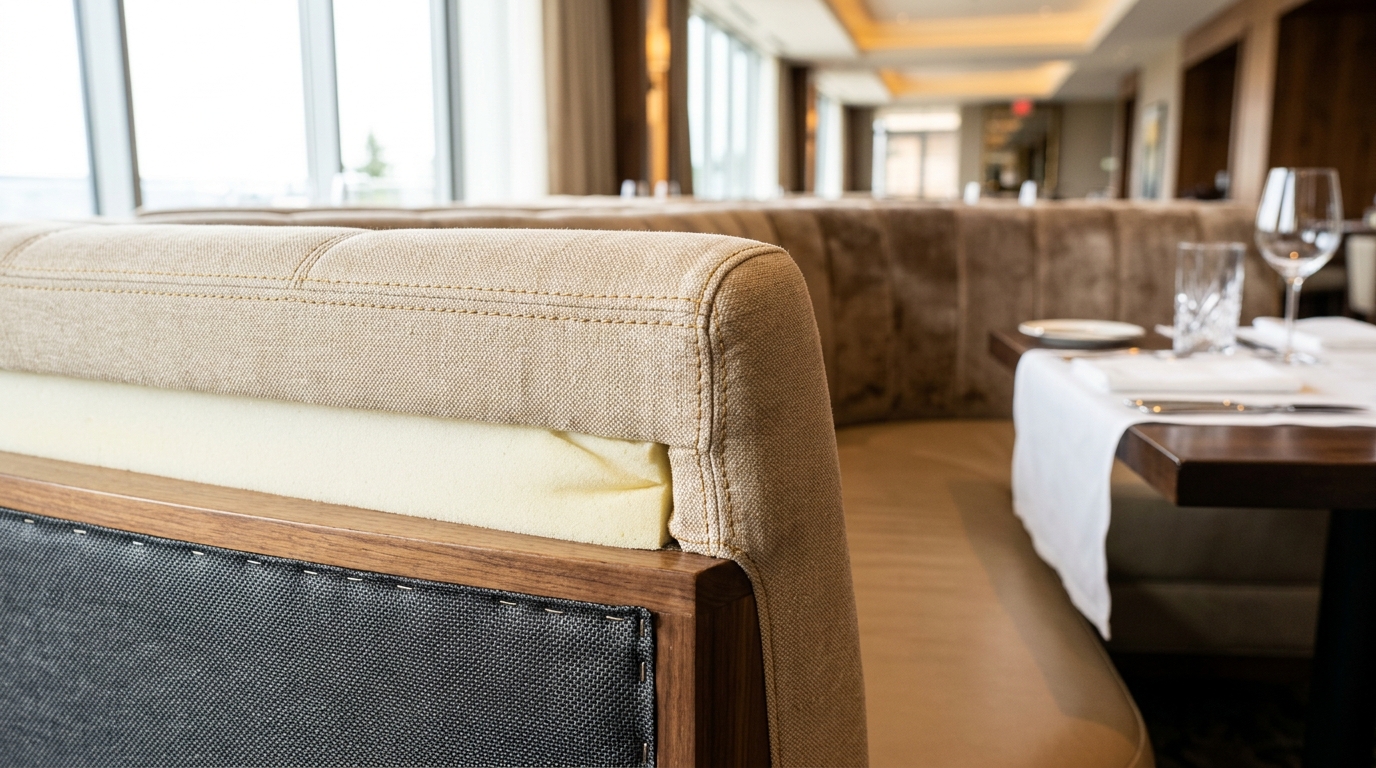
Foam density in the seat and back pad matters more here than the spec sheet suggests, and humidity accelerates the breakdown of low-grade foam faster than it would in a dry climate. Entry-level chairs often compress and lose shape within a year or two of regular use in a humid coastal environment, and guests notice a deflated chair the same way they'd notice a stained tablecloth. High-density foam holds its profile through years of daily resets and is worth paying for on a chair program you expect to run for seven to ten years without replacing.
Folding Tables and the Realities of Island Storage
Folding tables are unglamorous, but they're where a Honolulu venue's reset efficiency actually gets decided. A table with a weak hinge develops wobble, and a wobbling table under a floral centerpiece at an oceanview reception gets noticed by every guest at that table. Commercial-grade folding tables use reinforced steel hinges and, on longer rectangular runs, a center support leg that keeps the surface flat once it's loaded with chafing dishes and place settings.
Surface finish matters in Honolulu's climate in a specific way. High humidity and frequent indoor-outdoor event transitions between an air-conditioned ballroom and an open lanai put real stress on cheaper laminates, which can delaminate or warp faster than they would in a drier mainland market. High-pressure laminate resists that swing, cleans up fast between back-to-back events, and doesn't absorb the humidity the way a budget veneer will over a few seasons.
Storage is the constraint that shapes almost every furniture decision on Oahu. Real estate is expensive and back-of-house square footage is limited, especially in older Waikiki towers built before event operations were part of the design brief. Newer properties around Ward Village and Kakaako tend to have dedicated storage bays, but plenty of established resort hotels are working with whatever space is left over. If your storage footprint is tight, that should shape your spec directly, chairs that stack to twelve high take up meaningfully less floor space than chairs that top out at six, and across a full banquet inventory that difference adds up fast.
Buying in Volume and Planning Around Shipping
Because everything arrives by ocean freight or air cargo, lead time is the single biggest planning factor for Honolulu properties that mainland venues rarely have to consider. Buying your full chair and table program in one order, rather than placing smaller reorders as needs come up, keeps your inventory visually consistent (matching frame finish and fabric color across a full ballroom reads as intentional) and avoids the scramble of an expedited shipment arriving days before a major convention group.
A supplier who understands hospitality contract furniture and island logistics can walk you through realistic lead times before you commit to an order date, help you plan storage footprint against your actual back-of-house space, and flag coastal-grade finish requirements before a corrosion problem shows up two years into ownership. For a Honolulu property with a convention or wedding season booked out months in advance, getting furniture on site with real buffer time isn't optional. Once the Hawaii Convention Center calendar fills and the resort wedding season is underway, there's no fast reorder to fall back on.