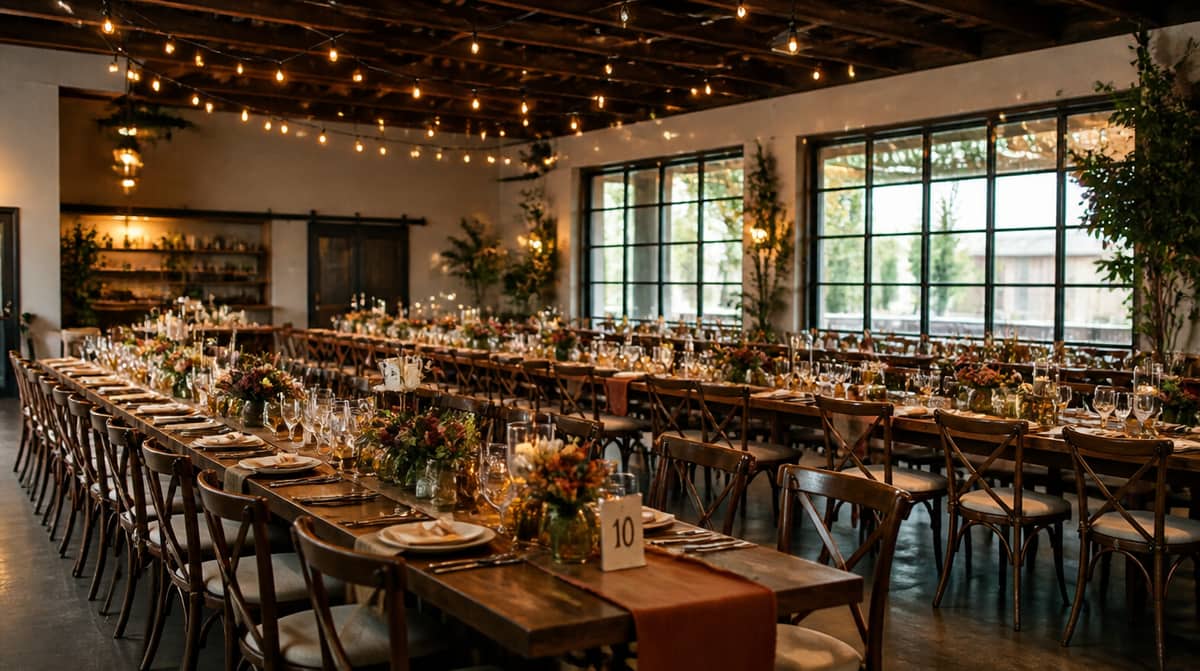
Cheyenne is a smaller market than Denver or Salt Lake, but its event volume punches well above its population. Cheyenne Frontier Days brings in ten days of sponsor dinners, hospitality tents, and evening receptions every summer, and the ripple effect hits every hotel ballroom and event hall in town for weeks on either side of it. Add in the steady stream of state government functions tied to the capitol just blocks from downtown, a wedding market that leans on venues along the historic Depot District and out toward the ranch and event properties on the edge of town, and a corporate meeting calendar built around the rail and energy industries, and you get a banquet furniture demand curve that looks a lot like a much bigger city's. If you run a hotel banquet department, a standalone event hall, or a private dining program in Cheyenne, your furniture inventory carries more weight than most operators outside the market would guess.
What Cheyenne's Event Calendar Actually Requires
The volume question shows up hardest during Frontier Days and the weeks around it, when a single ballroom might turn over from a sponsor luncheon to an evening reception to a Saturday wedding inside 48 hours. That kind of turnaround means your banquet chairs and folding tables get stacked, rolled, and reset far more often than a typical mid-size market would suggest, and furniture built for occasional use starts showing wear within a single season.
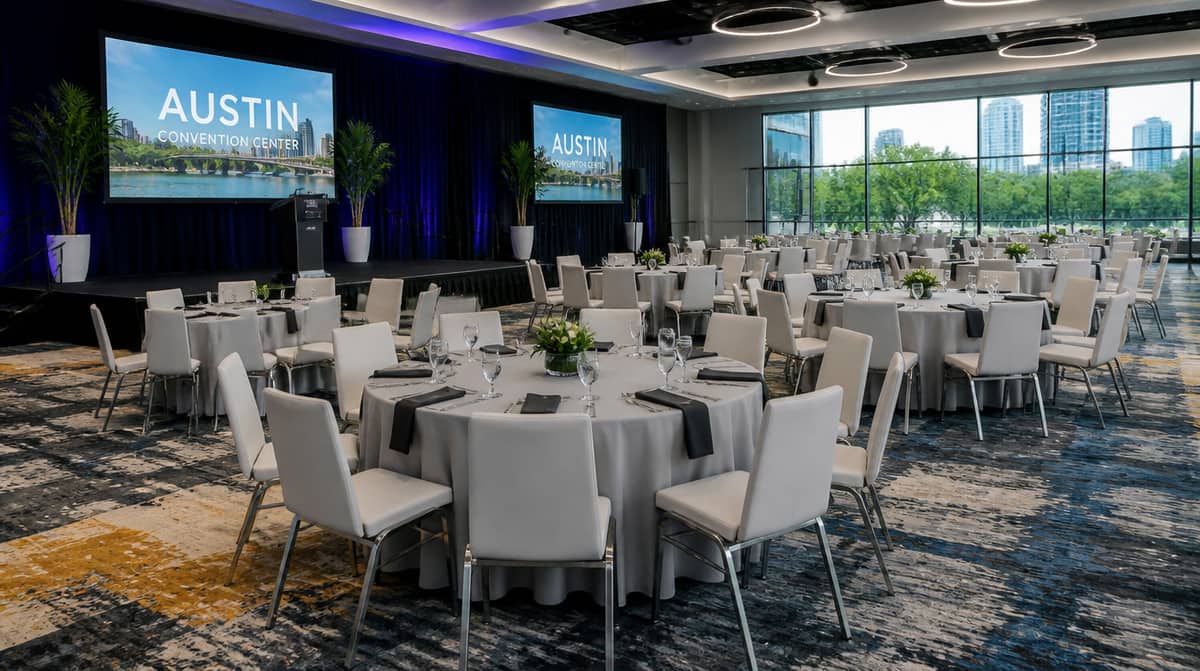
Stackable banquet chairs rated for eight to ten high are the right baseline for any Cheyenne property doing regular event business, and the chair cart you pair with them matters just as much as the stack rating on the spec sheet. Wyoming winters mean a lot of event traffic gets funneled through service corridors and loading areas that see snow melt and grit tracked in, so a cart with rubber wheels that won't skate on a wet concrete transition, and a frame that holds a full stack square without tipping, saves your crew real time and prevents damaged chairs during the exact weeks you can least afford it.
Folding tables need to cover the actual range of formats Cheyenne venues book, not just the most common one. Round tables in 60-inch and 72-inch sizes are the default for plated wedding dinners and Frontier Days sponsor banquets. Rectangular 6-foot and 8-foot tables get pulled for legislative session lunches, classroom-style training sessions tied to the energy and rail sector, and buffet lines during larger receptions. Properties that keep both formats in sufficient quantity are the ones that can say yes to a booking without scrambling to rent the difference.
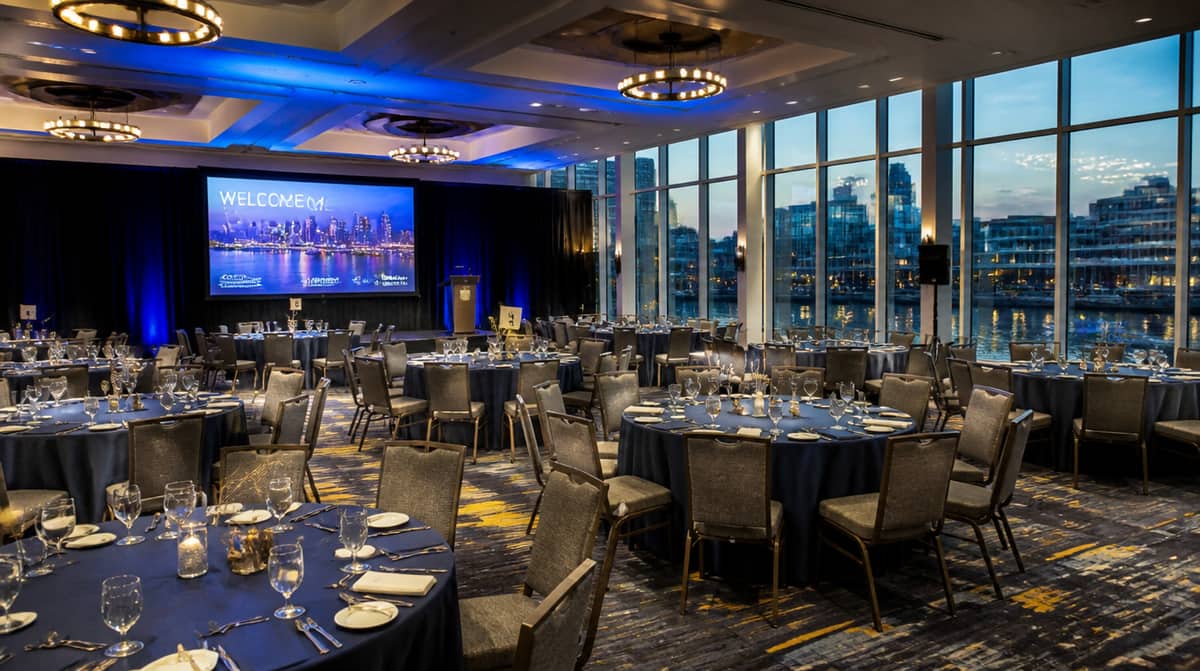
Chair Spec for Properties from Downtown to the Ranch Venues
The banquet chair is the piece of furniture a guest sits in for three or four hours at a stretch, and it is also the piece your staff physically handles the most. Those two demands do not always point to the same product, and the venues that get it right choose a chair built for both.
Frame material is the starting decision. Steel frames carry more weight but hold up to the impact of fast, late-night stacking after a long reception, which makes them the safer call for high-turnover properties near the Cheyenne Ice and Events Center or downtown hotel ballrooms running back-to-back bookings. Aluminum frames are lighter and easier on staff moving large quantities across a big room, but they need a heavier gauge to match steel's durability over years of use. For the ranch-style and garden event venues on the edge of town that book a large share of Cheyenne's wedding market, a more formal chair, whether a wood-tone ballroom chair or a Chiavari-style frame, tends to be the expected spec because it photographs well and matches the elevated feel those venues are selling. For convention and corporate bookings tied to state government or energy sector meetings, a padded steel stacker that resets fast usually wins on practicality.
Foam density in the seat and back cushion is easy to overlook and expensive to get wrong. Budget contract chairs compress within a couple of years of regular use, and a chair that feels flattened out communicates the same thing to a guest as a wrinkled tablecloth. High-density foam holds its shape through years of repeated use and is worth paying for on any chair you expect to keep in rotation for seven to ten years.
Folding Tables: The Operational Backbone
Folding tables rarely get much attention, but they are where a fast room flip either goes smoothly or falls apart. A weak hinge develops a wobble, and a wobbling table under a centerpiece at a seated dinner gets noticed by every guest at that table. Commercial-grade folding tables use reinforced steel hinges and, on the longer rectangular formats, a center support leg that keeps the table from sagging once it is loaded with chafing dishes and full place settings.
Surface durability matters in a climate that swings as hard as Cheyenne's does. Dry summer heat during Frontier Days and cold, often windy winters both put stress on tables that move between a heated ballroom, a loading dock, and a delivery truck. High-pressure laminate resists the warping that cheaper veneers develop under those swings, wipes clean fast between events, and holds up to the kind of quick turnaround a ten-day Frontier Days stretch demands.
For Cheyenne venues in the Depot District and other repurposed downtown spaces that book a mix of receptions and smaller corporate events, a table that looks acceptable without a full linen cover, clean edges, no visible hardware, gives a room more flexibility and lets clients see the space as it actually is rather than assuming every booking needs full drape.
Buying Volume, Managing Storage, and Working with the Right Supplier
Cheyenne's smaller property footprints mean back-of-house storage is often tighter than it would be in a bigger market. Newer hotel and event properties built with meetings in mind tend to have a dedicated furniture storage room, while older downtown buildings and converted event spaces are frequently working with whatever space is left after everything else got allocated. If storage is a constraint at your property, that should shape your spec directly, since chairs that stack to twelve high take up meaningfully less floor space than chairs that top out at six, and across a full inventory that difference adds up fast.
Ordering commercial furniture in volume from a single contract supplier, rather than piecing an inventory together from several smaller purchases, keeps a room looking consistent. Chairs from different orders that turn out to be slightly different shades, or frames that do not quite match in weight, create a visual mismatch that event planners and photographers pick up on even when guests do not. Locking in one model for your full program, and documenting it clearly for reorders, keeps your inventory looking intentional for years.
A supplier familiar with the hospitality contract market can walk you through your storage footprint before you place an order, help you plan cart and dolly logistics for fast resets, and give you realistic lead times when you are working against a renovation date or trying to be ready before Frontier Days season hits. For a Cheyenne property that does serious event volume, getting furniture on site well ahead of that ten-day rush is not optional, since the calendar around it fills up fast and your banquet program needs to be ready when it does.