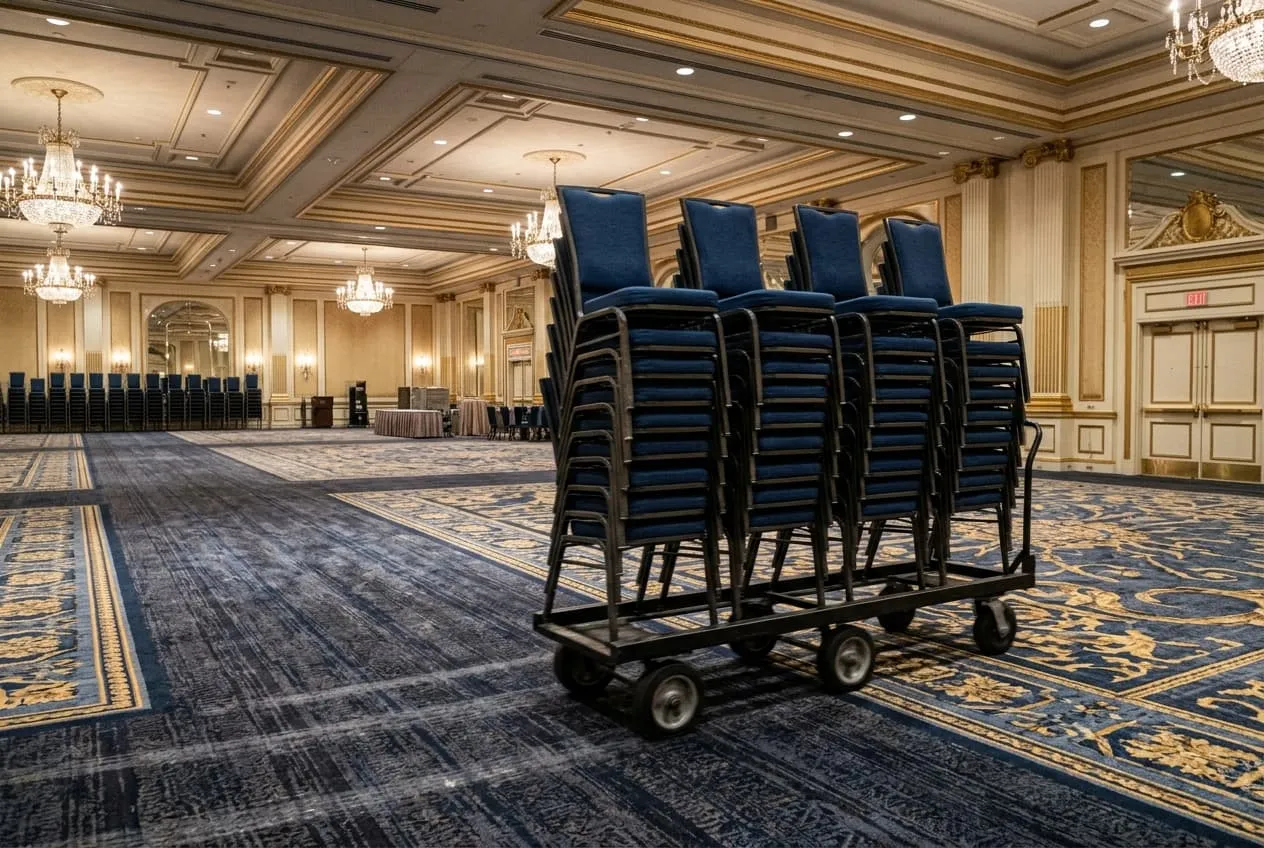
Albuquerque's event calendar has a rhythm most operators outside New Mexico don't fully appreciate. The Albuquerque Convention Center downtown anchors a steady flow of regional conferences and trade shows, but the real volume test comes every October when Balloon Fiesta fills every hotel ballroom, resort banquet hall, and private event space in the metro for two solid weeks. Add in the wedding and gala market clustered around Old Town and Nob Hill, the resort casino ballrooms at Sandia and Isleta, and the corporate meeting business along the Journal Center corridor, and you get a market where furniture inventory sits under constant, uneven pressure. If you run a hotel banquet department, a standalone event venue, or a resort meeting program in Albuquerque, your chairs and tables are working equipment, not decor, and the properties that treat them that way spend a lot less time firefighting.
What Albuquerque's Event Calendar Actually Demands
The seasonality here is the first thing to plan around. A property that runs a modest banquet schedule most of the year can suddenly be flipping three rooms a day during Balloon Fiesta week or the fall conference season, and furniture that looked adequate in a quiet June suddenly gets exposed. Your banquet chairs and folding tables need to survive that kind of compressed, high-frequency use without the wobble, torn upholstery, or bent frames that show up when equipment is asked to do more than it was built for.
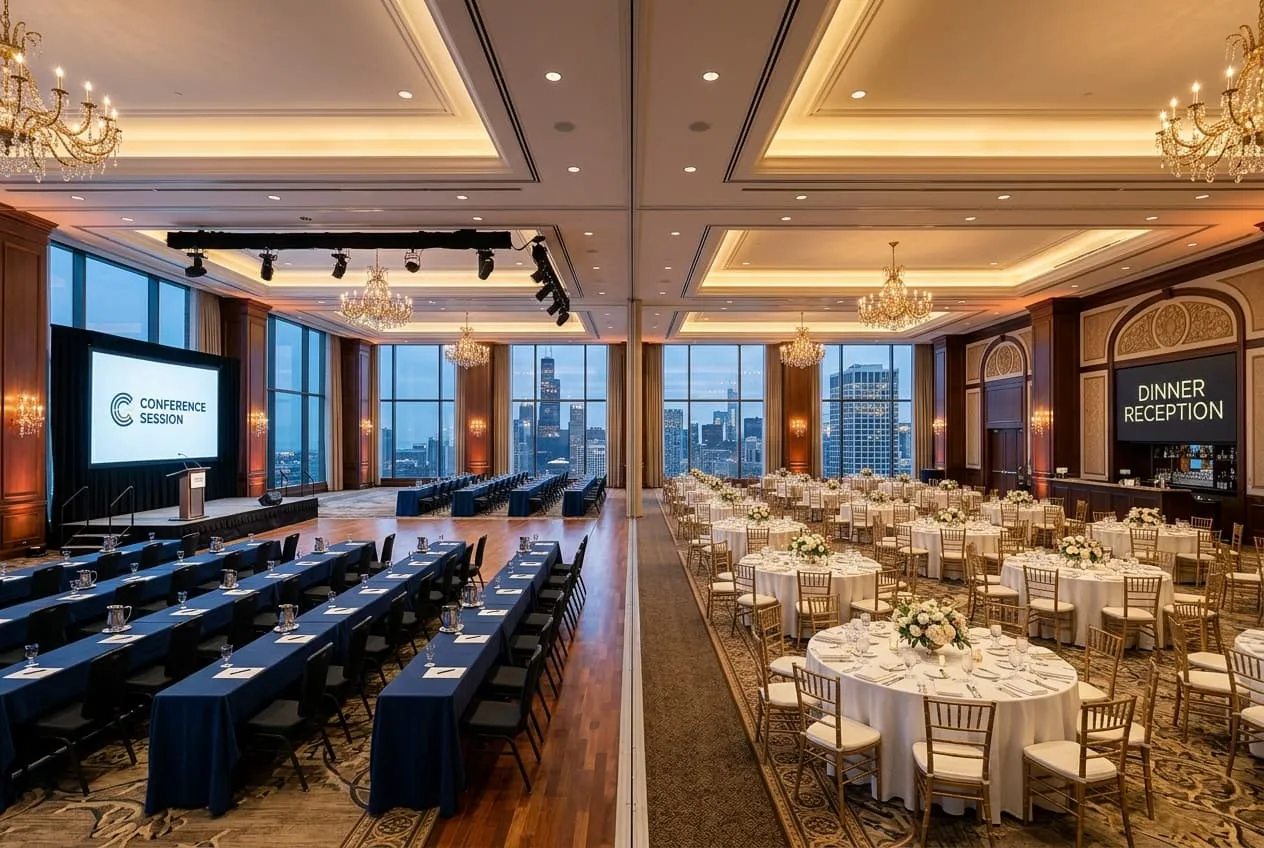
Stackable banquet chairs rated for eight to ten high are the right baseline for any Albuquerque property that runs conferences, weddings, and resort galas on overlapping calendars. The stack rating only pays off if the cart system matches it. Chair dollies sized to your specific frame, with wheels that roll cleanly across polished ballroom floors and through back-of-house service corridors, keep a fast turnover from turning into a staffing headache. Properties near the Convention Center that run tight back-to-back conference schedules feel this the most, since a slow reset can eat directly into the next group's setup window.
Folding tables need to cover the full range of formats your bookings actually require, not just the one you use most. Round 60-inch and 72-inch tables are the default for plated wedding dinners and resort galas, while rectangular 6-foot and 8-foot tables get pulled for classroom-style meetings, buffet lines, and cocktail configurations. Properties that keep enough of both in inventory avoid the scramble that happens when a sales team books a format the warehouse wasn't stocked for.
Chair Spec for Venues from Old Town to the Resort Corridor
The banquet chair is the piece of furniture your guests sit in for hours at a stretch, and it's also the piece your crew handles the most during a room flip. Getting the spec right means balancing guest comfort against the abuse the chair takes behind the scenes.
Frame material is the starting point. Steel frames hold up well to the impact of repeated stacking, which matters at resort and convention properties where staff are moving fast at the tail end of a long event night. Aluminum frames are lighter and easier to move in volume, but need a thicker gauge to match steel on durability. In Albuquerque's wedding and gala market around Old Town, Nob Hill, and the resort ballrooms, Chiavari chairs remain the standard choice for their formal look and strong photo presence, and they're worth the premium for properties whose bookings lean toward weddings and upscale private events. For convention-heavy operators near downtown or corporate meeting venues along Journal Center, a padded steel-frame stacker built for speed and durability is usually the smarter buy.
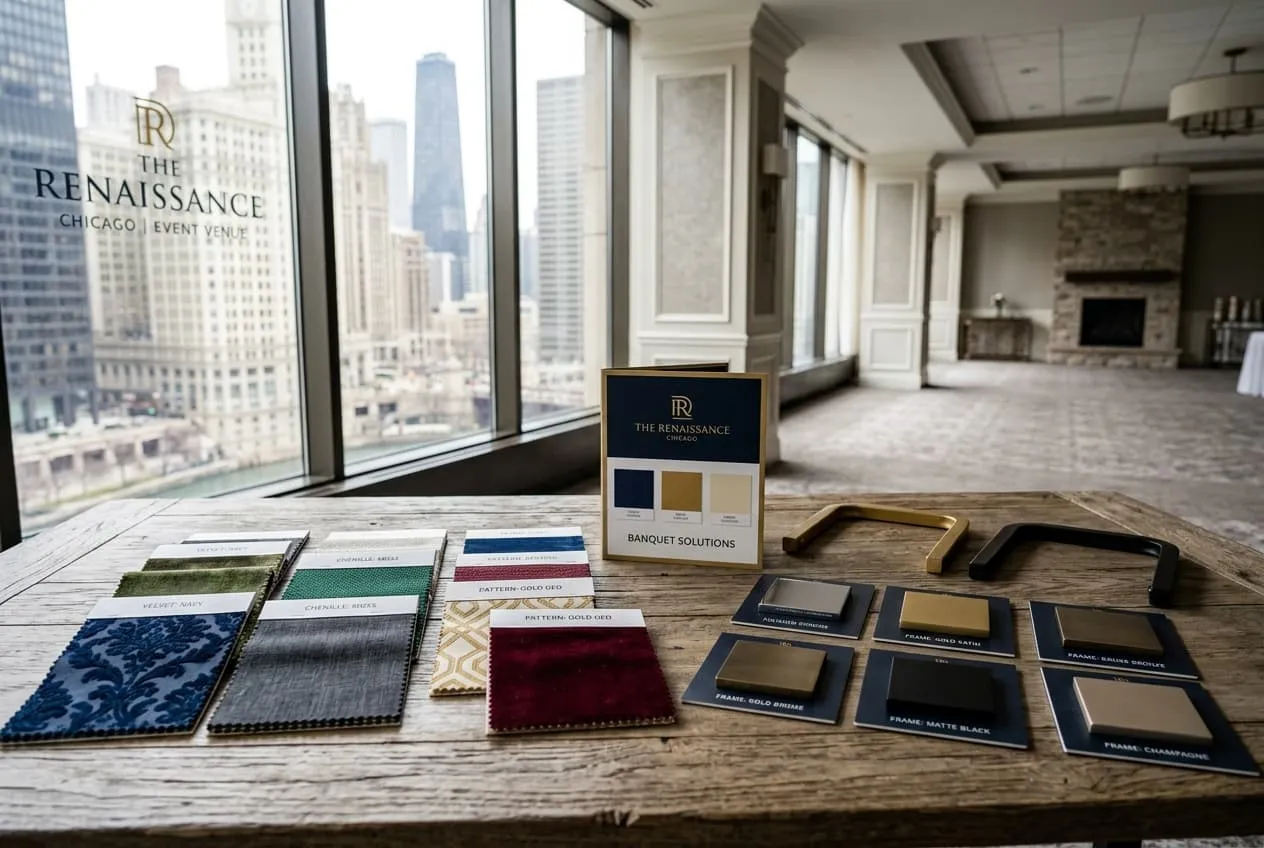
New Mexico's high desert climate makes foam density and upholstery quality worth extra attention. Albuquerque sits at elevation with very low humidity most of the year, and cheaper foams and adhesives can dry out and lose their give faster here than in a more humid market. High-density foam holds its shape through years of regular use, and upholstery fabric rated for UV and dry-climate durability resists the fading and cracking that comes from strong high-desert sun pouring through ballroom windows and lobby glass.
Folding Tables and the Practical Realities of a High Desert Market
Folding tables rarely get much attention until one develops a wobble under a loaded buffet line or a seated dinner, and by then every guest at that table has noticed. Commercial-grade tables use reinforced steel hinges, and longer rectangular formats need a center support leg to prevent sag once chafing dishes, glassware, and linens are loaded on top.
Surface finish matters for a different reason in Albuquerque than it does in a humid market. Dust and dry air are the daily reality here, especially during spring windstorm season, and event spaces running heavy catering programs need surfaces that clean up fast between back-to-back bookings. High-pressure laminate resists the fine grit that works its way into a ballroom from loading docks and outdoor patio spaces, and it doesn't hold onto dust the way a softer or more porous surface will.
For venues near Old Town or in the newer mixed-use event spaces around Uptown, uncovered table aesthetics carry real weight. A table that looks clean and finished on its own, with tight edge profiles and no visible hardware, gives planners more flexibility to skip full linen coverage on casual bookings and lets the room read as intentional rather than makeshift.
Buying Volume, Managing Storage, and Working with the Right Supplier
Storage space is a real constraint at a lot of Albuquerque properties, particularly older downtown hotels and event spaces converted from other uses around Nob Hill and the university area. Resort properties built more recently, including the newer ballroom wings at the casino resorts, tend to have dedicated furniture storage bays sized for their banquet program, but plenty of independent venues are working with whatever back-of-house footprint is left over. If storage is tight, that should shape your spec directly, since chairs that stack to twelve high take up meaningfully less floor space over a full inventory than chairs that only stack to six.
Ordering commercial furniture in volume from a single contract supplier, rather than piecing together smaller orders from different sources, keeps your room looking consistent year after year. Mismatched frame colors or slightly different chair profiles from separate orders are the kind of detail planners and photographers pick up on even when guests don't. Locking in one model for your full program, and documenting it clearly for future reorders, keeps your inventory looking uniform well past the first year.
A supplier who understands the hospitality and resort event space can walk you through storage footprint before you commit to an order, help you plan cart and dolly logistics for fast turnovers, and give you realistic lead times when you're working against a renovation deadline or the run-up to Balloon Fiesta. For an Albuquerque property with a heavy fall conference and event calendar, getting furniture on site well ahead of October isn't optional, since that stretch of the calendar fills up fast and your banquet program needs to be ready the moment those groups arrive.
Tell us about your Albuquerque banquet and event furniture needs and we will turn your quantities, finishes, and timeline into a firm quote. Request a quote whenever you are ready to compare.