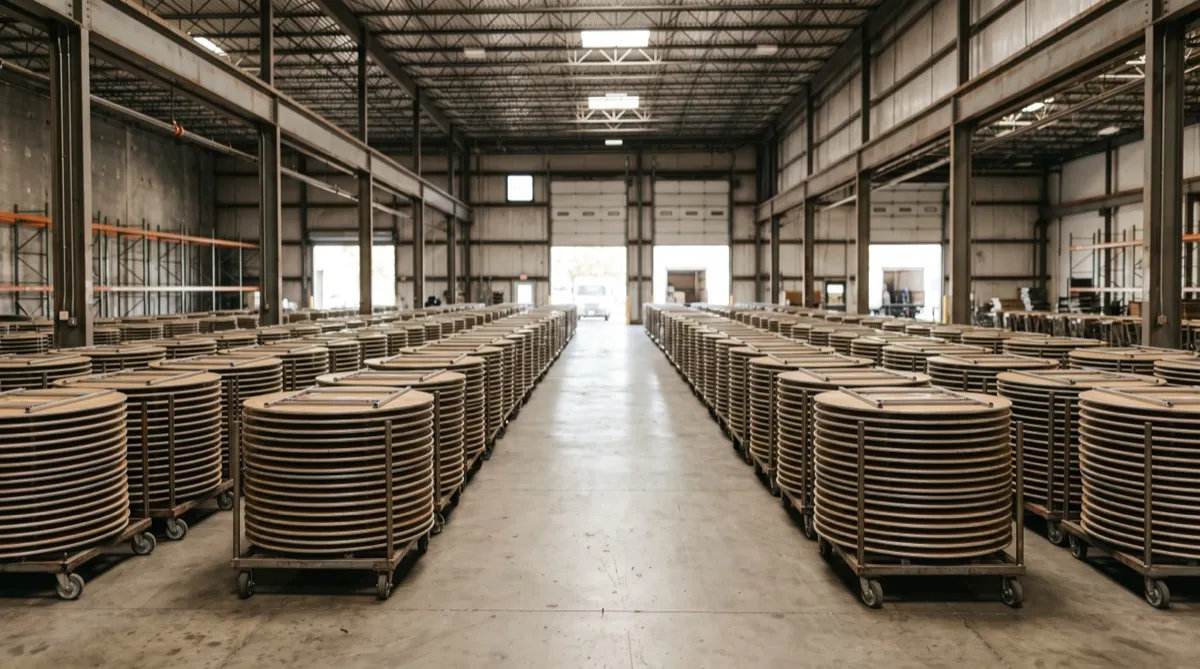
This guide compares 60 inch and 72 inch round banquet tables for ballroom and event seating. The two sizes are not interchangeable. Using eight guests at a 60 inch round and ten at a 72 inch round changes the number of tables needed and the room and storage footprint. The larger diameter does not automatically give each guest more table-edge space when two guests are also added. Get the size wrong at 100 or 200 units and you either run short on seating or run out of ballroom floor.
This is a buying guide for venues, hotels, and event companies ordering round banquet tables wholesale, not one-off rentals.
60 inch vs 72 inch: what actually changes
Compare the actual top, core, edge and folding base for each model. A shared diameter does not establish construction or load rating; this size comparison focuses on capacity and footprint.
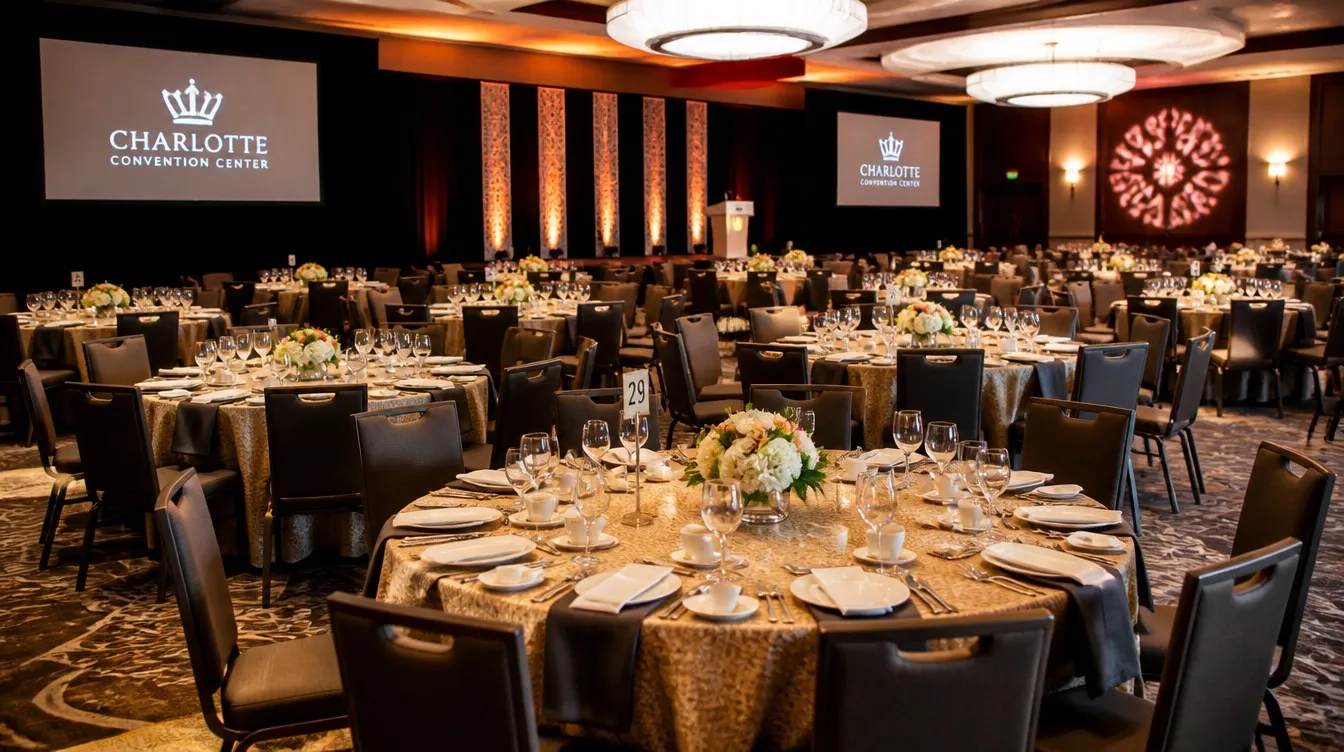
A 60 inch round seats 8 guests with standard place settings and comfortable elbow room. A 72 inch round pushes that to 10, which matters for banquet-style dinners with larger place settings, charger plates, or centerpieces that eat into usable table space. The tradeoff is floor space and storage. A 72 inch round needs meaningfully more clearance per table for chairs and aisle access, and it takes up more room on a storage cart. For a ballroom with a fixed footprint, going from 60 inch to 72 inch rounds can reduce total seating capacity even though each table seats more people, because fewer tables fit the room.
Most venues standardize on one size for consistency and swap in the other only for specific event types (a head table, a VIP section, or a smaller private event room).
To compare the table-edge allocation, divide circumference by the planned guests. A 60 inch diameter gives about 188.5 inches of circumference, or 23.6 inches each at eight guests. A 72 inch diameter gives about 226.2 inches, or 22.6 inches each at ten guests. These are arc lengths at the table edge, not aisle clearances or a guarantee of comfort. Check place settings, chair widths, the centerpiece and the occupied chair footprint with the selected furniture.
Wholesale pricing at volume
For an early budget scenario, test $60 to $130 per unit for round 60 inch folding banquet tables. This is an illustrative allowance, not current supplier pricing or a specification for a product. Obtain separate itemized quotes for 60 inch and 72 inch models with the selected top, edge and base, and confirm currency, quantity, freight, tax and service scope. Diameter alone does not establish the price difference or load rating.
Compare the quoted model's construction, documented intended use, load rating, handling instructions and warranty alongside price. A wholesale or retail sales channel does not establish those specifications or guarantee a volume discount. Ask the independent supplier for the maker's documents and a sample where available before committing to the event-use schedule.
Cart storage math
Storage is where round table orders get underestimated. Round banquet tables store on dedicated round-table dollies or carts, typically holding somewhere between 8 and 12 tables per cart depending on cart design and table thickness. A 60 inch round, being smaller and lighter, generally stacks more tables per cart than a 72 inch round.
Run the math before you finalize a quantity. If a property is ordering 120 round tables and a standard cart holds 10 tables, that is 12 carts, and each cart needs its own footprint in a back-of-house storage area or hallway. Multiply the cart count by each loaded cart's width and depth to calculate its parking footprint. Then draw those carts in the storage room with access lanes, doors and turns available. A floor-area total alone does not show whether carts can be reached and removed, and the approved table/cart combination determines the number of tables per cart. This is a common gap in first-time bulk orders: the tables get budgeted for, but the storage carts and the square footage to park them do not.
Freight and lead times
Bulk round table orders ship LTL or full truckload depending on total quantity. Actual freight cost depends on your delivery zip code, whether the site has a loading dock or needs a liftgate, and whether the delivery address is a standard commercial dock or a limited-access site like a hotel loading area shared with other tenants. Have those delivery details ready when you request a quote, since they change the freight line more than almost anything else in the order.
For an initial schedule, test 2 to 6 weeks for a stocked 60 inch or 72 inch configuration and 8 to 14 weeks for custom laminate colors or edge banding. These are illustrative scenarios, not verified availability or delivery commitments. Ask the supplier to confirm the selected model, finish approvals and separate production, transit and delivery dates before committing an opening date or seasonal event calendar.
What to check before ordering at volume
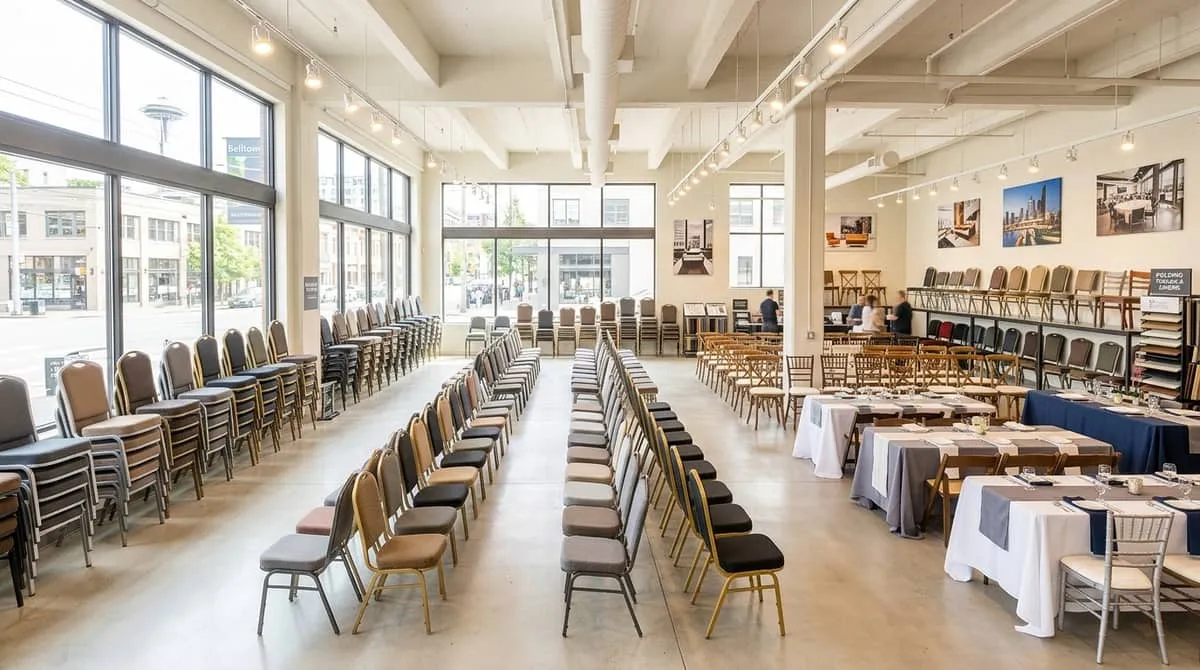
Before you commit to a quantity, confirm the base gauge and leg-lock mechanism (thin bases flex under a full table of place settings), the top's edge banding (vinyl edges hold up better than raw laminate edges under cart handling), a stated weight rating, and whether floor glides are included to protect your ballroom floor finish. If you are ordering upholstered seating alongside the tables, ask about fabric double-rub count as well.
Ready to size an order? Request a quote with your table size, quantity, delivery zip, timeline and storage requirements for relevant independent suppliers to review. Ask the supplier to confirm the model, compatible cart, loaded dimensions, itemized pricing and delivery scope in writing. You can also test allowances with the furniture cost calculator before replacing them with the supplier's quoted terms.