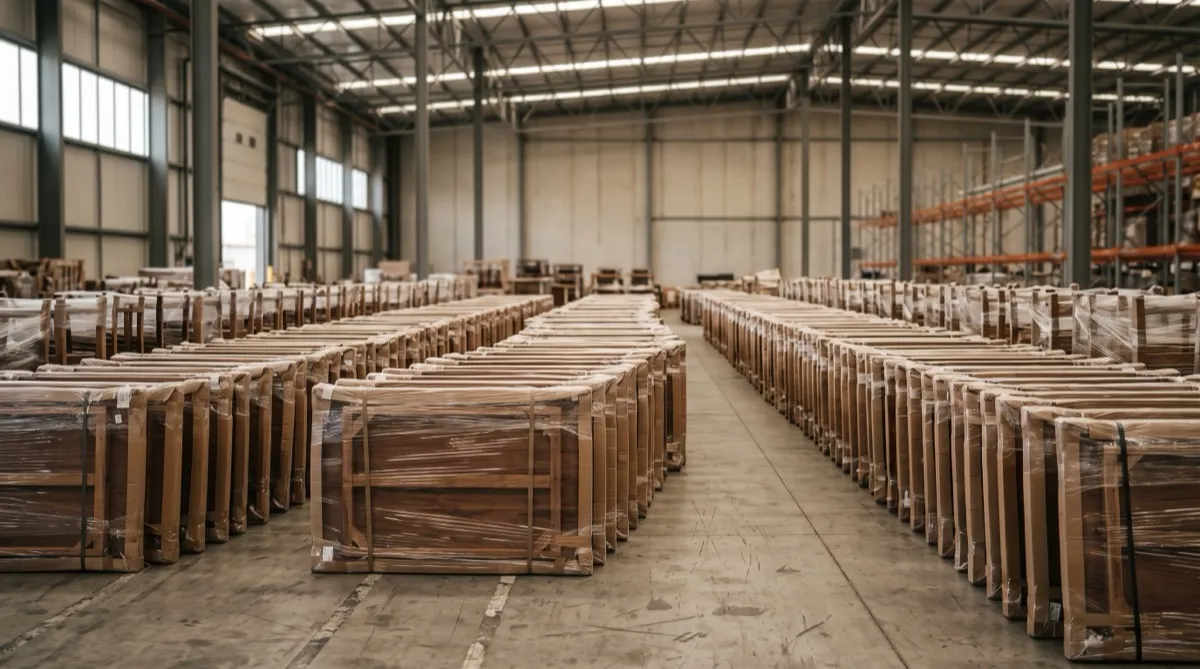
A full dining room order is not one purchase decision, it is two. Every restaurant table is a top and a base, priced and sourced separately, and the buyers who get burned on a bulk table order are almost always the ones who priced the top alone and assumed the base was included. If you are outfitting 40, 80, or 150 covers, here is how wholesale restaurant table pricing actually works, and what to check before you commit to a supplier.
Wholesale means contract-grade, not just a lower number
When a commercial supplier quotes restaurant tables "wholesale," the price drop is only half the story. The other half is that you are buying contract-grade construction instead of a retail table dressed up to look commercial. Contract-grade tops use commercial-grade laminate, butcher block, or solid surface bonded to a moisture-resistant substrate rated for restaurant use, with edge banding that will not lift under years of tray impact and wipe-downs. Bases are welded steel or cast iron, rated for daily commercial cycling, not a decorative pedestal meant for occasional home use. That spec difference is exactly why direct commercial pricing looks different from what you find at a general furniture retailer, and it is why a table that survives five years of dinner service costs more than one that does not survive one.
Buying at volume compounds the savings on top of that base spec advantage. A supplier producing 100 tabletops in one finish run has lower per-unit cost than one producing five, and that efficiency gets passed to you as the order grows.
Pricing tops and bases separately
Restaurant tabletops and table bases are quoted independently because they are manufactured independently, often even shipped separately. A typical mid-size dining room order breaks down like this:
| Component | Typical range per unit at volume | |---|---| | Laminate tabletop, 30" round or 24x30" rectangle | $50 to $110 | | Butcher block or solid surface tabletop | $90 to $220 | | Standard cast iron or steel table base | $60 to $150 | | Bar-height or outdoor-rated base | $90 to $180 |
Mixing and matching tops and bases across a dining room is common and often the smartest way to control cost. High-traffic four-tops might get a durable laminate top on a heavy cast iron base, while a bar-height community table gets a butcher block top on a lighter aluminum base. Pricing them as separate line items lets you make that call table by table instead of accepting a single fixed combo price.
Freight for a full dining room order
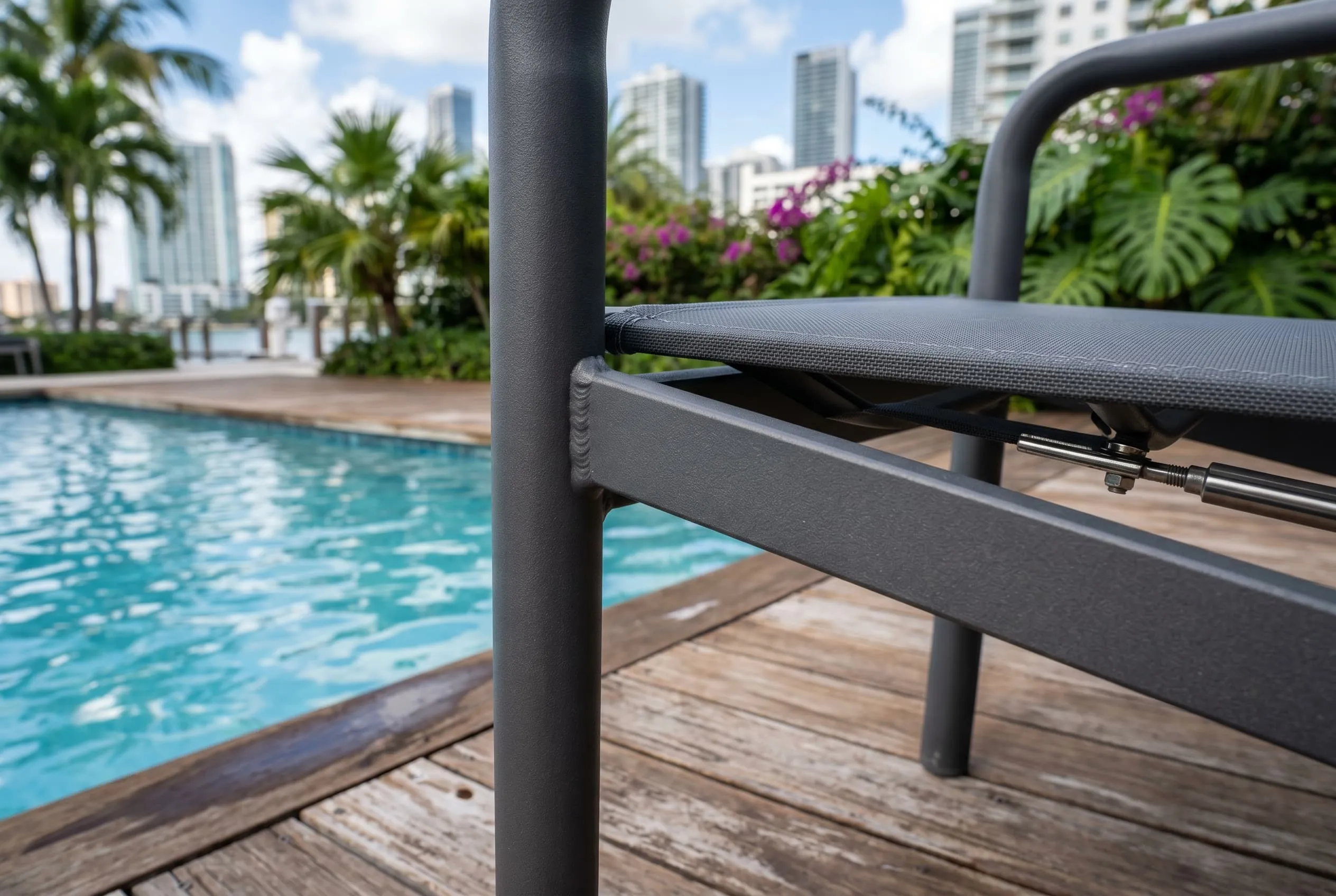
Restaurant table orders ship LTL freight in most cases, and tops and bases frequently arrive on separate pallets, sometimes from separate production runs. That matters for your build-out schedule: if you are opening on a fixed date, confirm both components are scheduled to land together, not two weeks apart. Freight cost depends on your delivery zip code, whether the site has a loading dock or needs a liftgate truck, and whether the address is a commercial location or a limited-access site like a strip mall unit under construction. Have those delivery details ready when you request pricing, because they change the freight line meaningfully on a full dining room order.
Lead times to plan around
In-stock table tops and bases typically ship in 2 to 6 weeks. Custom laminate colors, branded finishes, or non-standard base heights push that to 8 to 14 weeks, since those run through a separate production queue. If your opening date is fixed, that lead time difference is often the deciding factor between a stock finish and a custom one. Order tables before you order the furniture that depends on them, since chairs and barstools are easier to source quickly than a table build that missed its production window.
What to check before you order at volume
Before committing to a bulk restaurant table order, verify a few things on both components. On tops, confirm the edge banding type and whether the laminate or finish is rated for commercial food service use, not residential. On bases, confirm the weight rating and the base footprint versus your tabletop size, since an undersized base under a large top will wobble and eventually fail. Ask whether floor glides or leveling feet are included, since uneven restaurant flooring is the norm rather than the exception. If you are ordering a custom finish, get a physical sample of both the laminate and the base powder coat before you commit to 80 or 150 units, because screen colors and finish swatches do not always match.
Getting a quote for your dining room
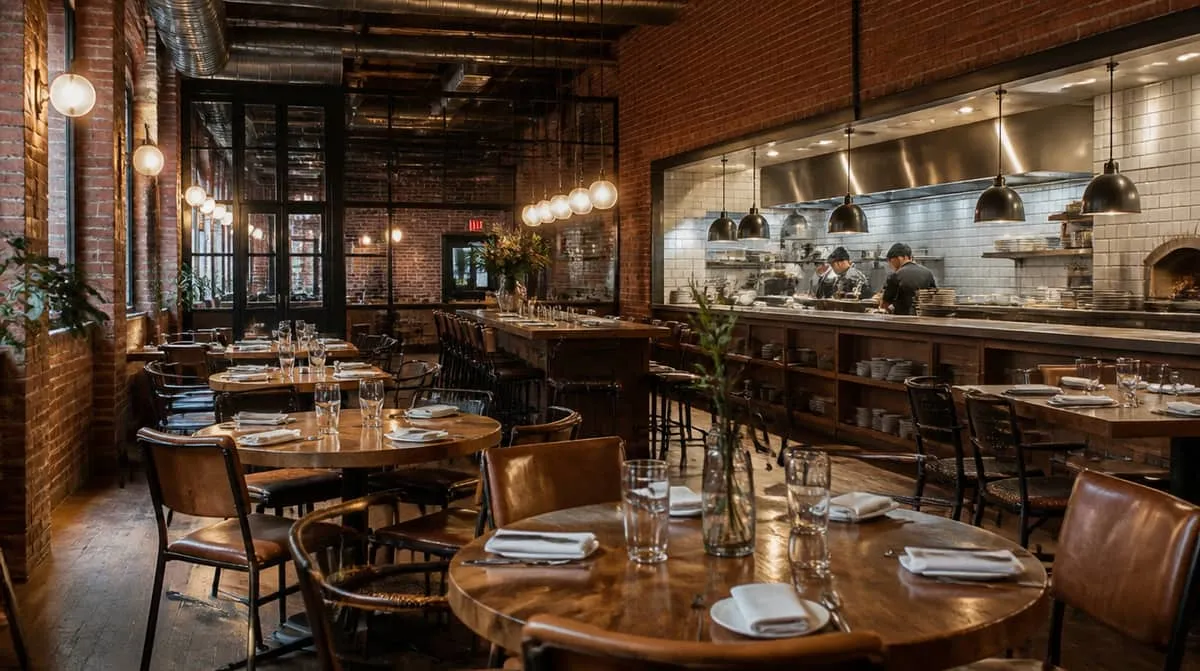
Because tops and bases price and ship independently, a bulk restaurant table quote needs specifics to come back accurate: table shape and size, top material, base style, quantity of each, your delivery zip code, and your target install date. Request a quote with those details and you will get pricing built around your actual dining room, not a generic per-table number. If you are still scoping the budget for a full build-out, run your table count and finish preferences through the furniture cost calculator to get a working estimate before you request formal pricing.
Related reading
Our take
The guide recommends mixing and matching table tops and bases through a dining room to control cost, pairing a durable laminate top with a heavy base in high-traffic areas and lighter combinations elsewhere. That savings tactic works against the freight-timing risk the guide flags separately, since tops and bases already ship on separate pallets and sometimes from separate production runs even when ordered as a matched pair. Mixing components across more distinct SKUs multiplies the number of independent shipments a buyer is coordinating, which raises the odds that one piece of a table arrives without its match.
The bottom line: Operators pursuing the mix-and-match cost strategy should request a delivery date for each individual top and base combination, not just an overall order date, since spreading a dining room order across more distinct components increases the chance that a top and its intended base do not land the same week.