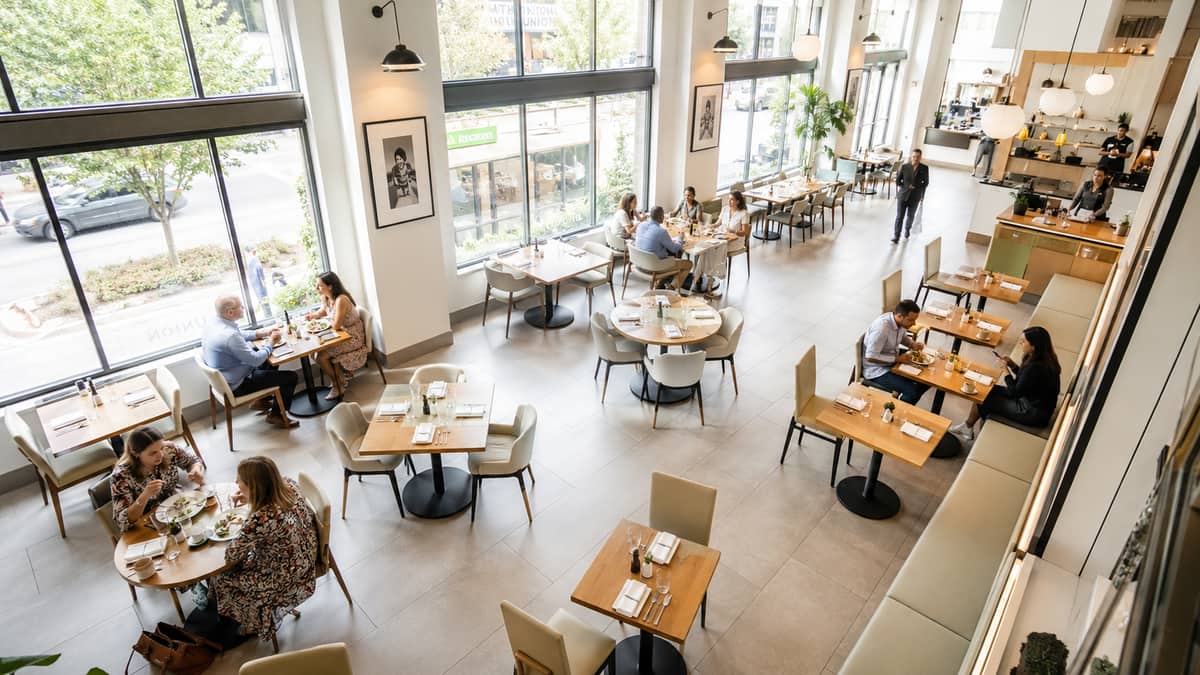
Savannah's restaurant scene punches well above its size because of tourism volume. River Street and City Market alone push a steady stream of walking tour groups, cruise passengers, and weekend visitors through dining rooms that a comparably sized inland city would never see. Add a strong local dining culture around the squares and a growing food scene near the Starland district and midtown corridors, and you get a restaurant furniture market that has to perform at volumes closer to a much larger city. If you are sourcing seating and tables for a Savannah restaurant project, here is why contract-grade furniture is not optional.
Why Contract-Grade Furniture Is the Minimum Specification
Retail dining furniture is built for a home dining room that gets used a handful of times a week. A Savannah restaurant near River Street or City Market can turn chairs and tables dozens of times in a single day during peak tourist season, and that use pattern does not let up much across the calendar the way it might in a market with a real off season. Add the coastal humidity that keeps wood joinery and fabric backing under constant moisture stress, and retail-grade furniture simply does not hold up.
Contract-grade dining chairs are built with reinforced frame joinery rated for continuous commercial use, not occasional residential use. Upholstered seating uses commercial-rated fabrics with Martindale rub counts suited to constant turnover, along with mildew-resistant foam and backing appropriate for a humid coastal environment. This is the baseline expectation for any restaurant, cafe, or bar sourcing furniture in Savannah, whether you are outfitting a full-service dining room downtown or a fast-casual counter service concept.
Materials and Upholstery for Savannah's Range of Environments
Savannah restaurants span a wide range of concepts, from formal historic district dining rooms to casual patio-forward spots near the riverfront, and material selection needs to match. A white tablecloth restaurant in a converted historic building calls for upholstered seating with a refined look and commercial-grade construction underneath, frames that can take daily wear without showing it and fabric that holds color and texture through frequent cleaning in a humid climate.
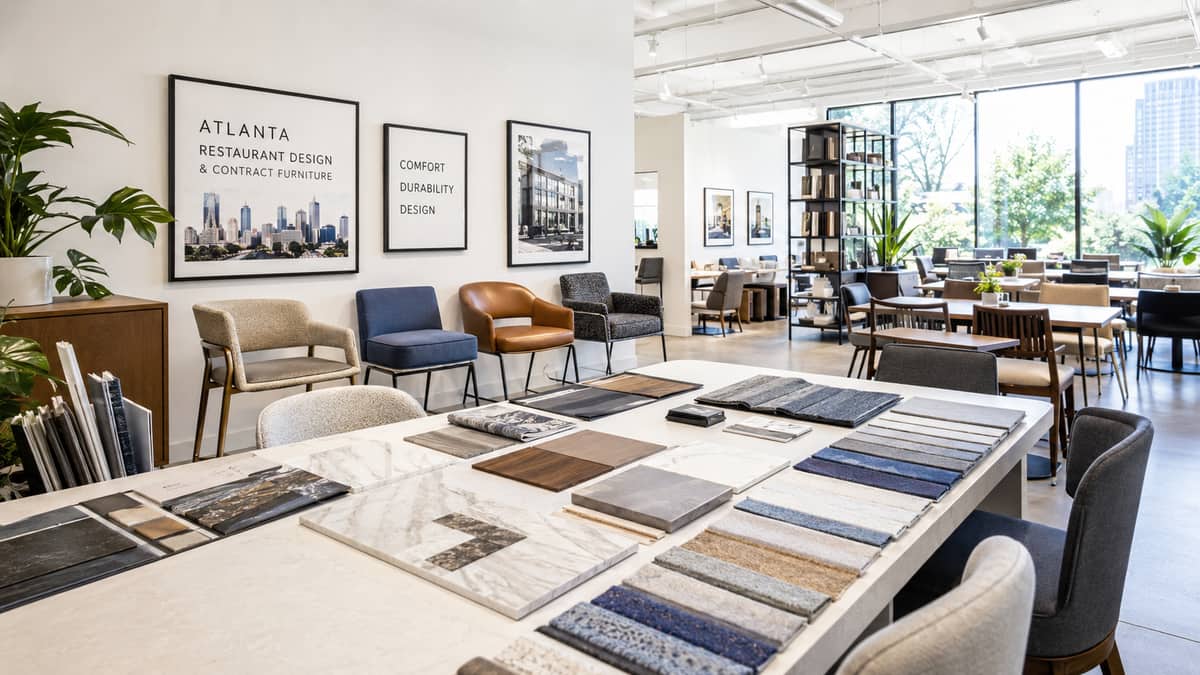
A casual dining or brewery-style concept near the riverfront or in a repurposed warehouse space benefits from a more durable, lower-maintenance material palette, powder-coated metal frames, solid wood with a commercial sealant finish, and upholstery chosen for stain resistance over refinement. Humidity resistant finishes matter across both categories. Wood furniture in Savannah's climate needs sealants rated for sustained moisture exposure, and metal frames need powder coating that resists salt air corrosion, especially for concepts with any outdoor or semi-outdoor seating near the river.
Tables and Bases: Getting the Specification Right for Savannah Venues
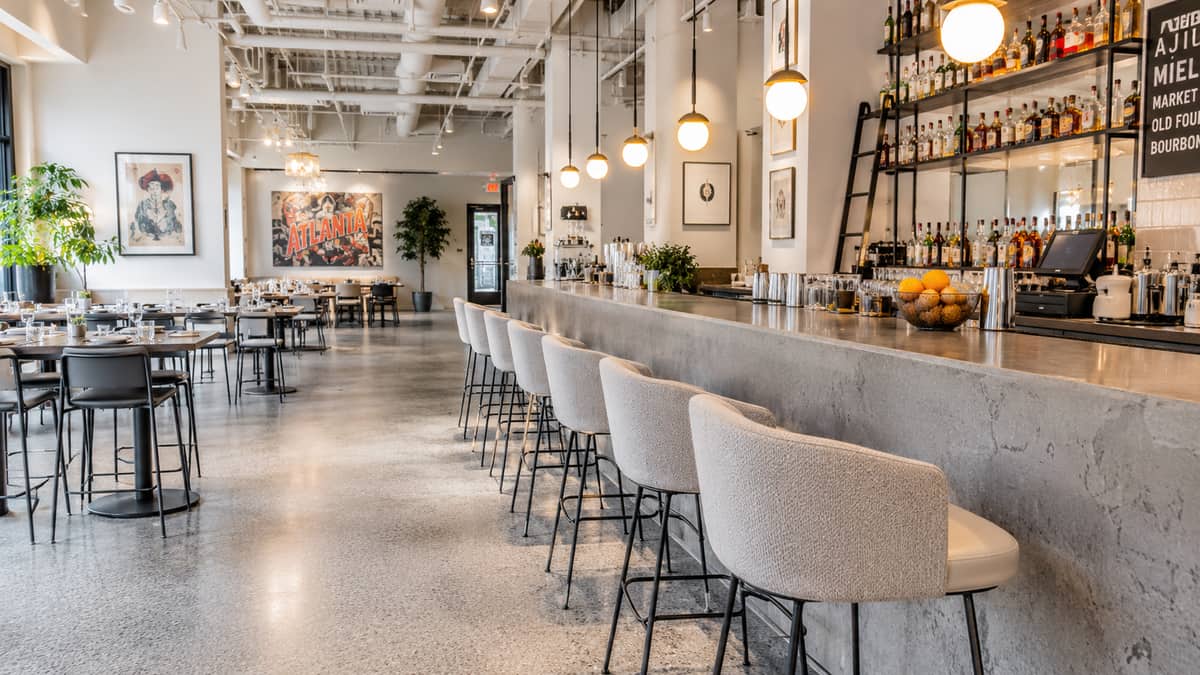
Table selection follows the same logic as seating. High-traffic tourist corridor restaurants near River Street and City Market need table tops that resist scratching, water rings, and heat damage, laminate and solid surface options both perform well here when properly rated for commercial use. Table bases need to handle frequent repositioning as parties are seated and combined throughout service, which means reinforced center columns and floor plates rated for repeated movement, not decorative bases meant to sit in one place.
For restaurants with patio or courtyard seating, a real consideration in a city built around historic squares and garden spaces, table tops and bases need to be rated for outdoor exposure with UV-stable finishes and hardware that will not corrode in salt-laden coastal air. Cushions for any outdoor seating should use solution-dyed acrylic fabric that resists fading and moisture retention through Savannah's long humid season.
Finding the Right Supplier Relationship for Savannah
The right restaurant furniture supplier in Savannah understands both ends of this market, the historic district concepts competing for tourist dollars and the growing local dining scene serving residents in the midtown and Starland corridors. Ask potential suppliers about lead times realistically. Standard production runs 8 to 14 weeks for domestic contract furniture, and restaurant openings rarely have slack in the schedule once a lease is signed and buildout begins.
Ask about minimum order quantities too. A 40-seat independent restaurant has very different volume needs than a 200-seat multi-concept venue, and a supplier who can work within smaller minimums without inflating per-unit cost is a better fit for most of this market. Finally, ask how they handle replacement stock. Chairs and tables in a high-volume Savannah dining room wear out on a predictable cycle, and a supplier who can quickly match your original spec for replacement pieces saves you from a mismatched dining room down the line. Get a quote with your seat count and concept details to start the conversation.
Related reading
- Restaurant lounge seating: specs for bar-adjacent and waiting areas
- What is contract furniture
- Commercial furniture vs retail
- Hospitality furniture supplier guide
- Restaurant dining chairs
- Restaurant barstools
- Restaurant tables
- Bar lounge furniture in Savannah
- Commercial patio furniture in Savannah
- Commercial furniture in Georgia