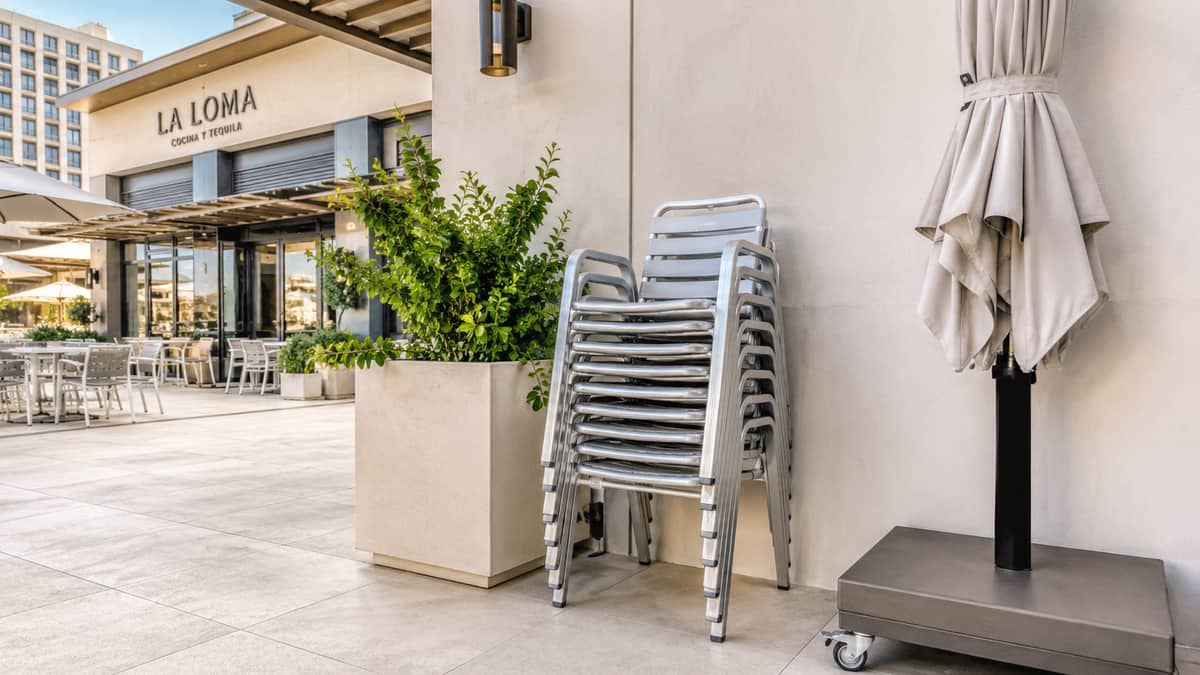
Savannah's outdoor dining and lounge culture is one of the city's biggest draws, courtyards tucked behind historic buildings, rooftop bars overlooking the river, and restaurant patios spilling onto squares throughout the Historic District. That same coastal setting that makes outdoor seating so appealing is also what wears out the wrong furniture fast. If you are sourcing commercial patio furniture for a Savannah property, the climate has to drive the specification from the start.
Savannah's Climate Actually Requires More, Not Less
Coastal humidity, salt air, and a hurricane season that runs from June through November put real stress on outdoor furniture here. Salt-laden air corrodes untreated metal hardware and frames far faster than an inland climate would. Sustained humidity keeps cushion fabric and foam under near-constant moisture exposure, which means mildew and fading show up quickly on anything not specifically rated for it. And a property that wants to keep furniture usable through storm season needs pieces built to be secured, stacked, or moved indoors quickly without damage.
None of that means avoiding outdoor seating in Savannah, it means specifying differently than you would in a drier or more temperate market. Powder-coated aluminum frames with a marine-grade or coastal-rated finish resist salt air corrosion far better than standard powder coating. Stainless steel hardware, rather than standard steel, holds up to the same exposure without rusting through fasteners and joints.
What the Historic District, River Street, and the Coastal Corridor Actually Require
Historic District courtyard and square-adjacent patios need furniture that fits the architectural character of the setting, wrought iron-style aluminum frames and finishes that read as traditional rather than overtly modern tend to work best against Savannah's historic backdrop. River Street and riverfront properties take the most direct salt air and humidity exposure in the market, and furniture there needs the highest tier of coastal-rated finish and hardware available.
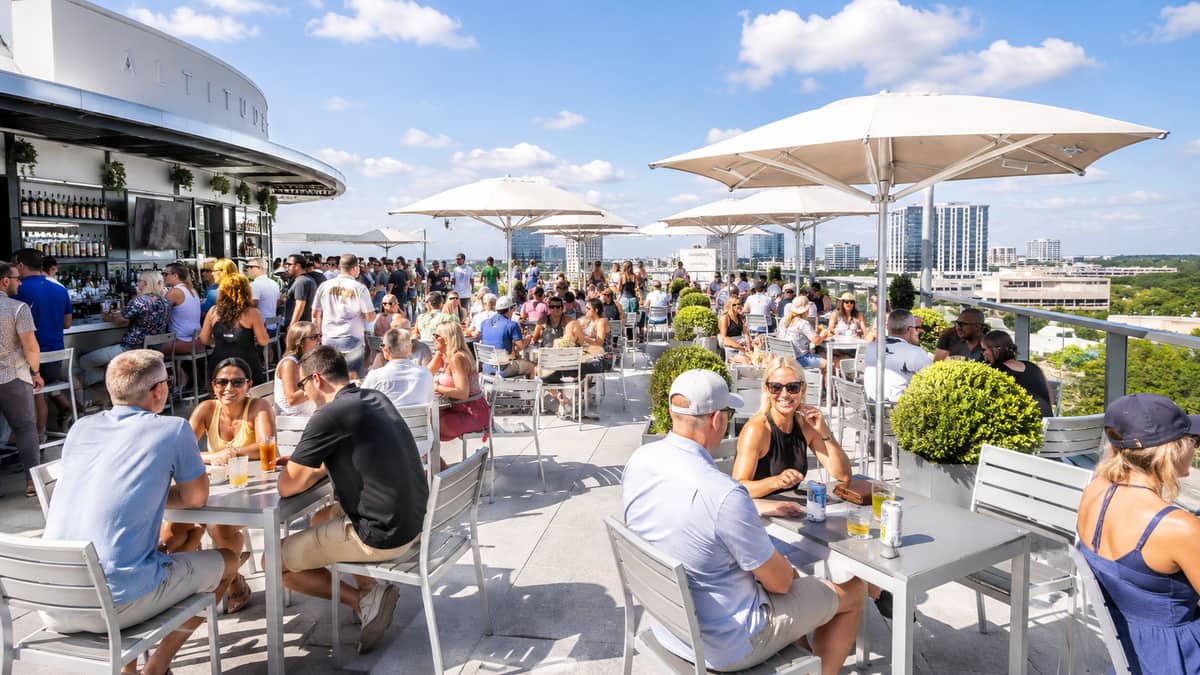
Properties along the airport corridor and further inland toward Pooler see less direct salt exposure but still contend with Savannah's heavy year-round humidity, so UV-stabilized finishes and mildew-resistant cushion construction still matter even away from the water. Wherever the property sits, hurricane season logistics deserve a real conversation with your supplier, furniture that can be quickly stacked, secured, or moved indoors reduces storm damage risk and insurance exposure compared to bulky pieces that have to be left in place.
Humidity, Salt Air, and Fabric: Getting the Spec Right in Coastal Georgia
Cushion fabric selection matters as much as frame material in this climate. Solution-dyed acrylic fabric resists fading from Savannah's strong summer UV exposure while also standing up to the sustained humidity that causes standard outdoor fabric to mildew and degrade. Foam needs to be quick-drying and mildew resistant, since cushions left outside through Savannah's frequent rain will not dry as fast as they would in a drier climate.
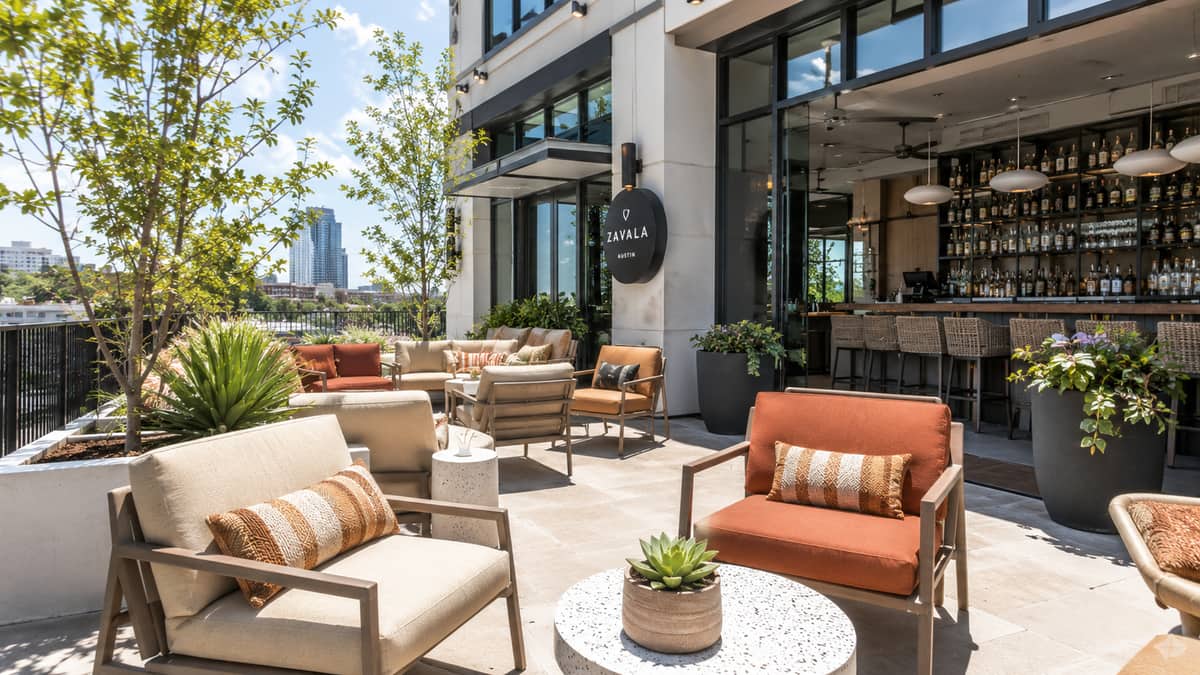
Table tops need finishes rated for both UV and moisture exposure. High-pressure laminate and sealed wood alternatives designed for coastal outdoor use hold up better than standard indoor-rated laminate pushed into an outdoor application, a mistake that shows up as warping and delamination within a season in this climate.
The Revenue Math on Quality Commercial Patio Furniture in Savannah
Outdoor seating in Savannah is not a bonus amenity, it is often the highest-demand seating in the building given how much of the city's tourism experience happens outdoors among the squares and along the river. A patio or courtyard program that fails early because it was specified for the wrong climate directly costs revenue, both from the replacement expense and from lost seating capacity during peak season while furniture is out for repair or replacement.
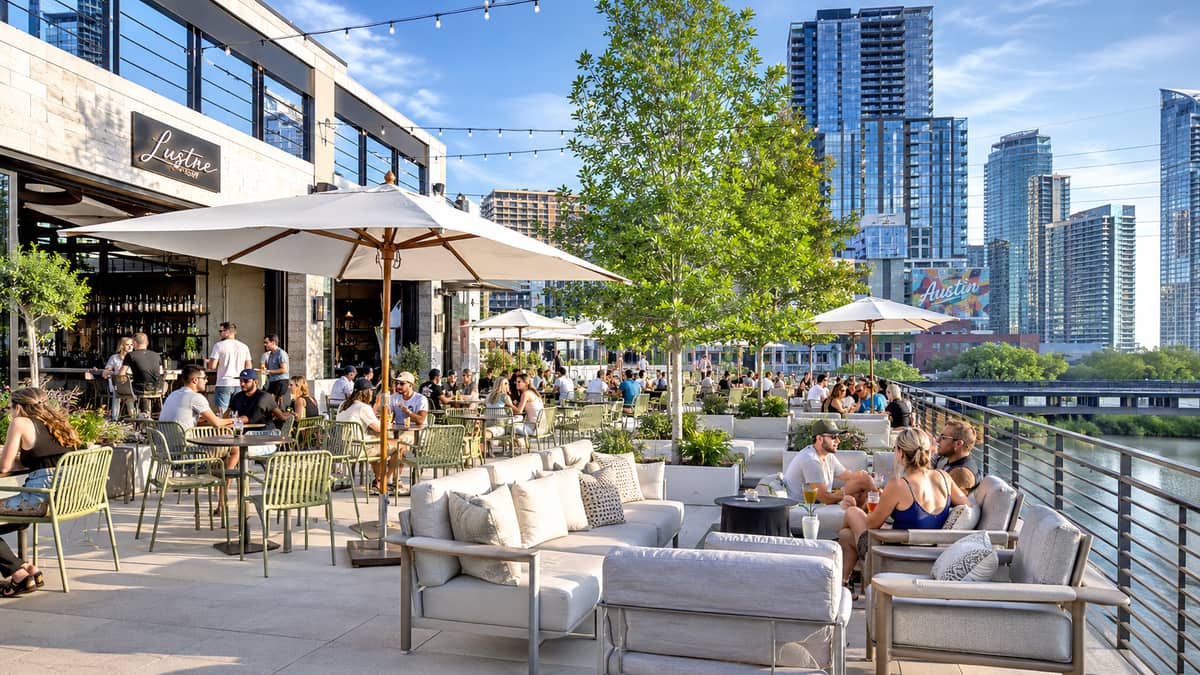
The upfront cost difference between standard outdoor furniture and coastal-rated commercial furniture is modest compared to the cost of replacing a full patio program two years into what should have been an eight to ten year lifecycle. Work with a supplier who will spec for Savannah's actual coastal conditions rather than a generic outdoor line, and request a quote that reflects your property's proximity to the water and sun exposure.