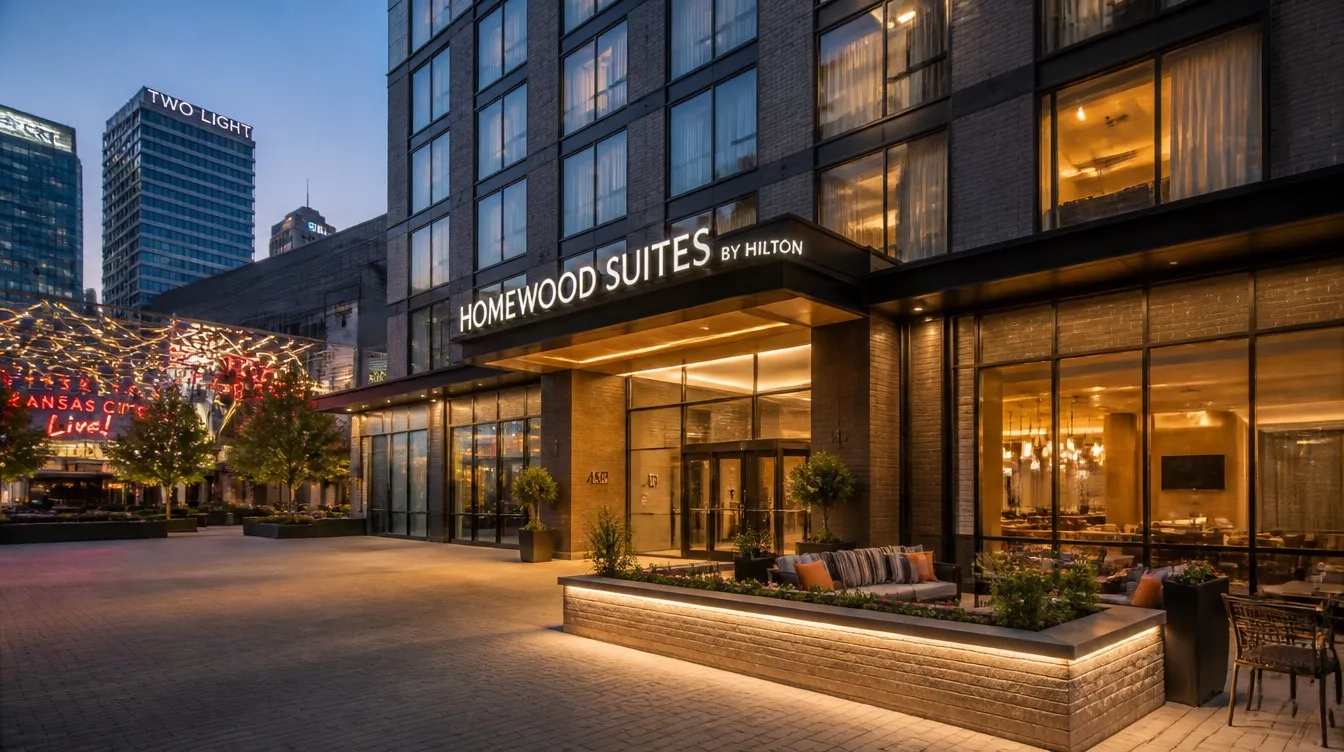
Kansas City has built one of the most interesting restaurant markets in the country, and it got there through an unusual route. The BBQ culture that has defined the city's food identity for generations created something unexpected for the commercial design market: restaurant operators in Kansas City understand authentic materials in their bones, because the food itself is authentic-material-forward. Burnt ends and brisket communicate through smoke, time, and real hardwood. That material honesty carries directly into how Kansas City's best operators think about their spaces. When you walk into a serious Kansas City restaurant, you're in a room where the materials mean something.
The Crossroads Arts District has amplified this sensibility into a nationally recognized dining scene. Restaurants in the Crossroads have drawn attention from food and design press that has elevated the entire market's expectations. The Power & Light District brings volume and event-driven demand. Country Club Plaza anchors fine dining with outdoor terrace pressure across a serious season. West Bottoms adds an industrial-raw character that has its own distinct design language. Specifying commercial furniture for Kansas City restaurants means understanding which context you're working in and getting the specification right for that context specifically.
Seating for Kansas City's Dining Formats
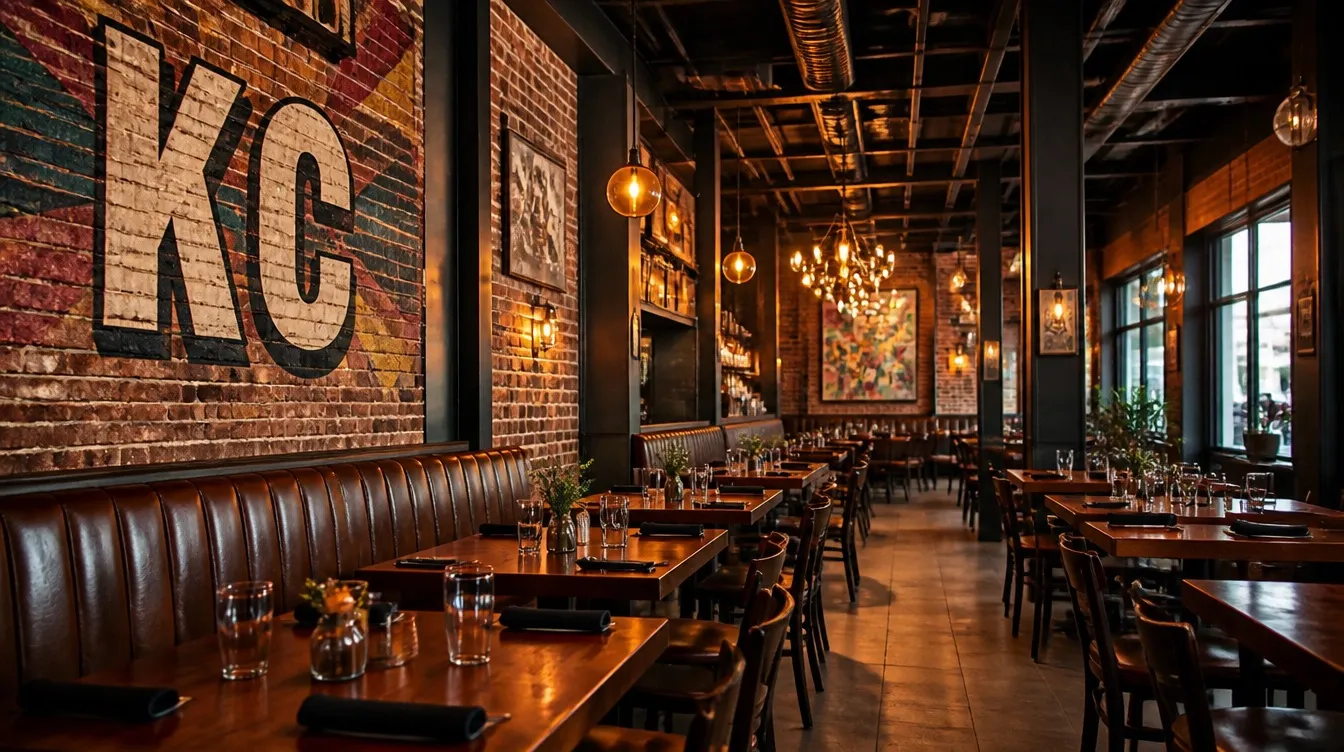
The Crossroads dining corridor has become the market's design standard-setter. Restaurants here draw guests who are making a conscious choice to be in a specific room, and the furniture contributes to that choice's payoff. Dining chairs in the Crossroads tend toward metal frames in matte black or raw steel sometimes with warm wood seats that connect to the broader material palette, sometimes with tight performance leather or vinyl upholstery. The specification requirement is commercial gauge steel with properly welded joints, not the lighter tube steel that shows up in residential channels and develops wobble within a year of restaurant use.
The BBQ restaurant category has its own furniture logic. High-volume, honest materials, easy maintenance. Picnic-style and communal tables, heavy wood tops, metal bases, seating that can take the kind of physical use that comes with a crowd that's eating seriously and not performing minimalism. The materials need to match the food: authentic, durable, not precious. A BBQ operator who puts out mediocre chairs is sending a mixed message that diners read more accurately than they may realize.
Country Club Plaza fine dining has different requirements. Upholstered chairs with genuine lumbar support, in quality performance fabric or leather, at a proper seat depth for a two-to-three-hour dining experience these are the standard. Seat foam that maintains its profile through years of use, frame construction that doesn't develop creaks and looseness, and upholstery that holds its appearance through regular cleaning are specification details that compound in importance over the restaurant's first three to five years. A chair that compresses and loses its shape by year two is a visible quality failure that guests notice.
Tables and Bar Seating Across the Market
Barstools are a high-volume specification category throughout Kansas City's restaurant market, particularly in the bar-dining hybrid formats that have become the dominant new opening model in the Crossroads and Power & Light. The failure points for commercial barstools are predictable: swivel mechanisms that wear out, footrests that separate under constant weight-bearing, seat upholstery that wears through at the edges where guests slide on and off. Commercial barstools rated for genuine restaurant use have swivel mechanisms with sealed bearings, welded footrests with heavy enough tubing to handle full body weight consistently, and upholstery specified for abrasion and moisture resistance rather than just visual appearance.
Tables for Kansas City restaurants need to deliver on the aesthetic values the market expects while handling the physical realities of commercial service. High-pressure laminate tops with proper edge banding handle the daily clearing, wiping, and moisture of restaurant service without the maintenance complications that solid wood tops create in high-use environments. Cast-iron or heavy-gauge steel bases with leveling feet that hold their adjustment through a season of service are the standard for any table expected to stay level and usable.
Communal tables, which have become a significant format in both the Crossroads and the Power & Light District, face the additional challenge of spanning large widths while maintaining structural integrity under real load. A ten-foot communal table with a solid wood or butcher-block-style top looks striking and connects directly to Kansas City's authentic-materials aesthetic but the base system needs to be specified for commercial torsional loads that residential and semi-commercial furniture isn't designed to handle.
Outdoor Dining at Country Club Plaza and Beyond
The Country Club Plaza outdoor dining and retail corridor creates significant seasonal patio pressure. The Plaza's outdoor environment is well-maintained and design-conscious, and the restaurants there operate at a quality standard that their patio furniture needs to match. Dining chairs for Plaza patios need to hold up to the seasons while communicating the quality register that the neighborhood represents.
The West Bottoms corridor, with its industrial warehouse character, supports a different outdoor aesthetic heavier metal furniture, raw and brushed finishes, furniture that references the district's industrial DNA without being precious about it. All-aluminum frames in powder coat finishes that hold up to UV and seasonal weather shifts are the durability baseline; the finish color and form language determine which aesthetic context the furniture belongs in.
Commercial Furniture Depot supplies restaurant furniture to operators across the Kansas City market, from the Crossroads chef-driven dining rooms to the high-volume formats in Power & Light and the fine dining circuit on the Plaza. The understanding of what Kansas City's specific design culture requires, rooted in authentic materials and serious craft, combined with commercial specification depth, produces furniture programs that serve both the aesthetic and the operational reality of Kansas City restaurant environments.
If you are sourcing restaurant furniture for your Kansas City property, the fastest way to real numbers is to tell us what you need. Request a quote with your quantities and timeline.
Related reading
- What is contract furniture
- Commercial furniture vs retail
- Hospitality furniture supplier guide
- Restaurant dining chairs
- Restaurant barstools
- Restaurant tables
- Commercial furniture in Missouri
Our take
The guide treats the Crossroads, Power and Light, Country Club Plaza, and West Bottoms as distinct aesthetic contexts, each with its own material language: matte black steel and warm wood in the Crossroads, upholstered comfort at the Plaza, industrial-raw finishes in West Bottoms. That framing assumes a single operator working in a single neighborhood. Kansas City restaurant groups that run concepts across more than one of these districts face a real tension the guide does not address directly: matching each location's local design register while keeping enough specification consistency across the group that sourcing and replacement parts do not turn into a separate project for every restaurant.
A group with a Crossroads chef-driven dining room and a Power and Light volume concept, for example, can hold a shared frame and construction standard, commercial-gauge welded steel and sealed-bearing swivel mechanisms across both locations, while varying only the finish and upholstery to match each neighborhood's expected look. That approach preserves the aesthetic distinction the guide describes without multiplying the number of supplier relationships a multi-unit group has to manage.
The bottom line: Multi-location Kansas City restaurant groups should specify a shared construction and hardware standard across concepts and vary only finish and upholstery by neighborhood, rather than sourcing each location's furniture as an independent project.