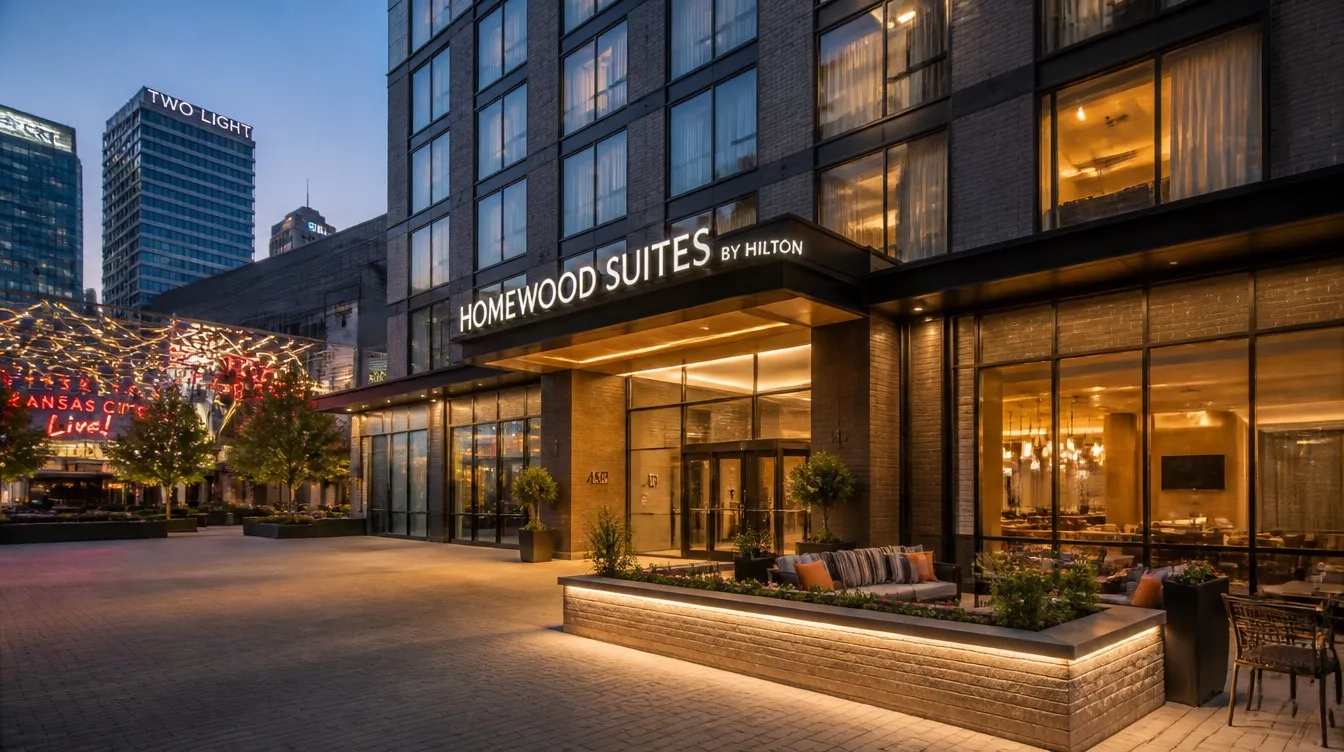
FF&E procurement sits at the center of every hotel opening and renovation project, and the decisions made there in supplier selection, specification choices, and timeline management shape the property's physical identity and operational durability for years. Kansas City's hotel market has been in an active development cycle driven by convention demand from Bartle Hall, event compression from the Chiefs and Royals, and a design culture that has raised the bar on what authenticity means in a hospitality interior. Getting FF&E right in this market matters more than it might in a more static environment, because Kansas City's sophisticated hospitality consumer can tell the difference between a furniture program that was thoughtfully specified and one that was generically assembled.
The heartland contemporary aesthetic that Kansas City's best properties have developed creates specific procurement challenges that a supplier experienced primarily in other regional markets may not navigate well. Sourcing warm walnut and reclaimed-wood-finish case goods, upholstered pieces in performance leather with amber and cognac tones, and metal elements in blackened steel and brushed bronze at commercial contract specification requires manufacturer relationships and product knowledge that a general commercial furniture catalog doesn't automatically deliver.
Budget Structure and Where FF&E Money Goes in Kansas City Hotels
A Kansas City hotel FF&E budget follows the same general allocation logic as most hospitality markets: guestroom case goods and soft goods represent the largest share, followed by public space seating and tables, then food and beverage outlet furniture, with the balance to fixtures and equipment. The exact distribution varies by property type, but guestroom case goods consistently represent the largest line item because of the room count multiplier.
Headboards are where Kansas City hotel operators often invest more than the national average, because the upholstered headboard is the dominant visual element of the heartland contemporary guestroom. A well-specified headboard in cognac or amber performance leather, or in textured linen in the warm neutral palette the market has converged on, is a quality signal that shapes the guest's first impression of the room. The construction behind it proper internal frame, density-appropriate foam backing, quality upholstery application determines whether that impression holds up through seven years of daily use or starts to falter at year two.
Nightstands and case goods are the second major guestroom line item. Warm wood-tone case goods in the Kansas City aesthetic require genuine quality: solid wood construction or quality veneer with proper edge detail and hardware in finishes that connect to the walnut and reclaimed-wood palette the market values. Contract-grade case goods use construction methods dovetail or dowel joinery, commercial-grade laminate where appropriate, solid edge banding that hold up through years of daily housekeeping and guest use. Retail-crossover product in similar aesthetics looks comparable at spec time but reveals its shortcuts through hardware feel, drawer action, and finish durability within 18 to 24 months of opening.
Lead Time Management in Kansas City's Active Market
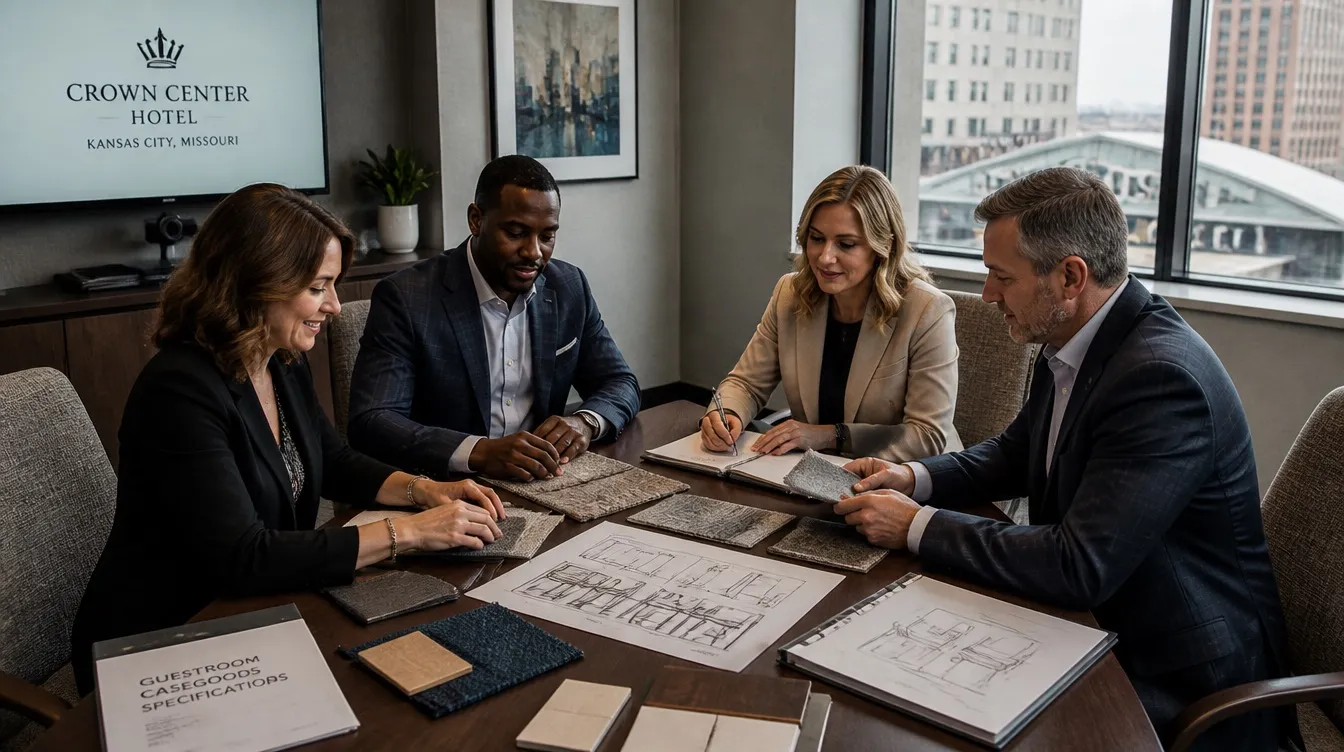
Kansas City's hotel development and renovation pipeline has been active enough that lead times from commercial furniture manufacturers require real planning discipline. Custom upholstery programs headboards, lounge chairs, lobby seating run 14 to 18 weeks from order to delivery. Case goods with specific finish and hardware selections can run similar timeframes. An FF&E order placed six to eight weeks before a scheduled opening is not a properly managed procurement process; it's a problem that will produce either delays or compromised specification.
The convention market adds a layer of deadline pressure that is specific to Kansas City. Properties opening near the Kansas City Convention Center or in the downtown corridor that serves Bartle Hall are often opening against convention calendar commitments. An opening that slips because FF&E didn't arrive on schedule means a property going into service with a full convention house but without the furniture program it was designed around. That's not just an aesthetic failure it's a revenue event with real financial consequences.
Working with a supplier who gives honest, current lead time guidance based on actual factory conditions rather than optimistic estimates is one of the most practically valuable aspects of the supplier relationship. The supplier who tells you 14 weeks when it's actually 18 weeks creates a project crisis. The supplier who tells you 18 weeks when it's 18 weeks gives you the information you need to make the project work.
Supplier Qualification for Kansas City FF&E Projects
Not every commercial furniture supplier is equipped to handle a Kansas City hotel FF&E project well. The questions worth asking before committing to a supplier relationship include: Can they source across the heartland contemporary aesthetic palette without defaulting to generic hospitality product? Do they have manufacturer relationships that give them accurate lead time information? Can they manage phased delivery for renovation projects? And do they understand the specific design culture of the Kansas City market well enough to guide specification rather than just present options?
Lounge chairs for public spaces lobby seating clusters, bar seating vignettes, pre-function corridor pieces are where Kansas City's design culture is most visibly tested. A lobby lounge chair in the right warm leather, in the right form, communicates design conviction. A generic chair communicates generic thinking, and a Crossroads-adjacent boutique property or a convention-oriented full-service hotel both suffer for it.
Commercial Furniture Depot works with hotel developers and operators across the Kansas City metro on FF&E programs ranging from boutique independents in the Crossroads and Power & Light to full-service convention-adjacent properties in the downtown corridor. The combination of product depth, manufacturer relationships, and genuine familiarity with what Kansas City's hospitality market requires is the practical foundation for FF&E procurement that produces better design outcomes and better financial results across the ownership horizon.
Tell us about your Kansas City FF&E needs and we will turn your quantities, finishes, and timeline into a firm quote. Request a quote whenever you are ready to compare.