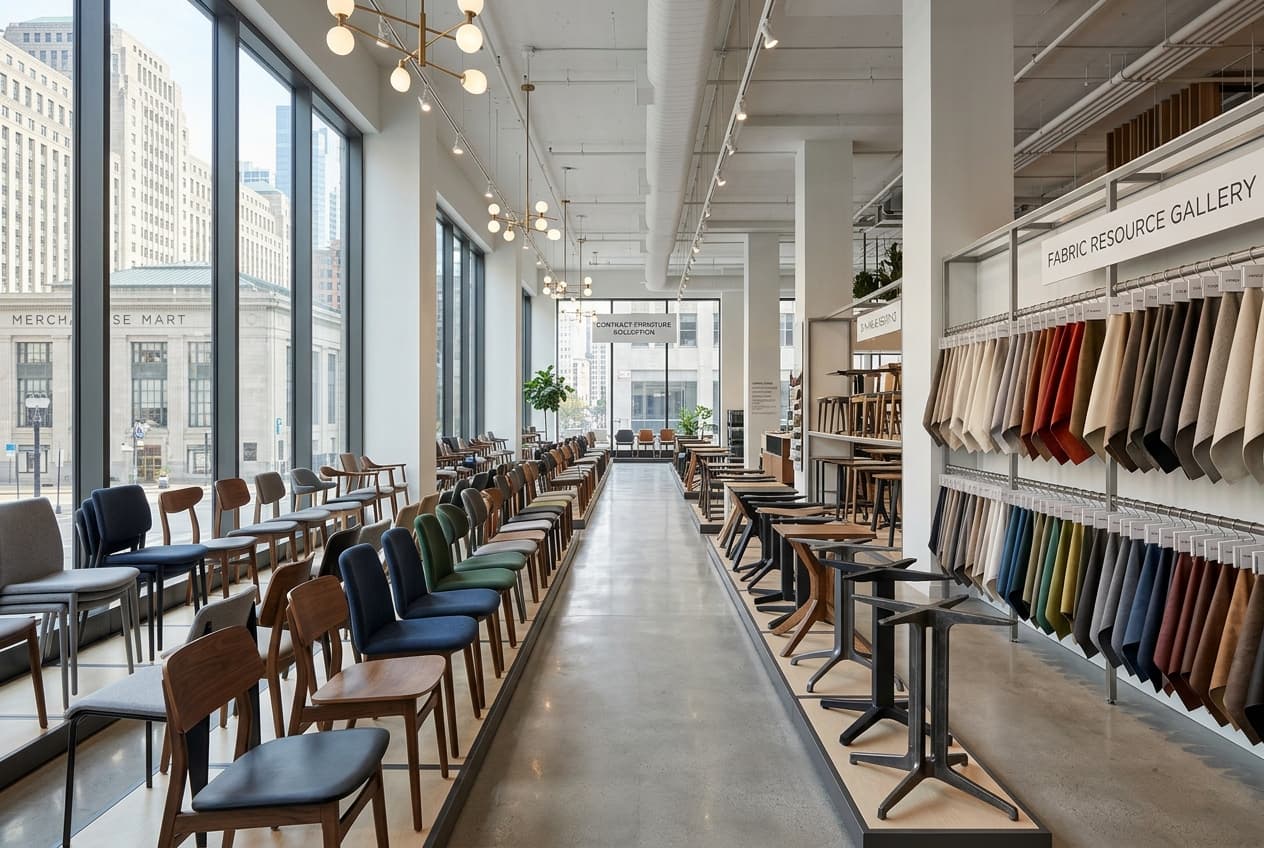
Huntington's dining scene runs on a rhythm shaped by a college calendar as much as a business one. When Marshall University has a home game, restaurants around campus and downtown near Pullman Square fill fast with alumni, families, and visiting fans looking for a table before or after kickoff. Add in the steady lunch and dinner traffic from the region's hospital systems and downtown offices, a tri-state customer base pulling diners in from across the Ohio River in Kentucky and Ohio, and a growing restaurant presence around Ritter Park and the West End, and you have a market where furniture gets used hard on a predictable but demanding schedule. If you are furnishing a restaurant in Huntington, WV right now, you are outfitting a room that needs to look sharp on an ordinary Tuesday and survive a home-game Saturday without a single wobble.
Why Contract-Grade Furniture Is the Minimum Specification
Retail furniture is not built for what a working restaurant does to it. A dining chair in a home gets used a handful of times a day by people who treat it carefully. A dining chair in a Huntington restaurant near Pullman Square gets pulled out, sat in, pushed back, and bumped by a server cart dozens of times in a single shift, then does it again the next day and the day after that. Multiply that by every table in the room and you understand why restaurant furniture fails so much faster when it was never engineered for commercial use in the first place.

Contract-grade dining furniture is built around commercial use cycles from the frame out. Chair frames are reinforced at the joints where retail furniture typically fails first. Table bases are engineered to resist wobble under repeated bumping rather than looking stable only when new. Upholstery fabrics are rated for high-traffic commercial use and hold up to the cleaning products a restaurant actually uses, not the gentle spot-cleaning a retail warranty assumes. For a Huntington restaurant serving a Marshall game-day crowd or a steady tri-state dinner rush, that durability difference shows up in your maintenance budget within the first year, not the fifth.
Matching Furniture to Huntington's Dining Formats
The dining format matters as much as the neighborhood. A fast-casual spot near campus catering to students and game-day crowds needs furniture that turns tables quickly and survives heavy daily volume without looking worn after six months. A full-service restaurant downtown or near Ritter Park courting a slower, higher-check dinner crowd can spend more per seat on a distinctive look, but still needs the underlying construction to be commercial grade rather than retail dressed up to look the part.
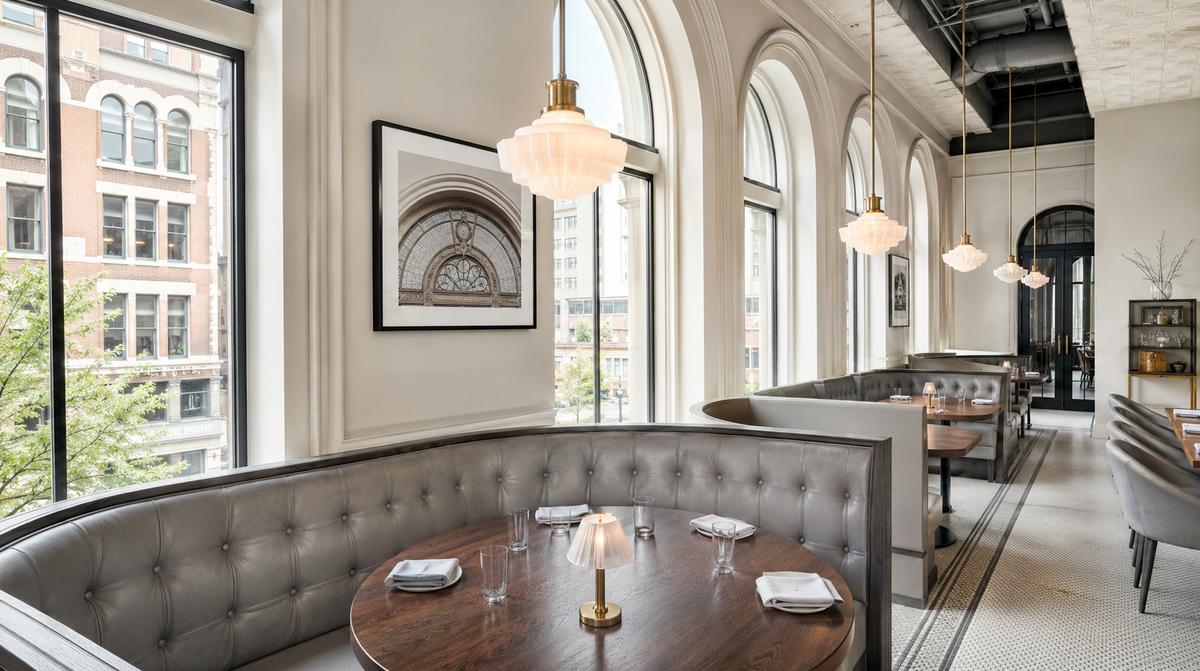
Bar and counter seating deserves particular attention in a market with as much game-day and evening bar traffic as Huntington sees. Barstools in a high-turnover restaurant near campus need reinforced footrests and swivel mechanisms rated for commercial cycles, not the lighter-duty hardware found in residential bar seating. If your concept includes an outdoor or patio component, and a growing number of Huntington restaurants are adding one to capture warm-weather traffic along the river, that furniture needs a separate specification entirely for UV and moisture exposure.
Sourcing Restaurant Furniture in Huntington the Right Way
One-off purchases from liquidation sources or retail furniture stores create long-term operational headaches. When a chair cracks or a barstool base fails eight months after opening, you need a supplier who still stocks your SKU, can match your finish, and ships fast enough to keep your dining room looking consistent. A liquidation lot cannot give you that, and a retail source will tell you the item is discontinued.
For restaurant furniture sourcing in Huntington, WV, look for suppliers who carry hospitality-specific lines, not residential or office crossover products repackaged with commercial-sounding descriptions. The best supplier relationships for Huntington operators involve reps who understand contract warranty terms, can speak to lead times honestly given the region's distance from major manufacturing hubs, and know how to support phased project openings around a game-day calendar or a soft opening timeline.
If you can sit in the chair before you order 80 of them, do it. Ask whether the supplier has showroom access serving the tri-state region or a regional rep who covers Huntington directly. No spec sheet substitutes for testing the seat height, checking the table wobble, and confirming the finish reads the way you expect it to under your actual lighting. Huntington operators who treat furniture sourcing with the same rigor they apply to kitchen equipment will be in better shape two years into their lease than those who rushed the decision to meet a soft opening deadline.