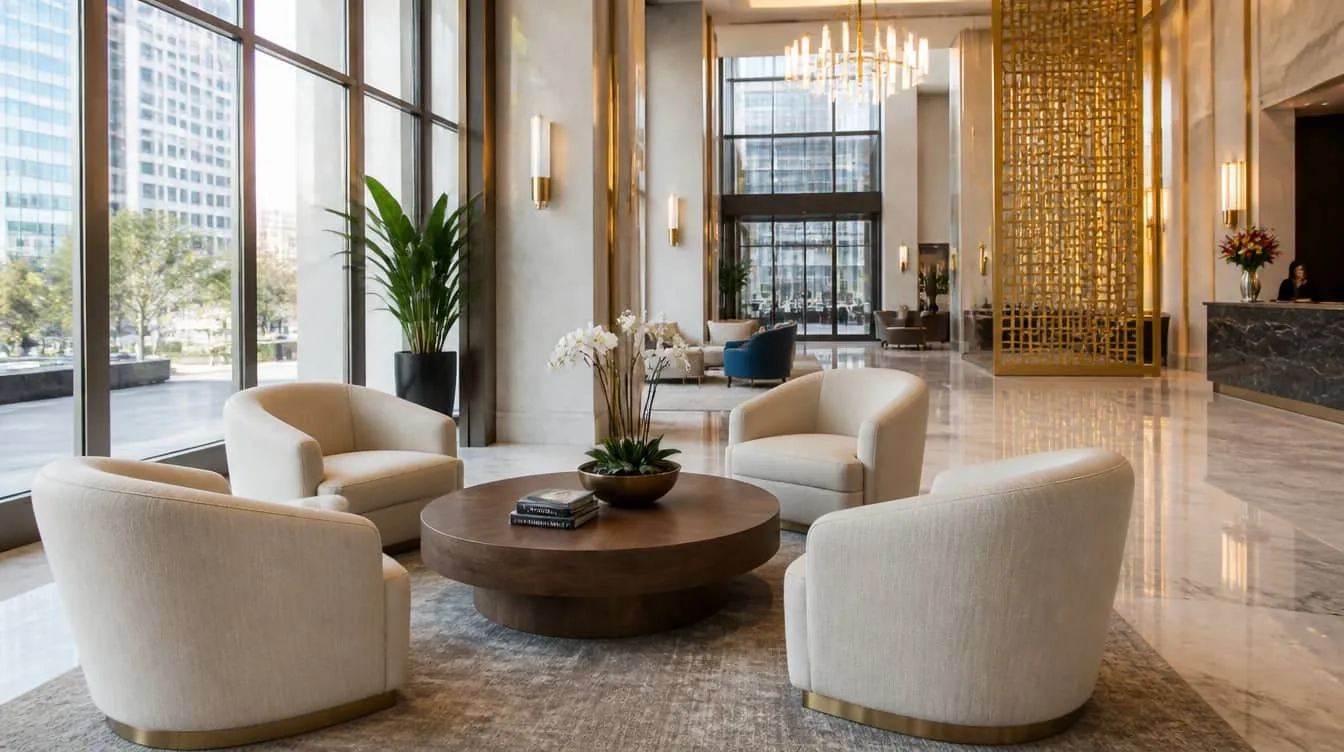
Houston's restaurant industry is genuinely one of the more interesting commercial furniture markets in the country, and not just because of its size. The city's combination of oil and gas expense accounts, a Medical Center workforce that eats out constantly, and a diverse dining culture that spans everything from traditional Texas steakhouses to James Beard-nominated international cuisine creates a range of restaurant environments that rarely exist in a single metro. A procurement decision that works for a River Oaks fine dining room is completely different from what works for a fast-casual concept on Montrose, and both of those are different from what an operator opening a large-format restaurant near George R. Brown needs to spec.
The common thread across all of these environments is the same as every commercial restaurant market: the furniture needs to hold up under conditions that retail products were never designed for. In a busy Houston restaurant doing 300 covers a night, every chair gets sat in multiple times per evening, dragged across concrete or hardwood, wiped down with chemical cleaners, and occasionally left outside on a patio in weather that goes from brutally hot to severely humid without warning. Contract-grade restaurant furniture is engineered for that kind of use. Retail furniture is not, and operators who learn this lesson the hard way usually spend more replacing failed product than they would have spent buying commercial grade the first time.
Choosing the Right Seating for Houston's Restaurant Environments
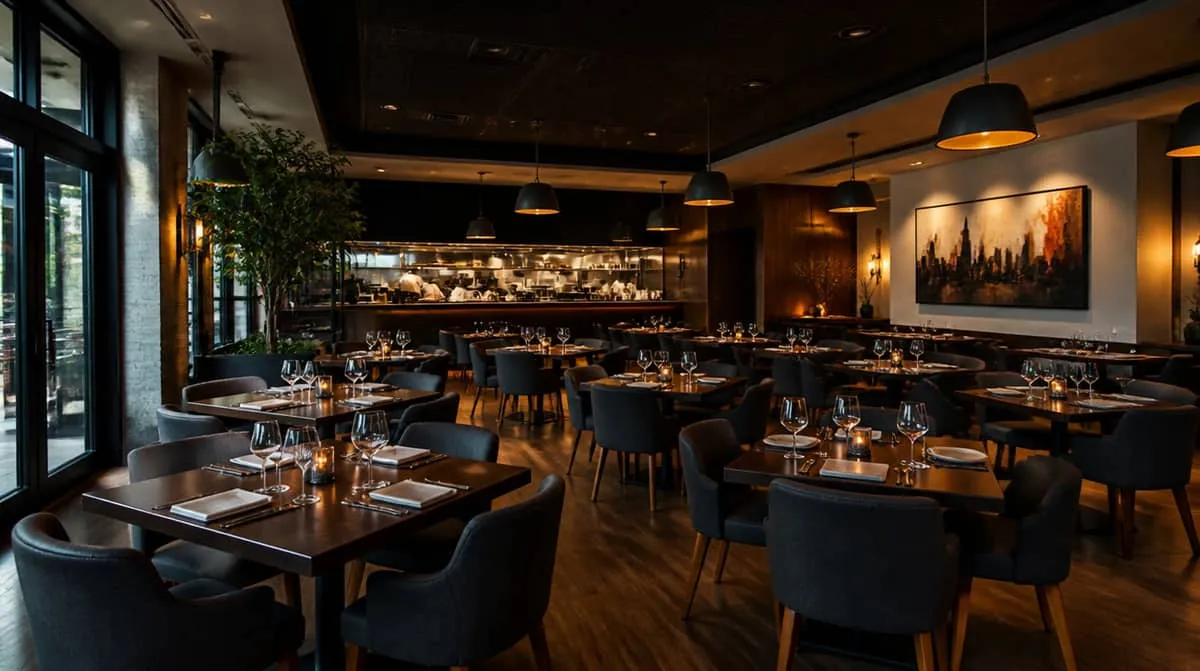
The seating decision in a Houston restaurant is partly functional and partly about the signal you're sending to guests from the moment they walk in. In the steakhouse culture that dominates the upscale end of Houston's dining scene, from the traditional expense-account rooms near the Galleria to newer concepts in the Heights, a heavy, substantial chair communicates quality in a way that matters to the guest demographic. Dark wood frames, thick padded seats, and a solid feel when you pull the chair out and sit down are part of the dining experience for guests who are spending $150 per person and expect everything about the room to match that investment.
For the Montrose and Midtown casual dining corridor, where design-forward concepts are competing for a younger professional demographic, lighter frame materials and contemporary silhouettes tend to be the better commercial choice. Metal-frame chairs in powder-coated steel or brushed aluminum, with either upholstered seats or molded seats in a contrasting material, project the aesthetic these restaurants are after while still being built to commercial specification. The key is finding product that reads as considered and intentional rather than generic, because Houston's dining public has seen enough restaurant concepts to recognize when a room was designed with care versus when furniture was just ordered from a catalog.
Outdoor seating is a significant part of Houston's restaurant business even given the summer heat, because spring, fall, and mild winter conditions create genuine patio seasons, and covered or partially shaded patios extend that season considerably. Contract patio furniture for Houston needs to handle UV exposure, high humidity, and occasional severe weather events. Aluminum frames with powder-coated finishes resist corrosion far better than steel in the coastal humidity, and sling or mesh seating that allows air circulation is more comfortable in heat than upholstered options. The aesthetic quality of your patio program matters too, especially for restaurants with high street visibility on corridors like Westheimer or Washington Avenue.
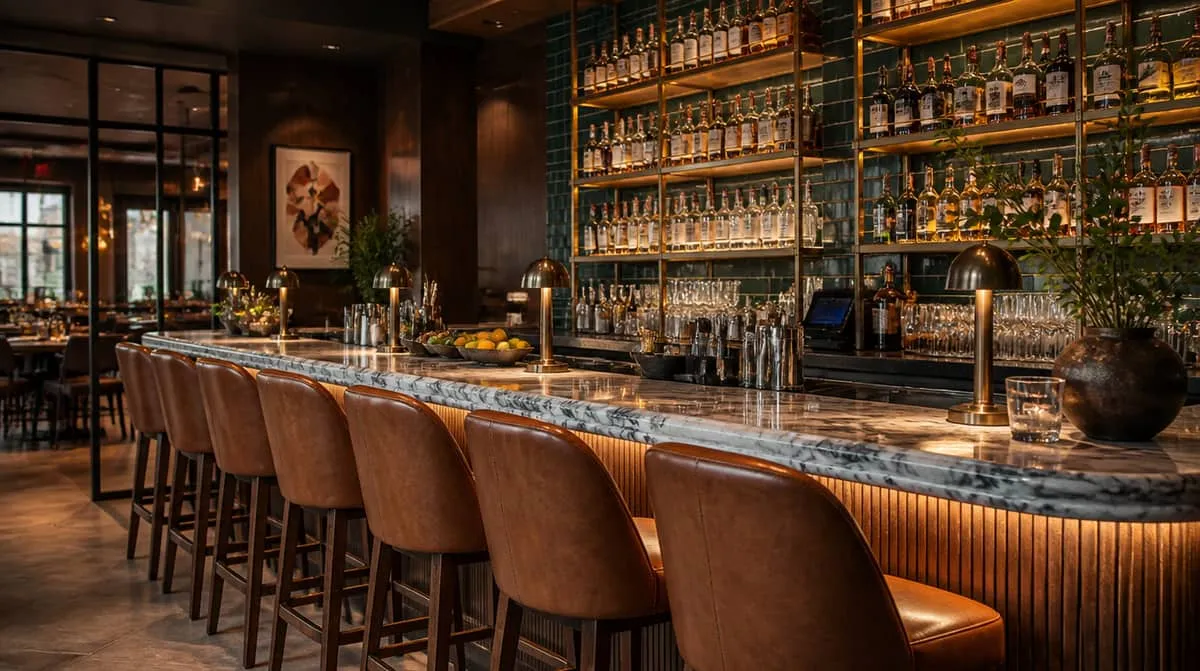
Table Specs, Layout Density, and the Houston Volume Reality
Table selection in a Houston restaurant is often where operators leave money on the table, in the most literal sense. A table base and top combination that doesn't sit level on the first day, that develops wobble within six months, or that requires constant shimming and adjusting is a direct operational cost in staff time and a guest experience problem on every table it affects. Commercial restaurant tables use cast-iron bases with leveling glides, table tops with commercial-grade laminate or solid surface finishes, and mounting hardware that keeps the top stable through years of daily use. The weight of a proper commercial base is not incidental; it's part of what keeps the table stable under the movement and loading that happens in a real restaurant environment.
Table size is a decision that affects revenue per square foot more than almost any other layout choice. Houston restaurant real estate is not as punishing as New York or San Francisco, but it's not free, and a dining room that runs 24-inch square tables where 30-inch squares could fit is leaving covers per service on the floor. The right table size depends on your service style and your anticipated cover average, but most full-service casual restaurants find that 30-inch square two-tops and 30-by-48-inch four-tops give them the best balance of guest comfort and cover density.
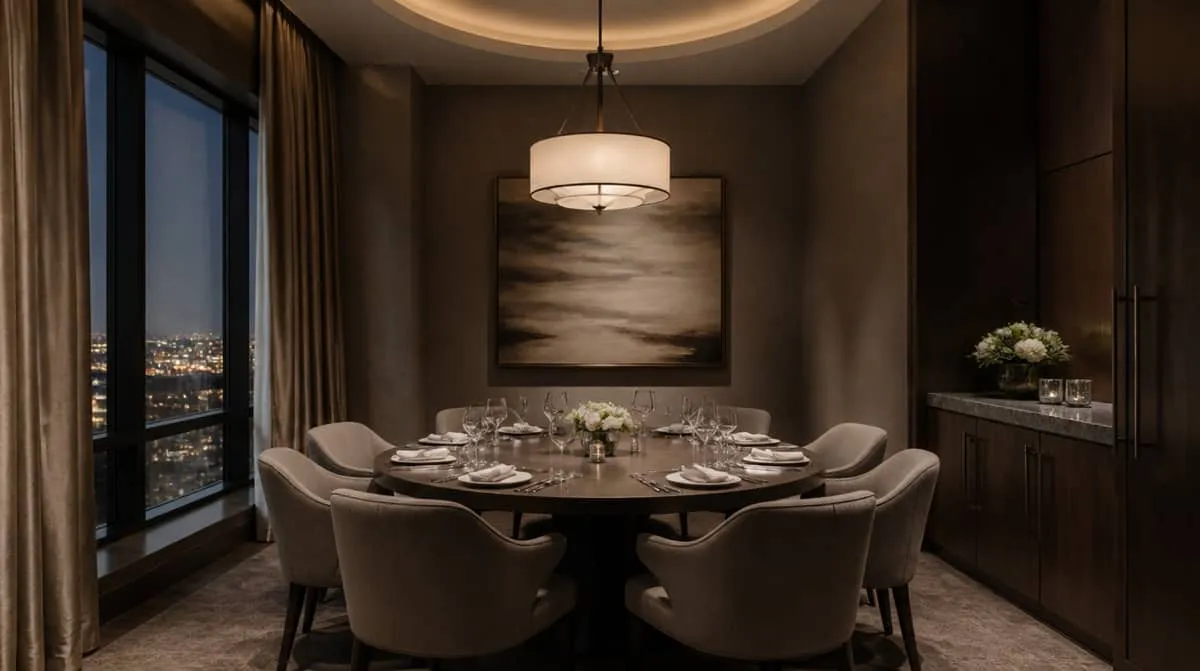
For larger restaurant projects near George R. Brown or in the hotel-restaurant combinations that are increasingly common in Houston's downtown development, private dining and semi-private seating areas require furniture that looks appropriate in both full-room and intimate configurations. Booth seating with solid commercial frames, high-density foam cushioning, and performance fabric upholstery holds up well in these applications and creates the visual separation that makes a private dining alcove feel distinct from the main dining room.
Procurement and Local Market Context
Houston's restaurant opening pace is fast enough that furniture suppliers who can hit consistent lead times and deliver in coordination with general contractor schedules are genuinely valuable to operators. A delay in furniture delivery that pushes a soft opening by two weeks represents real revenue loss for a restaurant that has already committed to its team and its marketing. Working with a commercial furniture supplier who understands the Houston construction timeline and has reliable factory relationships is worth prioritizing over chasing the lowest unit cost from a source with unpredictable lead times.
If you are sourcing restaurant furniture for your Houston property, the fastest way to real numbers is to tell us what you need. Request a quote with your quantities and timeline.