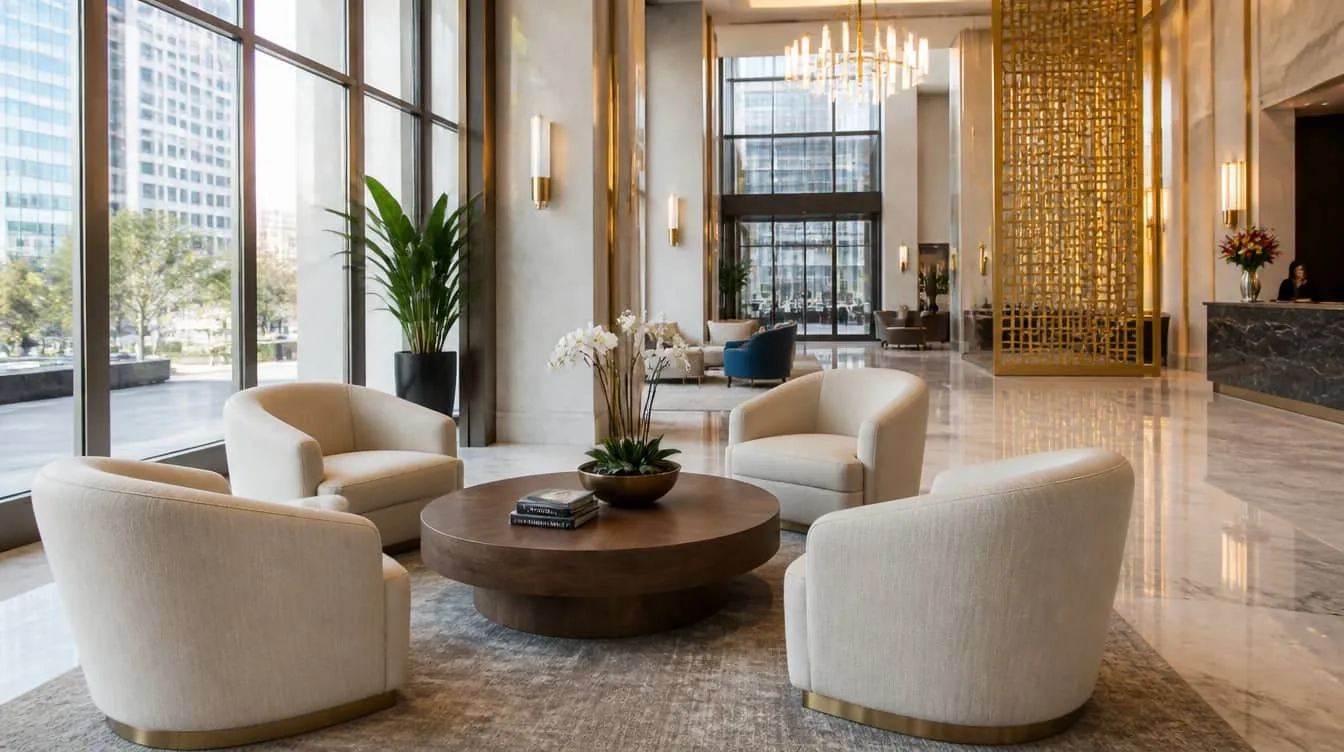
Houston's independent hotel scene has grown significantly over the last several years, and it's finding its identity in neighborhoods that the branded flag properties haven't fully colonized. Midtown, EaDo, and the Heights corridor have seen a cluster of boutique openings that are deliberately positioning against the corporate travel market, targeting leisure travelers, design-conscious business travelers, and a local clientele that wants a hotel experience with a genuine Houston point of view. If you're opening or renovating a boutique property in one of these neighborhoods, your furniture program is one of the most powerful tools you have for communicating that distinction, and it deserves more strategic attention than most operators give it.
The fundamental difference between buying furniture for a boutique hotel and buying for a branded property is the degree to which you have creative control. A branded flag property operates within brand standards that specify allowable furniture programs, finish ranges, and vendor rosters. A boutique property makes every one of those decisions independently, which creates opportunity but also creates risk. Getting those decisions right requires a supplier who can work across a broader range of manufacturers and help you evaluate options against your specific design vision rather than pointing you toward whatever they have the best margin on.
Building a Furniture Program Around a Houston Narrative
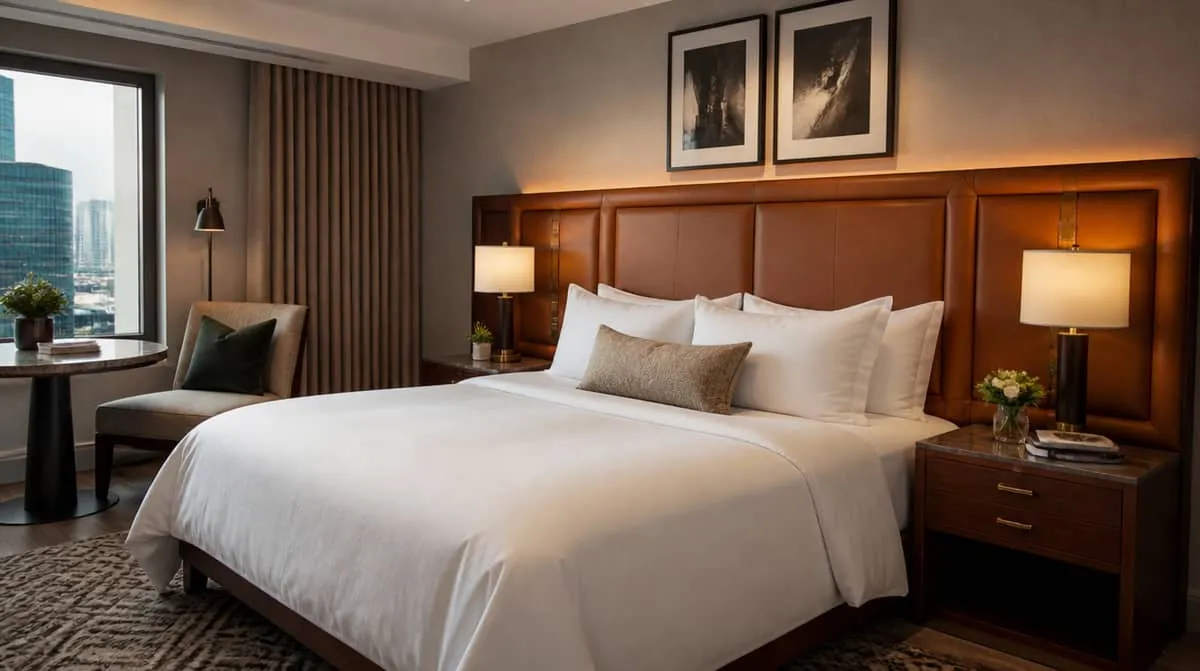
The most successful boutique hotels in Houston's emerging neighborhoods have furniture programs that feel like they were selected specifically for that property, not pulled from a generic hospitality catalog. That doesn't necessarily mean custom fabrication, which is expensive and slow. It means thoughtful curation: choosing pieces that reference the right aesthetic vocabulary, that work together as a collection, and that fit the physical scale and proportion of your specific rooms.
Houston's design context offers more raw material than people expect. The city's oil and gas heritage, its status as one of the most culturally diverse metros in the country, its industrial architecture in neighborhoods like EaDo and the Warehouse District, and its strong mid-century residential architecture in areas like Afton Oaks and Meyerland all provide aesthetic reference points that a boutique hotel can draw from authentically. A property in EaDo that nods to Houston's industrial past through exposed metal furniture frames, leather upholstery, and reclaimed wood surfaces is drawing on something real. A property near the Museum District that pulls from the bold contemporary art tradition the city's collecting culture has built is doing the same.
What matters operationally is that these aesthetic choices get expressed in furniture that is actually built to commercial contract specification. Boutique hotel operators sometimes make the mistake of sourcing furniture from residential or retail channels because they find pieces that better match their vision. The problem surfaces within 18 months when the drawer hardware starts failing, the upholstery pills from housekeeping cleaning, and the finish on the wood case goods shows wear from normal daily use. Contract-grade furniture that has been thoughtfully selected and styled correctly looks just as distinctive as retail sourcing and holds up through the ten-year ownership horizon that makes a boutique hotel financially viable.
Guestroom and Public Space Considerations
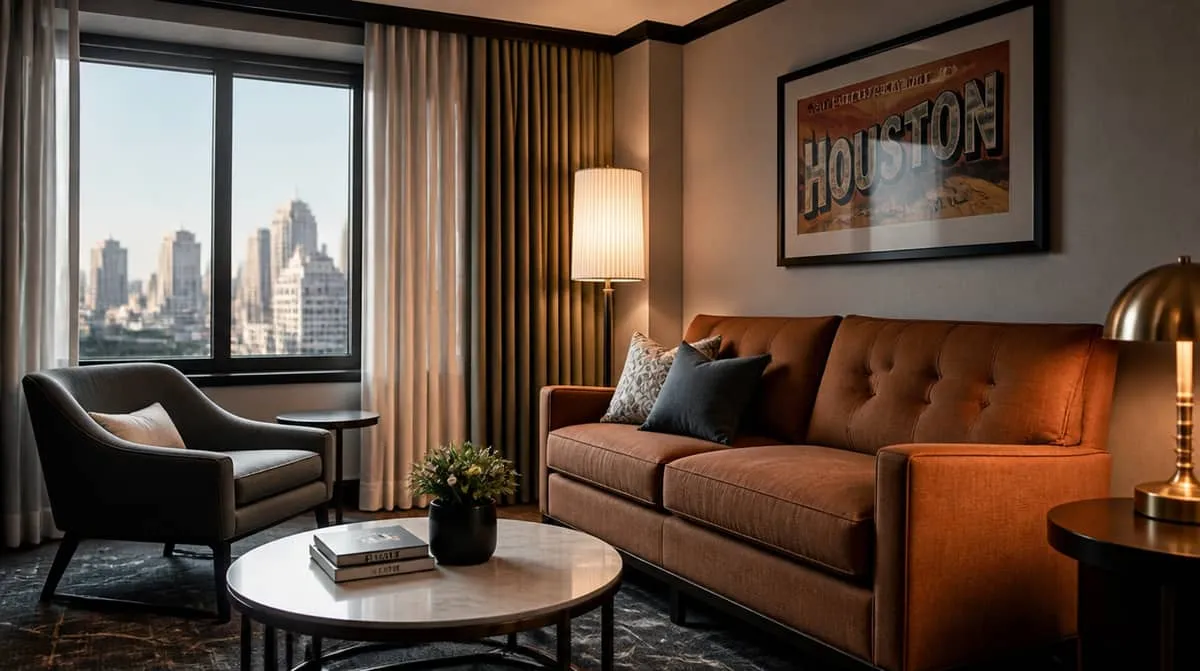
Boutique hotel guestrooms in Houston's mid-size boutique segment, typically 80 to 150 keys, need to function well as both short-stay and extended-stay environments. Properties near the Medical Center that want to capture some of that long-stay medical travel, or properties in Midtown that attract consulting and project-work business travelers, need rooms with adequate desk workspace, meaningful storage, and seating that works for genuine relaxation rather than just decoration.
The upholstered platform bed has become a signature piece in Houston's boutique hotel aesthetic, and it's a commitment worth making carefully. A well-selected bed frame in an upholstered fabric that photographs well, sits at the right height, and uses commercial-grade construction will define the room's character for years. A bed frame with poor fabric selection, inadequate frame construction, or an awkward scale relationship to the room will undermine every other design decision you make. Ask your supplier for COM options if your designer has a specific fabric direction, and confirm that the frame construction is rated for commercial use before you order.
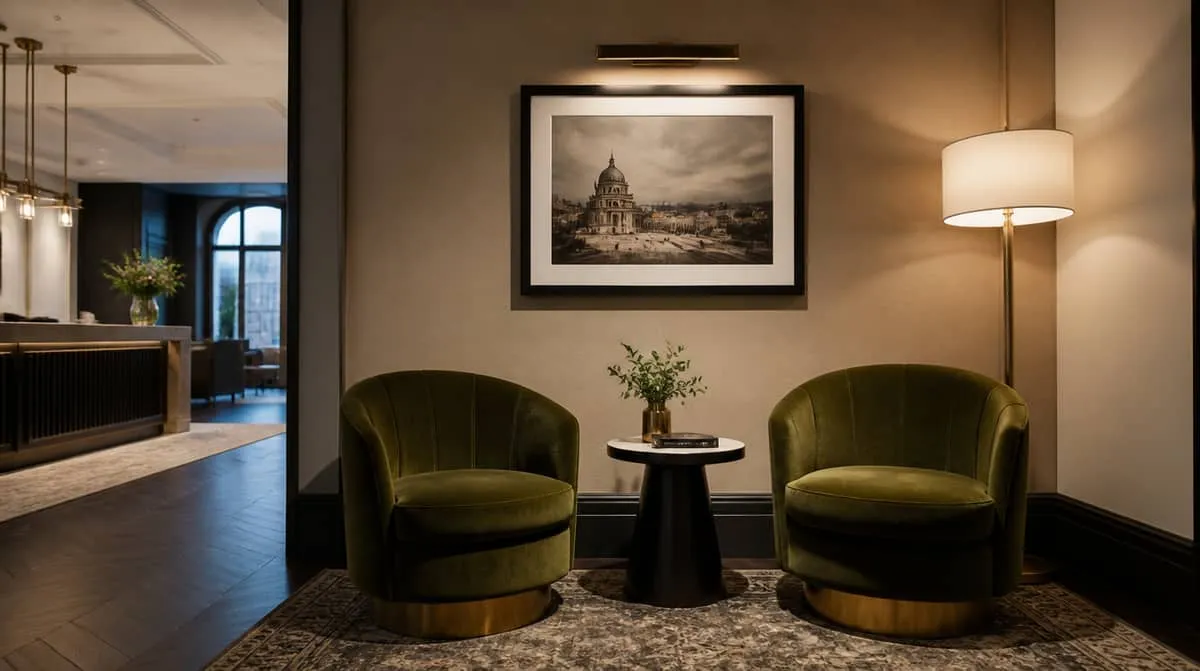
Public spaces in a Houston boutique property, including lobby seating, bar furniture, and any outdoor areas, tend to be the spaces that drive social media visibility and shape the property's local reputation. These spaces get used by guests but also by locals who come in for a drink or a coffee, and they're the spaces that show up in editorial coverage and Instagram content. The furniture in these spaces needs to be visually compelling, genuinely comfortable, and built to handle higher traffic than the guestrooms. A lobby lounge chair that looks perfect and feels terrible, or that shows wear within a year, is a liability in a market where local press and social media attention can make or break a boutique property's positioning.
Working with a Supplier Who Understands the Segment
Boutique hotel procurement is a different process from flagged property procurement, and not every commercial furniture supplier is equally equipped for it. You need a supplier who has enough manufacturer relationships to give you meaningful options across aesthetic directions, who can help you think through the program as a whole rather than selling you individual pieces, and who understands the lead time and phasing realities of a boutique hotel opening, which rarely has the same budget cushion or timeline flexibility as a large branded development.
If you are sourcing boutique hotel furniture for your Houston property, the fastest way to real numbers is to tell us what you need. Request a quote with your quantities and timeline.
Related reading
- What is contract furniture
- Commercial furniture vs retail
- Hospitality furniture supplier guide
- Commercial furniture in Texas
Our take
A guestroom platform bed, described here as defining a room's character for years, and public space furniture, described elsewhere in the piece as needing to withstand higher traffic than the guestrooms, are treated as one furniture program. Read against the ten year ownership horizon the post cites for a boutique property, these two categories are not on the same clock. A well chosen bed frame can plausibly run the full ownership horizon as a single specification decision, while public space seating, exposed to daily local and guest traffic, is the more likely candidate for a mid horizon refresh inside that same ten year window.
The bottom line: Houston boutique operators should plan guestroom casegoods and public space seating on separate replacement timelines rather than one blended furniture program, since the traffic difference the post describes means the two categories wear out on different schedules within the same ownership horizon.