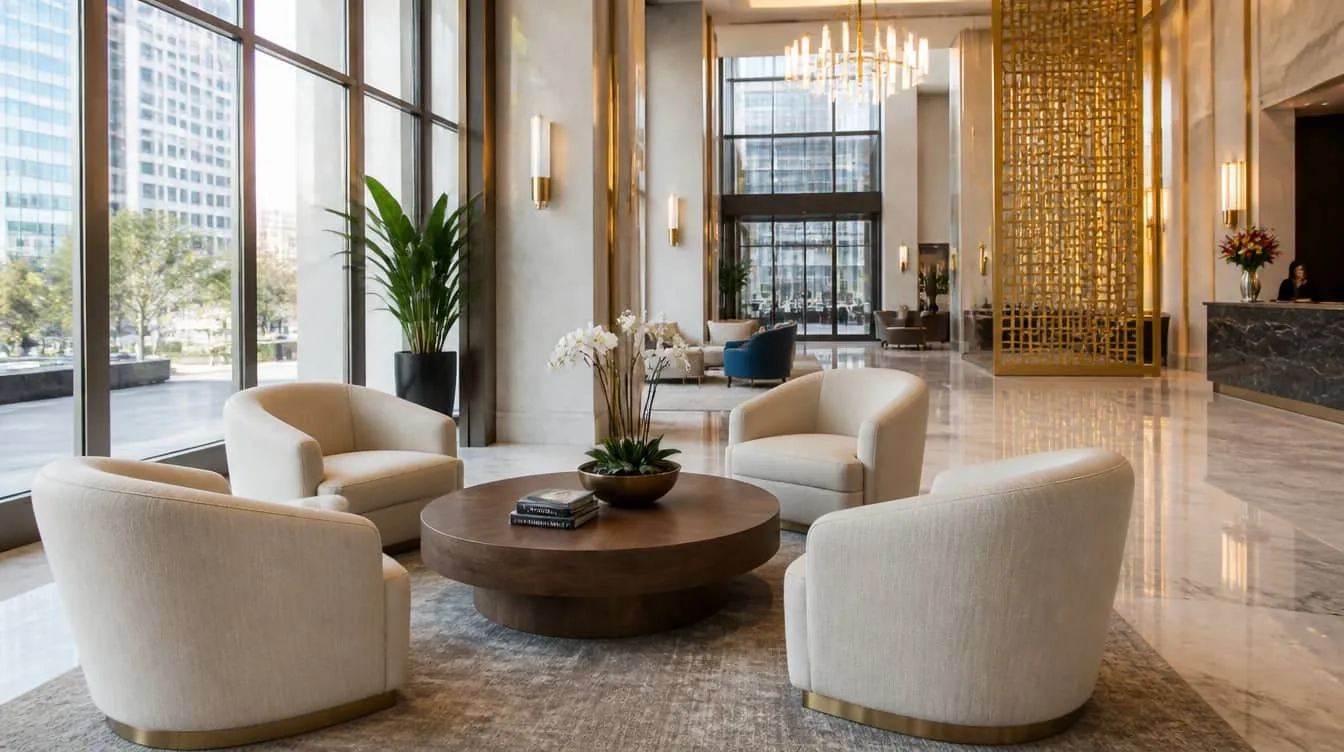
Houston's bar and lounge market is large, varied, and competitive in ways that make furniture selection consequential. The Galleria corridor alone supports a concentration of hotel bars, standalone cocktail lounges, and rooftop venues that collectively represent a significant amount of commercial furniture procurement. Midtown and the Washington Avenue corridor have a dense concentration of neighborhood bars and nightlife venues. The Heights has developed a strong craft cocktail culture. EaDo has a growing bar scene tied to the sports and entertainment district. Each of these environments has a different guest profile, different operational demands, and different aesthetic expectations, but they share one requirement: furniture that holds up under the conditions of a functioning bar.
Bar furniture takes more abuse than almost any other hospitality application. Barstools are climbed on rather than sat in, dragged across floors constantly, used as stepladders by staff, and occasionally knocked over. Lounge seating in a busy bar absorbs spill after spill, gets sat on by guests in damp clothing, and gets subjected to cleaning chemicals several times a night. Tables in a bar environment are constantly wet with condensation from glassware, and the base hardware gets kicked and bumped by everyone who sits near them. Retail furniture doesn't survive this environment. Commercial bar furniture is built for it.
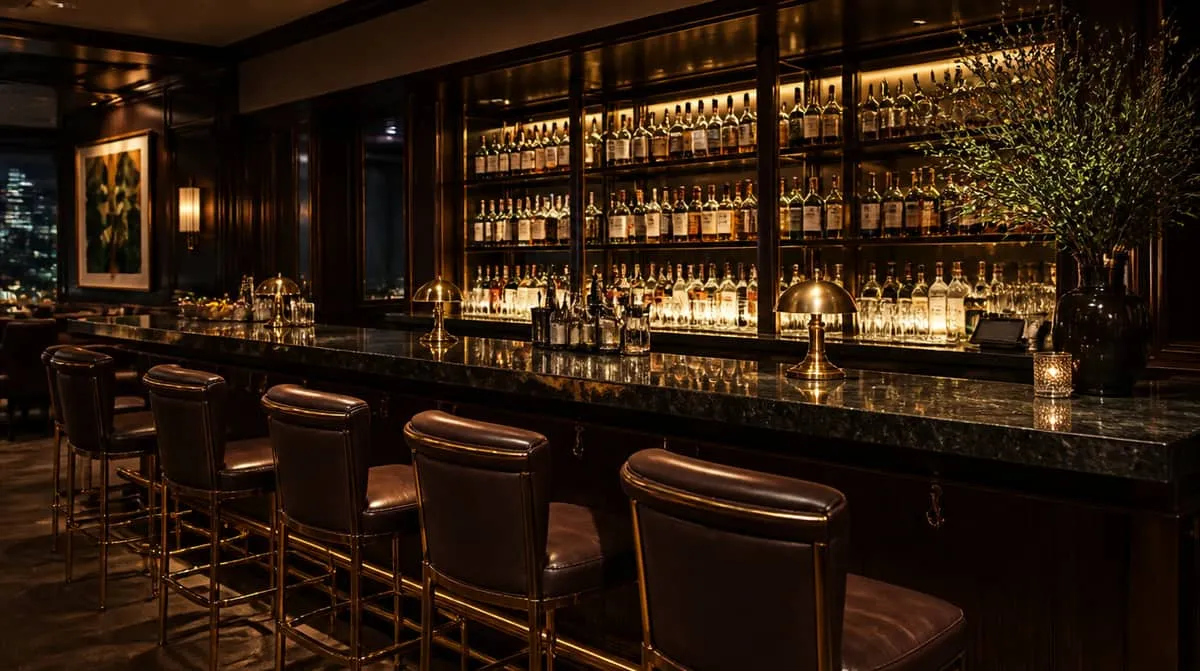
Barstool Specification for Houston's Volume
The barstool is where most bar operators make their first furniture mistake. A stool that looks right in a showroom photograph but doesn't have a proper footrest, doesn't have a seat height matched to the bar counter, or doesn't have a swivel mechanism built for repeated daily use will create problems that accumulate fast. In a Houston bar doing 200 covers a night, every barstool gets rotated through dozens of times. Footrests that aren't welded cleanly develop wobble. Swivel mechanisms that aren't rated for commercial use seize up or develop unwanted play within months.
Frame material is the most important specification decision for Houston bar stools. Steel frames are the most durable option for high-volume venues, and powder-coated steel in matte black or brushed metal finishes is the current dominant aesthetic in Houston's cocktail bar market. Aluminum frames are lighter and resist the corrosion that's a real concern in Houston's humidity, which matters particularly for outdoor bar areas or venues with significant indoor-outdoor flow. Wood frame stools are appropriate for the warmer, more residential aesthetic that some Houston neighborhood bars are going for, especially in the Heights and Montrose, but they need to be commercial contract grade rather than retail sourced to hold up under bar conditions.
Seat surface selection is partly aesthetic and partly practical. Fully upholstered barstool seats look great and feel comfortable but require performance fabric that resists moisture, spills, and the cleaning chemicals you'll be using nightly. Vinyl or faux leather is easier to maintain in a wet bar environment, and the product quality on commercial-grade vinyls has improved significantly, with options that no longer look obviously institutional. Wood or molded seat surfaces work well in venues where the aesthetic calls for a harder, more industrial look, and they're essentially maintenance-free compared to upholstered options.
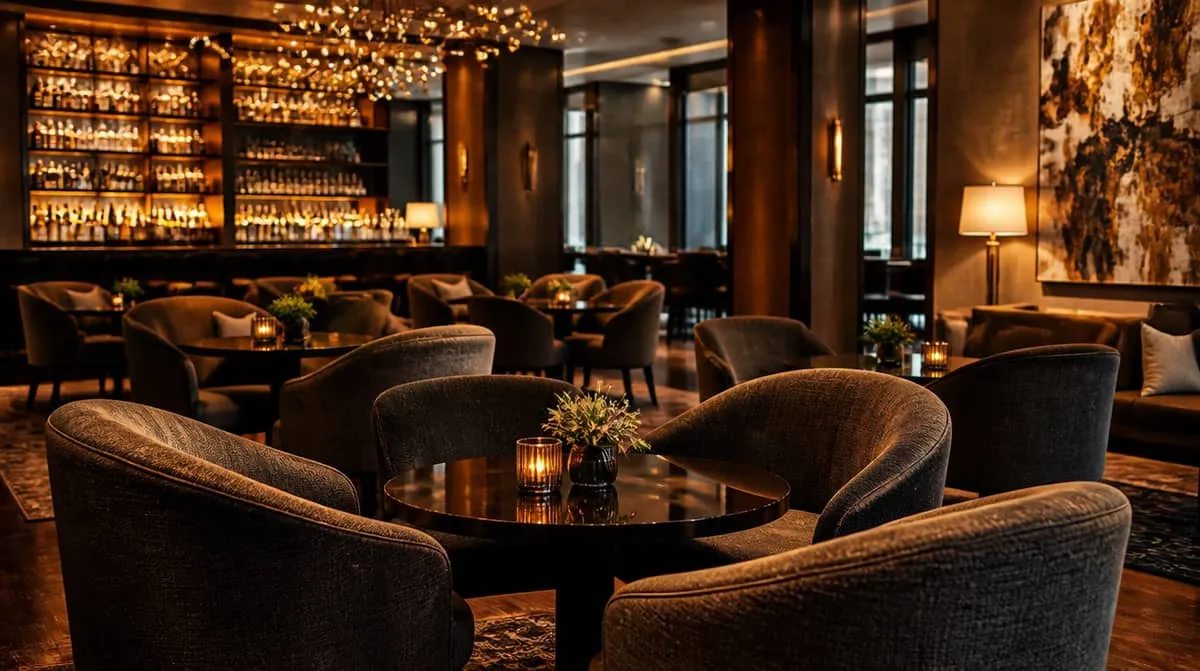
Lounge Seating and Tables for Houston's Social Spaces
Houston's cocktail bar and upscale lounge market has moved toward larger, more comfortable seating configurations over the last several years. Lounge chairs, sofas, and banquette-style seating that encourage groups to settle in for multiple rounds are increasingly common in venues targeting Houston's professional demographic, from the young energy industry crowd in Midtown to the established Galleria entertainment circuit. This seating program is a different specification challenge than high-turnover barstool configurations.
Lounge seating in a bar environment needs to be genuinely comfortable, visually compelling, and easy to maintain under the cleaning and moisture demands of the application. High-density commercial foam is the baseline; it maintains its profile under the daily compression of a busy bar and doesn't develop the sunken, deflated appearance that entry-level foam produces within months. Fabric selection matters enormously in this application. Grade A commercial performance fabrics from suppliers like Crypton, Revolution, or similar are designed for exactly this use case: they resist moisture absorption, clean up easily with commercial products, and maintain their appearance through repeated cycles of use and cleaning.
Low cocktail tables that work alongside lounge seating need bases that stay solid under the constant loading and unloading of glassware, occasional guest leverage (people use tables to help themselves in and out of low seating), and cleaning routines. Cast-iron or powder-coated steel bases are the commercial standard. Table tops in this application benefit from either solid surface material or properly finished laminate; glass tops look premium but chip, scratch, and require constant cleaning to maintain a presentable surface in a busy bar environment.
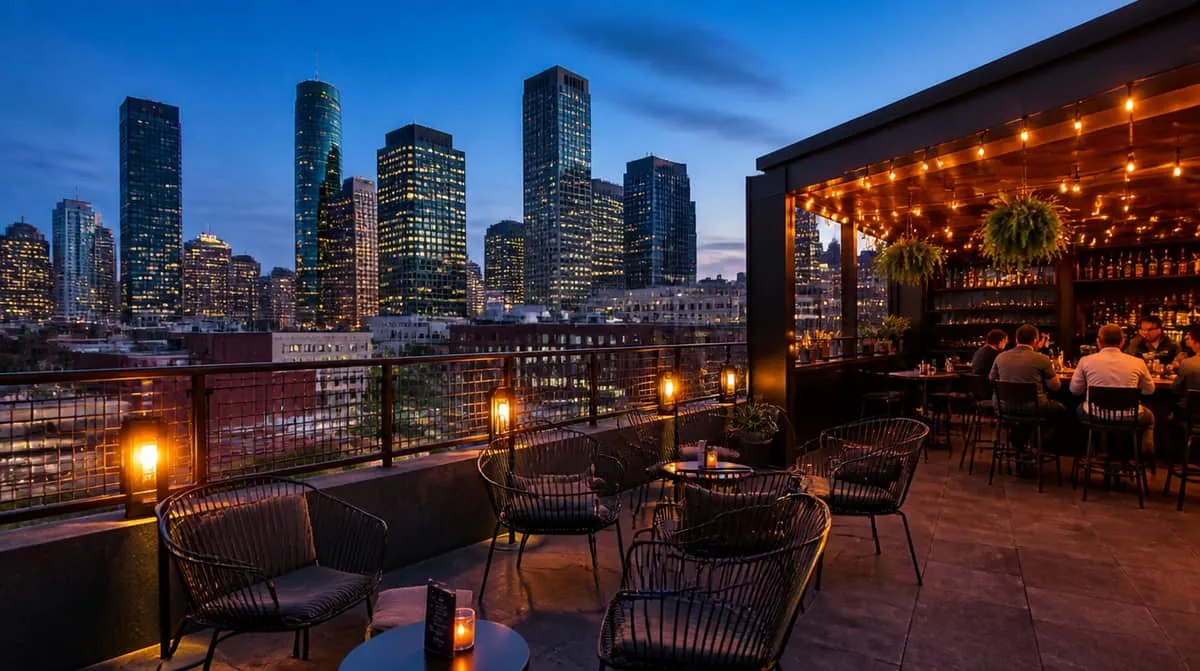
Outdoor Bar Areas and Houston's Weather Reality
Houston's outdoor bar scene is significant for the months when weather cooperates, and protected outdoor spaces with misting systems or ceiling fans can extend that season considerably. Contract outdoor furniture for Houston bar applications needs to handle UV exposure, high humidity, and the occasional severe storm that requires furniture to either be stored or to survive being wet. Commercial aluminum furniture with powder coating is the standard for covered outdoor bar areas. For completely exposed outdoor seating that can't be stored quickly, materials with inherent weather resistance, including marine-grade teak, high-density polyethylene, and commercial resin weave, are worth the investment.
We quote bar and lounge furniture for Houston operators against their own layouts and order sizes rather than a generic sheet. Request a quote and we will put together pricing for your property.