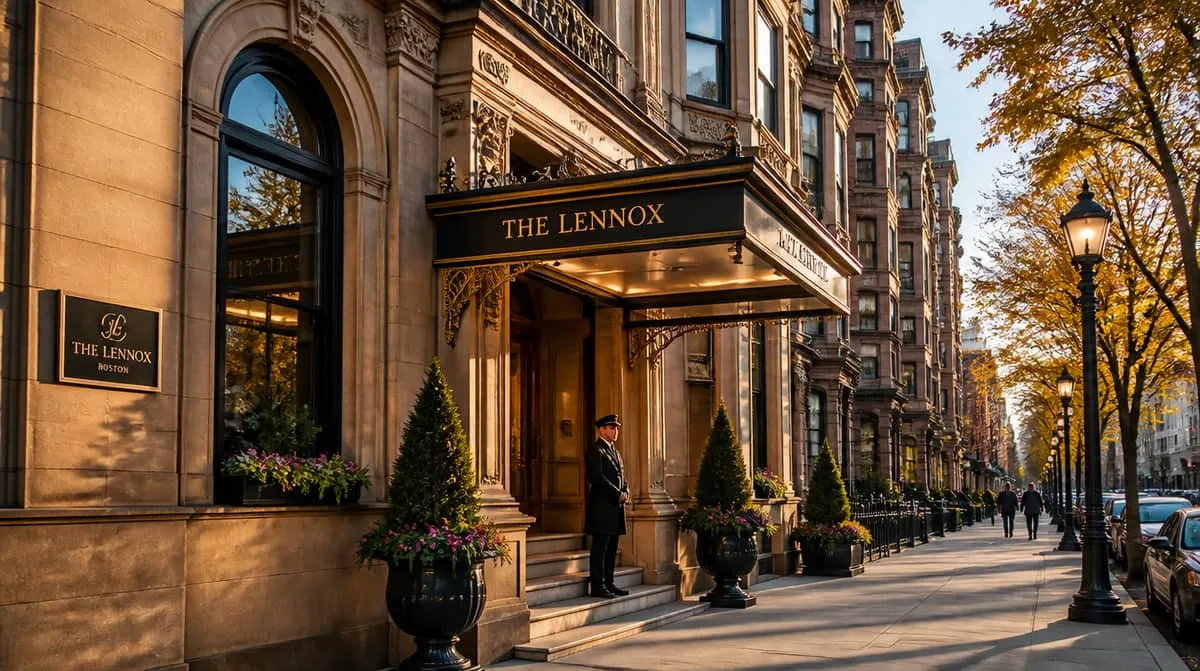
Boston's dining scene is dense, opinionated, and unforgiving of corners cut on equipment. A South End restaurant running full covers Thursday through Sunday, a North End trattoria cycling through two seatings every night, a Seaport concept competing with a dozen new openings across the Innovation District every one of those operations puts furniture through commercial punishment that no retail piece survives for long. The restaurant furniture Boston operators trust is built to contract-grade standards: frame materials tested under load, upholstery rated for abrasion and cleaning chemical exposure, joints engineered for cycling that residential construction never anticipates.
Boston's Restaurant Markets and What They Put Furniture Through
The geography of Boston's restaurant scene matters for sourcing decisions. The South End's SoWa corridor and Tremont Street corridor draw a design-literate, repeat-visitor clientele who notice when a dining room starts to look worn and they make the comparison against newer concepts that just opened a few blocks away. North End Italian restaurants operate at extraordinary density and volume: small rooms, tight table configurations, multiple seatings every night of the week. Harvard Square and Fenway restaurants absorb waves of academic visitors and sports-event crowds that test durability in very different ways than a quiet fine-dining room in Beacon Hill.
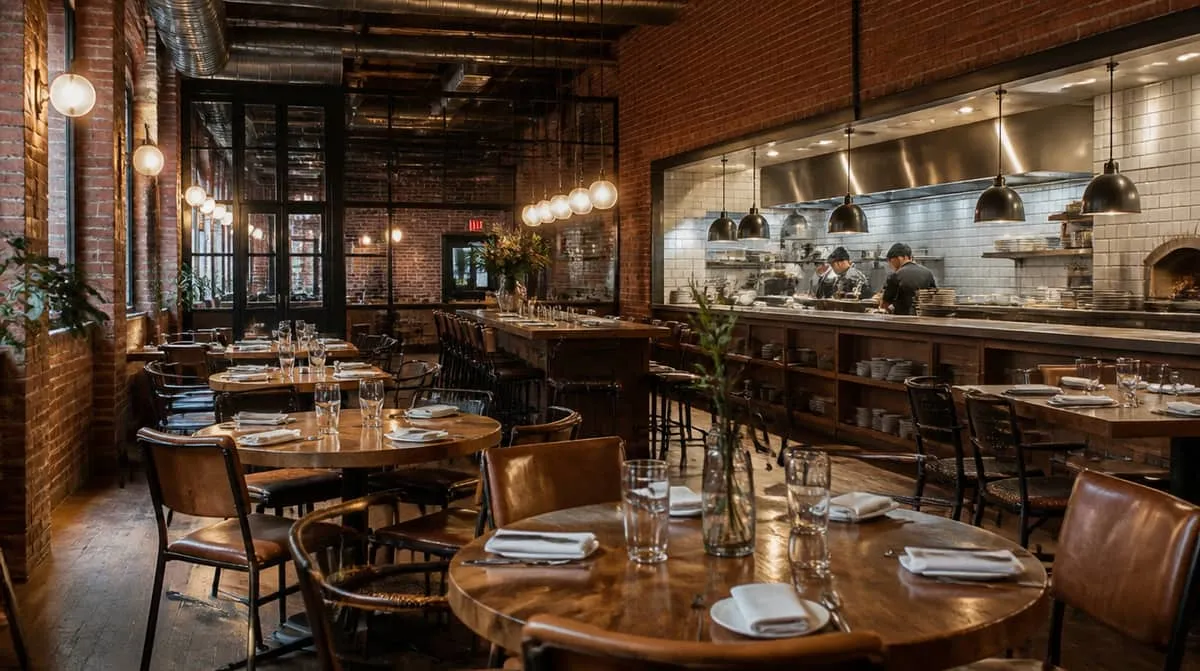
For dining chairs in any of these environments, the key metric is cycle count: how many seat-and-stand cycles a joint can take before it fails. Residential furniture is built for roughly 25,000 cycles. Contract-grade commercial seating starts at 100,000. A popular South End bistro running lunch and dinner service six days a week will destroy a retail piece inside eighteen months. A properly spec'd contract chair, maintained correctly, should deliver seven to ten years before a refresh cycle is warranted.
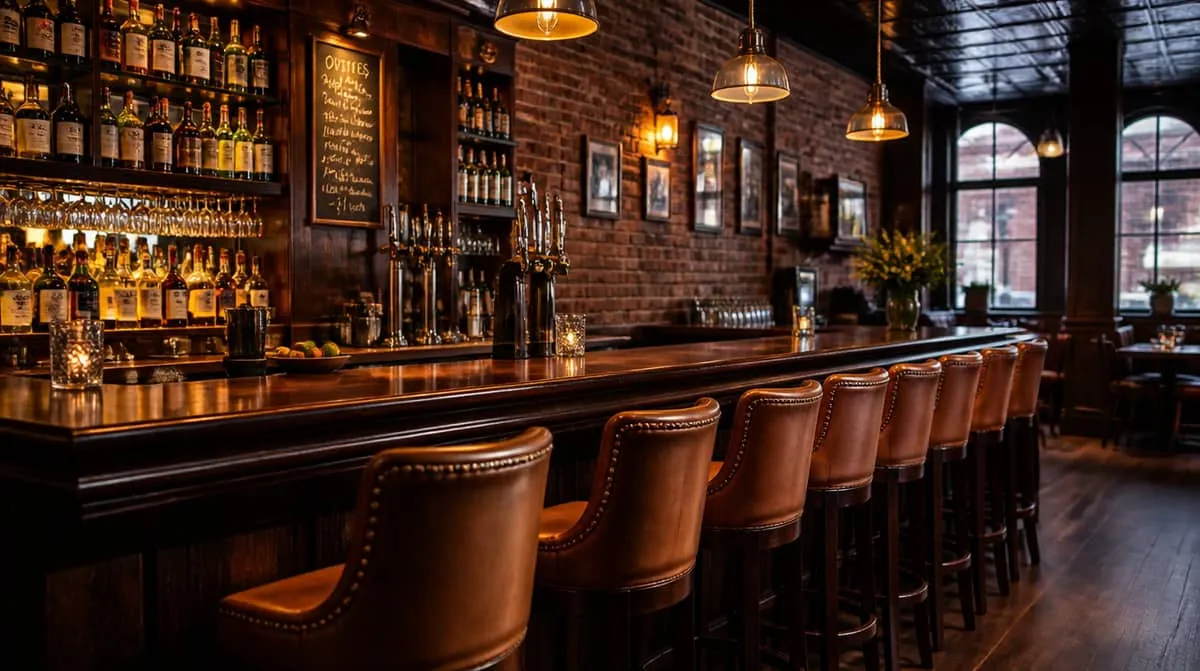
Barstools at the bar rail carry additional stress from leaning weight and lateral rocking. Spec frames at 18-gauge steel or thicker for any high-volume bar program lighter gauge flexes under repeated side load and fails at the welds before the upholstery shows visible wear.
New England Contemporary and What It Means for Restaurant Spec
Boston's design aesthetic for dining rooms has moved decisively away from the generic farmhouse and industrial looks that spread through most American cities. The best new openings in the South End and Seaport are working with warm wood tones walnut, white oak, dark-stained ash referencing New England craftsman tradition without being literal about it. Navy and cognac leather at the bar rail. Cream or warm linen upholstery in the dining room. Traditional chair profiles with cleaner, more restrained execution than the ornate antique-revival look of a decade ago.
That aesthetic requires sourcing restaurant tables and seating with matching finish discipline. A walnut-edged table next to a light maple chair breaks the palette consistency that makes a room feel considered. Work with your supplier to coordinate wood tones across your entire furniture program tops, chairs, banquette frames, and host stand before any pieces are ordered. Custom upholstery arrangements, where a standard contract frame gets covered in your specific COM fabric, are the most effective way to land the design direction without ordering from a custom manufacturer at full custom lead times and minimums.
Sourcing, Lead Times, and Boston-Specific Logistics
Boston restaurant openings run on tight timelines that do not accommodate supplier surprises. A licensing approval, lease commencement, and investor commitment tend to lock your opening date before your furniture order is placed, which means you are working backward from a hard deadline rather than forward from a comfortable manufacturing schedule.
For standard dining chairs in stocked finishes, four to six weeks is achievable from a contract supplier with inventory depth. COM upholstery or custom finishes push that to ten to fourteen weeks. Custom banquettes common in the tight floor plates of historic North End and Back Bay spaces run fourteen to sixteen weeks from final approval. Know which elements of your program fall into each bucket before you commit to any opening date.
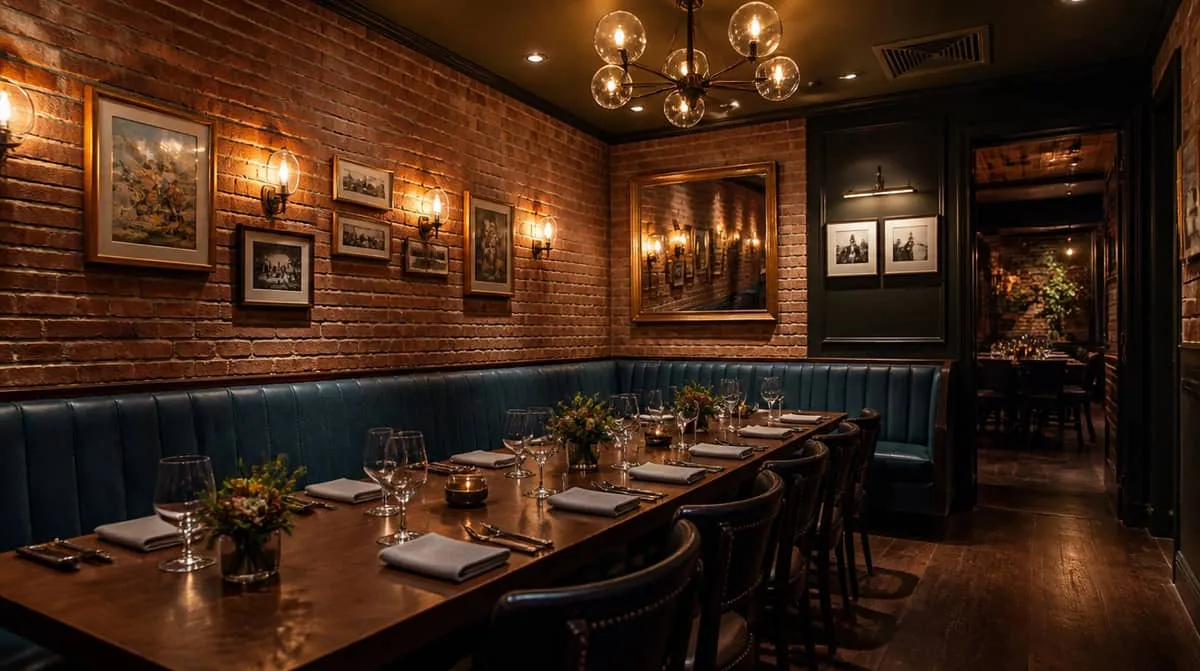
Boston's historic building stock also creates delivery complications. A ground-floor South End restaurant might have standard freight access. A Beacon Hill dining room in a renovated Federal rowhouse may require furniture to move through a narrow door and up a stairwell on the shoulders of two crew members. Confirm the delivery access reality with your supplier before order placement, not on installation day.
Every Boston venue has its own volume, layout, and turnaround demands, and restaurant furniture pricing follows from those specifics. Request a quote and we will scope it to your project.