
Augusta's restaurant scene has grown up around its river. Broad Street and the downtown blocks running toward the Savannah Riverwalk hold a dense cluster of restaurants, breweries, and bars that draw a steady local crowd most of the year and an enormous surge of visitors during Masters week each spring. Add a university medical campus that keeps business dining steady year round and an Army post nearby that brings its own family and visitor traffic, and you have a dining market that expects real character but will not tolerate a chair that wobbles or a booth cushion that flattens after one humid summer.
Why Contract-Grade Furniture Is the Minimum Specification
Contract-grade is not a marketing term. It refers to furniture built to commercial performance standards, ANSI/BIFMA in the US, which means stress-tested frames, commercial-weight glides, foam density at 1.8 lb or above, and upholstery rated for 50,000 double rubs at the low end. For a busy downtown Augusta dining room, especially one anywhere near Masters week foot traffic, 100,000 double rubs is a more realistic floor for any upholstered seat that sees daily service.

The gap between contract-grade and retail furniture is not subtle. A residential dining chair might handle 20 to 30 sits per day in a home. A restaurant chair on Broad Street during Masters week does multiples of that before the kitchen closes. The joints fail first, then the glides, then the upholstery surface. You end up replacing furniture on a 12-to-18-month cycle instead of a five-to-seven-year one, and that math does not work out in anyone's favor, particularly for operators counting on that one tournament week to carry a disproportionate share of annual revenue.
Augusta has enough restaurant and hospitality growth right now, new openings downtown near the riverfront, patio expansions, hotel dining rooms refreshing ahead of tournament season, that contract furniture suppliers are competing for your business. Use that leverage. Get warranty terms in writing, ask about commercial-use coverage explicitly, and do not accept vague answers about lead times.
Materials and Upholstery for Augusta's Climate and Crowds
Augusta operates across a genuinely wide range of dining environments, and the right material spec varies between them. A riverfront patio downtown in July is a different challenge than a booth inside a steakhouse near the medical corridor in a quiet January week. Your furniture program needs to handle both without looking like it came from two different suppliers.
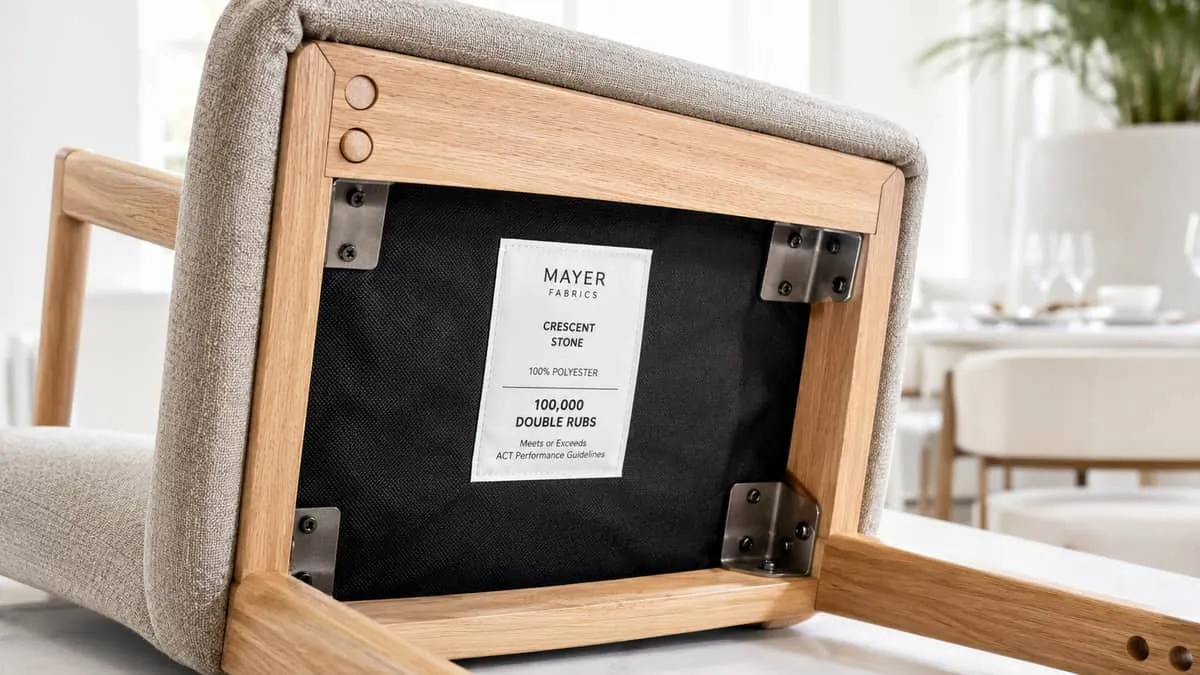
For indoor high-traffic seating, breweries and sports bars downtown, weekend brunch spots doing heavy covers during tournament season, performance vinyl and commercial polyurethane upholstery are the practical choice. They clean fast, resist bar-rag wear and grease, and hold up against the friction of constant use. These materials are rated by double-rub count, and that number is worth asking about directly when you are evaluating any supplier.
For outdoor and covered patio settings, solution-dyed acrylic fabric is the industry standard, and it matters more in Augusta than in drier climates. The Georgia summer here runs hot and genuinely humid for months at a stretch, and cushion foam that is not properly sealed traps moisture and mildews fast. Powder-coated aluminum frames are the correct call for any exterior or transitional application, they resist corrosion in the humidity and hold their finish through repeated pressure washing between services.
For higher-end concepts downtown or in hotel dining rooms serving tournament and medical travel guests, performance woven textiles offer more visual complexity than vinyl while still meeting commercial durability standards. The key qualifier in every category is the word "commercial." Residential fabric in a restaurant setting voids most supplier warranties and degrades fast in Augusta's humidity, well before the cost savings pay off.
Tables and Bases: Getting the Specification Right for Augusta Venues
Augusta's dominant restaurant aesthetic runs from historic brick and exposed timber downtown, the look you see throughout the Broad Street corridor, to a more polished, modern feel in the newer riverfront and hotel dining openings. Both aesthetics have clear furniture implications, and getting the table specification right matters as much as getting the seating right.
Solid wood tabletops with a commercial lacquer or penetrating resin coat survive the environment and photograph well against exposed brick. Uncoated or lightly oiled wood is a liability anywhere near a bar program in this climate, it swells, stains, and becomes a guest complaint within months. For venues running high cover counts during tournament week, laminate tops with a realistic wood or stone surface are worth considering seriously. They clean faster, chip less, and cost significantly less to replace when they wear out.
Table bases are where operators consistently underspend. Cast-iron or heavy-gauge steel bases are the correct specification for any bar-height or standing-height application. Lightweight aluminum bases walk, wobble, and frustrate everyone in the room every night. For riverfront patio settings, powder-coated steel or aluminum with a UV-stable finish is non-negotiable given how much sun and humidity exposure the Augusta season brings.
Match your table sizing to your operational reality. Downtown food hall and taproom-style environments benefit from smaller two-tops that reconfigure quickly for groups. Private dining rooms serving hotel and tournament week business need the clearance and formality that a properly sized round or rectangular table provides. Build your floor plan before you finalize your table order, because changing your mind after 80 units arrive at your loading dock is an expensive problem to solve, especially with a fixed tournament deadline bearing down on you.
Finding the Right Supplier Relationship for Augusta
One-off purchases from liquidation sources or retail furniture stores create long-term operational headaches. When a chair cracks or a barstool base fails eight months after opening, you need a supplier who still stocks your SKU, can match your finish, and ships fast enough to keep your dining room looking consistent, especially the week before a tournament crowd descends on the city.
For restaurant furniture sourcing in Augusta, look for suppliers who carry hospitality-specific lines, not residential or office crossover products repackaged with commercial-sounding descriptions. The best supplier relationships involve reps who understand contract warranty terms, can speak to lead times honestly, and know how to support a phased project opening timed around the region's single most important calendar week.