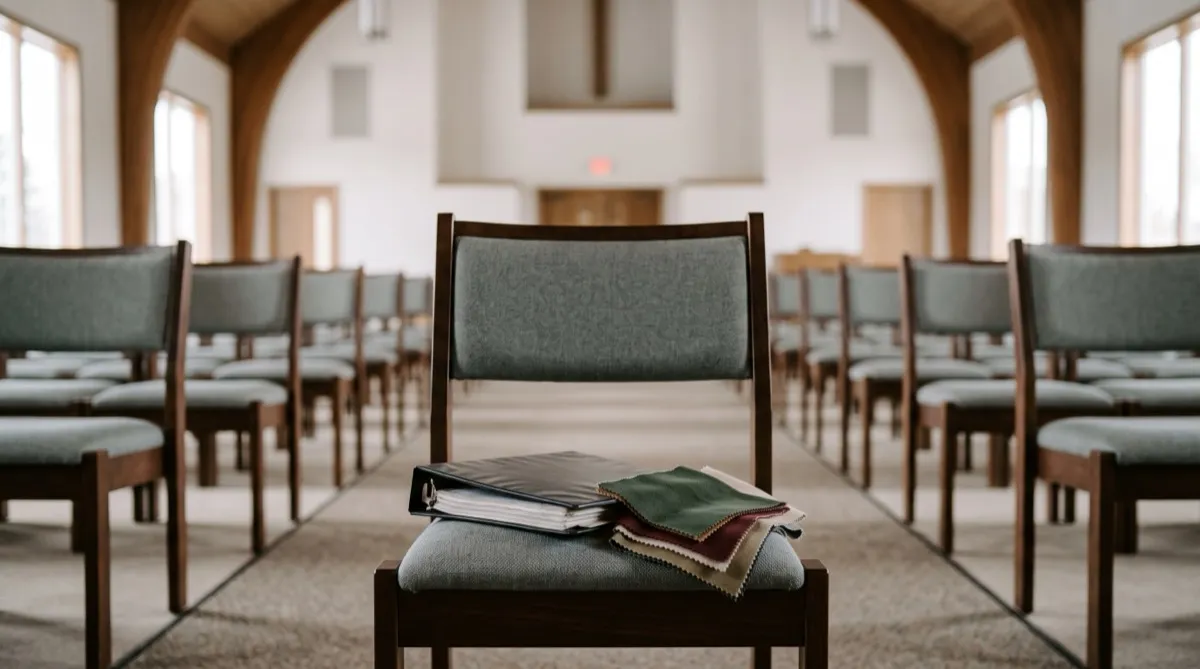
A full seating replacement rarely comes from one line in the annual budget. Chairs for a full sanctuary, a fellowship hall, or a multipurpose room represent one of the larger furniture purchases a congregation will make, and most churches don't have that kind of discretionary spending sitting idle. The good news is that funding a chair project is a well-worn path, and most congregations end up combining a few of the approaches below rather than relying on just one.
Chair sponsorship programs
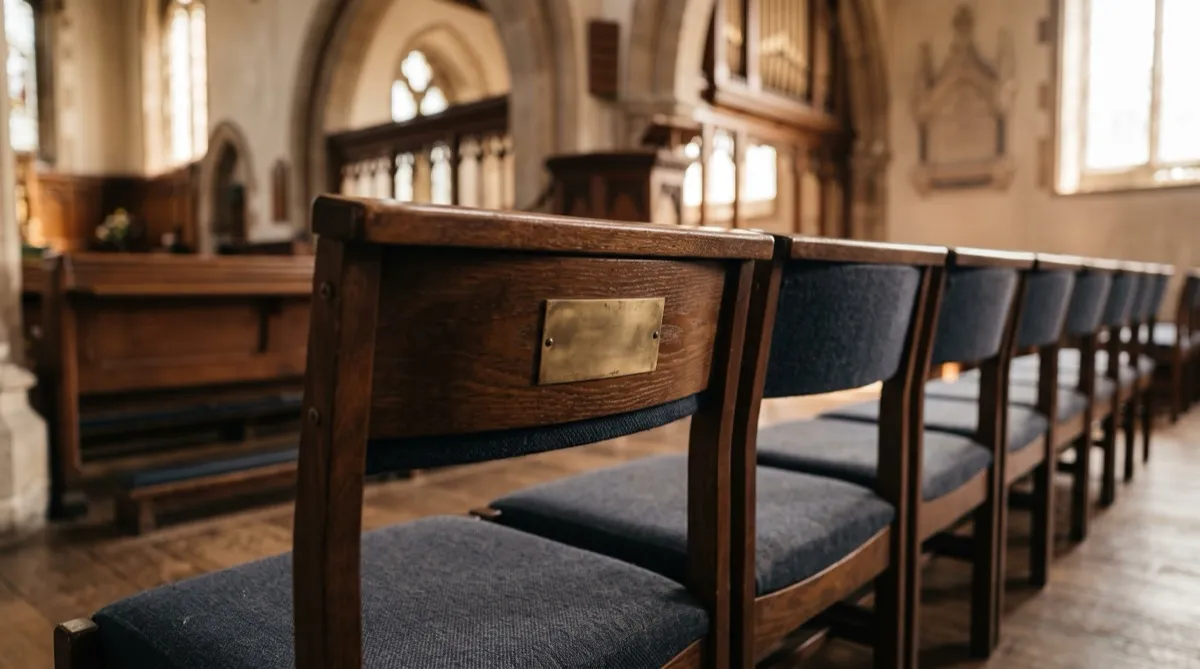
One of the most common ways congregations fund a seating project is a chair sponsorship or "adopt a chair" program, where individual members or families commit to covering the cost of one or more chairs, often with a small dedication plaque or a mention in a bulletin or program insert. This approach works well because it breaks a large project into a unit that feels personal and achievable to an individual giver, rather than asking the congregation to absorb an abstract lump sum.
Sponsorship programs also build buy-in for the new seating before it arrives. A member who sponsored a specific chair has a personal stake in the outcome and tends to become an advocate for the project among other members who might otherwise be skeptical of a change to a familiar sanctuary.
Dedicated fundraising campaigns
Beyond individual sponsorship, many churches run a defined fundraising campaign specifically for the seating project, separate from general offering and operating funds. This might run alongside a broader facilities campaign or stand on its own. A clearly scoped campaign, with a specific goal tied to a specific chair count, tends to perform better than folding the ask into general fundraising, because members can see exactly what their giving accomplishes and when the goal has been met.
Communicating progress toward the goal, whether through a simple thermometer chart in the lobby or periodic updates in the bulletin, keeps momentum going through what can be a multi-month or multi-year effort for a larger sanctuary.
Phased purchases across budget cycles
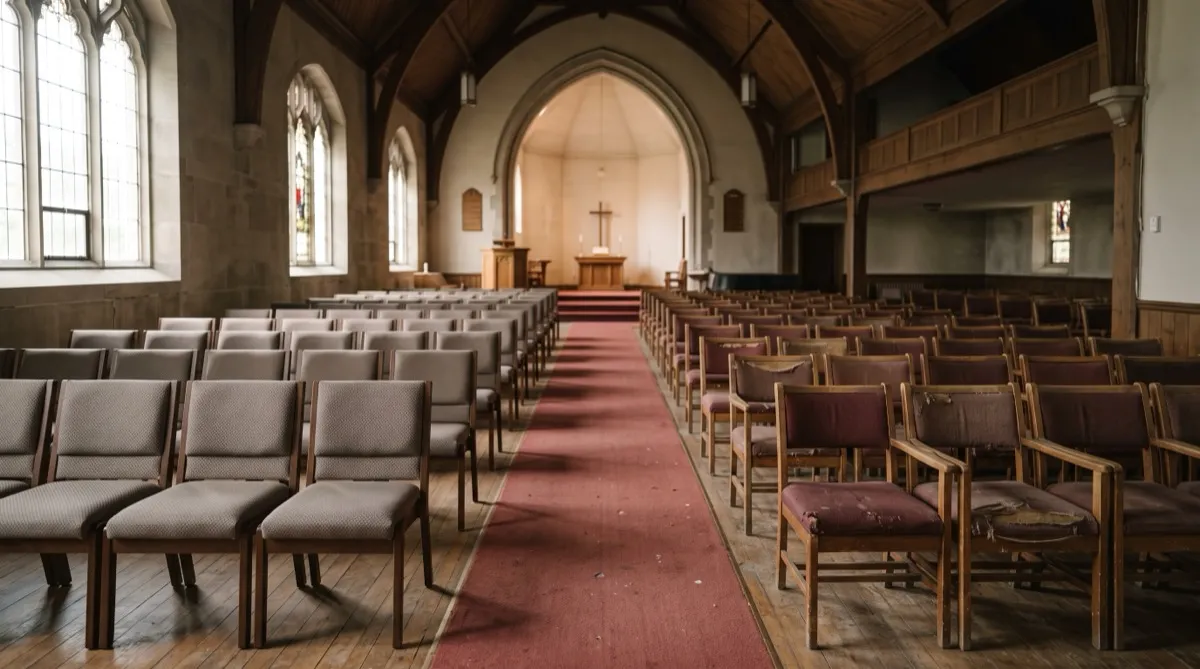
Not every congregation needs or wants to replace all its seating at once. Many churches phase the purchase across two or more budget cycles or fiscal years, replacing one section or one room per cycle rather than committing to the full project in a single approval. This spreads the financial commitment across normal annual budgeting rather than requiring a single large capital outlay, and it lets the congregation evaluate the new chairs in one section before committing to the rest.
Phasing does require some planning to keep frame finish, fabric, and any accessory features consistent across purchases made months or years apart, since a mismatched second phase looks unintentional next to the first. Keeping a clear written spec on file from the first order makes later phases straightforward to match.
This approach also gives a congregation room to learn from the first phase before committing further. A section that goes in ahead of the rest becomes a real-world test: does the arm configuration hold up, does the fabric clean easily after a full season of use, do members comment on comfort during longer services. Feeding that feedback into the spec for later phases produces a better final result than locking every detail on paper before a single chair has been sat in.
Working with the budget committee
Whatever the funding source, most churches route a seating decision through a facilities or budget committee before it goes to the full board or congregation for approval. That committee typically wants a few things in hand before they can move a proposal forward: a clear chair count and configuration, a firm quote reflecting that scope, and some sense of lead time so the project can be scheduled around the church calendar.
This is where getting an accurate quote early matters. A committee that has to guess at cost before approving a fundraising goal or a budget line risks setting a target that doesn't match reality, which either leaves the project short of funds or raises more than needed. A firm quote based on your actual chair count, arm configuration, and accessory choices gives the committee a real number to build a proposal around rather than an estimate pulled from a different project.
Getting a quote for board approval
Boards and budget committees move faster with a specific document in front of them rather than a verbal estimate. Request a written quote that itemizes chair count, frame and fabric choice, any accessories like book racks or kneelers, and freight and lead time, so your committee has something concrete to present and vote on. A specific, itemized quote also makes it easier to explain the project to the wider congregation during a fundraising or sponsorship campaign, since members can see exactly what their contribution funds.
If your congregation is planning a phased project, ask for the full scope quoted together even if you intend to order in stages. That gives your budget committee the complete picture for long-range planning while still allowing the actual purchase orders to go out section by section as funds become available.
Our church furniture team works with facilities committees and budget teams regularly and can put together a written, itemized quote scoped to your sanctuary or fellowship hall, whether you're funding the project in one purchase or across several budget cycles. Request a quote with your chair count and timeline so your committee has a real number to plan around.