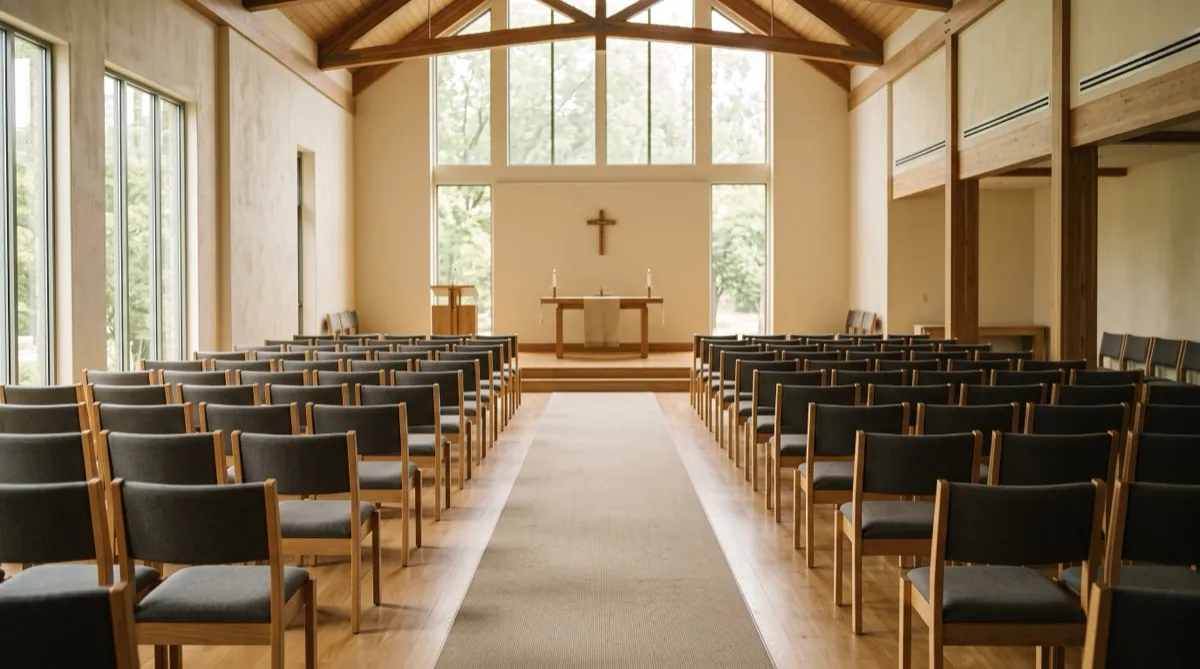
Church building committees usually start a furniture budget conversation with a single number in mind, a total someone heard from another congregation or estimated from a magazine photo. That approach almost always misses. A workable budget gets built from the actual item list and the cost drivers behind it, then phased against what the congregation can realistically fund now versus later.
Start with the item list, not a lump sum
The first step in any real furniture budget is a complete inventory of what needs furnishing: sanctuary seating count, fellowship hall tables and chairs, choir loft seating, nursery and children's room furniture, lobby and welcome area pieces. A budget built from a single guessed total skips this step and almost always underestimates, because it is easy to forget an entire room (the overflow space, the youth room, the choir robe storage area) until the order is already placed and the gap shows up.
Once the full list exists, price drivers become visible. Seating quantity is the biggest lever, since chair count scales cost almost linearly. Fabric grade and finish level are the next biggest lever, a mid-grade commercial fabric versus a premium performance fabric can move the seating line item significantly. Frame material, wood versus steel versus a hybrid, is a smaller but real factor. Custom color matching to existing decor adds cost and lead time versus standard finish options already in production.
Quantity math that avoids re-ordering
Order for the sanctuary's actual seating capacity plus a reasonable reserve, typically five to ten percent, for growth, special services, and normal attrition from wear and occasional damage. Under-ordering seems like a savings until a high-attendance holiday service forces mismatched folding seating into the aisles, which looks worse than the cost of the reserve would have been. Over-ordering by a wide margin ties up funds in inventory that sits unused for years.
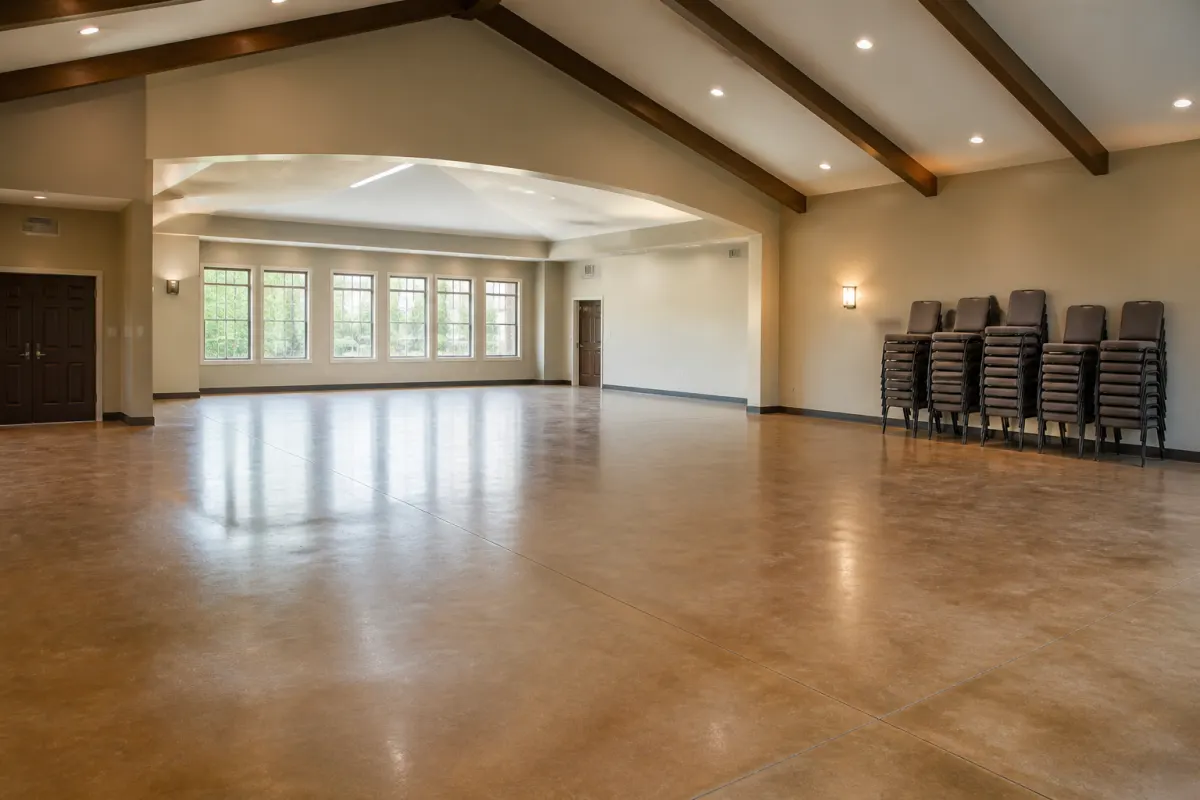
Fellowship hall and multipurpose furniture should be counted against the room's peak use case, the largest dinner or event the space realistically hosts, not the average Sunday attendance, since a room that only fits average attendance fails on exactly the days it matters most.
Phasing a project without stalling it
Very few congregations fund a full sanctuary and fellowship hall furniture program in a single purchase. Phasing the project by priority lets the most visible or most worn spaces get addressed first while later phases wait for the next funding cycle. Sanctuary seating, the space every member sees every week, usually leads a phased plan. Fellowship hall and classroom furniture often follows once the primary worship space is addressed.
Phasing works best when it is planned from the start rather than improvised after the budget runs short partway through an order. Lock the full specification across all phases up front, even if only phase one gets ordered immediately, so finishes and frame styles stay consistent when phase two gets funded later. Ordering phase two from a different spec because the original was forgotten is how sanctuaries end up with two visibly different generations of chairs in the same room.
Financing and fundraising framing
Many congregations pair a furniture project with a dedicated fundraising campaign rather than pulling entirely from general operating funds. Framing the ask around a specific, tangible outcome (new choir loft seating, a refreshed fellowship hall) tends to raise more than a vague building fund appeal, since donors respond to a concrete before-and-after. Some suppliers also offer financing structures that spread a large order over a payment schedule aligned with a capital campaign's pledge timeline, which can let a congregation start using new furniture while pledges are still being collected rather than waiting for full funding to arrive.
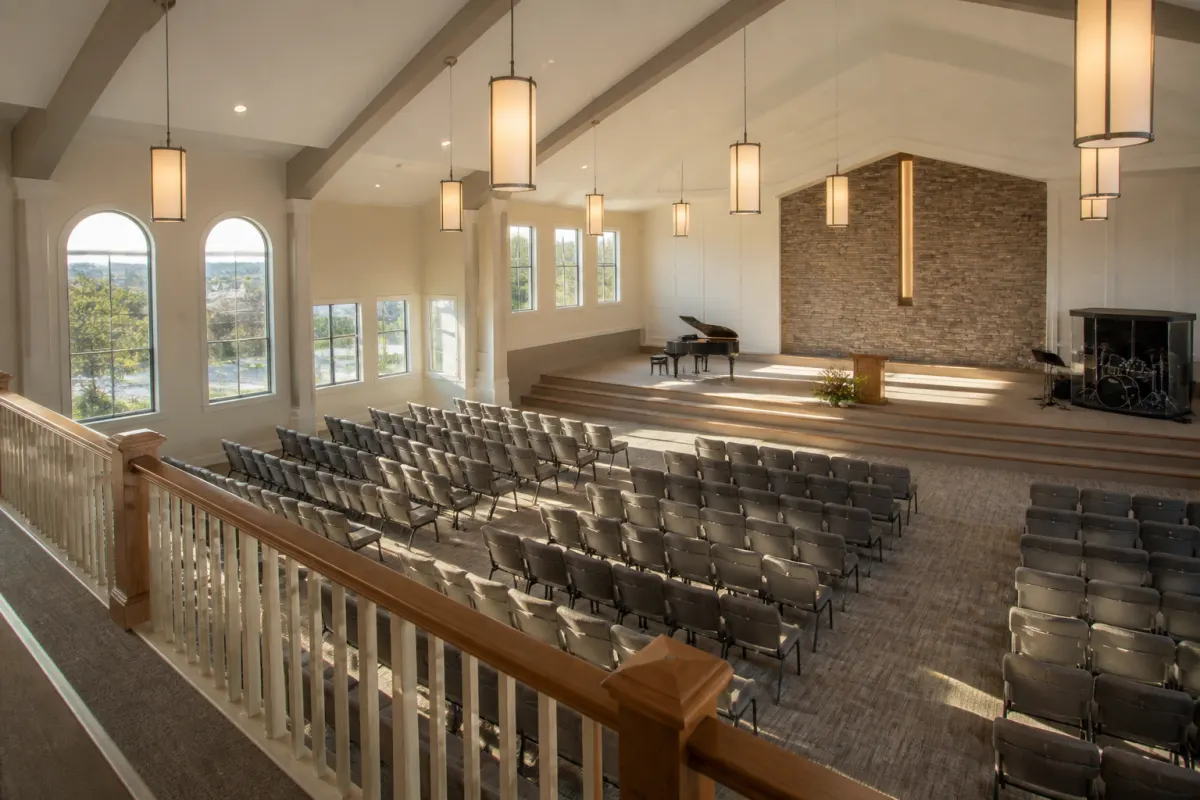
Whichever financing path a congregation uses, get the full specification and formal quote locked before the fundraising target is set publicly, so the number the congregation is asked to raise is accurate rather than a rough estimate that has to be revised upward later.
Comparing quotes on equal terms
Once a committee starts collecting quotes from more than one supplier, the comparison only works if every quote covers the same scope. A quote that excludes freight, installation, or a full fabric grade upgrade will look cheaper on the page than one that includes all three, and committees comparing bottom-line numbers without checking scope consistency routinely pick the quote that looks best rather than the one that actually delivers the same furniture. Ask every supplier bidding on the project to quote against the same written specification, including freight and installation as line items, so the comparison is a true apples-to-apples read rather than a comparison of what each supplier chose to leave out.
Getting from budget to order
Once quantities, specifications, and phasing are set, a formal quote replaces the estimate with a real number tied to the actual items being ordered. That quote is also what building committees typically need to present to a finance committee or congregational vote, since a specific line-itemed number is easier to approve than a round estimate.
For seating specifically, banquet chairs cover the stacking and fellowship hall styles most congregations spec first.
Ready to turn your item list into a real quote? Request a quote with your seating counts and priority phases and we will put together a specification your committee can take to a vote.
Turn the quote into an approval plan
Separate the furniture cost from receiving, assembly, storage carts, and any work needed after old seating is removed. A chair-sponsorship campaign should explain which of those costs the contribution covers.
If purchases are phased across budget periods, ask how long the approved fabric and frame will remain available. Present the committee with the same specification and delivery scope for every supplier so an apparently cheaper bid is not simply missing part of the work.