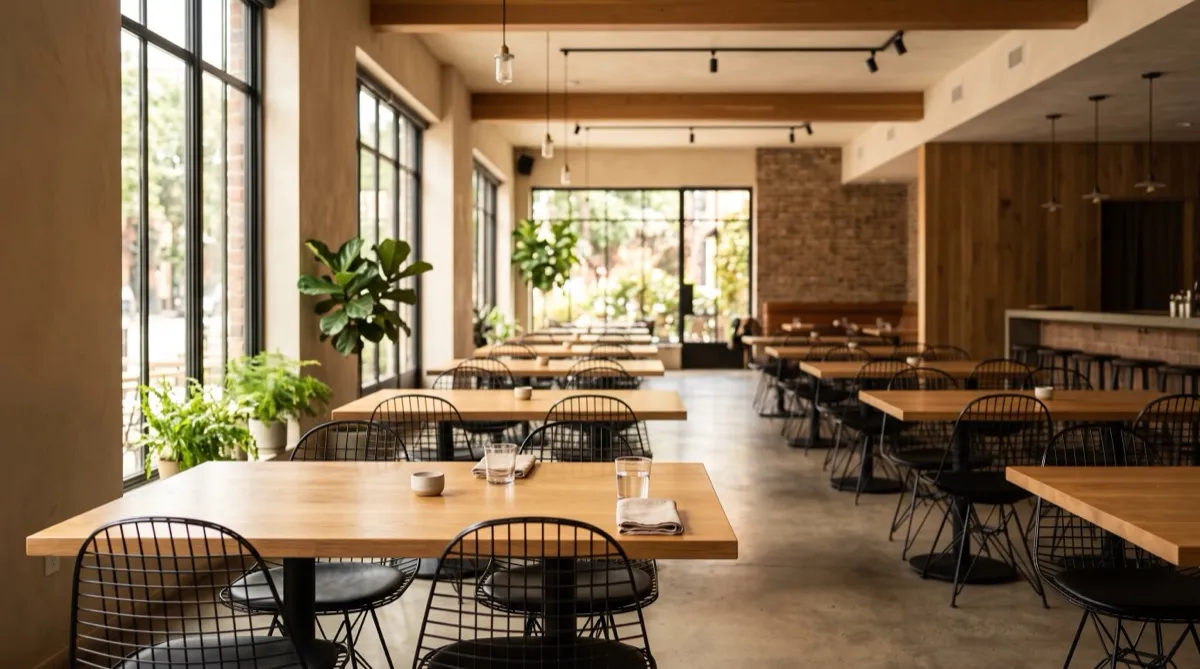
Metal restaurant chairs wholesale pricing runs from roughly $45 per chair for entry steel stacking models to $130 or more for heavier-gauge aluminum cafe chairs at volume, with the spread driven mostly by frame material, gauge, and whether the chair is rated for outdoor use. If you are pricing out a dining room, patio, or multi-location rollout, the fastest way to get a real number is to separate indoor-only steel from outdoor-rated aluminum before you even start comparing quotes, because those two categories are priced and built completely differently.
This guide breaks down what drives the price of metal cafe chairs at volume, what to check before you commit to 50, 150, or 500 units, and how freight and lead time factor into a multi-location order.
Steel vs aluminum: the core decision
Most metal restaurant chairs on the market fall into one of two frame categories, and the choice matters more than finish or style.
Steel frames are the standard for indoor dining rooms. Welded steel tube construction handles daily stacking and high turnover well, and powder-coated finishes hold up to scuffing from chair legs and foot traffic. Steel is heavier per chair, which is a non-issue indoors but a real drawback anywhere staff need to move chairs outside daily. Steel that is not properly coated or sealed will rust if it sees regular moisture, so indoor-rated steel chairs should stay indoors.
Aluminum frames cost more per unit but resist corrosion, which makes them the right call for patios, sidewalk seating, and any semi-outdoor dining area. Aluminum is lighter to carry, which speeds up patio open and close routines, and a good outdoor finish will not chalk or pit after a season of sun and rain the way an unrated steel chair will.
The mistake we see most often in multi-location restaurant groups: ordering one chair style for both indoor and patio seating to simplify the order, then replacing the patio chairs within a year because they were never rated for outdoor exposure. Spec indoor and outdoor separately even if it means two purchase orders.
What metal restaurant chairs cost at volume
Using the site's current published ranges as a baseline:
- Steel-frame stacking cafe chairs: $45 to $90 per unit
- Aluminum stacking chairs (patio-rated): $70 to $130 per unit
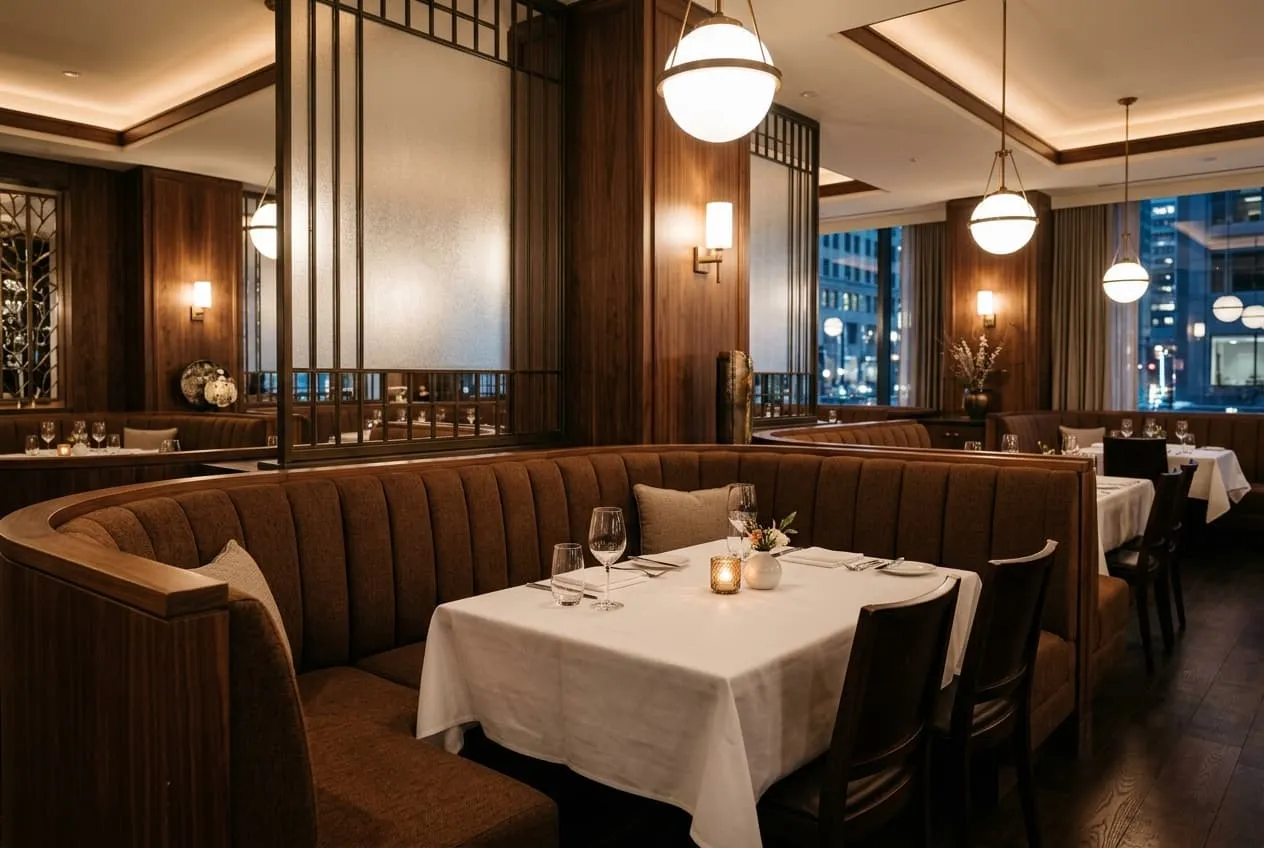
Volume discounts typically start at 50 units and step up again at 100, 250, and 500, commonly landing 5% to 15% off list depending on quantity and finish. A single-location restaurant ordering 60 chairs will land near the bottom of that discount curve. A restaurant group ordering 400 chairs across six locations in a single production run will land near the top, and can often standardize on one frame and finish across every location to simplify future reorders and repairs.
Two things push per-unit price up regardless of quantity: custom powder-coat colors outside the standard finish palette, and any upholstered seat pad added to a metal frame. Two things bring it down: sticking to stock finishes and consolidating your order into fewer, larger production runs instead of several small ones spread over the year.
Gauge, welds, and what actually fails
Frame gauge is the spec restaurant buyers skip most often, and it is the one that determines how long a metal chair actually lasts in daily use. Ask for the tube gauge and confirm the joints are fully welded, not just spot-welded or bolted. A fully welded frame with a stated weight rating will outlast a lighter-gauge chair by years in a high-turnover dining room, even if the two chairs look identical in a photo.
Also confirm stacking height and stability. Metal cafe chairs are usually stored stacked between shifts or seasonally, and a frame that stacks straight and holds a tight column saves real storage space compared to one that leans after four or five chairs. If your location stores patio chairs indoors for winter, factor that stacked footprint into your storage plan before you order.
Floor protection matters too. Confirm the chair ships with non-marking glides or feet rated for your floor type, tile, wood, or concrete patio. Replacement glides should be available separately, since they wear out well before the frame does on a chair that gets dragged across a dining room floor daily.
Freight and lead time for multi-location orders
Bulk metal chair orders ship LTL (less than truckload) or full truckload depending on order size, and freight cost depends heavily on your delivery zip code, whether the address has a loading dock, and whether a liftgate is needed for a limited-access location. If you are ordering for several restaurant locations at once, have the delivery address, dock access, and receiving hours ready for each site before you request pricing, since freight quotes change significantly based on those details.
Lead times run 2 to 6 weeks for in-stock steel and aluminum lines, and 8 to 14 weeks for custom powder-coat colors or any non-standard finish. If you are opening a new location or refreshing seating ahead of a patio season, order on the custom-finish timeline even if you plan to decide on color later.
Before you place the order
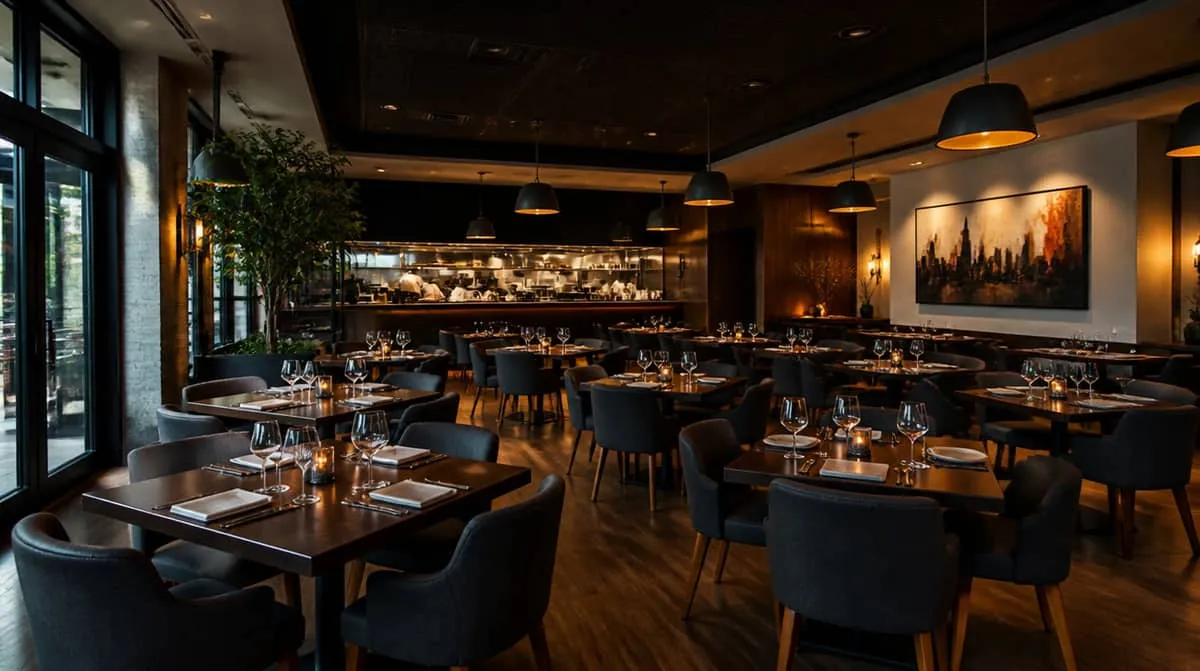
Get a sample chair in the exact finish and frame gauge you are considering before committing to a full order. It is the only reliable way to check weld quality, weight, and finish in person rather than from a spec sheet. Confirm the stated weight rating matches your dining room's use case, verify the warranty covers frame welds specifically, and if you are buying for a patio, confirm in writing that the finish is rated for outdoor exposure and not just described as "durable."
When you are ready to price a real order, use the furniture cost calculator to rough out a budget across your locations, then request a quote with the exact item, quantity, finish, delivery zip for each location, and your timeline. Our team will confirm indoor vs outdoor spec, freight, and lead time before you commit to a production run.