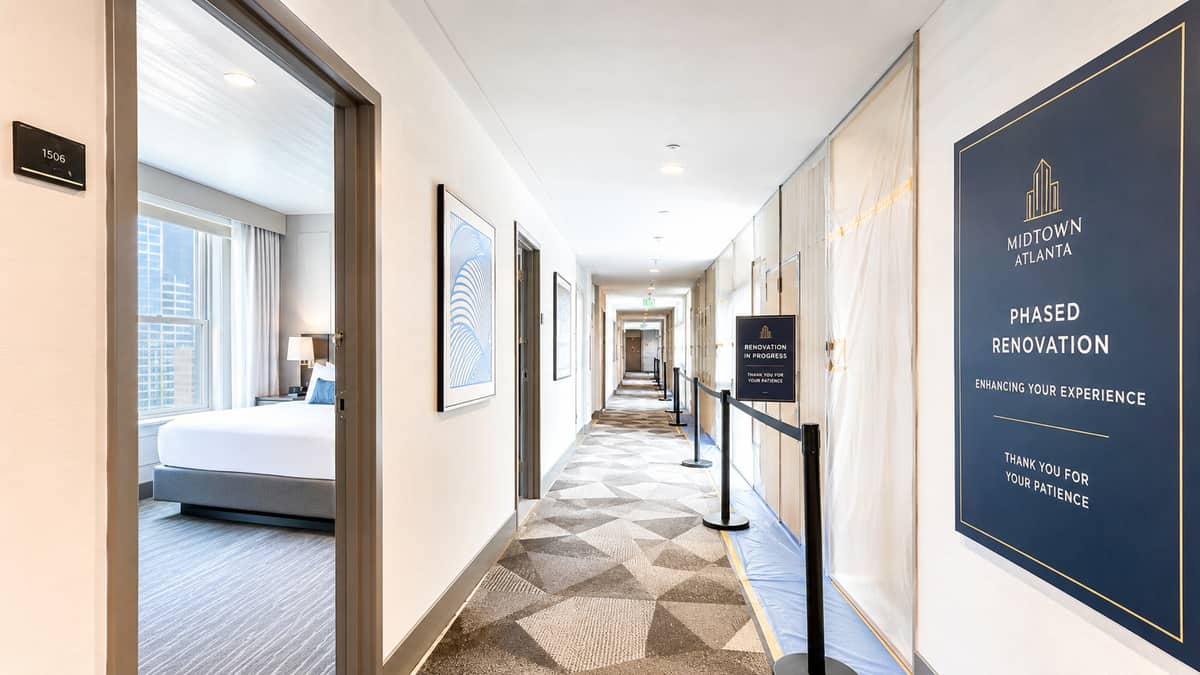
Renovating a hotel in Savannah comes with pressures that a lot of other markets do not have to plan around. A large share of the hotel inventory sits inside historic buildings subject to preservation review. The tourism calendar rarely offers a clear low-occupancy window to schedule disruptive work. And whatever furniture goes back into the rooms has to survive a coastal climate that is harder on materials than most of the country. If you are planning a hotel renovation FF&E program in Savannah, here is what actually drives the timeline.
Savannah's Renovation Calendar Runs on a Near Year-Round Tourism Season
Most hospitality markets have an identifiable slow season that renovation teams can target for the most disruptive phases of work. Savannah does not offer that luxury. Spring brings peak leisure travel around azalea bloom, fall brings the strongest wedding season in the Southeast, summer holds steady with family and coastal travel, and even winter carries meaningful holiday and event traffic around the historic squares. Renovation planning here has to accept that some level of occupancy disruption is likely regardless of timing, and build the phasing plan around minimizing rather than eliminating that disruption.
Historic District properties add another layer. Preservation review for exterior and sometimes interior work can extend a renovation timeline in ways that are hard to predict precisely, and a furniture procurement schedule locked too early against an assumed construction completion date risks either sitting in a warehouse or arriving before the space is ready.
FF&E Lead Times: Work Backward From Your Opening Date
Standard lead times from contract furniture suppliers run 10 to 16 weeks for domestic production, longer for imported pieces or the custom casegoods that historic Savannah properties frequently need to fit non-standard room dimensions original to buildings never designed as hotels. Work backward from your target reveal or reopening date, and build in buffer for both preservation review uncertainty and Savannah's busy tourism calendar affecting contractor and installation crew availability during peak seasons.
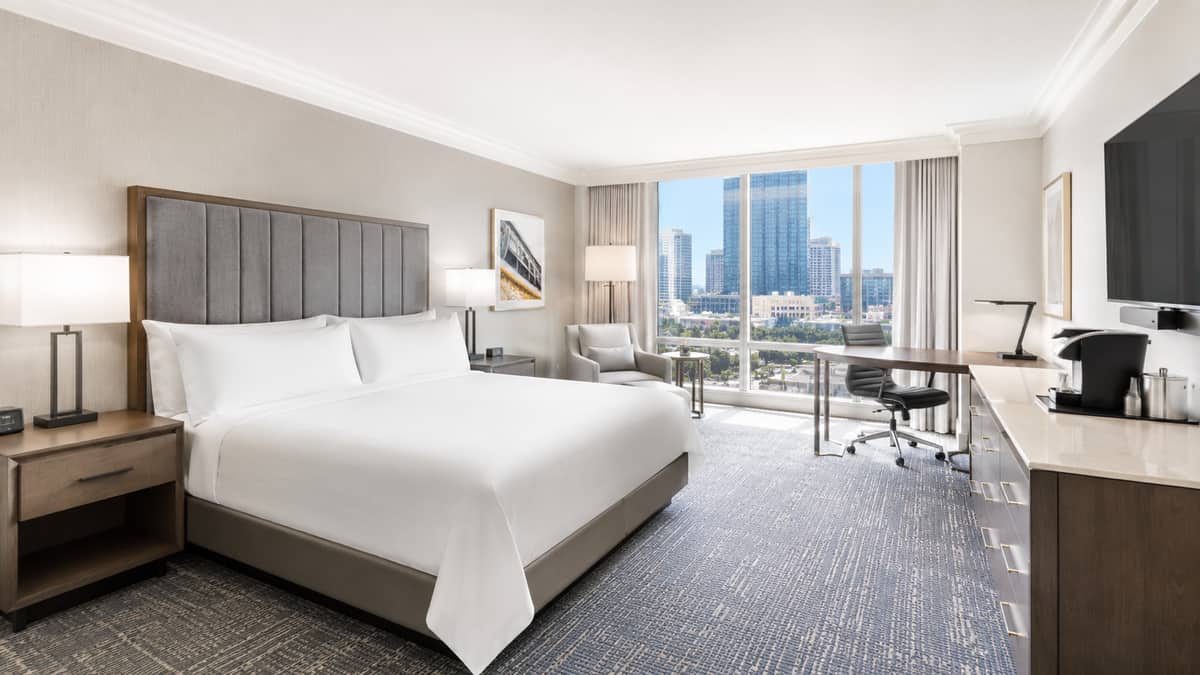
Lock your furniture specification at the same time as your interior design drawings, not after. This is the single decision that most consistently separates Savannah renovations that hit their date from ones that do not, since production timelines here rarely have slack to absorb a late specification change.
Brand Standards and the Savannah Design Context
Branded properties renovating in Savannah face a real tension between corporate brand standards, often designed for a generic national portfolio, and the historic architectural character that makes the property valuable in this specific market. The strongest renovation programs work within brand standard frameworks while pushing for finish, fabric, and casegoods selections that acknowledge the building's history rather than fighting it.
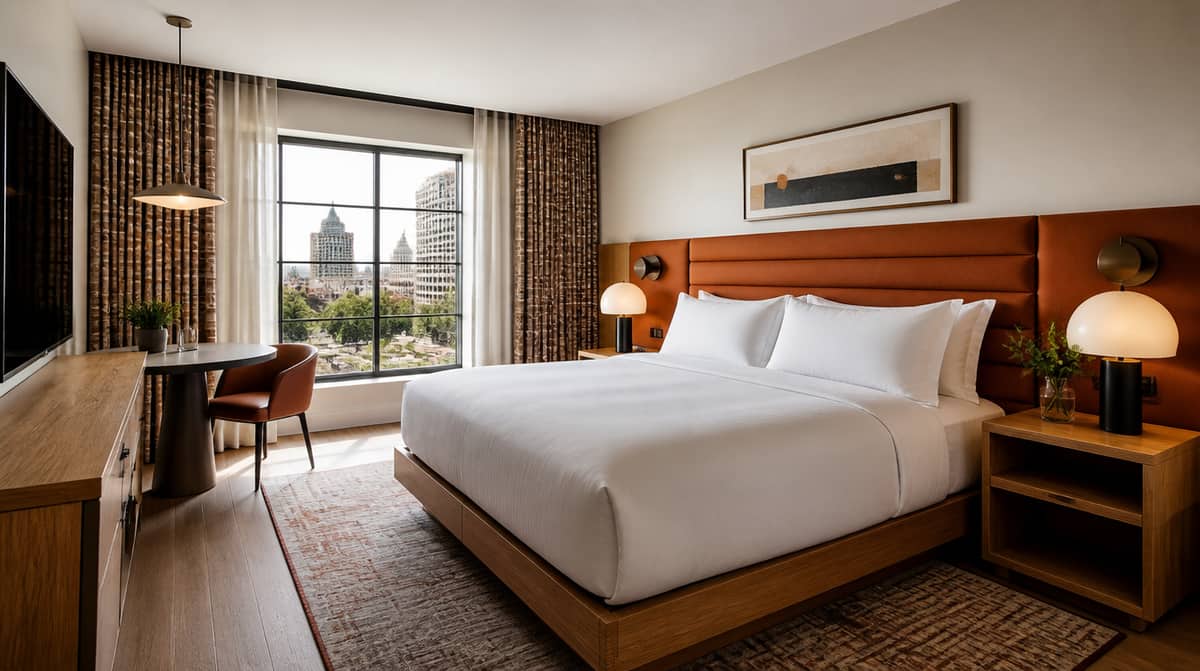
Independent and boutique properties have more flexibility here, but still need a coherent design direction rather than a piecemeal replacement of individual worn items. A full-room FF&E refresh, planned and executed together, reads as intentional in a way that furniture replaced a few pieces at a time over several years never does.
Delivery and Installation in an Operating Property
Most Savannah hotel renovations happen while the property remains at least partially occupied, which means delivery and installation logistics matter as much as the furniture specification itself. Phased delivery by floor or wing, coordinated closely with your general contractor and operations team, keeps guest disruption manageable and prevents furniture from sitting exposed to Savannah's humidity in a staging area longer than necessary.
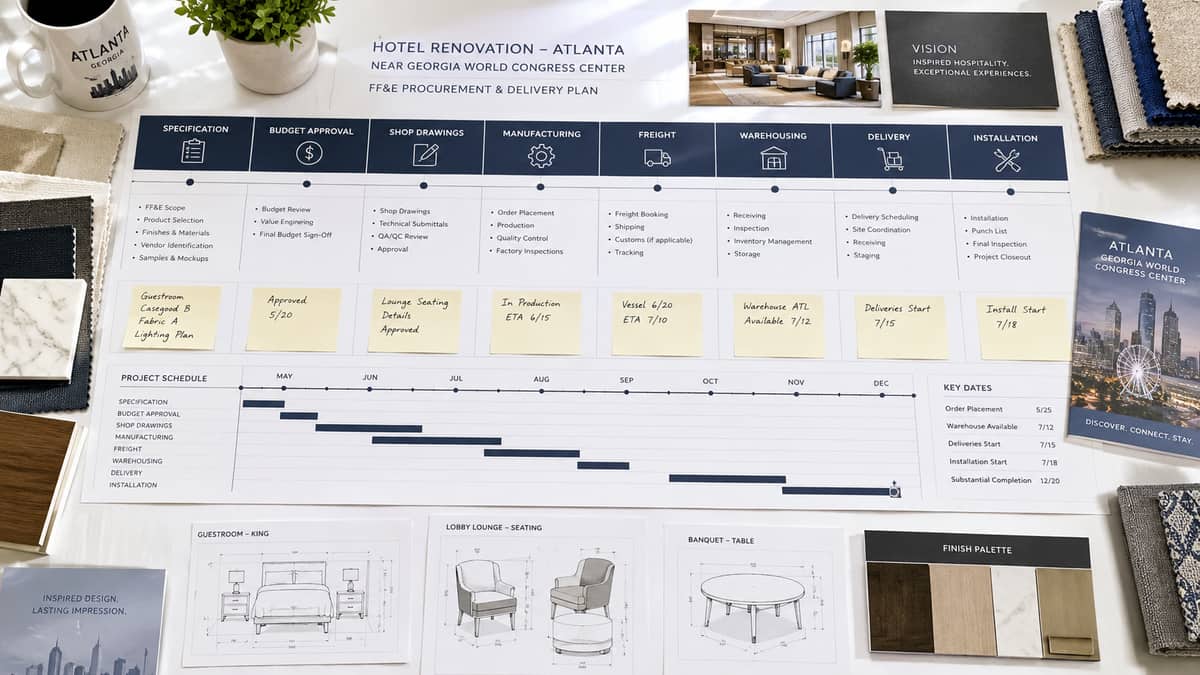
Historic properties with narrow service corridors, limited elevator access, or preservation-protected common areas need a delivery team experienced with those physical constraints, not a standard freight delivery that assumes loading dock and freight elevator access a converted historic building may not have. Request a quote with your room count, building constraints, and target completion date to start a realistic renovation timeline.