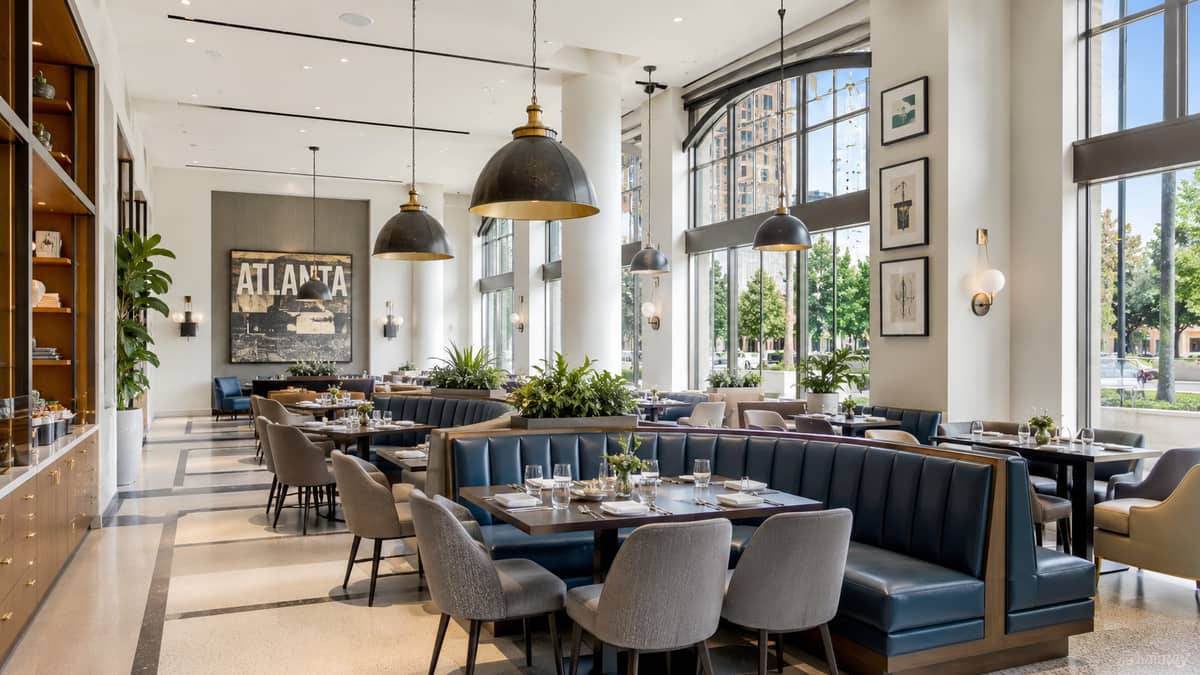
FF&E procurement in Savannah carries constraints that a lot of other markets do not have to plan around. A large share of the hotel and hospitality inventory here sits inside historic buildings subject to preservation review, the tourism calendar rarely offers a true slow season to schedule construction disruption, and the Port of Savannah adds a freight variable that can work for or against your project depending on how your supplier routes shipments. If you are managing an FF&E procurement process for a Savannah hospitality project, here is what actually drives the timeline and budget.
What FF&E Actually Covers (and What It Does Not)
Furniture, fixtures, and equipment covers the movable and semi-fixed items in a hospitality project, guestroom furniture, lobby and lounge seating, casegoods, lighting fixtures, and the equipment that supports operations. It does not cover architectural finishes, built-in millwork, or structural elements, those fall under the construction budget and a different procurement track entirely, though in Savannah's historic properties the line between FF&E and architectural scope gets blurrier than usual since so much existing built-in detail has to be worked around rather than replaced.
Getting that scope boundary right matters because it determines who is responsible for ordering, tracking, and installing each category. A clear FF&E scope document at the start of a Savannah project, especially one inside a landmark building, prevents the kind of gap where a piece nobody explicitly owns gets missed until installation week.
How the Savannah Market Shapes Procurement Timelines
Historic District properties frequently require preservation review before construction and installation access is finalized, and that review timeline does not always move at the same pace as your furniture production schedule. Locking your FF&E specification early and building in buffer for potential preservation-related schedule shifts protects your opening date better than assuming a standard construction timeline applies.
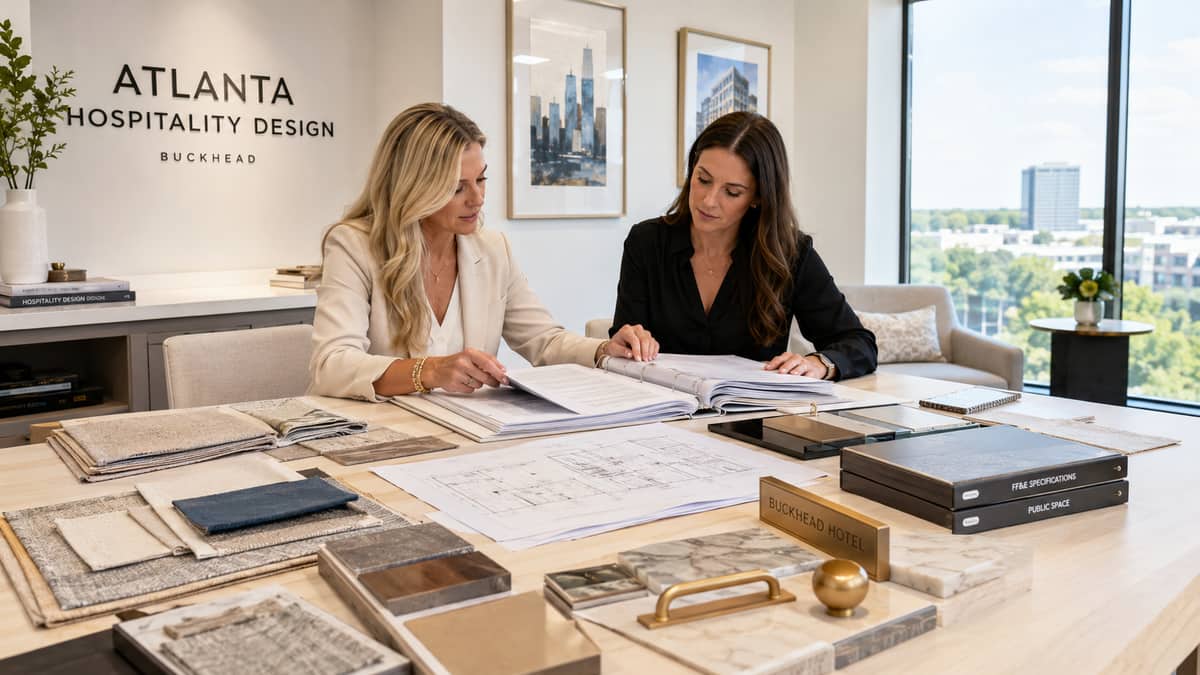
Savannah's tourism calendar also matters for scheduling. Spring azalea season and the fall wedding market both drive heavy occupancy at existing properties, which affects contractor and installation crew availability across the market during those windows. A renovation project trying to book installation crews during peak season may face longer lead times for labor than the furniture production schedule alone would suggest. Building around those seasonal pressure points, rather than assuming year-round crew availability, keeps your project realistic.
Working With Designers and Procurement Agents
Most Savannah hospitality projects run FF&E through an interior design firm or a dedicated procurement agent, and historic properties frequently add a preservation consultant into that mix as well. Clear communication between your furniture supplier, your designer, your procurement agent, and any preservation consultant prevents the specification drift that happens when approvals move through too many disconnected channels.
Ask your supplier how they handle sample approval turnaround specifically. A Savannah project balancing design review, ownership sign-off, and potentially preservation input needs a supplier who can turn physical samples around quickly enough to keep that multi-party approval chain moving instead of becoming the bottleneck.
What Your Budget Should Account For
FF&E budgets in Savannah should account for a few market-specific line items beyond the standard furniture cost. Coastal-rated finishes and hardware, needed for any outdoor or near-water furniture, typically carry a modest premium over standard finishes but prevent much larger replacement costs down the line. Custom or semi-custom pieces, common in historic properties where standard casegoods do not fit original room dimensions, should be budgeted with realistic lead times of 14 to 20 weeks rather than the 10 to 16 week window standard production allows.
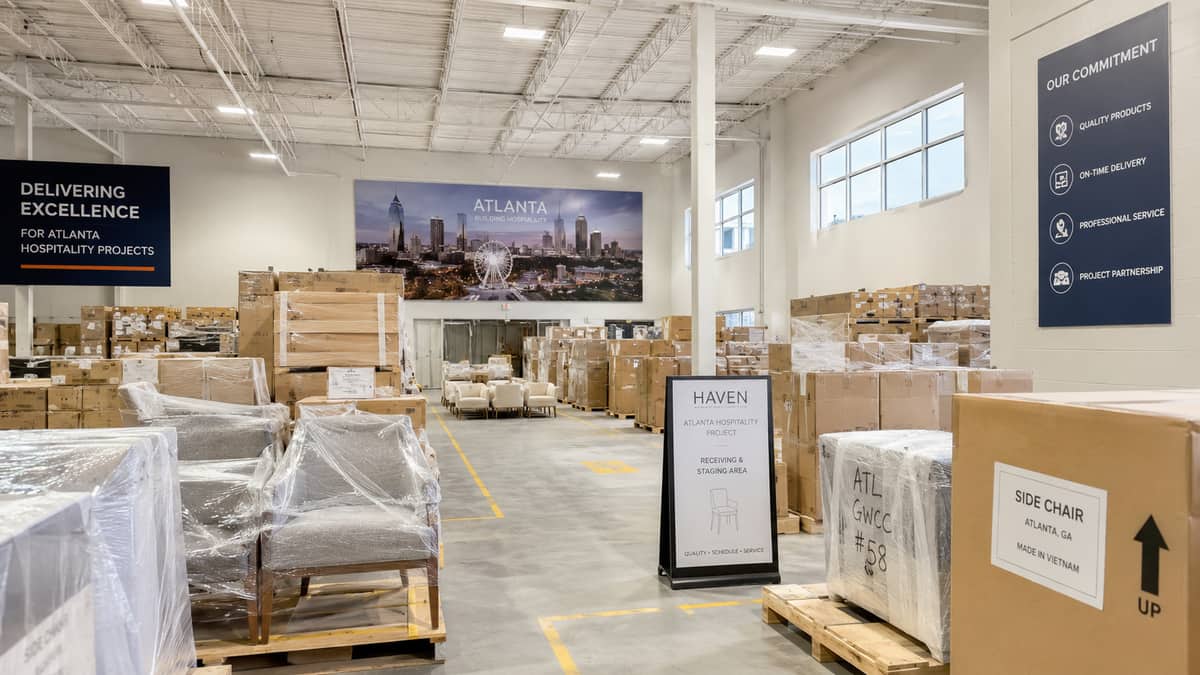
Freight is worth a specific conversation given Savannah's port infrastructure. A supplier experienced in the region may be able to route certain shipments more efficiently through Savannah's own port rather than a distant inland hub, which can affect both cost and lead time in your favor if planned correctly from the start. Request a quote with your project scope and any historic district constraints so your budget reflects the real numbers.
Related reading
- FF&E procurement: a practical guide for hotels and venues
- What is contract furniture
- Commercial furniture vs retail
- Hospitality furniture supplier guide
- Hotel seating catalog
- Guestroom casegoods
- Hotel renovation furniture in Savannah
- Banquet and event furniture in Savannah
- Commercial furniture in Georgia