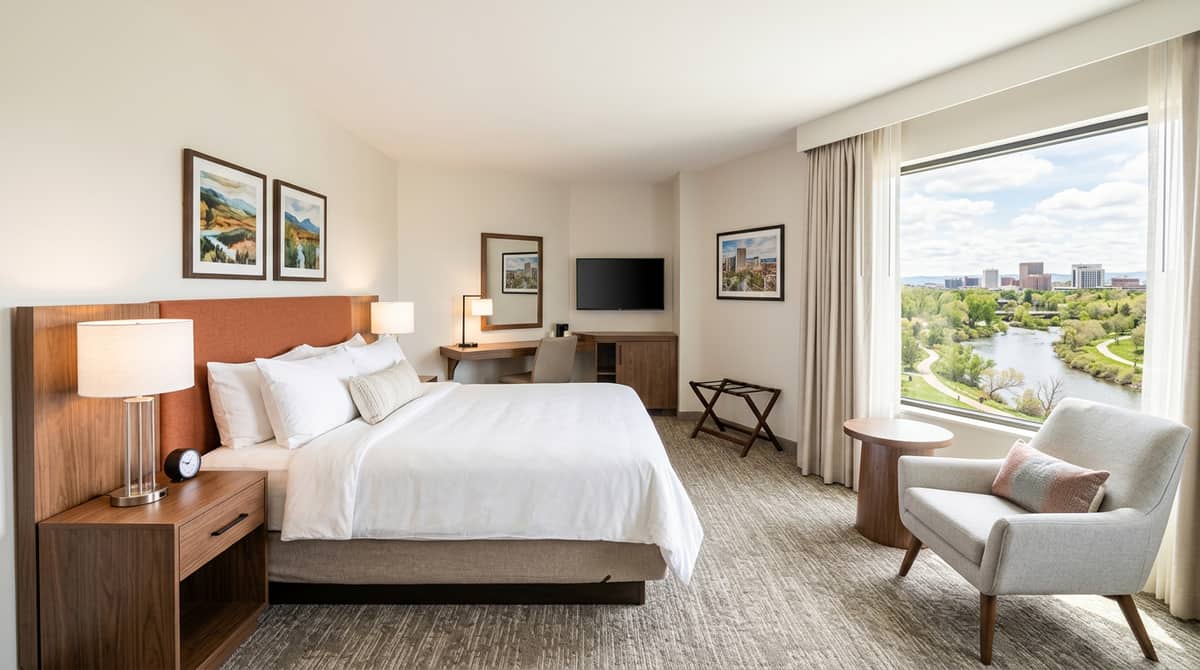
Oklahoma City's hospitality market has grown up fast, and the properties that anchor it now carry different pressures than they did a decade ago. Bricktown draws entertainment district crowds into a dense cluster of hotels along the canal. Downtown's convention business has expanded around the Oklahoma City Convention Center and Paycom Center, pulling in group business that once went to other regional markets. The Meridian Avenue corridor near the fairgrounds and Will Rogers World Airport runs on a steady mix of fair traffic, sporting events, and airport layovers that keeps rooms full year round. When a property in any of these zones goes into renovation, the window for getting it wrong is small. Getting hotel renovation furniture Oklahoma City procurement right the first time is not an administrative detail, it is what keeps a renovated property earning instead of sitting half finished during peak demand.
Oklahoma City's Renovation Calendar Is Not Forgiving
The Oklahoma City Convention Center and the events calendar at Paycom Center set firm deadlines for downtown and Bricktown properties. Miss a delivery window and your newly renovated block sits dark while a citywide convention or a Thunder homestand fills every competing room in the market. Along Meridian Avenue, the State Fair of Oklahoma at the fairgrounds drives one of the single busiest stretches of the year, and a renovation that bleeds into September puts a property directly at odds with its highest-demand weeks.
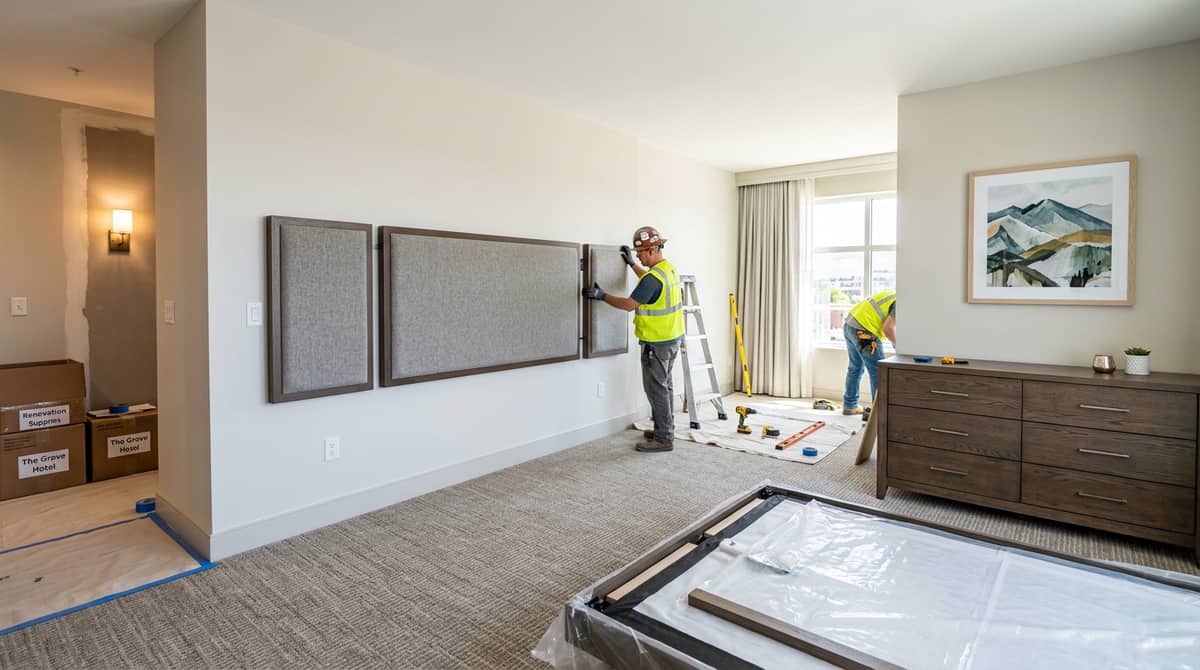
Most renovations in this market run in phases, one wing or floor at a time, so the rest of the hotel stays sellable through the work. That approach protects revenue, but it demands a supplier who can hit staggered delivery dates tied to your construction schedule rather than shipping everything in one bulk drop. If your supplier treats each phase as a separate order instead of one coordinated project, the first missed handoff date will show up fast in your construction schedule and your housekeeping turnover.
Before signing with any supplier, get written delivery windows for each phase and a named logistics contact who owns the schedule. Build those milestones into the procurement agreement itself, not a verbal understanding, so accountability is documented on both sides.
FF&E Lead Times: Work Backward From Your Opening Date
Custom and semi-custom contract furniture typically takes 12 to 18 weeks from order confirmation to delivery at your dock. That covers case goods, upholstered headboards and seating, bed frames, and anything requiring COM fabric or brand-specified finishes. If your renovation involves custom millwork or a proprietary finish match, which is common for the boutique and lifestyle properties opening in Midtown and Automobile Alley, add two to four weeks on top of that baseline.
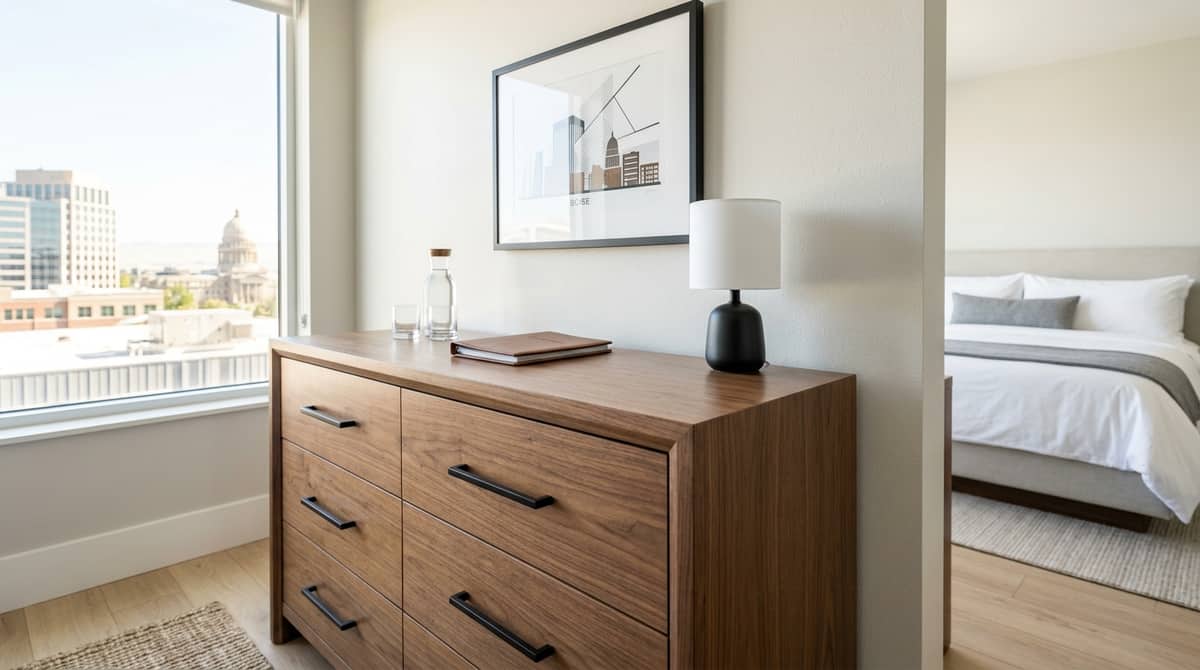
For a downtown or Bricktown property targeting a reopening ahead of the fall convention season or before Thunder season tips off, those lead times matter down to the week. Want rooms finished by late September ahead of the State Fair rush? Furniture orders need to be placed no later than May. Operators who wait until permits clear or construction breaks ground before thinking about FF&E consistently end up choosing between two bad outcomes: settle for off-the-shelf pieces that don't match the design intent, or slip the opening date and absorb the lost revenue.
Outdoor and patio furniture carries its own separate timeline. Oklahoma City's summers run hot and its spring storm season is genuinely severe, so pool decks and rooftop terraces in Bricktown need pieces built to hold up under real weather stress. That production queue typically runs apart from interior FF&E, so plan for it on its own schedule rather than assuming it will land with your guestroom order.
Brand Standards and the Oklahoma City Design Context
Oklahoma City's hotel market spans a wide range of brand environments. Full-service flagged properties near the convention center and along the I-35/I-40 interchange operate under brand standard manuals that dictate case good construction, fabric fire ratings, and mattress minimums down to the inch. Independent and boutique properties opening in Midtown and Automobile Alley have far more design latitude, but that freedom comes with its own accountability. Guests choosing an independent property in those neighborhoods are choosing it specifically for its design, and generic hospitality furniture will not hold up against that expectation.
For flagged properties, compliance is not negotiable. A piece that looks correct but fails a fire rating review or misses the flag's minimum seating height gets rejected, and your timeline is back at square one. Work with an FF&E supplier that keeps brand standard files on hand for the major flag groups and can cross-check your selections before specs are finalized. Doing that review during the planning phase avoids the expensive back-and-forth that derails renovation schedules later.
For independent properties, your design intent is your brand standard, so be explicit about what that means before procurement starts. A supplier that asks pointed questions about your guest profile, your property's architectural character, and your competitive set is far more valuable than one that hands you a catalog and waits for a line-item order.
Delivery and Installation in an Operating Property
Getting furniture into a functioning Oklahoma City hotel without disrupting operations takes real logistical skill. Bricktown properties deal with narrow streets, limited loading access near the canal, and event traffic on Thunder game nights and concert dates at Paycom Center. Downtown properties near the convention center work around move-in and move-out schedules for large events that can make dock access genuinely difficult on certain days. Properties along Meridian Avenue near the airport and fairgrounds see their own surge patterns tied to fair dates and flight schedules that add coordination overhead of their own.
A supplier with real experience delivering to occupied hotels in Oklahoma City already understands these constraints. They arrive with the right crew and equipment on a schedule built around your property's calendar, not their own convenience. They coordinate directly with your front desk, engineering team, and construction GC so new furniture shows up staged and ready to install in finished rooms instead of blocking a guest corridor or freight elevator.
Ask every supplier under consideration a direct question: have they delivered to occupied hotel properties in Oklahoma City specifically? What is their white-glove installation protocol for active buildings? A vague answer is a clear warning sign. You need proven operational experience, not just a product catalog and a freight quote.
The difference between a renovation that reopens on time and on budget and one that drags past every deadline usually comes down to the procurement decisions made in the first four weeks of planning. Treat FF&E as a core operational workstream from day one, and your Oklahoma City renovation has a real shot at running the way it was designed.