Oklahoma City's boutique hotel market is really several markets stacked on top of each other. Bricktown properties compete for the entertainment district crowd walking to Paycom Center for a Thunder game or a downtown concert. Automobile Alley and Midtown boutiques lean on their converted warehouse and showroom buildings, selling guests on exposed brick and restored industrial detail rather than a brand-standard lobby. Downtown properties near the Oklahoma City Convention Center and Scissortail Park absorb a steady rotation of conference and trade show traffic that has nothing to do with the neighborhood's character and everything to do with proximity. Each of those guests wants something different from the room, and none of them can be served well by a standard chain-hotel FF&E program. If you are sourcing boutique hotel furniture Oklahoma City style, the challenge is consistent across all three contexts: contract-grade construction, smaller order quantities, and a look that reads as designed rather than assembled from a catalog.
Why Downtown's Event Calendar Changes the Durability Math
The Oklahoma City Convention Center anchors a downtown core that also hosts the National Cowboy & Western Heritage Museum's major events, the State Fair Park calendar, and a growing slate of Thunder game nights and concerts at Paycom Center. Boutique properties in Bricktown and Midtown catch the overflow from all of it, guests who booked because the larger downtown brands sold out first, not because they researched your design concept.
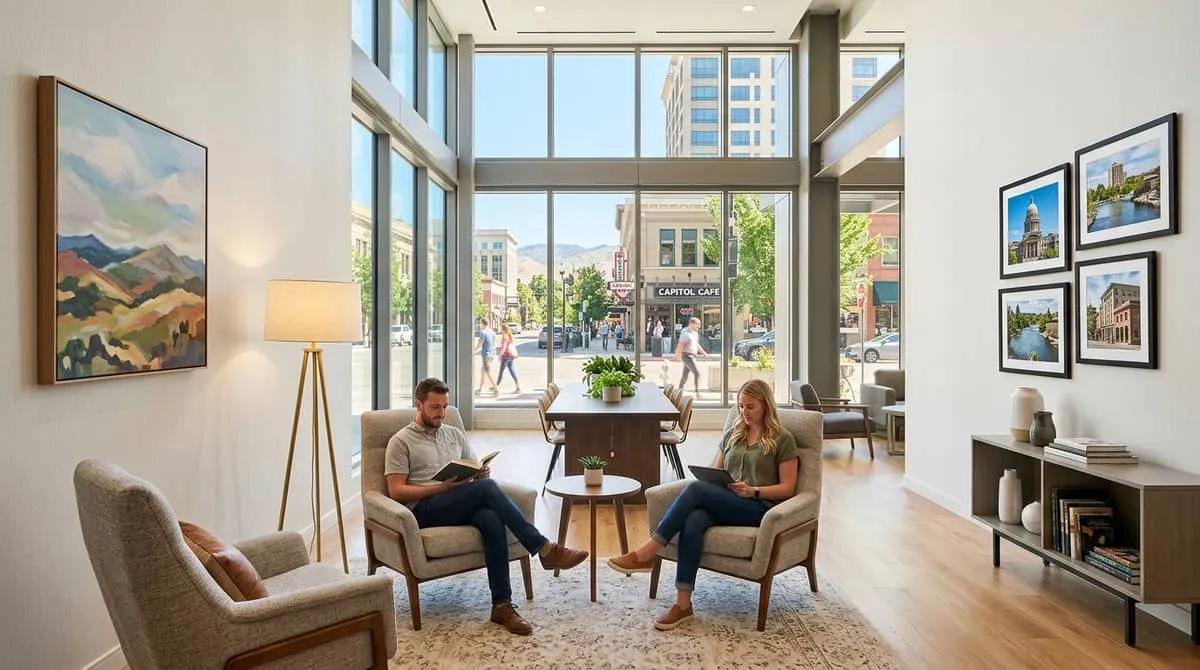
Furniture that holds up fine during a quiet week in Midtown faces a different load entirely during a convention week or a playoff run, when foot traffic through the lobby and bar area multiplies overnight. The lounge chairs near your check-in area, the upholstered seating in a ground-floor restaurant, the guestroom chairs themselves all need to be specified for sustained commercial use from day one. Residential-grade furniture dressed up with hospitality marketing language does not survive that kind of swing. Frames loosen, seams pull, and finishes wear through on a timeline that turns an apparent cost saving into a capital replacement problem within a couple of years.
Contract-grade construction means hardwood or engineered hardwood frames, upholstery rated above 30,000 double rubs in high-traffic seating areas, and joinery designed for repeated use by guests who are not treating the furniture carefully. For boutique properties riding Oklahoma City's convention and event traffic, that is not an upgrade tier. It is the baseline.
Design Cohesion Across a City of Distinct Districts
What separates a memorable boutique property in Oklahoma City from a forgettable one is rarely the individual pieces. It is whether the room reads as a single, deliberate design decision, and that comes down to locking a material palette before sourcing ever starts.
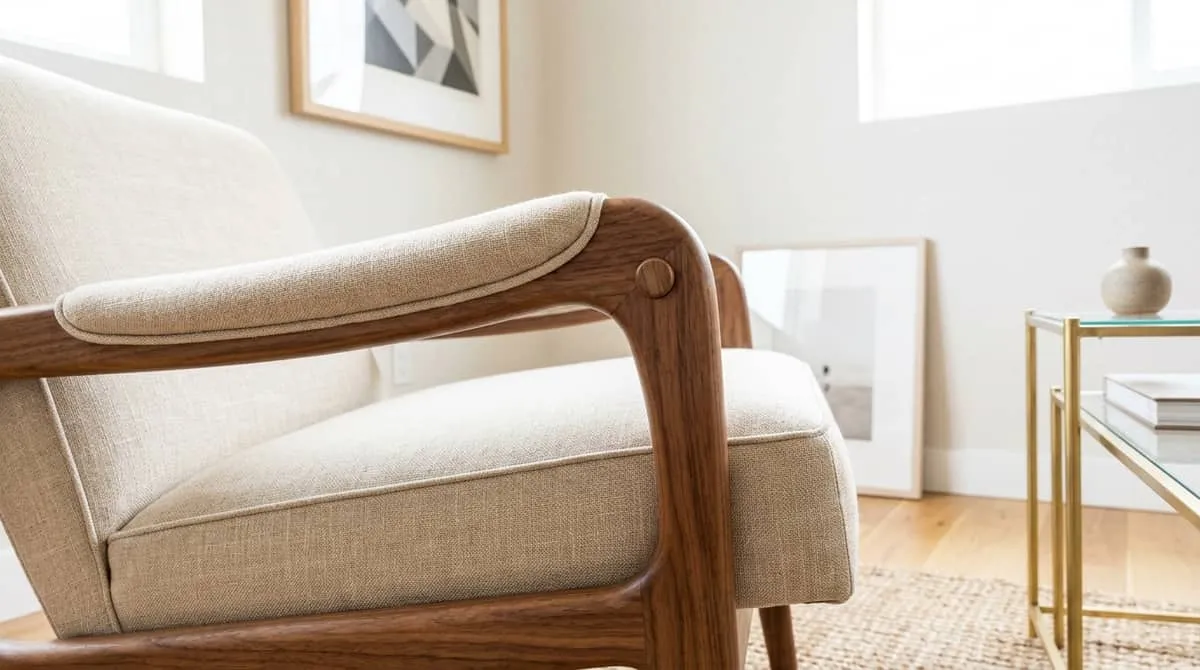
A property near Automobile Alley or the Paseo Arts District can credibly pull from an industrial-artisan vocabulary: blackened steel frames, reclaimed or raw-edged wood surfaces, textiles with a handmade feel that nods to the neighborhood's gallery and maker culture. A Bricktown property positioned toward game-night visitors and out-of-town business travelers needs something tighter and more polished, case goods with clean lines, performance fabric seating that photographs well under bar lighting and still looks sharp after a full weekend of foot traffic, metal accents in brushed brass or matte black rather than anything that reads generic. A Midtown or Uptown 23rd property closer to the Plaza District's restaurant scene might lean more expressive, richer color choices, more architectural silhouettes, furniture that acknowledges the neighborhood's design ambitions rather than playing it safe.
The mistake most owners make is sourcing individual pieces that each look strong on their own, then trying to force them into agreement at install. The result is a room that guests read as assembled piece by piece rather than designed as a whole, and design-literate travelers, the exact guests boutique properties are built to attract, notice that gap immediately. Palette first, sourcing second. Pick two or three anchor finishes, one consistent wood tone or metal family, a tightly defined fabric range, and hold every purchase decision to those constraints before a single order goes out.
Navigating Minimums and Finding the Right Suppliers
Most large contract furniture manufacturers are built for scale, comfortable filling orders for 250-room or 300-room properties. A 40-room boutique hotel in Bricktown ordering 45 lounge chairs and 30 guestroom desk chairs is not the account that moves their production schedule, and their minimum order quantities reflect that mismatch.
That is not a dead end, it is a filter. The suppliers worth working with are the ones who built their business around exactly this kind of account: independent hotels, boutique developments, restaurant groups, adaptive reuse projects that need furniture in smaller runs and mixed SKUs. These manufacturers expect requests like 20 units of one chair and 15 of another, and they will not push back on it. Ask about minimums in writing, early, before you build an entire specification around a supplier who cannot actually fill a boutique-sized order.
Oklahoma City's design and trade presence has grown alongside its downtown revitalization, and there is real value in working with suppliers who understand the difference between residential-grade and true contract-grade product, a distinction that matters enormously once furniture is absorbing hospitality-level use. For hospitality-specific procurement, look for suppliers who can document commercial ratings, provide FR compliance certification where local code requires it, and show a track record delivering into properties with occupancy patterns similar to yours.
If you are working with an FF&E consultant or purchasing agent, one of their core functions is aggregating your order alongside other boutique hospitality projects to unlock manufacturer programs your standalone order volume would never reach on its own. That margin frequently pays for itself once you factor in the specification mistakes and reorders it prevents.
Planning for Oklahoma City's Renovation Cycle
Boutique properties in high-visibility corridors, Bricktown, Midtown, Automobile Alley, tend to refresh their interiors faster than owners expect going in. Downtown's continued development keeps raising the bar, and a property that felt current at opening can start to feel dated within four to five years as new competition opens nearby.
The right moment to plan for that refresh is during initial procurement, not once you are already behind. Specify frames and case goods to last the full cycle. Treat upholstery as the shorter-rotation variable. Require COM-ready construction on every upholstered piece from the start, no proprietary fabric programs, no hidden frame systems, so reupholstery stays simple when the time comes. Keep clean documentation of your original specifications, frame construction, foam densities, fabric weights, finish codes, so the next sourcing conversation moves faster than the first one did.
Lead times on custom upholstery programs typically run 10 to 16 weeks. If you are targeting a seasonal opening or working around a specific event date, and Oklahoma City's downtown calendar rarely has a slow stretch, orders need to go out early enough to absorb that timeline without squeezing your install window. First-time hotel owners consistently underestimate how tight the margin gets between order placement and opening day once custom work enters the picture.
Sourcing boutique hotel furniture in Oklahoma City is a more specific problem than general commercial procurement. The downtown event calendar, the district-by-district design identity, and a hospitality landscape that keeps raising its own bar all shape what holds up and what fails early. Getting the specification right before the order ships is the most cost-effective decision on the entire project.
We quote boutique hotel furniture for Oklahoma City operators against their own layouts and order sizes rather than a generic sheet. Request a quote and we will put together pricing for your property.