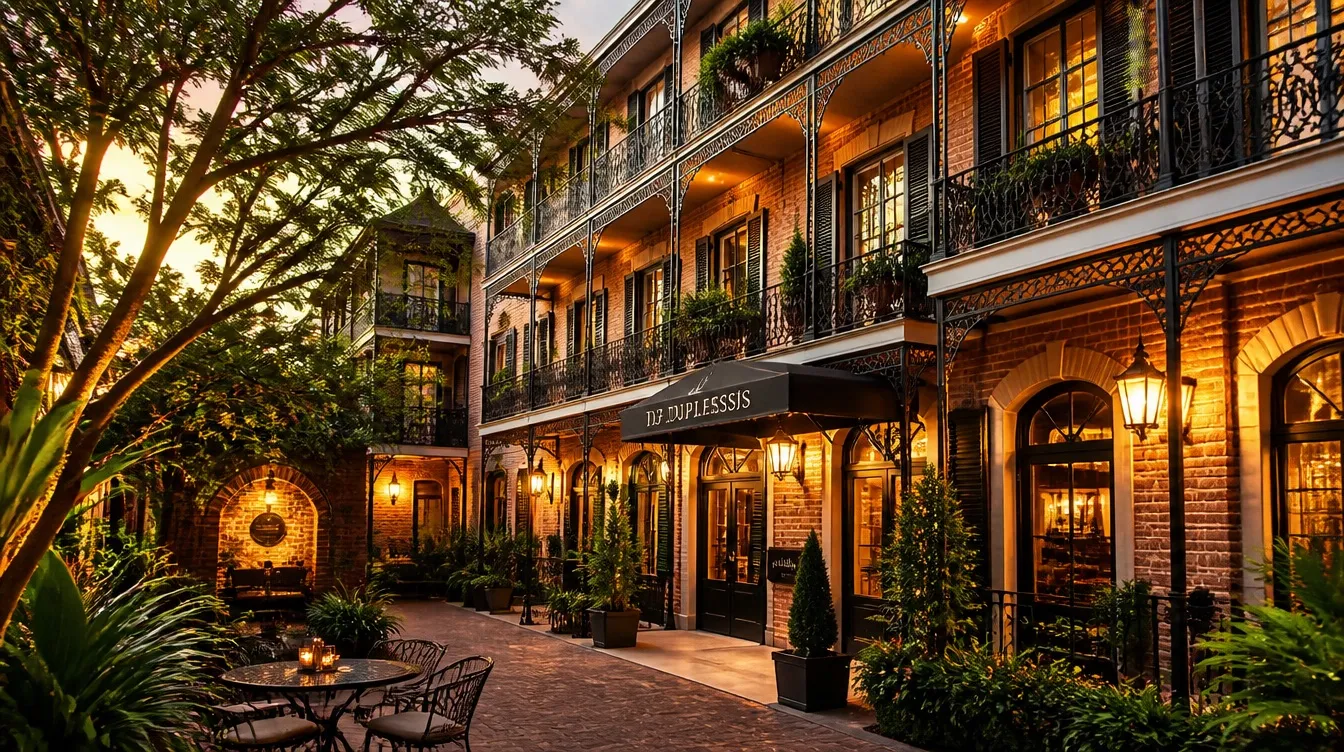
Renovating a hotel in New Orleans requires a procurement plan that accounts for constraints most other US markets do not impose simultaneously. The city's hospitality calendar is among the most compressed and demand-dense in the country: Mardi Gras and Jazz Fest create peak occupancy periods that last weeks rather than days, the Ernest N. Morial Convention Center drives year-round group business that fills CBD and Warehouse District properties continuously, and French Quarter tourism runs at a base volume that most markets only approach during their largest events. Against this backdrop, hotel renovation furniture New Orleans procurement is not just a purchasing exercise it is a logistics program that needs to be managed with the same rigor as the construction schedule it is coordinated with.
The New Orleans Renovation Calendar
The fundamental challenge for any New Orleans hotel renovation is finding the window. Unlike markets with a clear off-season, New Orleans does not have an extended period of low occupancy where renovation access is unconstrained. Mardi Gras occupies a variable window in January or February. Jazz Fest runs late April through early May. The Convention Center's calendar is populated with major medical, energy, and association conferences throughout the year. Summer sees reduced convention activity but sustained leisure tourism, particularly in the French Quarter.
The workable renovation windows roughly September through mid-November, and late May through mid-July in most years are narrow and aggressively competed for by multiple properties attempting to renovate simultaneously. Properties that plan their renovation calendar around the Convention Center event schedule and the Mardi Gras and Jazz Fest blackout periods give themselves the access time they need. Properties that do not make this calculation explicitly discover it during the renovation when FF&E deliveries are competing with convention week logistics and the renovation schedule slips against a demand peak that cannot be rescheduled.
For a New Orleans hotel targeting a September renovation window, furniture orders need to be placed by late April or May. Custom contract furniture headboards, upholstered seating, case goods typically runs 12 to 16 weeks from confirmed purchase order to delivery. Add four to six weeks for specification and sample approval, plus installation time on the back end, and the procurement timeline begins before most operators instinctively start thinking about furniture.
FF&E Lead Times Built Around the New Orleans Calendar
Working backward from your renovation target date against New Orleans' specific event blackout windows is the most important planning discipline in New Orleans hotel FF&E procurement. The calculation is straightforward in principle but frequently underestimated in practice, particularly for owners and project managers who have managed renovations in less calendar-constrained markets.
Take the room handoff date as your endpoint the date rooms need to be furnished and ready for the next occupancy cycle. Subtract installation time (typically one to two days per floor for experienced crews). Subtract the FF&E lead time for your longest-lead items (12 to 16 weeks for custom upholstered pieces, 10 to 14 weeks for case goods, potentially longer for custom millwork or COM finishes). Add a buffer for sample approval delays, which in design-forward New Orleans boutique projects can add two to four weeks as the design team refines finish and fabric selections against actual room conditions. The result tells you your purchase order deadline, and in most cases it is significantly earlier than instinct suggests.
Miss that deadline and the options are limited: buy off-the-shelf product that does not match your design intent, open incomplete rooms that do not represent your renovation's value proposition, or push the opening past the end of your renovation window and into the next demand peak. None of these outcomes is acceptable in a market where your competitive set is full of properties that understand the calendar and plan accordingly.
Design Standards by New Orleans Neighborhood
New Orleans hotel renovations operate across dramatically different design contexts depending on neighborhood, and the furniture specification for each needs to be grounded in that context specifically.
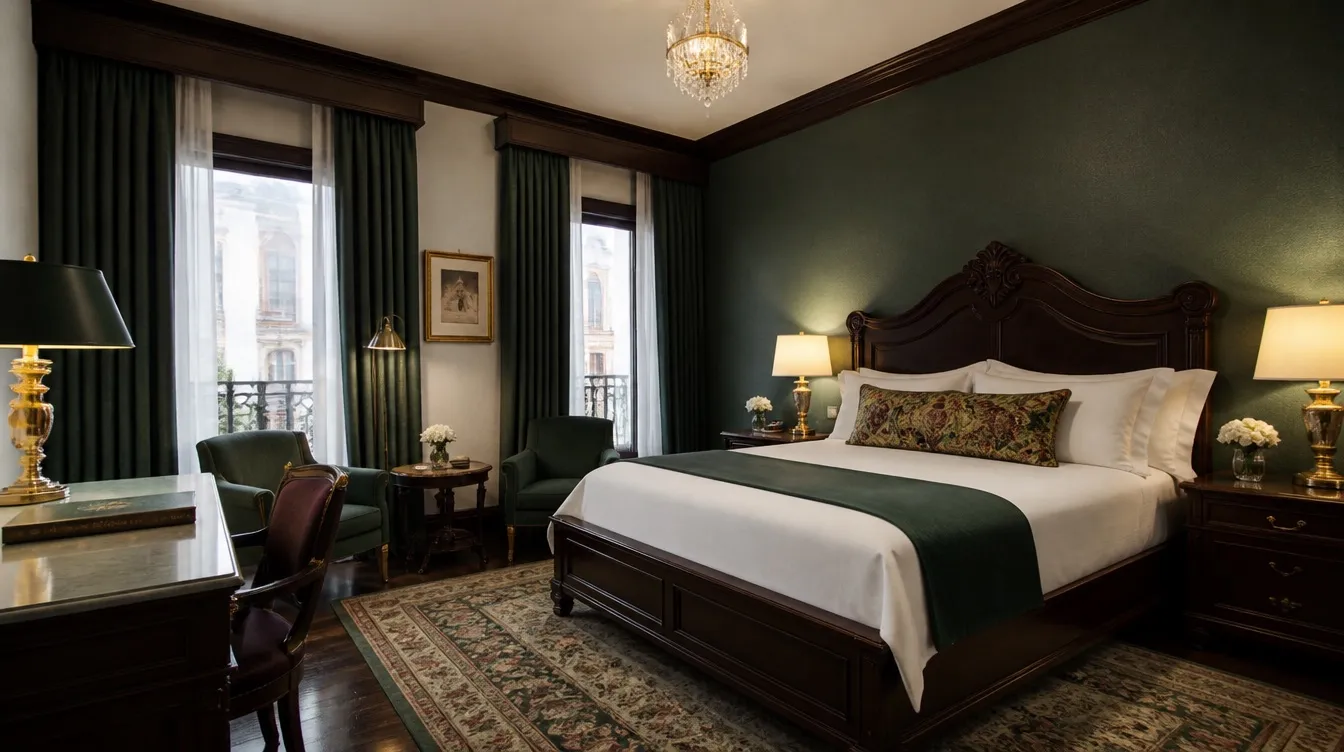
French Quarter properties are renovating inside buildings where the architecture is the primary design constraint and the primary asset. Heritage buildings in the Quarter have architectural character that most hotels in other cities spend significant budget attempting to simulate. The renovation's furniture program should work with that character dark hardwood finishes, substantial upholstered frames in jewel-tone performance fabrics, brass or iron hardware, traditional proportions in bed frames and case goods rather than imposing a generic contemporary hospitality look that will read as visually inconsistent with the surrounding architectural fabric.
Warehouse District renovations operate in the contemporary New Orleans register. The neighborhood's gallery culture and the influx of design-forward boutique and convention hotel properties since the 2000s have established an aesthetic standard that values material quality, finish precision, and a design sensibility that references New Orleans' richness without historicizing it. Clean-lined case goods in dark wire-brushed wood or ebony finishes, headboards with architectural profiles in deep-toned performance fabric, and lighting that creates warmth without period reference all fit this context.
Garden District and Magazine Street renovation projects for boutique and smaller independent properties tend toward a residential luxury register warmer, more eclectic, with the sense of a well-appointed private home rather than a hospitality concept. Upholstered headboards with genuine fabric weight in warm tones, case goods in walnut or dark cherry finishes with quality hardware, and lounge seating with real comfort depth create the environment that guests booking a Garden District boutique experience expect to find.
Delivery and Installation in an Operating New Orleans Property
Getting renovation furniture into a functioning New Orleans hotel without disrupting operations requires logistical competence that goes beyond standard freight coordination. In the French Quarter, narrow streets, historic building freight access, and city permit requirements for significant deliveries all require advance planning and, in some cases, time-of-day restrictions that affect delivery scheduling. A supplier making their first delivery to a Quarter property will encounter these constraints on your project for the first time. A supplier who has delivered to French Quarter properties before already has the permit process mapped and knows which streets accept what vehicle sizes.
CBD and Warehouse District properties have their own access constraints. Building management rules on freight elevator use during guest hours, loading dock scheduling around Convention Center event traffic, and coordination with the construction GC to stage furniture in completed rooms rather than occupied corridors all require proactive communication between the FF&E supplier, the construction team, and hotel operations.
Phased delivery for room-by-room renovation programs is the standard model for occupied New Orleans hotels, and it is where supplier logistics capability separates experienced hospitality vendors from general commercial operators. A supplier who can warehouse partial inventory between phases, coordinate delivery timing against your construction handoff schedule, and maintain finish and product consistency across sequential releases over a multi-month project is a genuine operational asset. One who treats each delivery phase as a separate transaction, without the coordination infrastructure to tie the project together, creates the friction that produces schedule delays and cost overruns.
Subtropical Durability: Specifying for This Market's Replacement Cycle
The durability specification for a New Orleans renovation needs to be calibrated against this market's specific wear intensity and climate conditions. Properties in New Orleans that renovate to a standard appropriate for a lower-volume, temperate market will find themselves back in procurement planning three to four years ahead of schedule.
Frame construction across all upholstered guestroom pieces headboards, seating, benches should specify welded steel or solid kiln-dried hardwood with corner blocking and reinforced joints. The Mardi Gras and Jazz Fest demand peaks put furniture through use patterns that compress years of normal wear into weeks. Case good finishes in conversion varnish or catalyzed lacquer resist the humidity-driven degradation that standard lacquer exhibits within a few seasons in the Gulf South climate. Drawer slides rated for commercial use maintain function through the humidity cycling that causes residential-grade mechanisms to bind or loosen.
Building the right durability specification into your renovation program from the beginning and documenting it in the procurement agreement is the single most cost-effective decision you can make in a New Orleans FF&E project. The furniture you place will be there for a decade. Specify it correctly for the city and the climate it is going into, and you will not be in the renovation planning conversation again before you intended to be.
Every New Orleans venue has its own volume, layout, and turnaround demands, and hotel renovation furniture pricing follows from those specifics. Request a quote and we will scope it to your project.