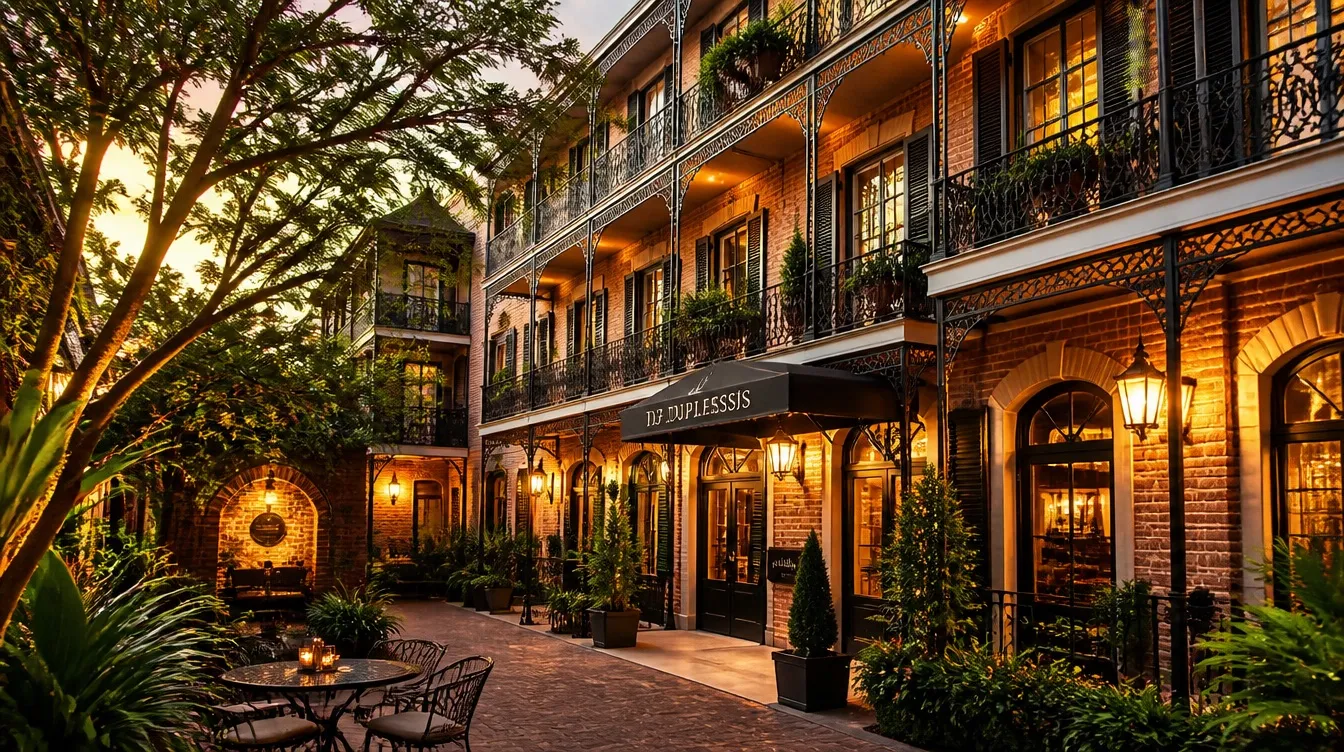
New Orleans bar and lounge culture is a category of its own in American hospitality. Bourbon Street runs until dawn year-round, with a volume and duration of service that most bar operators in other markets do not experience even during their busiest events. Frenchmen Street in the Marigny runs the overlap between live jazz and late-night drinks in a way that blurs the line between music venue and cocktail lounge and demands furniture that can handle both. The Warehouse District's craft cocktail scene draws a design-literate guest who expects the room to match the quality of what is in the glass. Magazine Street's neighborhood bars serve a local clientele with high expectations and no tolerance for a space that looks assembled rather than considered. In all of these contexts, bar lounge furniture New Orleans needs to be doing serious commercial work and the product that survives it is genuinely different from what you find at retail.
Barstools: Where Failure Happens First
In any high-volume New Orleans bar, barstools take more abuse per unit than almost any other piece of furniture in the space. Guests sit, spin, lean, drag, and brace against the footrest across an entire service shift that may run until 4 or 5 AM. During Mardi Gras and Jazz Fest, that cycle runs without meaningful pause for weeks. The cumulative stress exposes every weak point in a frame under-engineered footrest welds, seat hardware not specified for commercial rotation, spin mechanisms rated for office use rather than bar service.
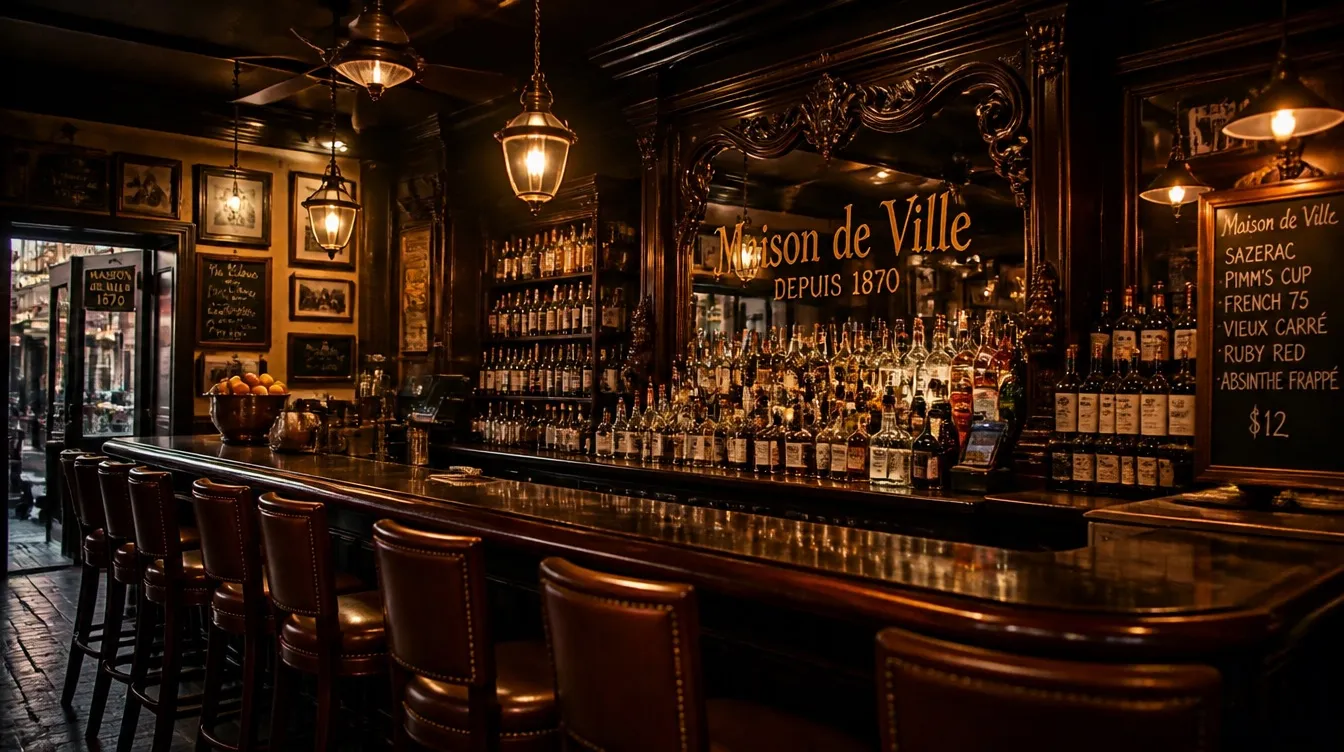
For indoor bar environments, powder-coated steel frames with a minimum 1.5-inch footrest tube diameter are the reliable baseline for sustained commercial use. Seat height needs to coordinate exactly with bar or high-top height 28 to 30 inches for standard bar service, 30 inches and above for high-tops. Getting that dimension wrong creates discomfort that drives guests off their seats faster than they would leave otherwise, and in a city where the goal is often to keep guests comfortable enough to stay for multiple rounds, that operational cost is real.
For semi-outdoor and courtyard bar environments which account for a significant portion of French Quarter and Garden District bar seating powder-coated aluminum frames are the better choice than steel. Aluminum does not rust under sustained Gulf South humidity, and for barstools that live in a partially covered courtyard context year-round, that distinction matters within the first two years. New Orleans' combination of heat, humidity, and occasional hard rain creates conditions that degrade inadequately specified metal finishes faster than operators from drier climates anticipate.
Upholstery on barstools in a New Orleans bar environment needs to be specified for the specific failure modes: condensation dripping from glasses, spilled cocktails, and the friction of hundreds of guests making contact across a weekend. Commercial performance vinyl and faux leather in appropriate commercial grades clean quickly, resist moisture penetration, and hold their appearance through years of service in a way that fabric alternatives require significantly more maintenance to match in a high-spill bar context.
Lounge Seating for the Warehouse District and French Quarter
The design standard across New Orleans' most serious bar and lounge contexts calls for furniture with genuine material quality, not just visual sophistication. The Warehouse District cocktail bars and hotel lounges operate against a backdrop of exposed brick, art installations, and the gallery culture of the neighborhood the furniture needs to hold up visually against that environment and physically against the use it takes during convention delegate volumes from the nearby Ernest N. Morial Convention Center.
Lounge chairs and sofas in this context work best in deep tones cognac leather, sapphire performance velvet, charcoal performance linen that read as intentional and hold their appearance under the low-level bar lighting that is standard in the neighborhood. Jewel-tone velvet in commercial grades (50,000 Martindale cycles minimum) provides the visual richness the Warehouse District aesthetic rewards, but the specification discipline is the same: the material has to be commercial-grade throughout, not residential velvet in a contract frame.
French Quarter hotel bars and standalone cocktail lounges operate in a different register more formal, more historically weighted, and with a guest who arrives with expectations set by the surrounding architecture. Deep tufted banquettes in burgundy or bottle-green velvet, dark mahogany-finish lounge chairs, and curved seating that references the Quarter's architectural vocabulary all work in this context. The key specification requirement is that every upholstered piece is built on welded steel or kiln-dried hardwood frames with corner blocking the construction that holds through the extended daily service hours and Mardi Gras peak periods that characterize the best French Quarter bar programs.
Frenchmen Street venues have a third set of requirements: the furniture needs to work visually inside an environment that combines music venue energy with casual dining and late-night drinks, without the formal weight of the Quarter or the design-forward sophistication of the Warehouse District. Deep leather banquettes, warm wood tables, and durable fabric seating in rich earth tones work in this context. The critical durability spec is the same frames built for commercial loads, upholstery rated for sustained use but the aesthetic direction is warmer and less curated.
Outdoor Lounge Seating in a Subtropical Climate
New Orleans bar and restaurant operators run outdoor and courtyard seating for most of the year. The climate makes year-round outdoor programming feasible in ways that northern markets cannot achieve, and the French Quarter's courtyard bar culture in particular generates outdoor seating revenue that is among the most consistent in any US hospitality market.
Outdoor lounge furniture for New Orleans needs to meet a climate specification standard that most standard commercial outdoor furniture does not fully address. Powder-coated aluminum frames not steel with minimum 60-micron coat thickness provide the humidity and UV resistance this climate requires. Resin wicker over aluminum cores provides visual warmth and weathers the combination of Gulf South humidity and heat reliably where natural rattan does not. Sling and mesh seating in commercial grades is worth considering for courtyard lounge seating where cushion management in a humid climate creates an operational overhead that outweighs the comfort benefit.
Solution-dyed acrylic fabrics are non-negotiable for any outdoor cushion application in New Orleans. The UV index combined with humidity creates conditions that fade non-solution-dyed fabrics within a single season. Solution-dyed fibers carry their color throughout the fiber rather than on the surface, which is what gives them the UV longevity that outdoor hospitality seating requires in this climate. Quick-dry foam in outdoor cushions matters operationally afternoon rain events are frequent during warm months and a cushion that holds water for hours is effectively out of service for the dinner service that follows.
Finding the Right Supplier for New Orleans Bar Lounge Projects
The right supplier for bar lounge furniture New Orleans knows both the design vocabulary of this city and the specific durability demands of its climate and use intensity. Ask directly about experience with Gulf South bar environments. Ask whether they carry aluminum-frame outdoor seating with appropriate coating specifications for sustained humidity exposure. Ask about COM upholstery capability for the specific leather or performance velvet your concept requires. Ask about their lead time management around Mardi Gras and Jazz Fest windows, when delivery logistics in New Orleans become significantly more complex.
A supplier who has placed furniture in Frenchmen Street music lounges, Warehouse District cocktail bars, or French Quarter hotel bar programs already understands the constraints. That operational experience, combined with contract-grade product built for sustained commercial use, is the combination that keeps your bar looking as good in year three as it did at opening.
We quote bar and lounge furniture for New Orleans operators against their own layouts and order sizes rather than a generic sheet. Request a quote and we will put together pricing for your property.