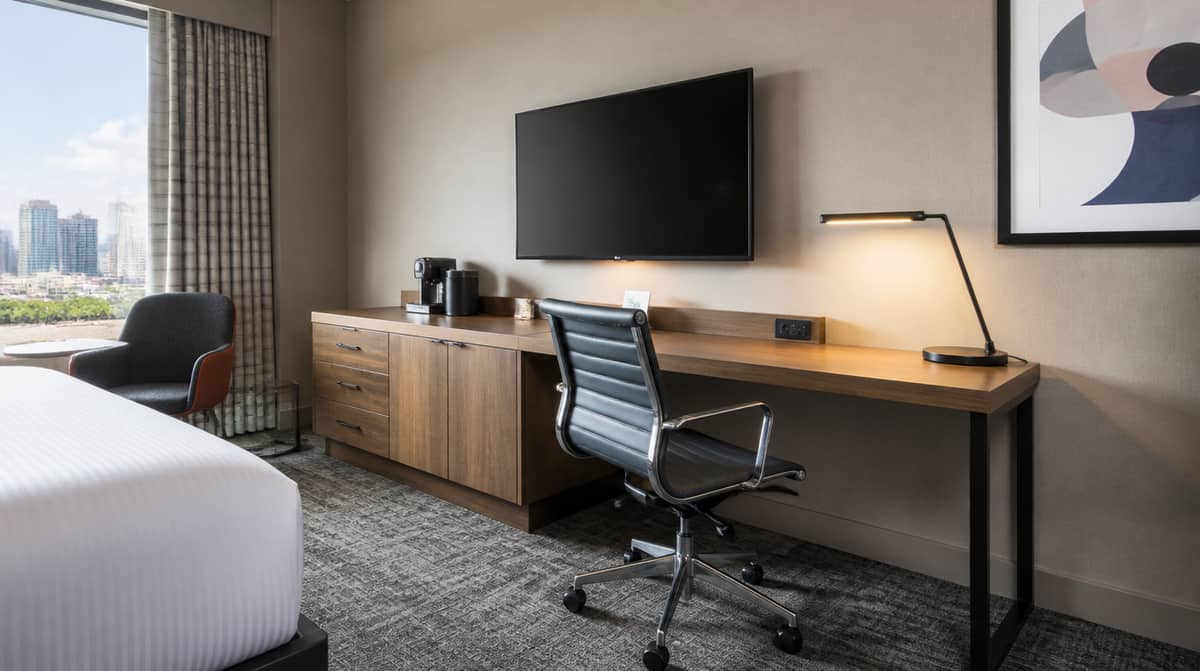
Manchester's hospitality market is smaller than Boston's, but it is not a slow market. SNHU Arena pulls concerts, tournaments, and college hockey into Downtown on a rotating schedule that fills nearby rooms with almost no notice. The Millyard, once the largest cotton textile complex in the world, now houses tech and healthcare employers whose traveling staff expect a renovated room to look current, not dated. South Willow Street's hotel corridor near Manchester-Boston Regional Airport competes on turnover and reliability more than design flair, but even there guests notice when furniture is worn or mismatched. Whatever segment your property sits in, a renovation that stalls mid-project shows up in your reviews before your GC has even finished punch-list walkthroughs. Getting hotel renovation furniture Manchester procurement right is a revenue decision, not a back-office task.
Manchester's Renovation Calendar Has Fewer Gaps Than You'd Think
SNHU Arena's event calendar, combined with Southern New Hampshire University's own commencement and conference traffic, keeps Downtown Manchester properties busier than their market size suggests. Add in the Elm Street convention and meeting space serving corporate groups from the Millyard's tech and manufacturing tenants, and you get a compressed set of dates when a hotel can afford to take rooms offline. Miss a furniture delivery window during a renovation and you're either delaying reopening into a stretch when the arena is drawing crowds, or you're scrambling to finish a wing while guests are already checking in down the hall.
Most Manchester renovations run in phases for exactly this reason, floor by floor or wing by wing, keeping enough inventory bookable to cover shoulder-season demand while the rest of the property gets refreshed. That approach protects revenue, but it means your FF&E supplier needs to hit a series of staggered delivery dates tied to your construction schedule, not one bulk shipment. A supplier that treats each phase as its own transaction, with no visibility into the next one, will cost you time you don't have.
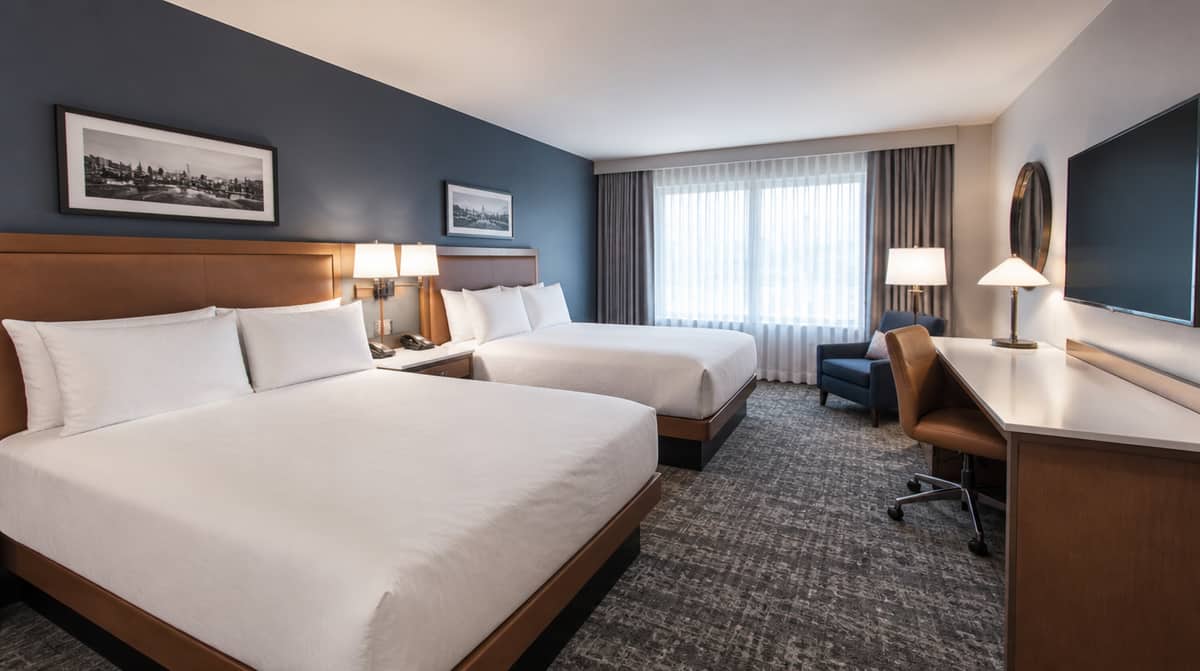
Before signing with any FF&E supplier, get written delivery windows and a named logistics contact who owns your project specifically. Phased milestones need to be part of the contract, tied to your actual floor-by-floor schedule, not a general assurance that things will "work out."
FF&E Lead Times: Work Backward From Your Reopening Date
Custom and semi-custom contract furniture typically runs 12 to 18 weeks from confirmed order to loading dock delivery. That covers case goods, upholstered headboards and lounge seating, bed frames, and any piece requiring COM fabric or a brand-specified finish. If your renovation calls for custom millwork or a proprietary finish match, which shows up often in Millyard-area boutique conversions and independent properties trying to differentiate from the chain-branded stock along South Willow Street, add two to four weeks on top of that baseline.
For a property targeting reopening ahead of fall SNHU sports season or before the leaf-peeping travel surge that fills southern New Hampshire hotels every October, those weeks matter down to the day. Want rooms finished by late September? Orders need to be placed by spring, not after your permits clear. Operators who wait until construction is already underway to think seriously about FF&E procurement end up with two bad choices: accept off-the-shelf pieces that don't match the renovation's design intent, or push the opening date and absorb the lost revenue.
New Hampshire's winters add their own wrinkle. Outdoor and semi-outdoor furniture for patios, rooftop spaces, or covered entryways needs to handle real snow load, ice, and temperature swings that a supplier used to milder climates may not plan around. That production queue often runs separately from your interior guestroom order, so build it into your timeline as its own line item rather than assuming it ships alongside everything else.
Brand Standards Against Manchester's Mixed Market
Manchester's hotel inventory spans flagged properties serving corporate and airport travel along South Willow Street, full-service Downtown hotels tied to arena and convention business, and a smaller but growing set of independent and boutique properties leaning on the city's Millyard heritage and revitalized Downtown for character. Flagged properties operate under brand standard manuals covering everything from case good construction to fabric fire ratings to minimum seating dimensions, and those specs are not optional. A piece that looks right in a showroom but fails a flag's fire rating review gets rejected on delivery, and your schedule is back to zero with a wing already torn open.

For independent properties leaning into the city's mill-town character, design intent becomes the brand standard, and it needs to be defined clearly before procurement starts. A supplier that asks specific questions about your guest profile and your building's architectural history, rather than handing you a generic catalog, is worth far more over the course of a renovation than one that waits for line-item requests.
Delivery and Installation in an Operating Property
Getting furniture into a working Manchester hotel without disrupting guests takes real logistical planning. Downtown properties near Elm Street and the arena deal with tight street access and loading zones that fill up fast on event nights. Millyard-area buildings, many of them converted historic mill structures, often have narrow freight elevators and load-bearing restrictions that a generic delivery crew won't anticipate. Properties along South Willow Street near the airport move higher volumes of both guests and freight, and a supplier unfamiliar with that traffic pattern can end up blocking a loading dock during a peak arrival window.
A supplier with real experience delivering to occupied hotels in this market already accounts for these constraints. They bring a crew and schedule built around your property's actual operations, not their own convenience, and they coordinate directly with your front desk, engineering staff, and GC so new furniture arrives staged and ready for completed rooms rather than sitting in a hallway blocking guest access.
Ask any supplier you're evaluating a direct question: have they delivered to occupied hotel properties in Manchester or comparable New England markets, and what is their white-glove protocol for active buildings? A vague answer is a real warning sign. You need a partner with operational experience, not just a catalog and a freight estimate.
The difference between a Manchester renovation that reopens on schedule and one that drags past every deadline usually comes down to decisions made in the first few weeks of planning. Treat FF&E procurement as a core operational workstream from day one, and your renovation has a real shot at running the way it was designed.