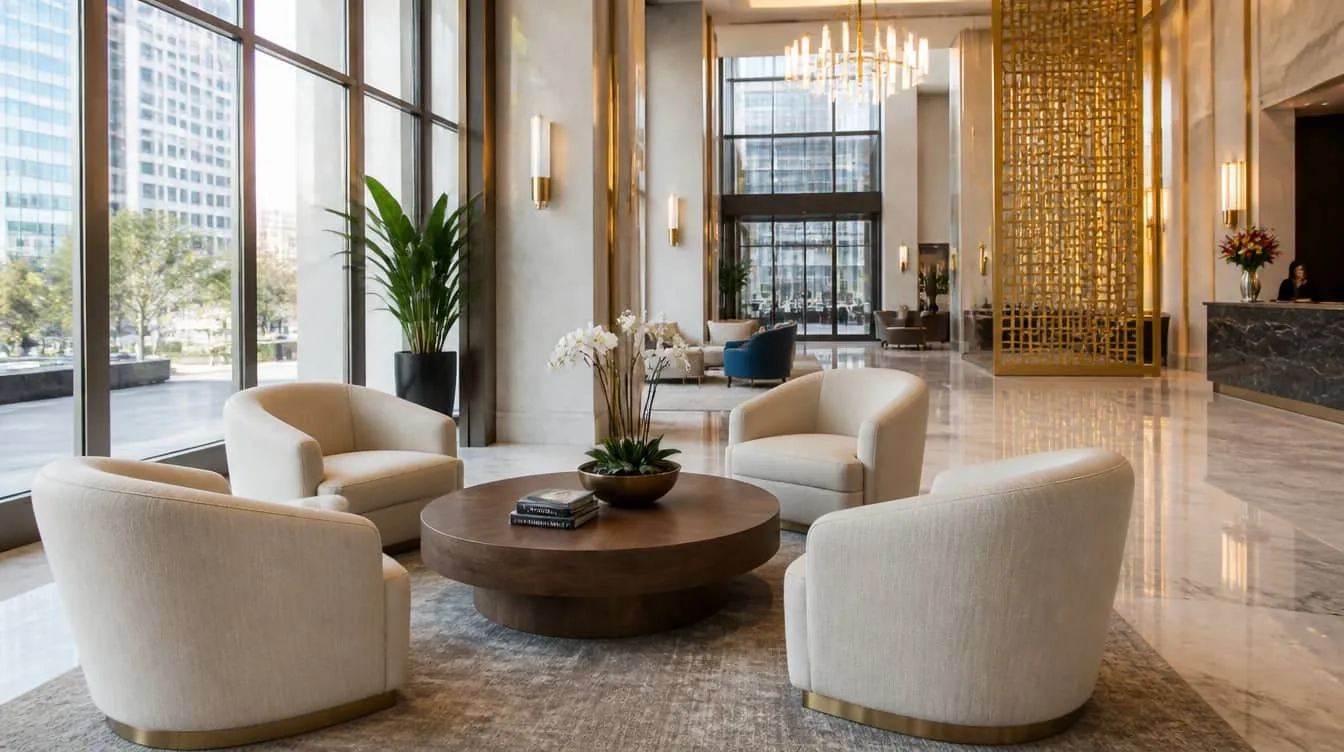
Houston's hotel renovation market is significant and active. The Galleria corridor has a concentration of full-service hotels that were built or last renovated in the 1990s and early 2000s, and many of those properties are in or approaching their next major renovation cycle. The Greenway Plaza area, the Medical Center hotel cluster, and the downtown convention corridor all have properties at various stages of a similar lifecycle. For owners and asset managers in these segments, the renovation decision is partly about brand standard compliance and partly about competitive repositioning in a market where newer product has raised the guest expectation baseline.
Hotel renovation furniture procurement is a meaningfully different challenge from new-build procurement, and the differences matter enough that treating them the same way is a common source of cost overruns and delays. A new-build project has a clean timeline, a defined space, and no active hotel operations to work around. A renovation project happens around a running business, with rooms being sold on floors adjacent to the construction, staff working in public spaces that are being refurbished in phases, and ownership applying pressure to keep the renovation timeline from dragging into the high-occupancy periods that generate revenue the project needs to pencil out.
Phased Renovation Planning and Furniture Logistics
Phased renovation is the default execution model for Houston hotel renovations that want to maintain occupancy revenue through the project. Rather than closing an entire property for three to six months, a phased approach takes floors or wings offline sequentially, renovating eight to twelve rooms per phase before moving to the next floor. This approach keeps the property generating revenue but creates significant furniture procurement and logistics complexity.
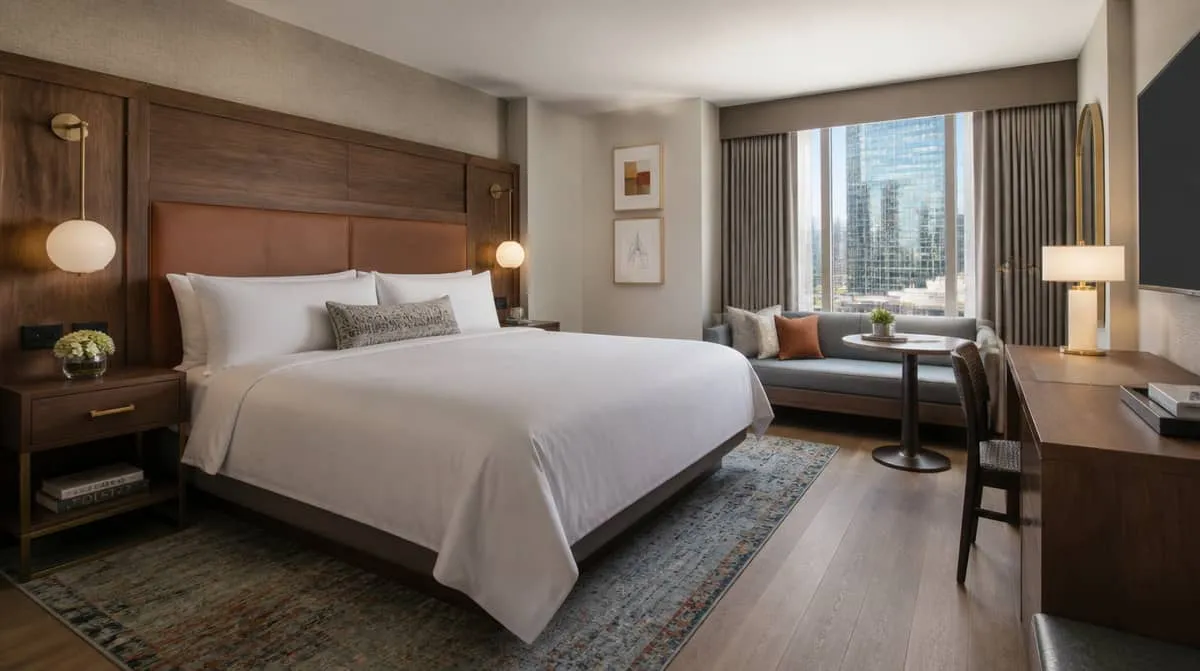
The key question for a phased renovation furniture program is whether you're doing a full replacement, disposing of all existing furniture and replacing with new, or a selective replacement that preserves some existing items while upgrading others. Full replacement gives you a clean, consistent program across the property but requires either staged delivery and installation or a significant furniture storage commitment. Selective replacement can reduce budget but creates the risk of a mismatched aesthetic if the new and existing pieces don't work together visually.
For full replacement programs, working with a supplier who can stage and hold furniture inventory at their facility and deliver phased quantities on a schedule that matches the renovation timeline is genuinely valuable. A supplier who requires you to take full delivery of a 300-room program on a single date is not set up for phased renovation work, and the cost of warehousing that furniture yourself while the renovation progresses will erode whatever cost savings you achieved in procurement.
Lead time management is where phased renovation furniture programs most often get into trouble. Guestroom casegoods in custom finishes or with COM fabric selections can have 16 to 20 week lead times from order to delivery. If Phase 1 of your renovation is scheduled to complete in week 12 and your furniture order doesn't go in until week 6, you will be waiting for furniture on a finished floor with your GC standing by and your owner asking hard questions. The right procurement timeline works backward from each phase completion date to establish order windows that account for realistic lead times with appropriate buffer.
Specification Strategy for Houston's Renovation Market
The renovation context creates an opportunity to reconsider the furniture specification from the ground up rather than simply replacing like with like. Houston's hotel market has evolved significantly since many of the Galleria corridor properties were last renovated, and the guest expectations, competitive landscape, and design aesthetics that defined those original programs are no longer the same. A renovation that simply refreshes the existing program with updated finishes may not achieve the competitive repositioning the owner is looking for.
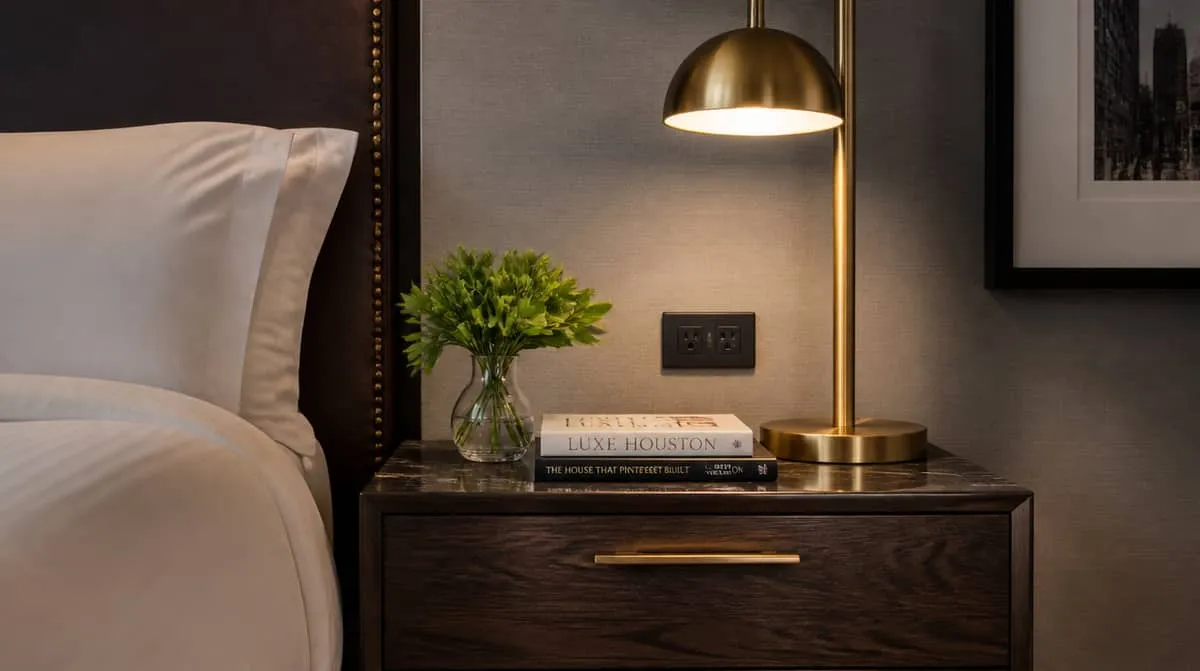
The most successful Houston hotel renovations use the project as an opportunity to meaningfully upgrade the guest experience, not just replace worn furniture with new furniture in the same configuration. This might mean converting double-double rooms to kings to attract the corporate travel demographic more effectively. It might mean improving the desk and working area configuration to meet the expectations of the extended-stay guests who are the Medical Center properties' core market. It might mean opening up the floor plan by replacing large case piece configurations with smaller, better-placed pieces that make the room feel larger. These strategic decisions should drive the furniture specification, not be retrofit into a spec that was developed to match the old layout.
Brand standard compliance is a constraint that many Houston hotel renovations have to navigate. Properties affiliated with major flags, IHG, Hilton, Marriott, or Hyatt, operate within brand standards that specify allowable furniture programs, finish ranges, and FF&E suppliers. These standards exist for good reasons, they protect brand consistency and guest experience across properties, but they can also limit the owner's ability to differentiate and can require furniture investments that exceed what the market would otherwise support. Understanding exactly where your brand standards are mandatory versus advisory, and having that conversation with your brand relationship manager before you start the design process, is worth doing early.
Budget Management and Value Engineering
Houston hotel renovation furniture budgets are under pressure from multiple directions simultaneously: ownership wants to minimize capital expenditure, brands want standard compliance, and the market demands a quality level that justifies the investment. Value engineering conversations in this context require honesty about where cost savings affect guest experience and where they don't.
Guestroom casegoods are not a good place to value engineer. Guests interact with the case goods in their room dozens of times during each stay, and lower-quality construction shows up in the form of sticky drawers, wobbling furniture, and finish degradation within two years of reopening, which creates maintenance costs and guest satisfaction problems that undermine the renovation's purpose. Areas where value engineering is more defensible include storage furniture in public spaces, back-of-house furniture, and some public area accent pieces where durable but less expensive options can achieve a similar visual result.
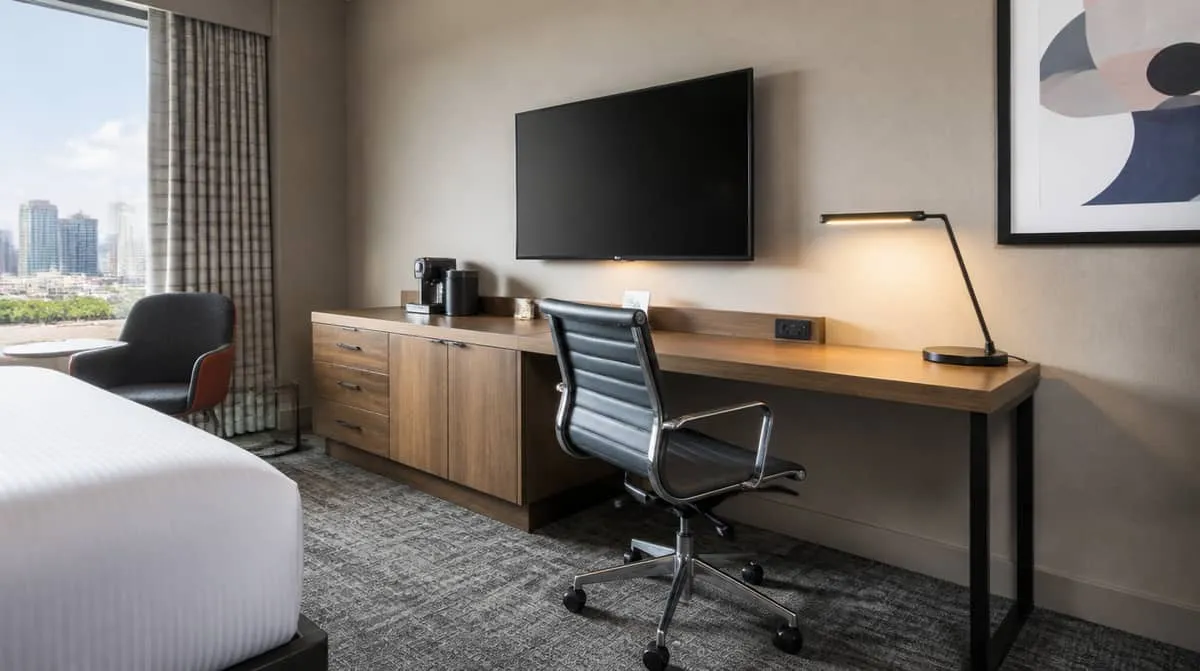
The total cost of ownership calculation, rather than first cost, is what should drive specification decisions in a Houston hotel renovation. Furniture that costs 20% more but lasts 40% longer and requires less maintenance over its service life is the better investment for an owner who is thinking in ten-year ownership horizons rather than quarterly budget cycles.
If you are sourcing hotel renovation furniture for your Houston property, the fastest way to real numbers is to tell us what you need. Request a quote with your quantities and timeline.