Hartford's hospitality market runs on a steadier, more corporate rhythm than most cities its size, and that changes how a renovation has to be planned. The insurance industry anchors weekday demand downtown, with Travelers, The Hartford, and Aetna sending a constant stream of business travelers, auditors, and out-of-town executives into hotels clustered around Constitution Plaza and Asylum Hill. The Connecticut Convention Center pulls in trade shows and conferences that fill rooms in blocks. West Hartford Center has built its own quieter lane of boutique and independent stays serving a different, more design-conscious guest. When you take a property offline for renovation in this market, you're not just competing for leisure bookings, you're competing for repeat corporate accounts that notice exactly how long a hotel stays unfinished. Getting hotel renovation furniture Hartford procurement right up front is the difference between a smooth reopening and a renovation that bleeds corporate loyalty for a full budget cycle.
Hartford's Renovation Calendar Runs on Corporate Weeks, Not Seasons
Unlike leisure-driven markets, Hartford's demand doesn't spike around a single festival or a beach season. It runs on the corporate calendar: Monday through Thursday nights carry the volume, with insurance industry conferences, legal proceedings tied to the courts downtown, and Connecticut Convention Center bookings layered on top. A renovation that drags into a heavy fall conference stretch, when the convention center calendar fills and downtown properties near Front Street and Constitution Plaza are running near capacity, means turning away exactly the corporate accounts you're trying to protect.
Most Hartford renovations run in phases, one wing or floor block at a time, so the property can keep serving its weekday corporate base while the work happens. That approach protects revenue, but it means your FF&E supplier has to hit a series of staggered delivery dates tied to construction handoffs, not a single bulk order dropped at the loading dock. A supplier that treats each phase as its own separate transaction, rather than one coordinated project, will cause a schedule slip somewhere along the way.
Get delivery windows in writing before you sign, and name a single logistics contact on the supplier side. Build the phased schedule into the procurement agreement itself, with dates tied to your construction milestones, not a verbal understanding that falls apart the first time a shipment runs late.
FF&E Lead Times: Work Backward From Your Reopening Date
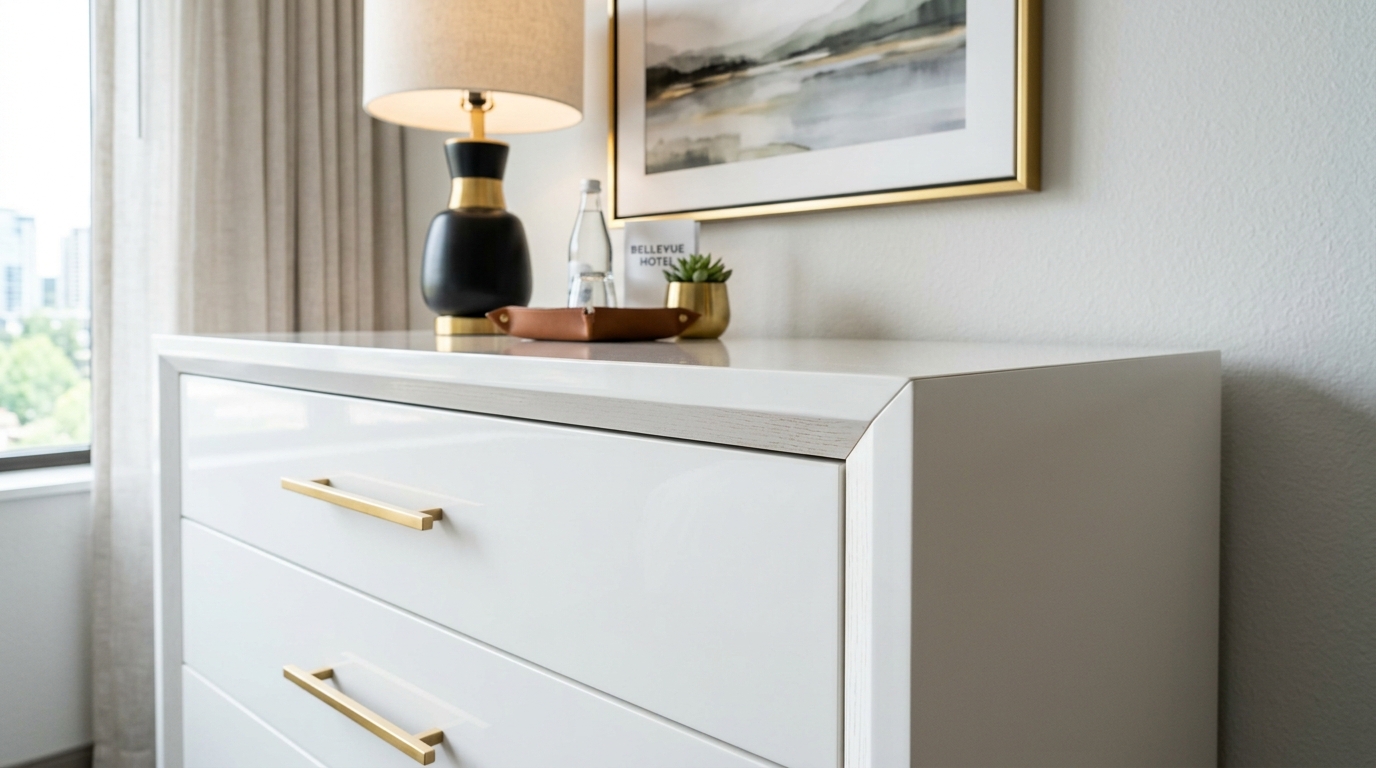
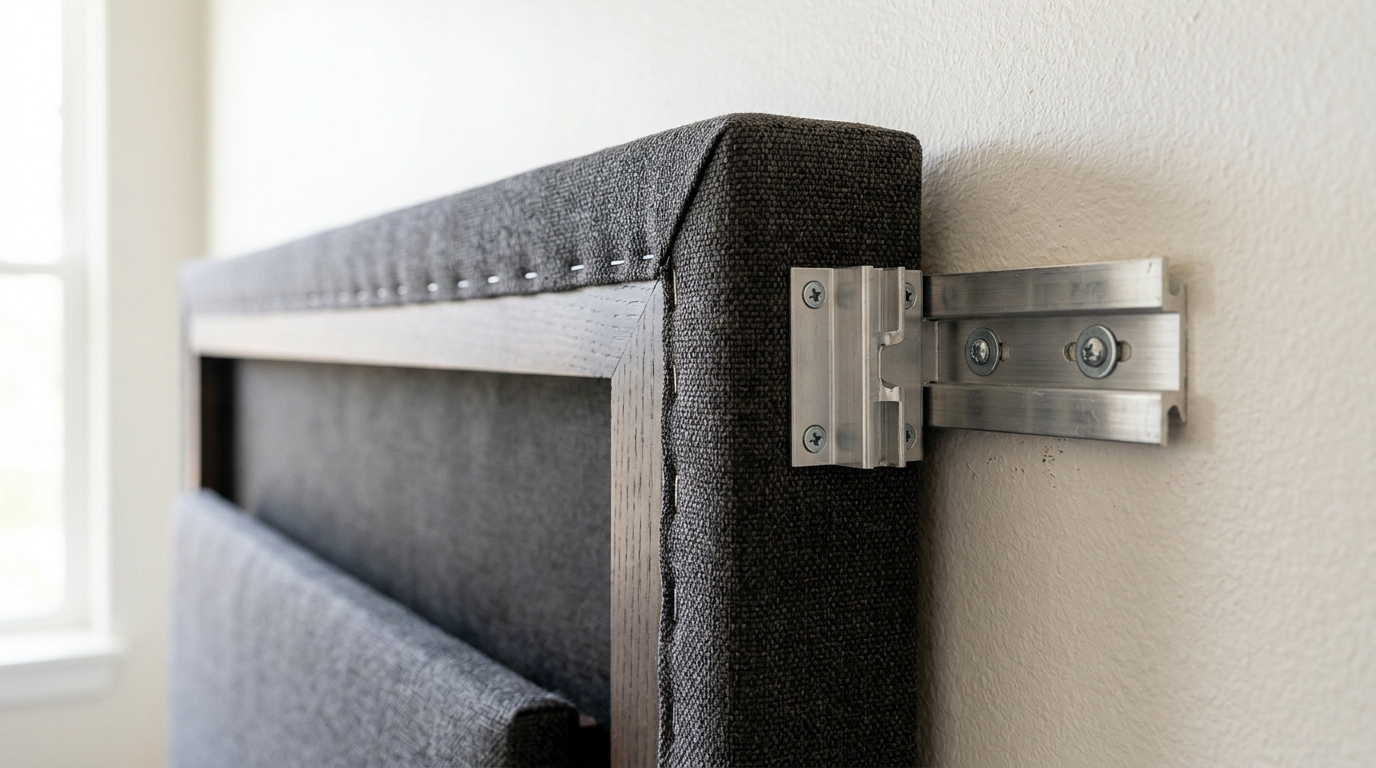
Custom and semi-custom contract furniture generally runs 12 to 18 weeks from confirmed order to dock delivery. That covers case goods, upholstered headboards and lobby seating, bed frames, and anything specified in COM fabric or a brand's proprietary finish. Downtown flagged properties working through a brand-mandated refresh, and West Hartford Center boutique hotels chasing a specific design look, should both add two to four weeks on top of that baseline if custom finishes or millwork are involved.
For a Hartford property targeting reopening ahead of a fall insurance industry conference cycle or before the Connecticut Convention Center's heaviest booking months, that lead time math is not flexible. Want rooms finished by early September? Furniture orders need to be placed by late spring, well before permits are even fully approved in many cases. Operators who wait until construction starts to think seriously about FF&E procurement end up choosing between two bad outcomes: settle for off-the-shelf pieces that don't match the design brief, or push the reopening date and absorb the lost corporate revenue.
Hartford's genuine four-season climate adds its own wrinkle. Rooftop terraces and outdoor seating areas, increasingly common additions in downtown refreshes, need furniture built to handle cold winters, humid summers, and everything between. Outdoor contract pieces often sit in a separate production queue from interior FF&E, so plan that timeline independently rather than assuming it rides along with your guestroom order.
Brand Standards and the Hartford Design Context
Hartford's hotel inventory splits fairly cleanly between flagged, corporate-focused properties downtown and near the airport corridor, and independent or boutique hotels concentrated around West Hartford Center and the Asylum Hill area. Flagged properties operate under brand standard manuals that dictate case good construction, fire rating compliance on all fabrics, and minimum seating and mattress dimensions. There's no room for interpretation there, and a piece that misses a spec gets rejected during the flag's inspection, sending your timeline backward right when you can least afford it.
Independent and boutique properties in West Hartford Center have more design latitude, but that freedom comes with its own pressure. Guests choosing an independent stay over a familiar flag are choosing it specifically for character and design, and generic contract furniture will not satisfy that expectation. Be explicit with your supplier about your guest profile and the architectural character of your building before procurement begins. A supplier that asks pointed questions about your market position is worth far more than one that hands you a catalog and waits for a line-item order.
For flagged properties, work with a supplier that keeps current brand standard files for the major flag groups operating in the Hartford market and can check your selections against those specs before you finalize anything. That review, done early, saves you the expensive back-and-forth that stalls a renovation schedule after furniture is already in production.
Delivery and Installation in an Operating Hartford Property
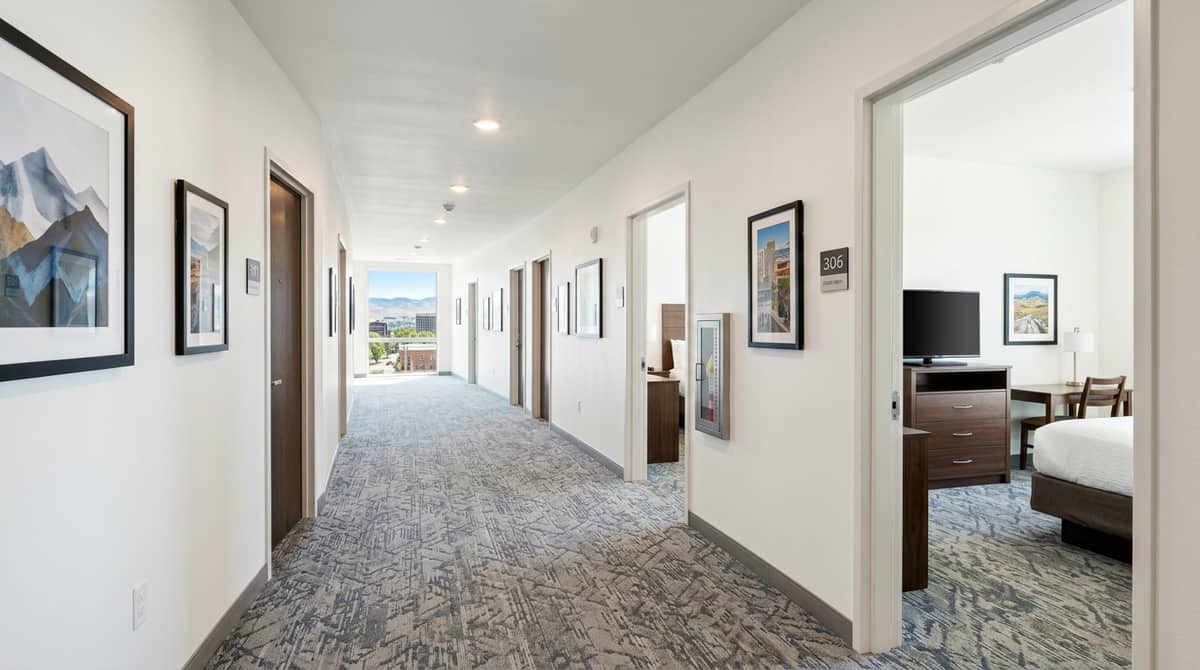
Getting furniture into a functioning Hartford hotel without disrupting daily operations takes real logistical planning. Downtown properties near Constitution Plaza and the Connecticut Convention Center deal with limited street parking, tight loading dock access, and freight elevator schedules governed by building management. Properties near Bradley International Airport and along the I-91 corridor have their own delivery windows tied to shift changes and shuttle traffic. West Hartford Center's smaller-footprint boutique properties often have the tightest physical constraints of all, with narrow service entrances that require careful staging.
A supplier with actual experience delivering into occupied Hartford hotels already understands these constraints and shows up prepared for them, with a crew and schedule built around your property's operating hours rather than their own convenience. They coordinate directly with your front desk, engineering staff, and general contractor so new pieces arrive staged and ready to install in finished rooms, not stacked in a hallway blocking a guest corridor.
Ask any supplier you're evaluating a direct question: have they delivered to occupied hotel properties in the Hartford area specifically, and what is their white-glove installation protocol for an active building? A vague answer is a warning sign. You need a partner with operational experience in this market, not just a product line and a freight estimate.
The properties that reopen on schedule and on budget are almost always the ones that treated FF&E procurement as a core project workstream from the first planning meeting, not an afterthought handled once construction was already underway. Build that discipline in early, and your Hartford renovation has a real shot at running the way it was designed to.