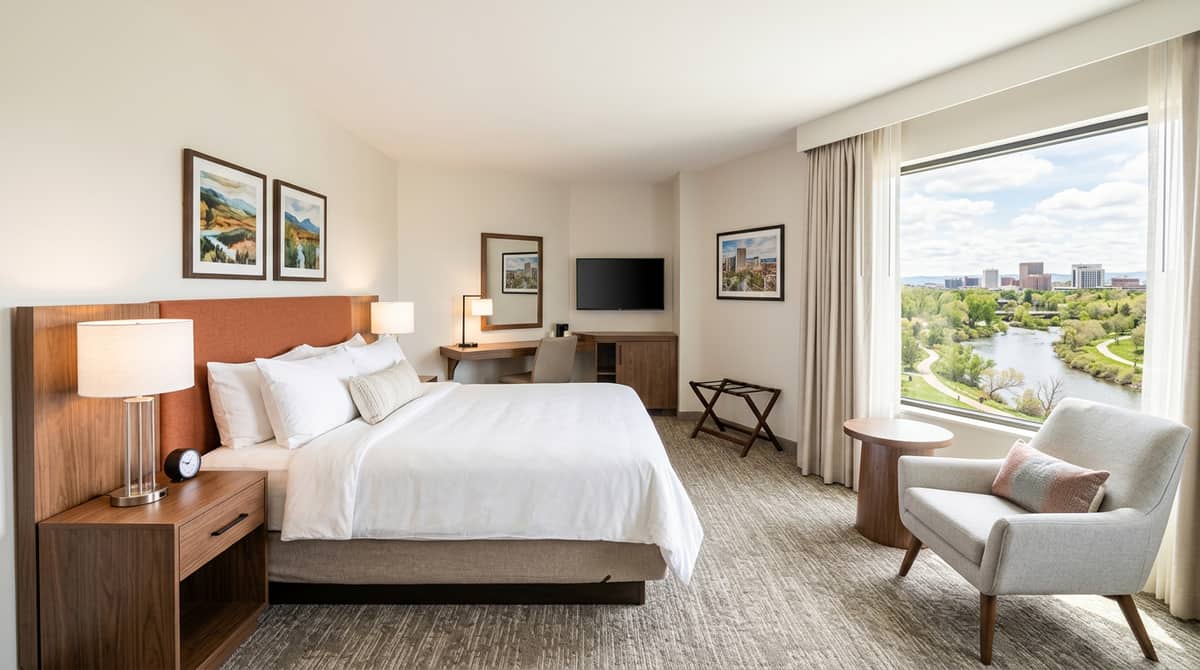
Burlington's hospitality market runs on a calendar that doesn't leave much slack. Foliage season pulls leaf peepers into the Church Street Marketplace corridor and along the waterfront every October, UVM and Champlain College move-in weekends fill every room within a few miles of campus, and the ski shoulder season sends travelers heading to Stowe and Sugarbush through Burlington on their way north. Layer in the summer festival crowd drawn by the Burlington Discover Jazz Festival and events at the waterfront, and you get a market where a renovation that runs long costs real revenue every week it drags on. Getting hotel renovation furniture Burlington procurement right from the start is the difference between reopening into peak season and reopening after it has already passed you by.
Burlington's Renovation Calendar Is Not Forgiving
The academic calendar around UVM and Champlain College sets some of the hardest deadlines in this market. Parents' weekend, graduation, and fall move-in fill every property from the waterfront to Shelburne Road, and a renovation that isn't finished before those dates means turning away business you'd otherwise capture at premium rates. Properties near downtown and the Church Street Marketplace also compete directly for foliage season traffic, when leaf peeping visitors book rooms months in advance and expect a finished product, not a lobby full of drop cloths.
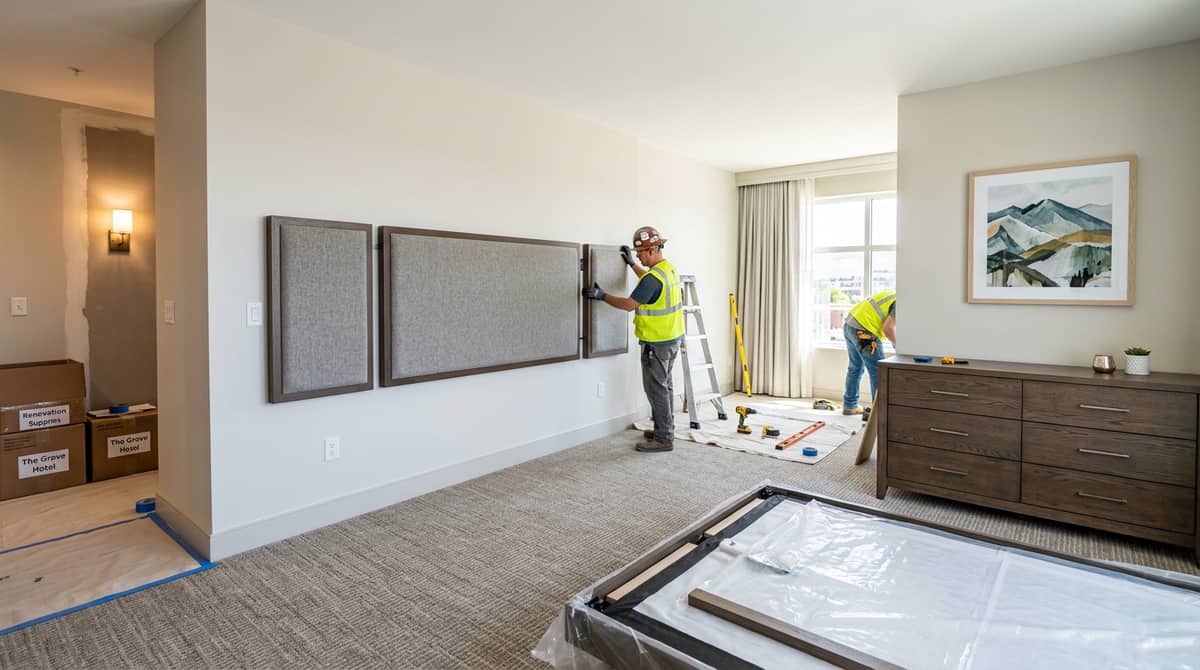
Most Burlington hotel renovations run in phases, one wing or floor at a time, so the rest of the property can stay open through the shoulder season instead of going dark entirely. That phased approach protects cash flow, but it puts real pressure on your FF&E supplier. You're not placing a single bulk order and waiting for a truck. You're coordinating a string of staggered deliveries tied to specific construction and housekeeping handoff dates, often across a Vermont winter when weather can slow a delivery schedule that already has no room to slip.
Before signing with any supplier, get delivery windows in writing and a named logistics contact who owns the schedule. Build phased delivery milestones into the procurement agreement itself, not a verbal understanding, so both sides are accountable when a date approaches.
FF&E Lead Times: Work Backward From Your Opening Date
Custom and semi-custom contract furniture typically runs 12 to 18 weeks from order confirmation to delivery on your loading dock. That covers case goods, upholstered headboards and seating, bed frames, and anything requiring COM fabric or brand-specified finishes. If your renovation involves custom millwork or a finish match for a boutique property near the waterfront or in the South End, add two to four weeks on top of that baseline to account for the additional production step.
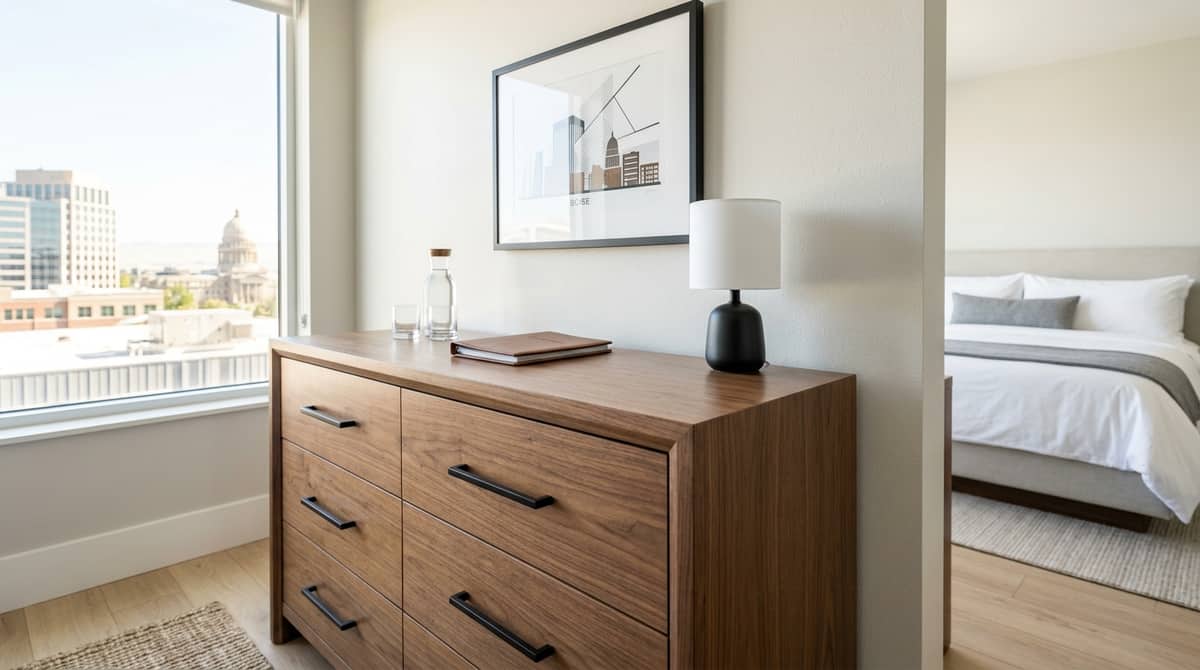
For a Burlington property targeting a reopening before peak foliage season or ahead of the fall academic calendar, those numbers matter down to the week. Want rooms ready by late September for the leaf peeping rush? Furniture orders need to go in no later than late May or early June. Operators who wait until permits clear or construction crews are on site to think seriously about FF&E procurement consistently end up choosing between two bad options: buy off the shelf and accept pieces that don't match the design intent, or miss the opening target and lose the season's highest rates.
Outdoor and patio furniture carries its own separate timeline in this market. Vermont's climate means outdoor seating and rooftop or waterfront terrace pieces need to survive real winter conditions in storage as much as summer use, and production queues for weather rated outdoor contract furniture often run independent of interior FF&E. Plan for that separately rather than assuming it rides along with your guestroom order.
Brand Standards and the Burlington Design Context
Burlington's hospitality market covers a genuinely wide range, from flagged properties along Shelburne Road and near the airport in South Burlington to independent boutique inns downtown and along the waterfront that compete purely on character. Flagged properties operate under brand standard manuals that govern case good construction specs, fabric fire ratings, and minimum seating and mattress dimensions, and none of that is negotiable during a PIP driven renovation. Independent properties near Church Street or in the historic districts closer to the lake have full design freedom, but guests choosing an independent Vermont property are specifically choosing on character and craft, and generic hospitality furniture will not hold up against that expectation.
For flagged properties, the compliance review has to happen before you finalize specs, not after. A piece that looks right but fails a fire rating review or misses the flag's minimum seating height gets rejected on delivery, and you're back to square one with a timeline that had no cushion to begin with. Work with an FF&E supplier that keeps current brand standard files for major flag groups and can check your selections against them early.
For independent inns and boutique properties, your design intent is your brand standard, so be precise about it before procurement starts. A supplier who asks real questions about your guest profile, the property's architectural character, and how you want a room to feel is worth far more than one who hands you a catalog and waits for a line item order.
Delivery and Installation in an Operating Property
Getting furniture into a working Burlington hotel without disrupting guests takes real logistical planning. Downtown properties near Church Street deal with narrow streets, limited loading access, and building rules around freight elevator use during business hours. Properties along the waterfront and near the marketplace contend with festival season street closures that can make a scheduled delivery day suddenly impossible. Airport corridor properties on Shelburne Road and in South Burlington have their own dock and delivery window constraints tied to nearby retail and office traffic.
A supplier with real experience delivering to occupied hotels in the Burlington area already understands these constraints. They arrive with the right crew and equipment, on a schedule built around your property's operations rather than their own convenience, and they coordinate directly with your front desk, engineering staff, and general contractor so new furniture shows up staged and ready for completed rooms instead of sitting in a hallway blocking a guest elevator.
Ask every supplier you're evaluating a direct question: have they delivered to occupied hotel properties in Vermont, and specifically in the Burlington market? What is their white glove installation protocol in an active building during peak season? A vague answer is a real signal. You need a partner with operational experience here, not just a product catalog and a freight quote.
The difference between a renovation that reopens on time for foliage season and one that drags into winter usually comes down to the procurement decisions made in the first month of planning. Treat FF&E as a core operational workstream from day one, and your Burlington renovation has a real shot at opening exactly when the market rewards it most.