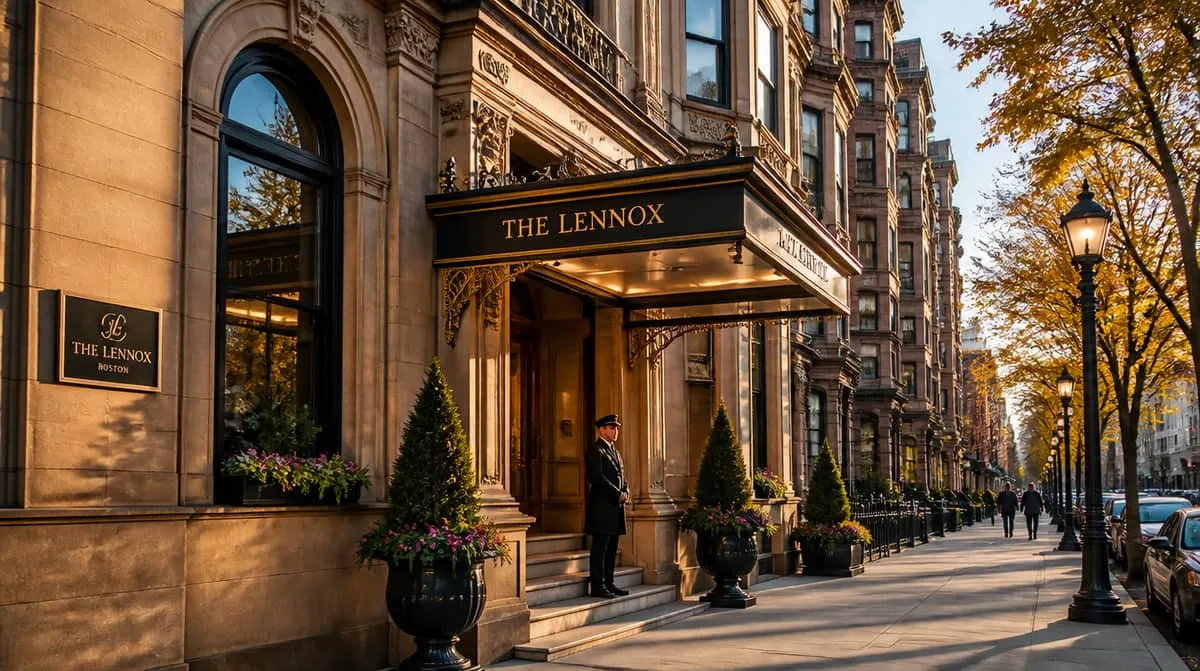
Your renovation window is eight weeks. Harvard's fall conference season starts in nine. And the FF&E quote you are holding lists a fourteen-week lead time. That is the Boston problem in three sentences. Between the BCEC convention calendar in the Seaport, the academic conference rhythm at Harvard and MIT, and the steady biotech business travel flowing through Kendall Square year-round, Boston hotels run close to capacity for most of the year. Hotel renovation furniture Boston projects fail when owners treat them like design exercises. They succeed when you treat them like a logistics operation with a hard deadline and no margin for error.
FF&E Timelines: Why Boston Renovations Run Tight
Boston's hotel market does not offer the long soft-season windows that properties in other markets use for renovations. Academic calendar peaks September move-in and May graduation are predictable and inflexible. The BCEC convention calendar adds occupancy pressure throughout the year, with pharmaceutical, medical, and technology conferences filling Seaport and Downtown properties from January through November. A Back Bay or Beacon Hill property may have a usable renovation window of six to ten weeks at most before the next demand surge arrives.
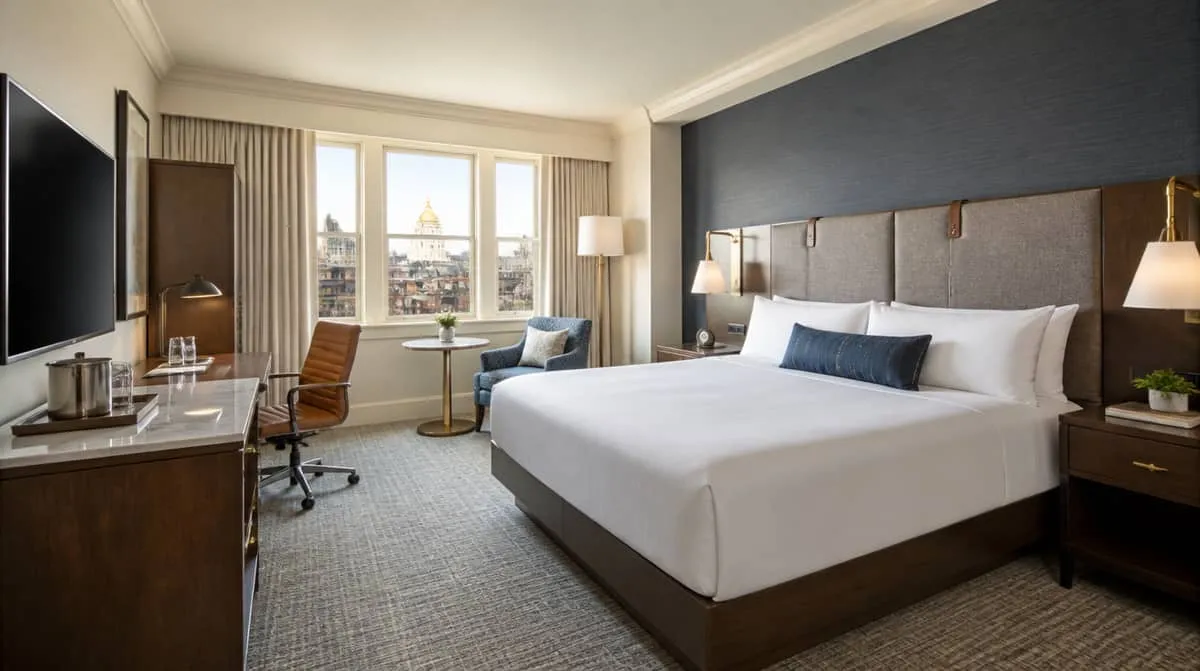
Your FF&E timeline has to work backward from your target open date, not forward from a comfortable manufacturing schedule. For hotel renovation furniture Boston projects, engage your supplier twelve to sixteen weeks ahead of your installation date for custom upholstery and any guestroom headboard program. Case goods dressers, nightstands, armoires need eight to twelve weeks minimum from order to delivery. Anything shorter than those timelines means either paying rush premiums or settling for in-stock product that was not spec'd for your property's design direction.
Suppliers who stage inventory at regional distribution points provide a meaningful buffer for Boston's compressed renovation schedules. The ability to pull from East Coast warehouse stock in the final weeks before installation is the difference between hitting your open date and calling your revenue manager with bad news.
Phased Delivery and Historic Building Constraints
Most Boston hotel renovations cannot vacant all rooms simultaneously. A 120-key Back Bay property renovating guestrooms while maintaining partial operations typically works floor by floor, which means your furniture program has to sequence deliveries against an operational calendar rather than arriving as a single consolidated shipment.
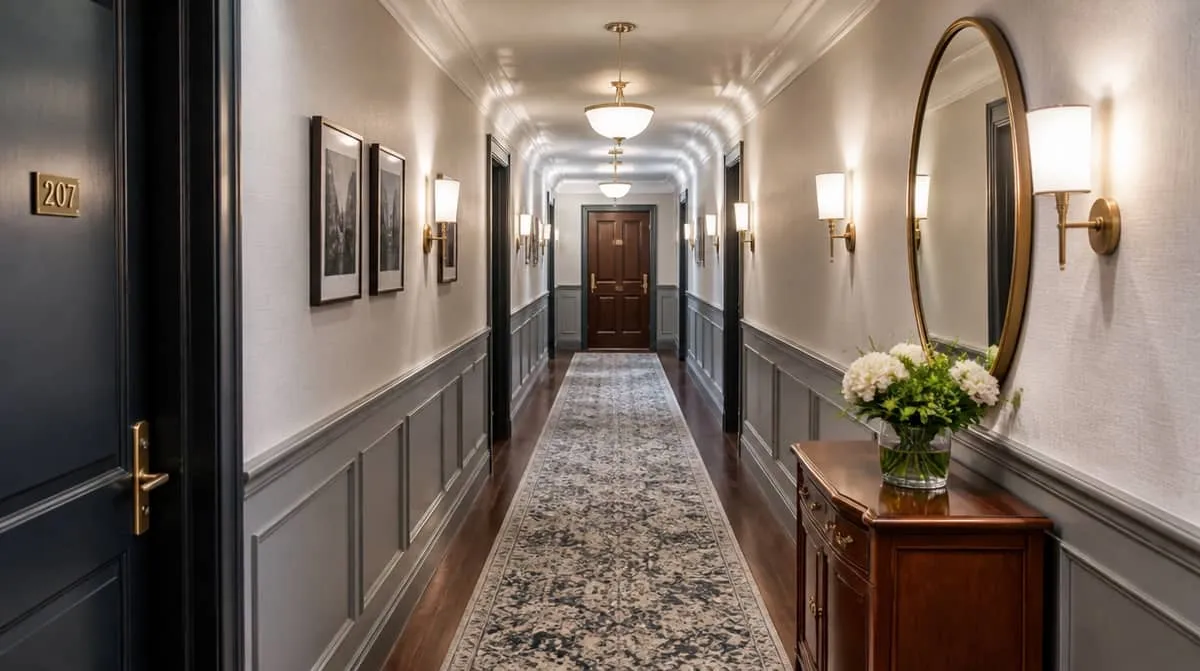
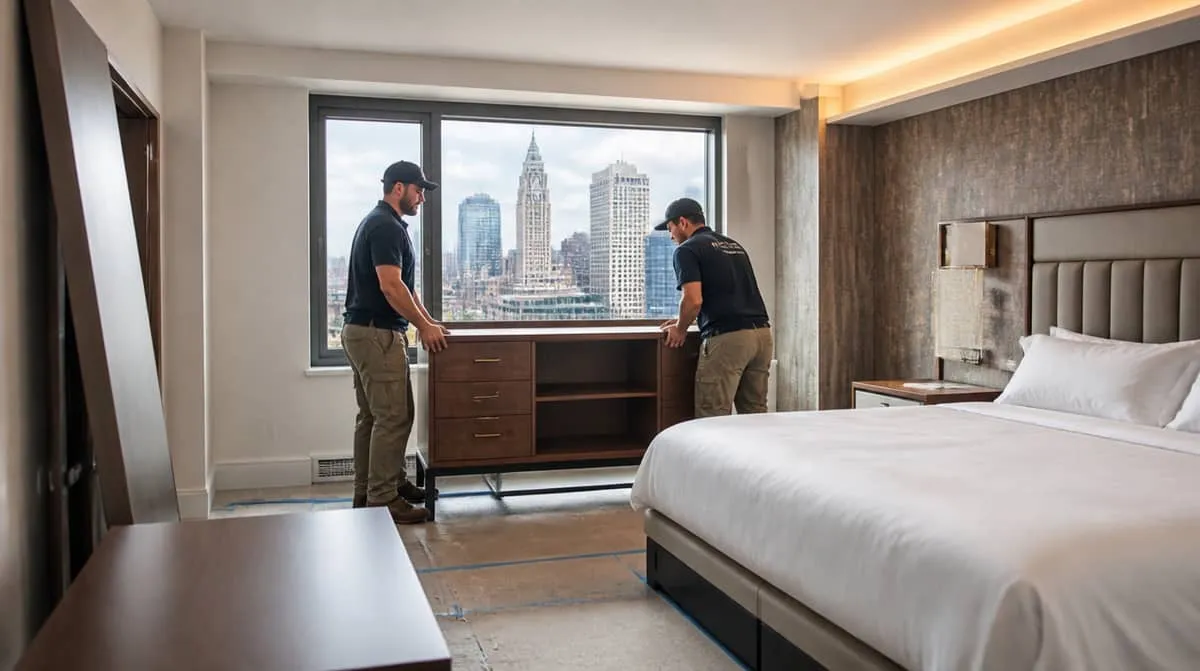
That phased delivery requirement is compounded by the freight access realities common to Boston's historic building stock. Federal-style brownstones in Beacon Hill and Back Bay, converted academic buildings in Cambridge, and pre-elevator commercial structures throughout Downtown have narrow corridors, tight stairwells, and service elevator dimensions that preclude standard freight delivery configurations. Pieces need to be blanket-wrapped individually, moved in small groups, and sometimes carried by hand up stairwells that were built well before furniture of modern scale was standard.
A supplier with experience delivering into Boston's historic building environment will ask about freight access before the purchase order is placed. Confirm elevator interior dimensions, stairwell width, and service entrance access early in the procurement conversation not on the day a delivery truck arrives with a standard pallet configuration that will not fit through your service door.
Specification Standards for a Renovation Context
Hotel renovation projects face a specific durability challenge: the new furniture has to hold up through the full period until the property's next scheduled renovation cycle, typically seven to ten years. That calculation changes depending on the property's market position. A Seaport hotel drawing pharmaceutical conference business and BCEC overflow runs at occupancy and use levels that put real stress on every piece. A Beacon Hill boutique with lower key counts but high-spend, repeat-guest profiles may need furniture that maintains its aesthetic quality over a longer service life rather than just its structural integrity.
For guestroom case goods, the renovation context often requires matching existing millwork, architectural moldings, or original floor finishes that survived the renovation. Nightstands and dressers in a Back Bay brownstone need wood tones and profiles that work with original Federal-style architectural details rather than importing a look that reads as out of place in the building. A supplier who understands Boston's historic building context can help navigate those finish decisions before sample rounds reveal incompatibilities.
Planning hotel renovation furniture for your Boston project? Share your specs and quantities and we will build pricing around your actual program. Request a quote to get numbers for your space.