
The hotel lobby is the first and last impression a Tulsa property makes on every single guest, and in a market where event traffic and design-forward boutique stays sit side by side, that space has to work harder than in a lot of comparable cities. Lobby furniture near the BOK Center and Cox Business Convention Center needs to absorb genuine crowd volume during event weekends. Lobby furniture in a downtown Art Deco or Arts District boutique needs to carry design weight that matches genuinely distinctive surrounding architecture. Both need to survive years of daily use without looking tired.
Tulsa's Market Segments Demand Different Things From the Same Room
A branded hotel lobby near the convention corridor sees waves of guests checking in and out around major events, plus overflow foot traffic when nearby venues are at capacity. That lobby needs seating that can absorb heavy, irregular traffic spikes without showing wear faster than a property with steadier daily patterns.
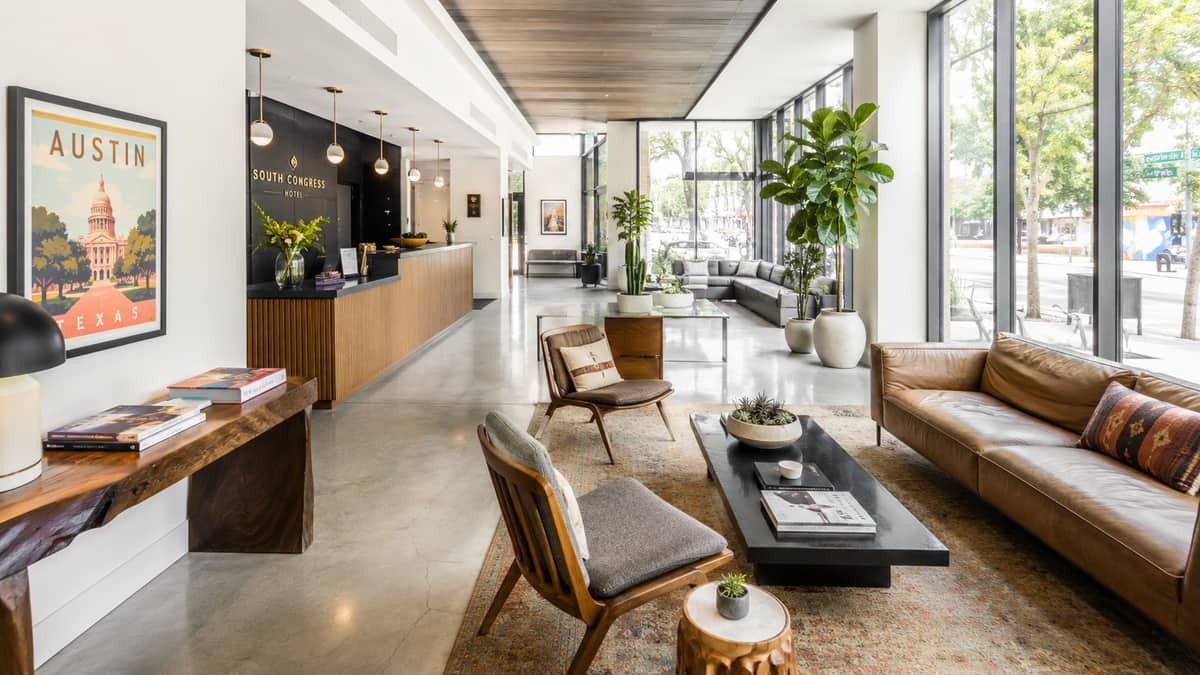
A boutique property in the Arts District or downtown's Art Deco core is playing a different game entirely, the lobby is often the single most photographed and reviewed space in the building, and furniture there needs to carry the design concept convincingly while still meeting the same durability standards as a branded property lobby that sees three times the daily traffic. Selling a design story with furniture that cannot survive real hospitality use undermines the whole investment within a year or two.
What Tulsa's Climate Actually Does to Lobby Furniture
Lobby furniture positioned near entrances and large windows takes real UV and temperature exposure in this market. Oklahoma sun fades fabric and degrades foam faster than most people expect, especially on south- and west-facing glass where afternoon sun is direct and sustained for hours. Fabrics with solution-dyed or UV-stabilized construction hold color significantly longer in these positions than standard upholstery.
Seasonal humidity swings and the occasional deep winter cold snap also affect wood and leather finishes over time. A lobby furniture program specified without accounting for direct sun exposure near the entrance is a program that needs premature reupholstering, and that cost is entirely avoidable with the right initial spec.
Designing for the Arrival Experience in Tulsa's Signature Spaces
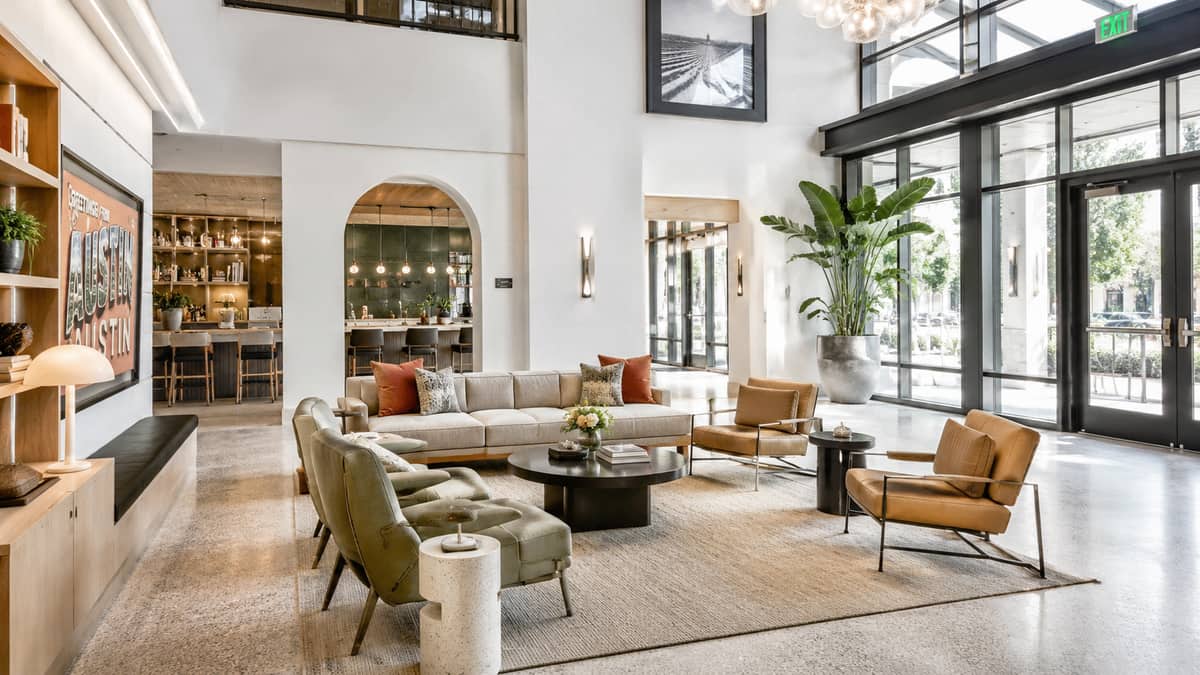
The best hotel lobbies in this market use furniture to create distinct zones within an open floor plan: a check-in adjacent seating area for waiting guests, a lounge zone that can double as informal meeting space for business travelers, and often a bar-adjacent seating cluster that extends the property's food and beverage program into the lobby itself. Each zone has slightly different furniture demands, quick-turnover seating near check-in, more substantial lounge pieces in the extended-stay zones.
Modular and sectional lounge furniture gives Tulsa properties flexibility to reconfigure the lobby for events, which matters more here than in markets without a major event venue driving periodic surges in foot traffic. A lobby that can flex between a normal Tuesday layout and an overflow-crowd Saturday layout is doing more work than a static furniture plan ever could.
Procurement Timing and the Tulsa Renovation Cycle
Lobby renovations in Tulsa hotels are often timed around slower booking periods to minimize guest disruption, but coordinating that timing against the BOK Center and convention center event calendar takes real planning. A renovation that runs long into a major event weekend creates a bad first impression exactly when the property needs to be performing at its best.
Lock your lobby furniture order at least 12 to 16 weeks ahead of your target completion date to account for standard contract lead times, and build in buffer for any custom fabric or finish work. Request a quote early enough that lead time surprises do not collide with your renovation window.