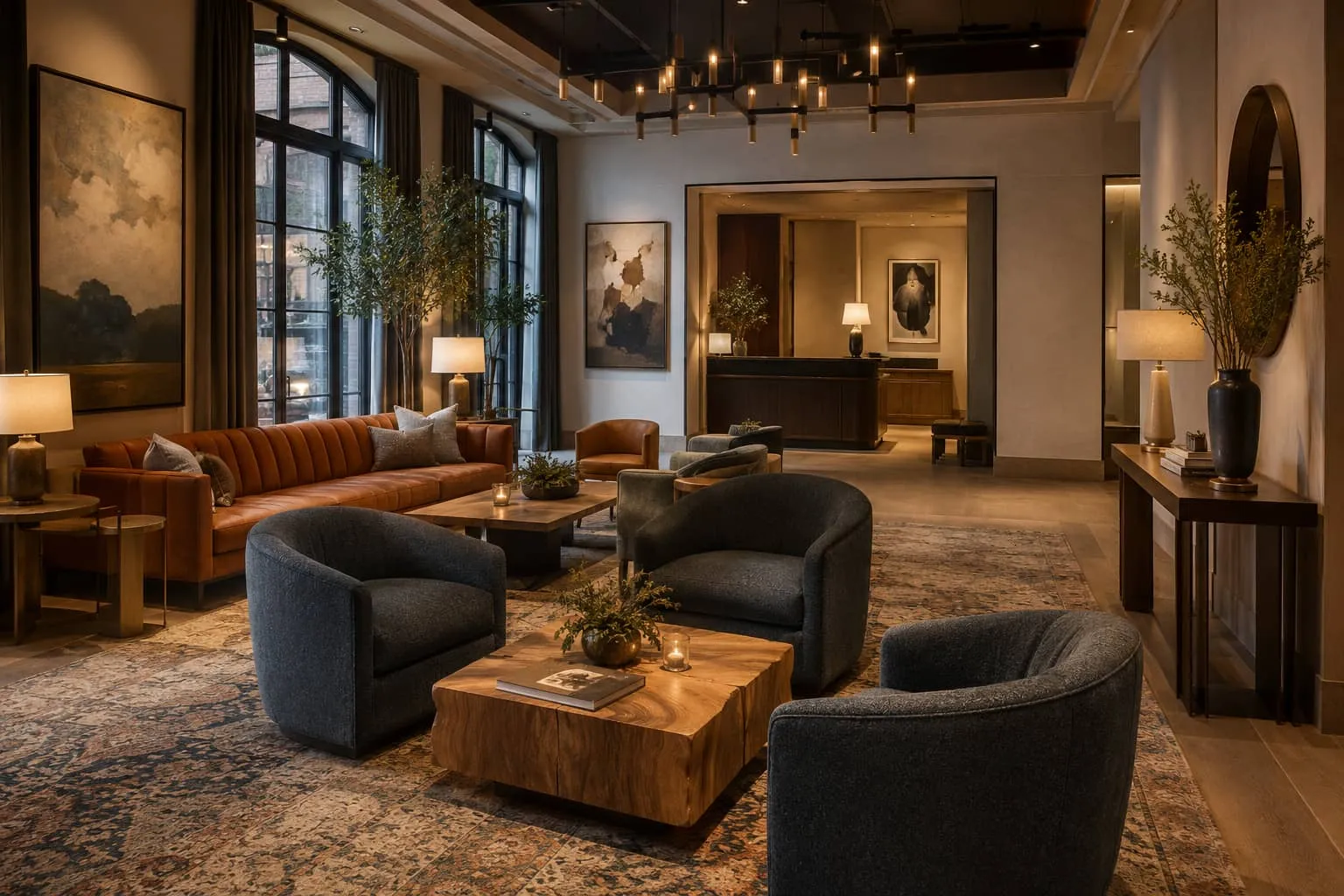
Tulsa's boutique hotel segment has grown around a genuinely distinctive built environment. The city carries one of the country's more significant collections of Art Deco architecture downtown, and a wave of adaptive reuse projects has turned former office towers and warehouses into independent hotels with real character. The Tulsa Arts District adds galleries, live music venues, and a design-conscious dining scene right outside the front door. If you are sourcing furniture for a boutique property in this market, generic contract catalog pieces are not going to carry the concept. Here is what actually works.
Why Tulsa's Hospitality Calendar Changes the Durability Math
A boutique hotel near the BOK Center or the convention center corridor can go from a quiet Tuesday to a fully booked, high-traffic weekend in the span of 48 hours whenever a major concert or convention rolls through. That swing matters for furniture selection. Lobby and lounge seating in a boutique property with a strong bar program takes far more daily use than a comparable piece in a limited-service hotel that skews toward business travelers on weekday stays.
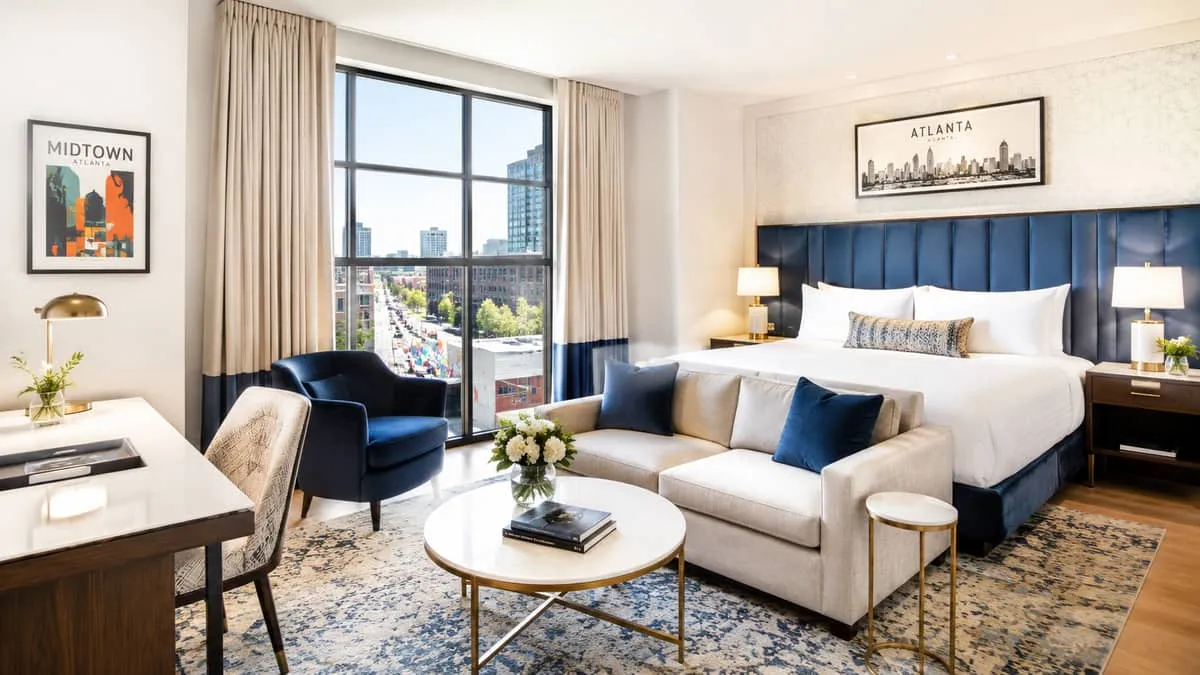
Design-forward does not mean fragile, and it should not mean expensive to replace every season. The best boutique properties in Tulsa spec furniture that reads as custom and one-off but is actually built to the same BIFMA-level performance standards as a large branded hotel. That is the real skill in sourcing for this segment: finding a supplier who can execute a distinctive look without cutting corners on frame construction, foam density, or fabric durability.
Design Cohesion in a City With a Strong Architectural Identity
Tulsa's boutique properties draw heavily on the city's Art Deco heritage and its industrial-warehouse Arts District aesthetic. That gives designers a strong visual language to work from, but it also means furniture has to hold its own next to genuinely striking original architecture. Brass accents, geometric detailing, and warm wood tones read well against Art Deco lobbies. Reclaimed-look wood and blackened steel frames fit naturally into a converted warehouse space near the arts district.
Whatever direction the design goes, the fabrication has to match the concept exactly, custom finishes and fabrics are common in this segment, and that means longer lead times and higher minimum order quantities than a standard branded hotel program. Plan for that early rather than discovering it after your interior designer has already locked a finish palette.
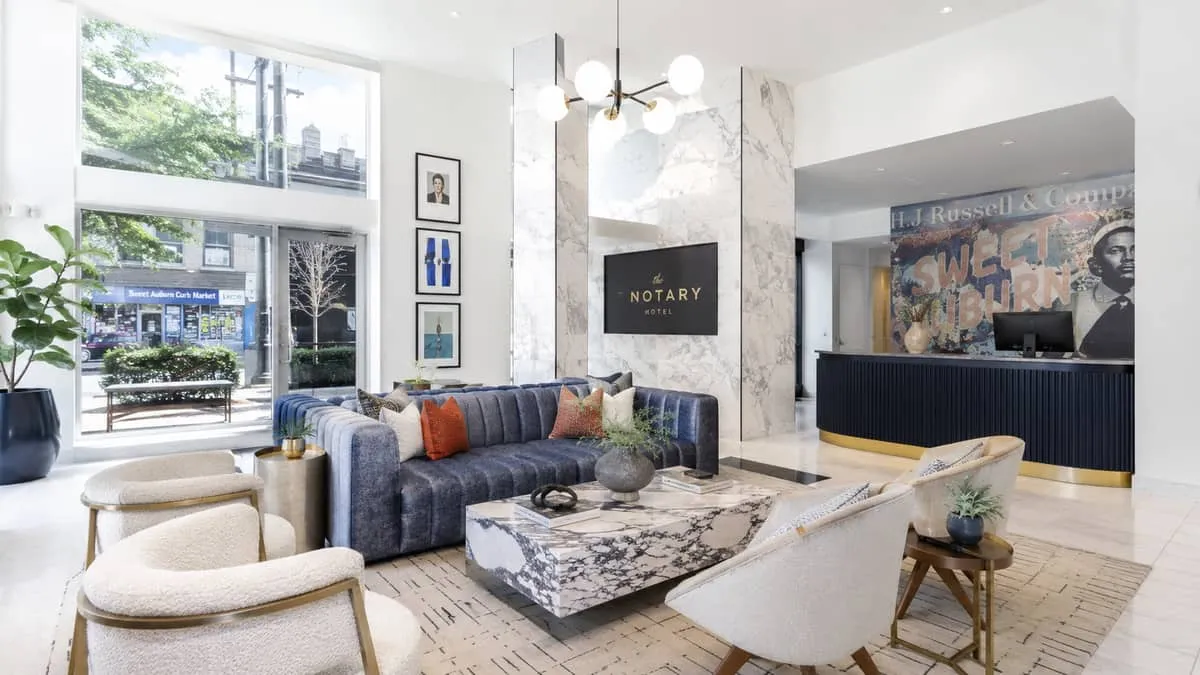
Navigating Minimums and Finding the Right Suppliers
Boutique properties in Tulsa are typically furnishing 40 to 90 rooms, well under the volume that triggers the best per-unit pricing from most contract manufacturers. That means the supplier relationship matters more here than it does on a large branded project. You need a partner willing to work at smaller volumes without treating your project as an afterthought, and one who can source or fabricate custom pieces without stretching your timeline past what your opening date allows.
Ask prospective suppliers directly about their experience with independent and boutique properties specifically, not just branded hotel programs. The sourcing conversation, the sample turnaround, and the willingness to iterate on a custom fabric or finish are different for a 60-room independent property than for a 200-room flag. Request a quote early so you can compare how different suppliers handle smaller-volume, design-heavy programs.
Planning for Tulsa's Renovation Cycle
Boutique hotels tend to refresh on shorter cycles than branded properties because their competitive edge is design currency, not brand consistency. A property that opened strong in the Arts District five years ago needs its lobby and lounge furniture to still feel current, not dated, especially with new competition opening nearby. Build a five-year refresh plan into your original furniture program so you are not starting from zero when it is time to update.
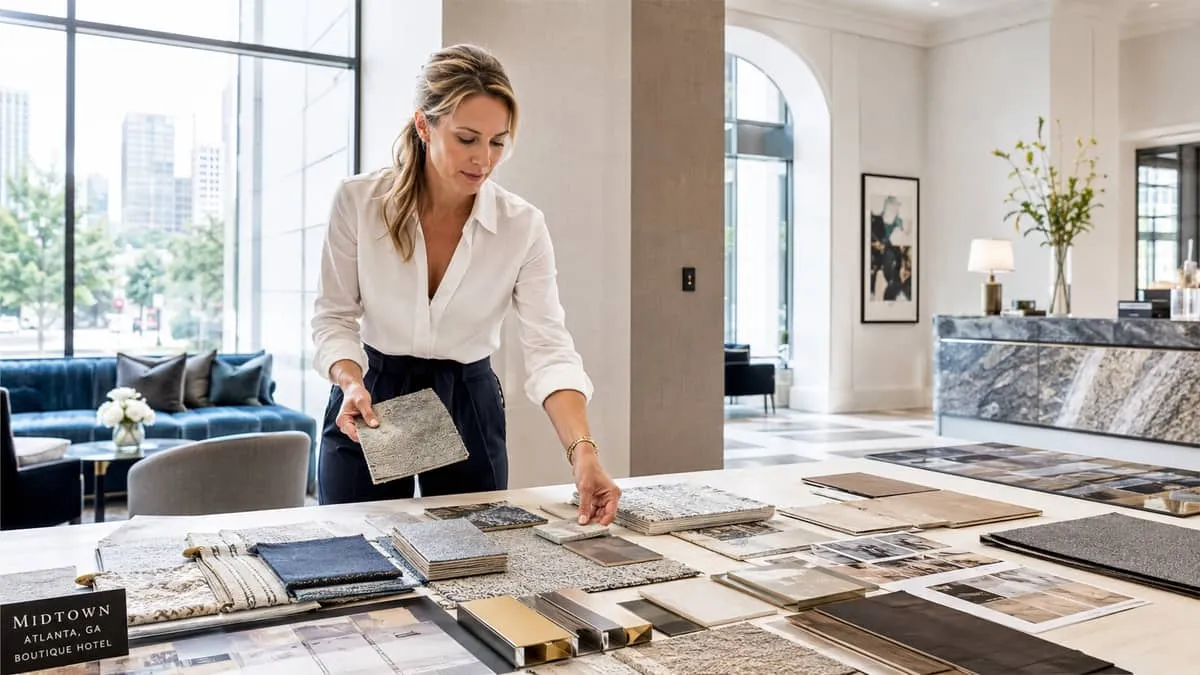
Coordinate refresh timing around Tulsa's event calendar. Nobody wants to be mid-renovation during a major BOK Center weekend or a busy convention stretch. A supplier who understands the local event rhythm can help you plan a phased refresh that keeps revenue-generating spaces open while less visible areas get updated first.
Related reading
- What is contract furniture
- Commercial furniture vs retail
- Hospitality furniture supplier guide
- Hotel furniture supplier in Tulsa, OK
- Hotel lobby furniture Tulsa: contract-grade common area seating
- Boutique hotel lounge chairs
- Hotel sofas and loveseats
- Hotel headboards
- Commercial furniture in Oklahoma